Antiques identification and price guide by era and maker
Objects that outlived their makers by centuries. Furniture that witnessed revolutions. Silverware that served at tables long since rotted away. To hold an antique is to touch the fingerprints of the dead, to wonder at the hands that crafted, polished, loved, and eventually relinquished these things to time's relentless current.
Browse Curiosities
Highest rated Antiques
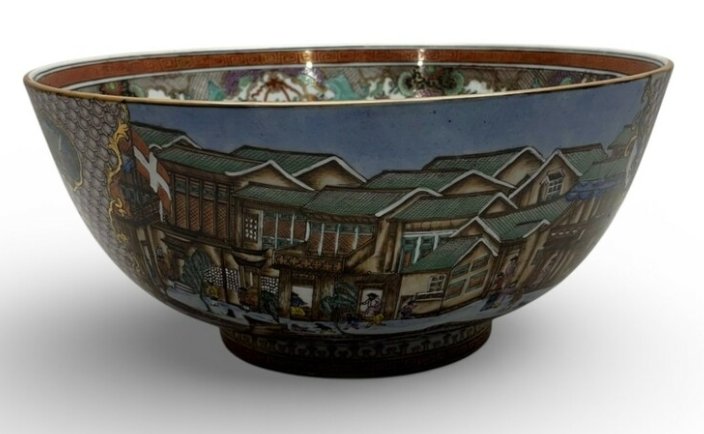
Chinese Export Porcelain 'Hong' Punch Bowl
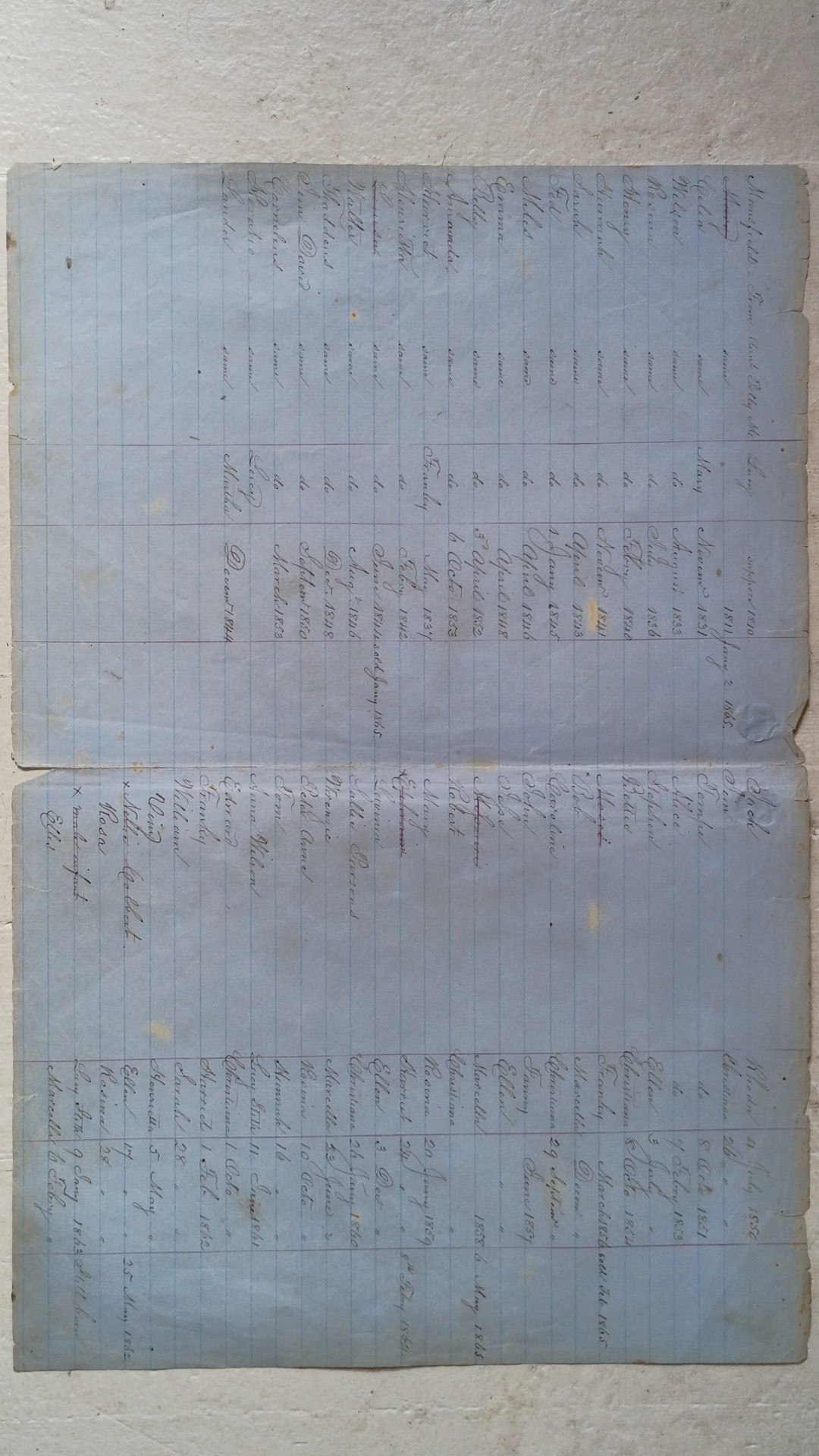
Mid-19th Century Slave Ledger (Register of Negroes)
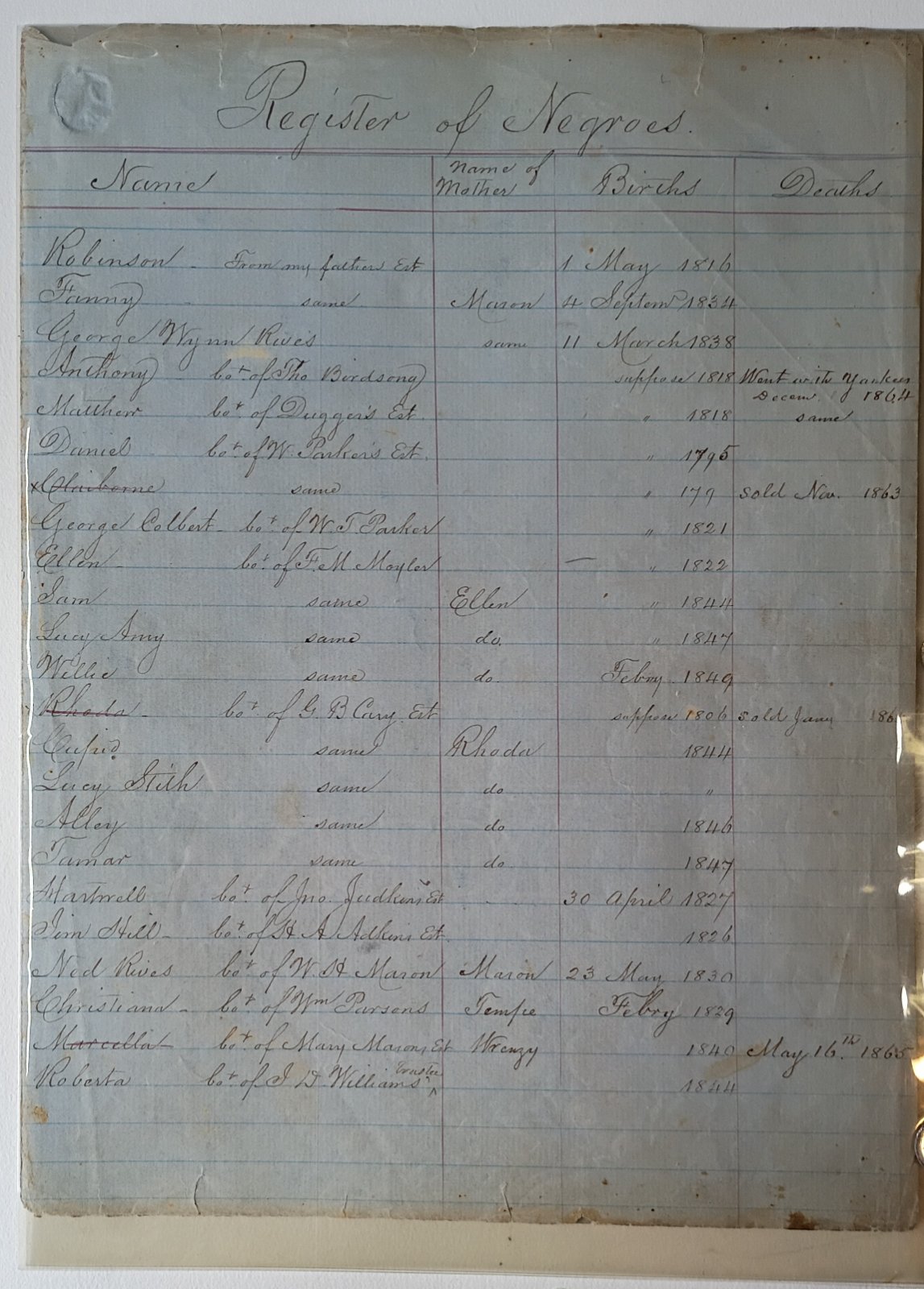
Mid-19th Century Plantation Slave Ledger Page
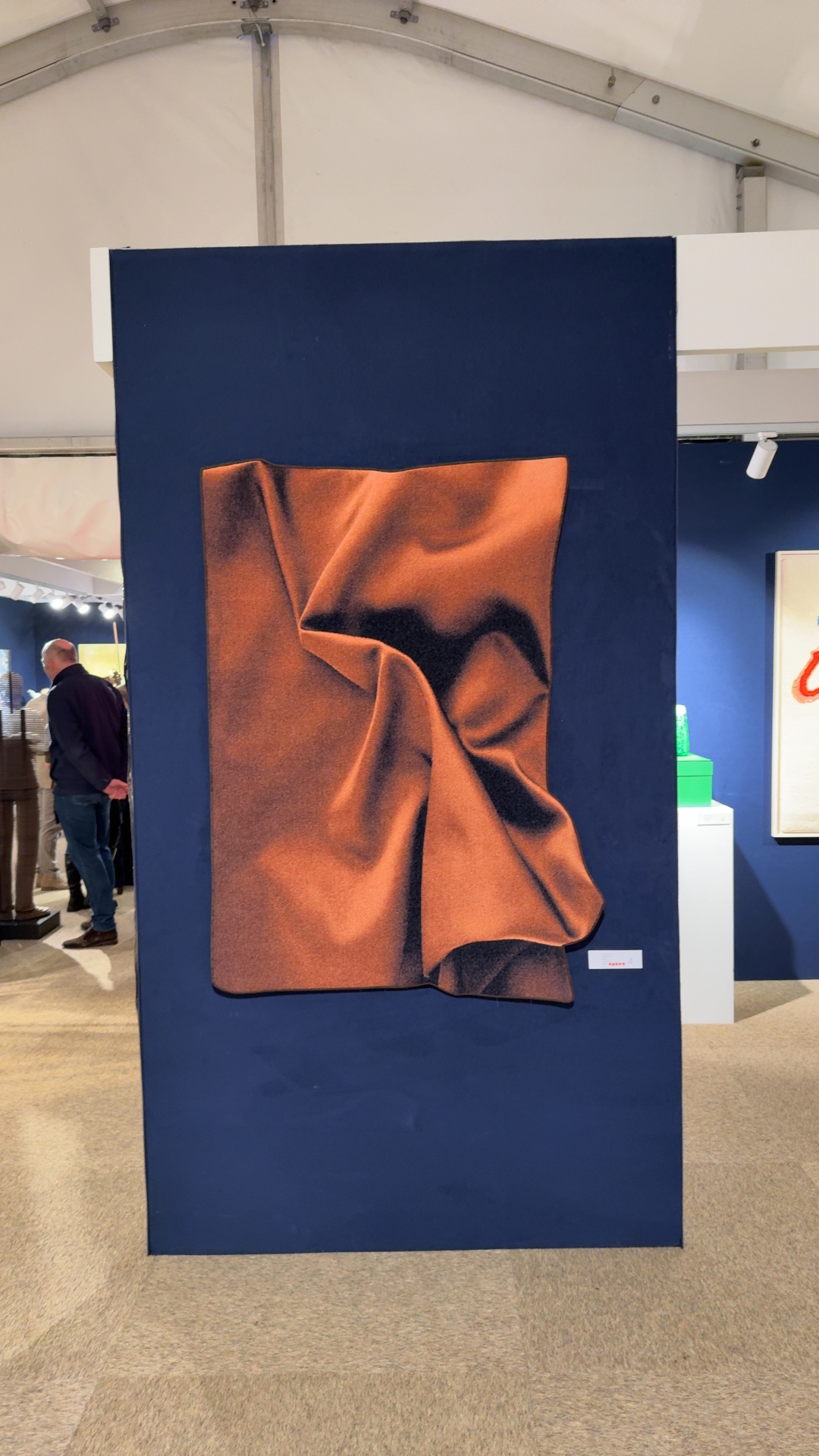
Celia Hadeler - 'Canela Brown' Textile Artwork
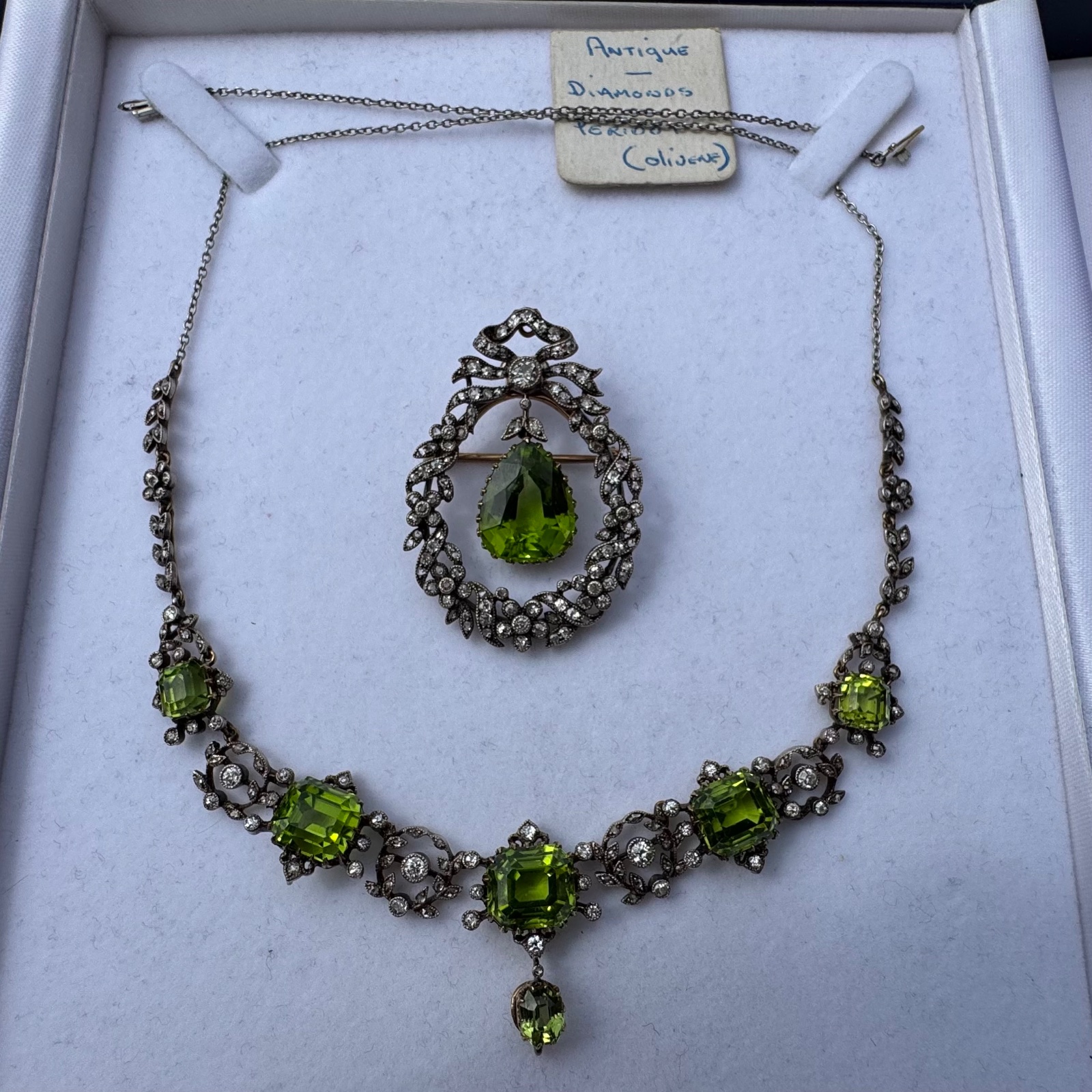
Late Victorian Peridot and Diamond Necklace and Brooch Suite c.1890
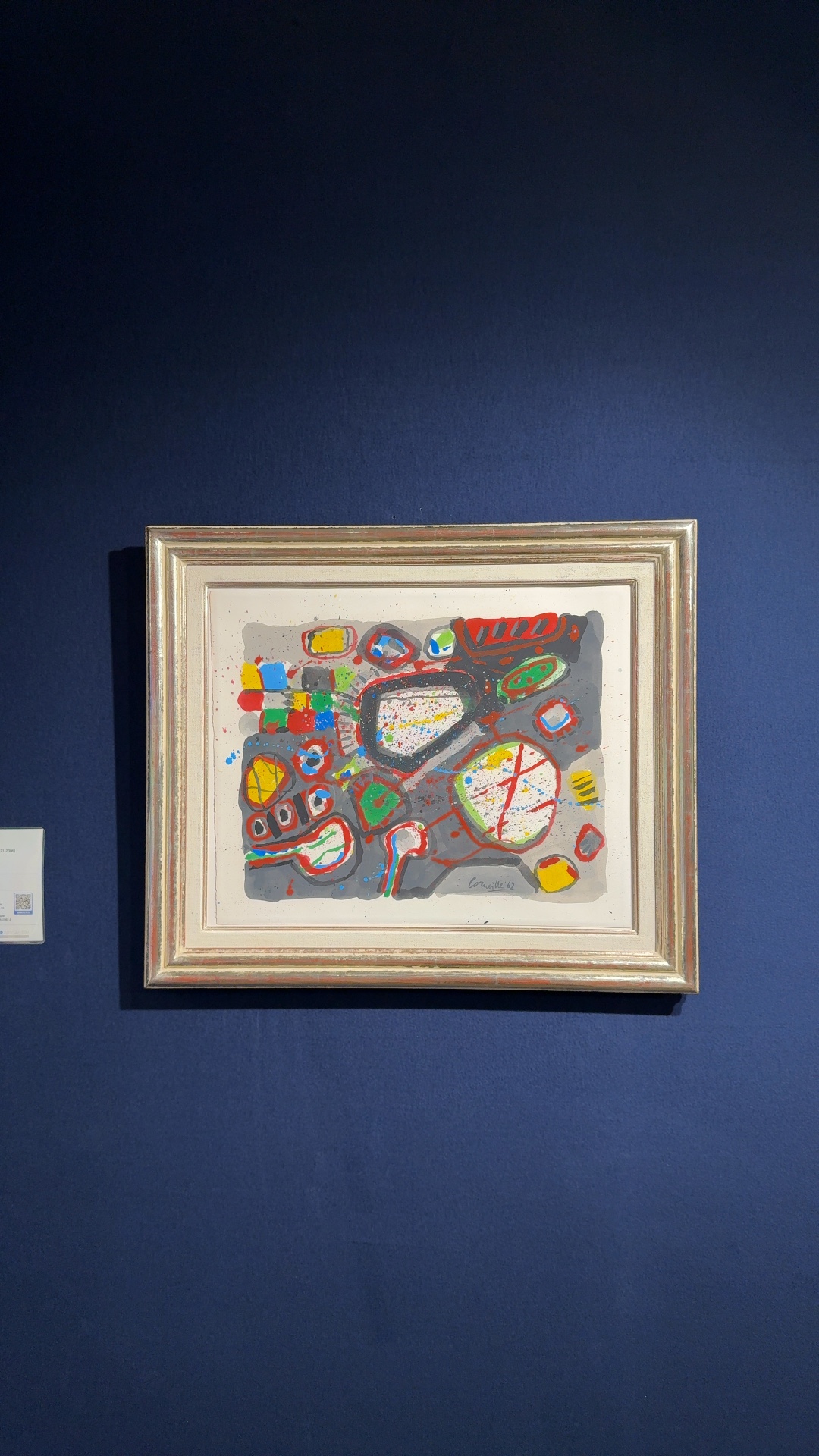
Guillaume Corneille (Dutch, 1922-2010) - Abstract Composition, Mixed Media on Paper, 1962

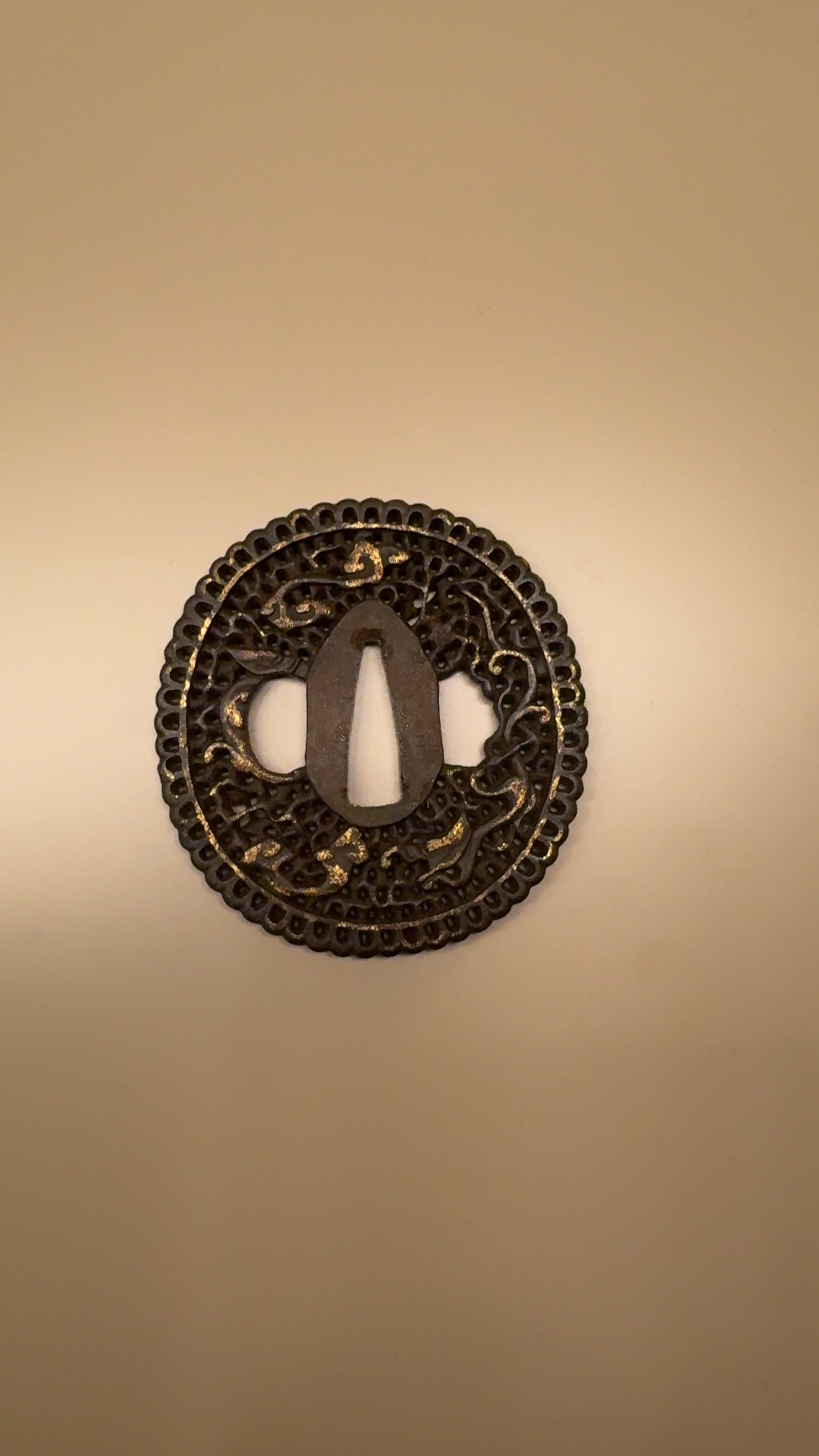
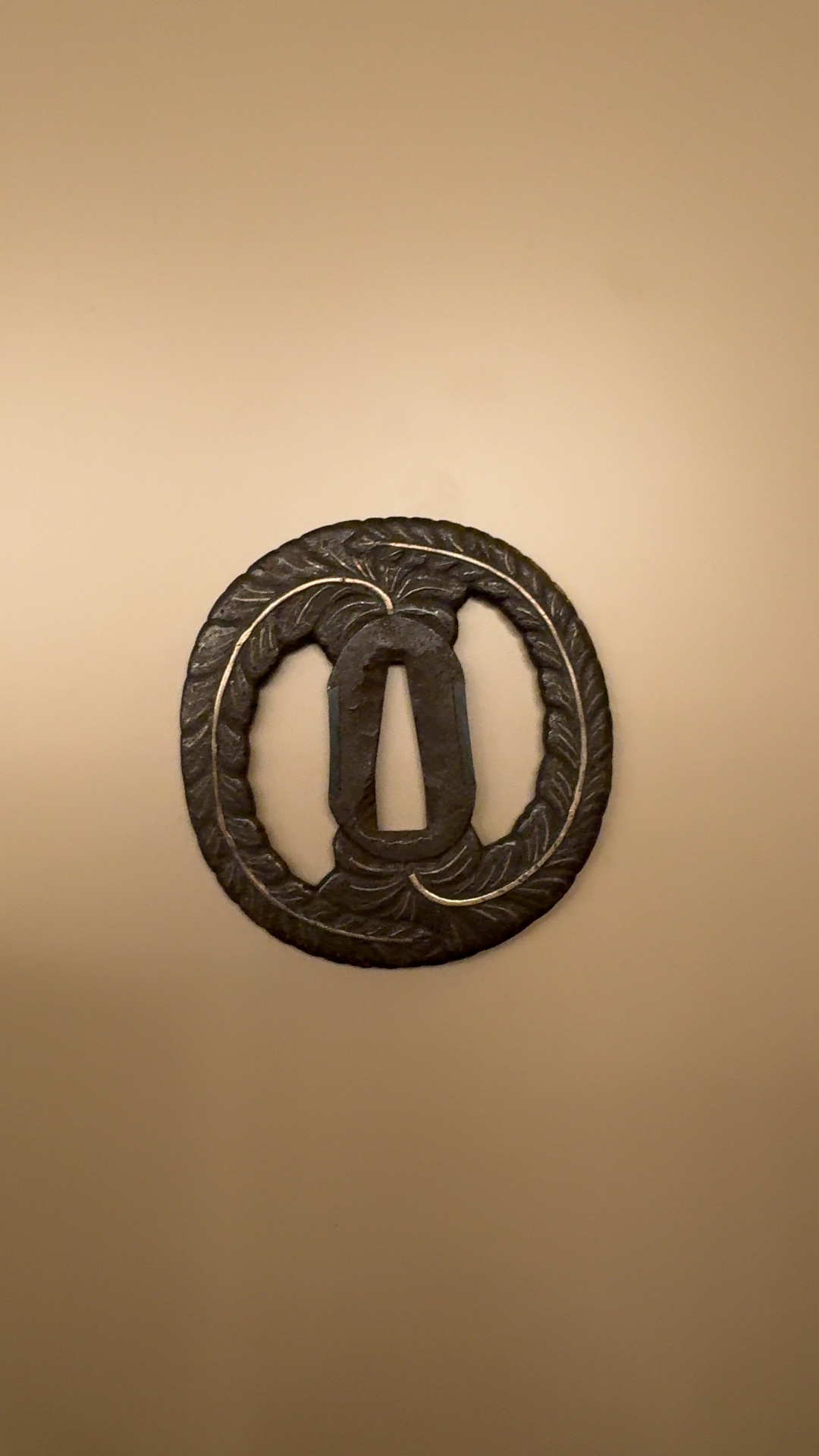

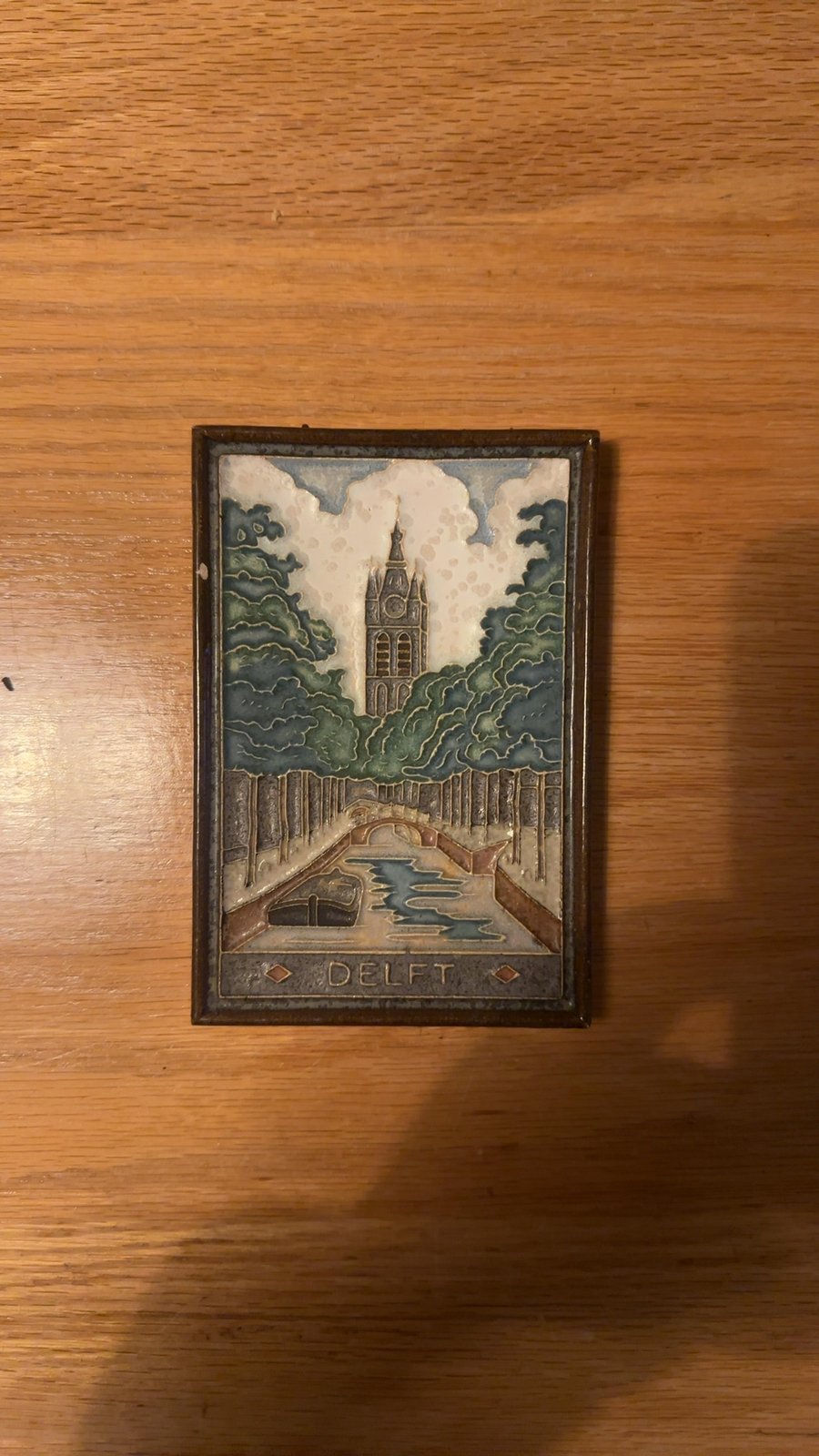
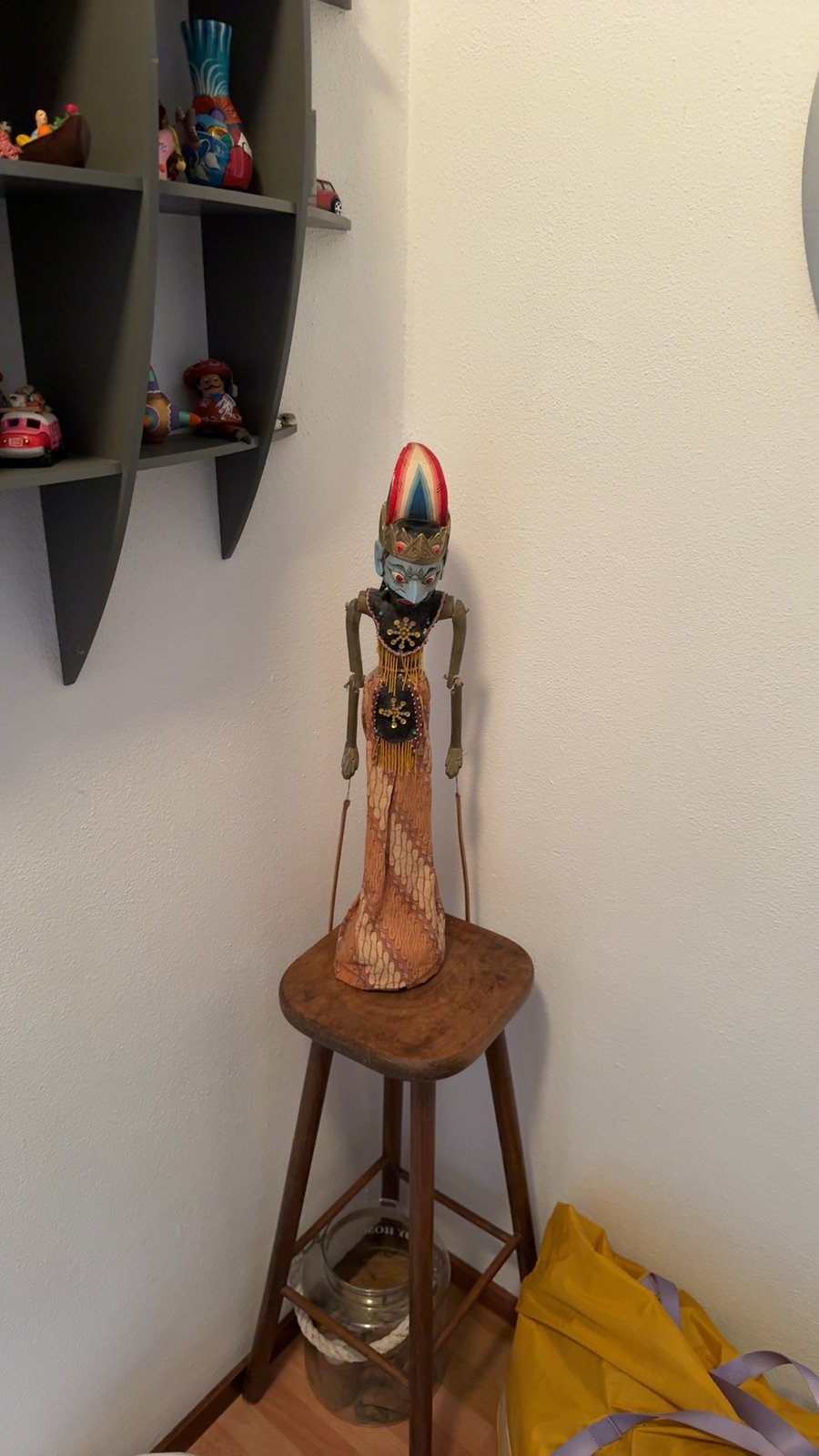
Page 41 of 42 (494 objects)
Popular brands in Antiques
Have an antiques to identify?
Try our Antique Identifier for expert-level analysis
Identifying and valuing objects of age
What this category includes
Antiques encompasses objects generally over 100 years old that hold historical, aesthetic, or cultural significance. This includes furniture from Georgian, Victorian, Edwardian, and earlier periods, silverware and Sheffield plate, ceramics and pottery, glass, metalwork, textiles, and household objects that predate the mass production era. Items range from elaborate court furniture to humble vernacular pieces, a hand-forged iron candle holder can be as historically significant as a gilded console table.
Read moreRead less
What makes antiques valuable
Age alone does not guarantee value, a common Victorian pressed glass goblet is worth far less than a rare 18th-century hand-blown example. Maker attribution transforms value: documented work by Thomas Chippendale, Paul de Lamerie, or Josiah Wedgwood commands enormous premiums. Rarity within a type matters, the first or last of a production run, unusual colorways, or atypical forms for a known maker all increase desirability. Condition is assessed relative to age: original surface, honest patina, and structural integrity are preferred over aggressive restoration. Provenance from documented estates, historic houses, or published collections adds confidence and value. Regional collecting traditions affect prices, English furniture is valued differently in London than in New York.
Popular subcategories
The most collected areas include Georgian and Regency furniture, Victorian silver and silverplate, early English and Continental ceramics, antique jewelry and mourning pieces, and scientific instruments from the Age of Enlightenment. Country and folk antiques, painted furniture, tinware, folk pottery, have a dedicated following. Early American furniture and decorative arts remain strong in the US market. Asian antiques, particularly Chinese export porcelain and Japanese lacquerware, bridge into the Asian art category. Clock collecting spans from 17th-century longcase examples to Art Nouveau mantel clocks.