What are the most collectible antique scientific instruments?
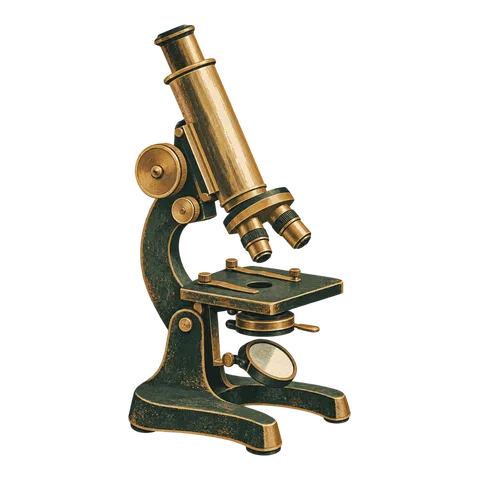
Brass telescopes by English makers like Dollond, Ramsden, and Troughton (18th to 19th century) sell for 2,000 to 30,000 dollars. Compound microscopes by Zeiss, Leitz, and Ross in original mahogany cases command 1,000 to 15,000 dollars. Astrolabes are the highest-value instruments, with Islamic examples from the 10th to 14th centuries selling for 100,000 to over 5 million dollars at auction. Sextants and octants by Spencer Browning, Troughton & Simms, and Heath & Co sell for 500 to 5,000 dollars. Orreries (mechanical solar system models) in working condition range from 5,000 to over 100,000 dollars for elaborate multi-planet examples by noted makers.
Are medical and surgical antiques ethical to collect?
Yes, medical antiques have a well-established collecting community and serve important purposes in documenting the history of medicine. Museums including the Mütter Museum in Philadelphia and the Hunterian Museum in London actively collect and display surgical instruments, anatomical models, and medical devices. Ethical concerns arise primarily around human remains (anatomical specimens, medical skeletons), which are subject to increasingly strict regulations. The market distinguishes between instruments (universally accepted) and specimens (legally and ethically complex). Vintage surgical sets from the Civil War era sell for 2,000 to 15,000 dollars. Apothecary jars and pharmaceutical equipment are a popular entry point at 50 to 500 dollars each.
What drives the value of antique globes?
Four factors determine globe value: maker, date, size, and condition. Globes by Coronelli (17th century), Blaeu (17th century), and Cary (18th to 19th century) are among the most sought-after. Pre-1700 globes are extremely rare, with surviving examples typically selling for 50,000 to over 1 million dollars. 19th-century table globes by W. & A.K. Johnston, Gilman Joslin, or Rand McNally sell for 1,000 to 10,000 dollars. Condition assessment focuses on the printed gores (paper segments): foxing, lacquer yellowing, and missing paper reduce value significantly. Celestial globes are rarer and generally more valuable than terrestrial globes of the same era and maker. Original stands and meridian rings are essential for full value.
What is a Wunderkammer and why are collectors recreating them?
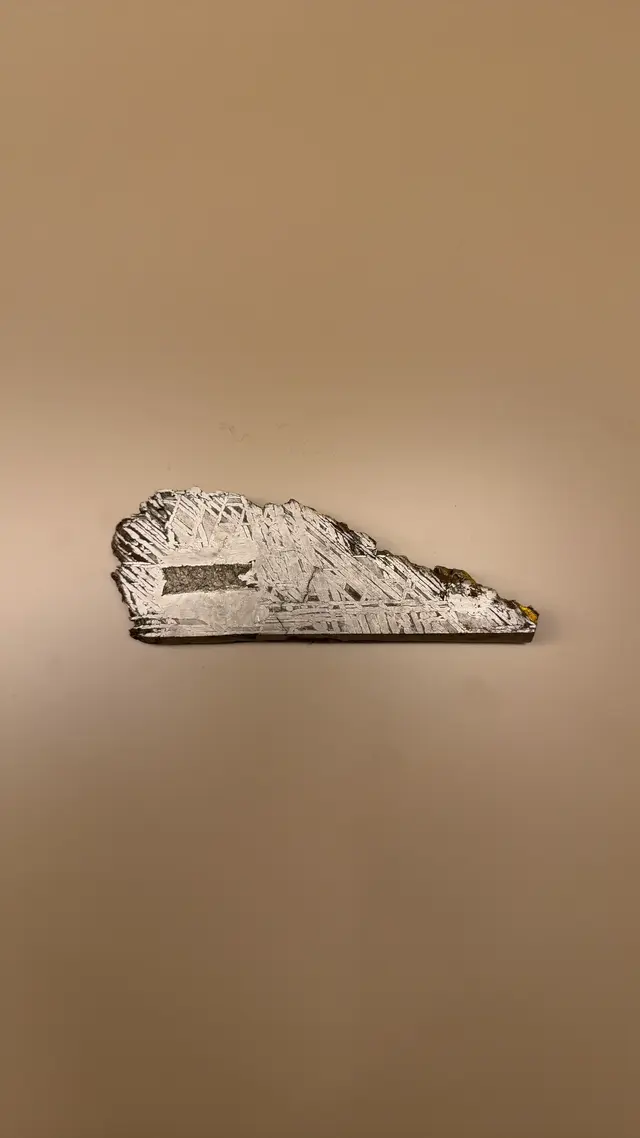
A Wunderkammer (cabinet of curiosities) was a Renaissance-era room or cabinet containing objects that represented the full spectrum of knowledge: naturalia (natural specimens), artificialia (man-made objects), and scientifica (scientific instruments). The tradition, which peaked from the 16th to 18th centuries, is experiencing a revival among collectors who curate themed displays combining natural history specimens, scientific instruments, rare books, and curiosities. Interior designers and collectors are paying premium prices for authentic cabinet pieces: a Victorian glass-domed taxidermy display sells for 500 to 5,000 dollars, while complete period cabinets of curiosity have sold at auction for over 50,000 dollars.
How do I start collecting vintage calculators and early computing devices?
The most piece is the Curta calculator, a cylindrical mechanical marvel designed by Curt Herzstark in a Nazi concentration camp and produced in Liechtenstein from 1948 to 1972. Type I models sell for 1,000 to 2,000 dollars; the larger Type II for 1,500 to 3,000 dollars. Slide rules by Faber-Castell and Keuffel & Esser are accessible at 20 to 200 dollars, with rare models reaching 1,000 dollars. Early electronic calculators (HP-35 from 1972, HP-65 programmable) sell for 200 to 1,500 dollars. For serious collectors, the Enigma machine represents the pinnacle at 200,000 to 500,000 dollars. Start with a specific focus area rather than collecting broadly.
Are barometers and weather instruments still collected?
Barometers have a devoted collector community, particularly in England where the tradition runs deepest. Georgian stick barometers by makers like Negretti & Zambra, Daniel Quare, and John Patrick sell for 2,000 to 20,000 dollars. Banjo barometers (wheel barometers) from the Regency period in mahogany and rosewood cases are more accessible at 500 to 5,000 dollars. Aneroid barometers from the Victorian era start at 100 to 500 dollars. Key value factors: the maker's name on the dial plate, working condition of the mercury column or aneroid mechanism, case quality and original silvered register plates. Maritime barometers from ships (gimballed, with signed brass cases) appeal to both nautical and scientific instrument collectors.