
Bruno Ninaber van Eyben
Operating from his studio in Delft since 1985, this Dutch industrial designer transformed national currency and domestic objects through high-precision tactile minimalism. He achieved global recognition in 1979 as the recipient of the Kho Liang Ie Prize and later secured his place in numismatic history by designing the Dutch side of the first Euro coins in 1999.
Explore 2 objects2 objects
1–2 of 2 objectsPage 1 of 1
About Bruno Ninaber van Eyben
On this page
Works in the archive
2
Main category on this page
Rare Coins & Currency
Highest rarity on this page
Uncommon
Collectors on this page
1
Latest addition on this page
Jan 2026
Three decades of Dutch numismatic and industrial design precision
Dutch Euro Coinage (First Series)
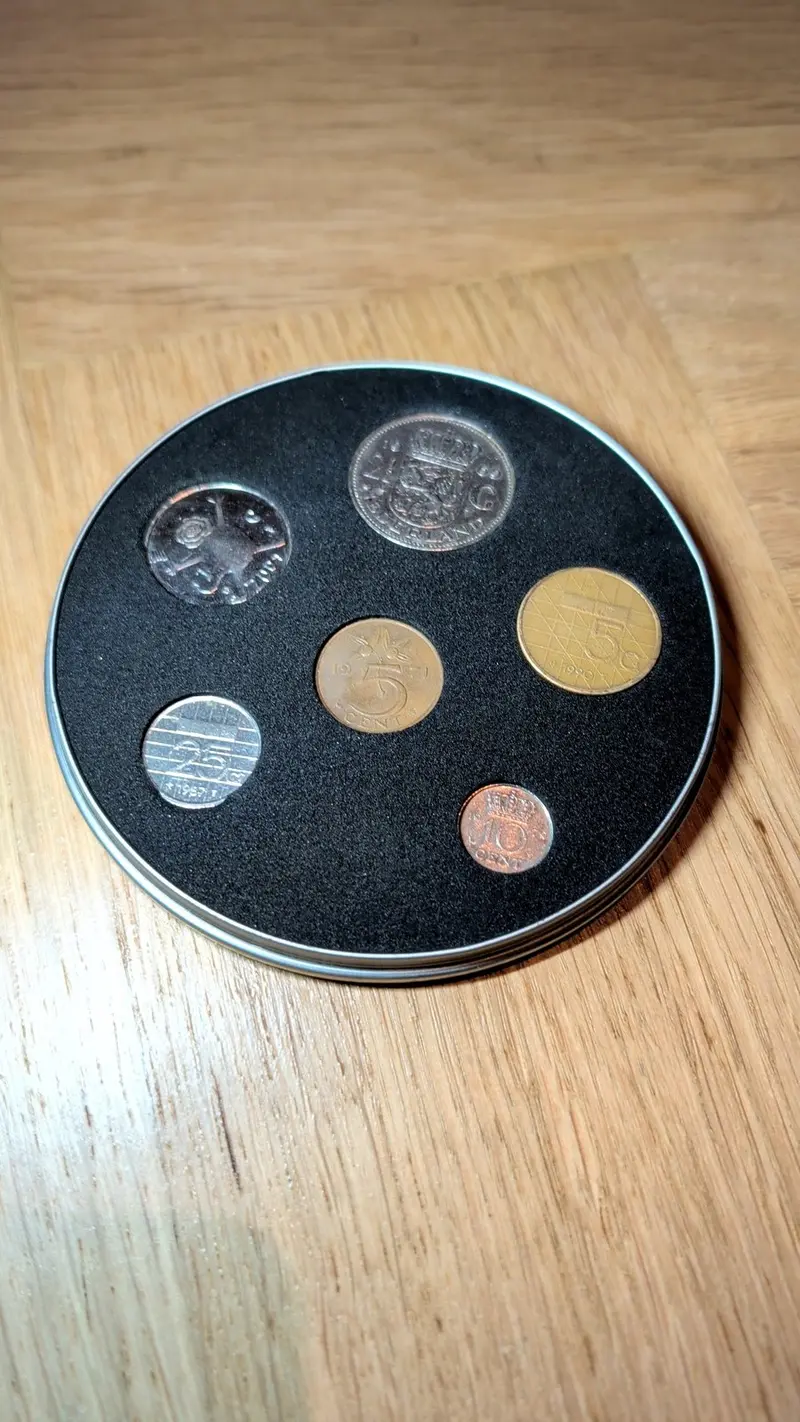
Ninaber designed the national side of Dutch Euro coins featuring Queen Beatrix, which remained the standard circulation set from 1999 until the accession of King Willem-Alexander in 2013.
Show 3 moreShow less
Table Clock (1976)
Launched at his own studio in 1976, this 10-centimeter diameter black anodized aluminum clock utilized a single O-ring for assembly and is currently held in the Museum of Modern Art permanent collection.
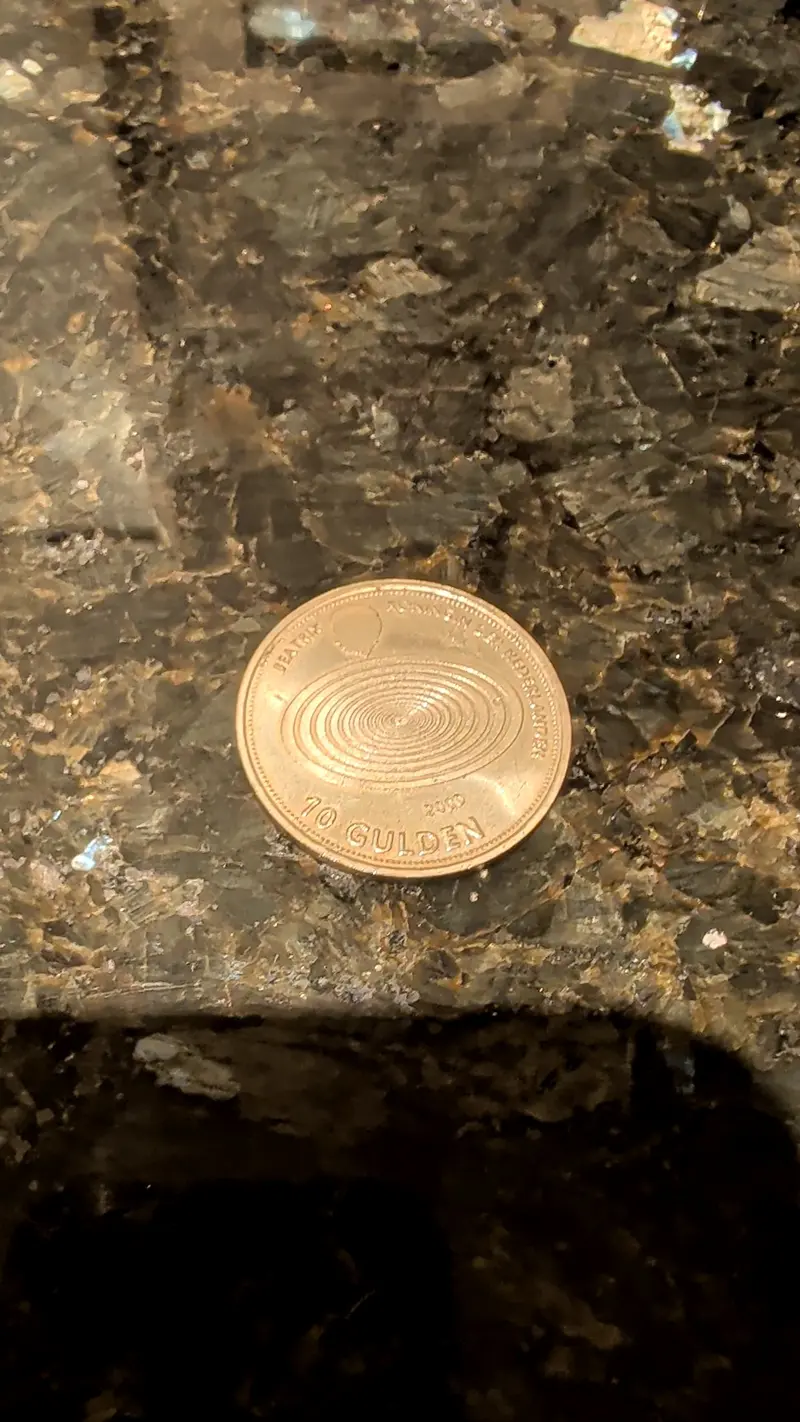
1999 Netherlands 10 Gulden 'Euro-Transition' Silver Coin
Designed in 1998, this silver coin marked the transition to the Euro and features a distinct grid pattern of 10-cent pieces; examples currently trade on the secondary market for approximately €25 to €40 depending on grade.
The Ninaber Watch (1984)
Ninaber designed this 38-millimeter diameter watch in 1984, featuring a unique hinge system that allowed the face to tilt toward the wearer's line of sight.