
Kutani
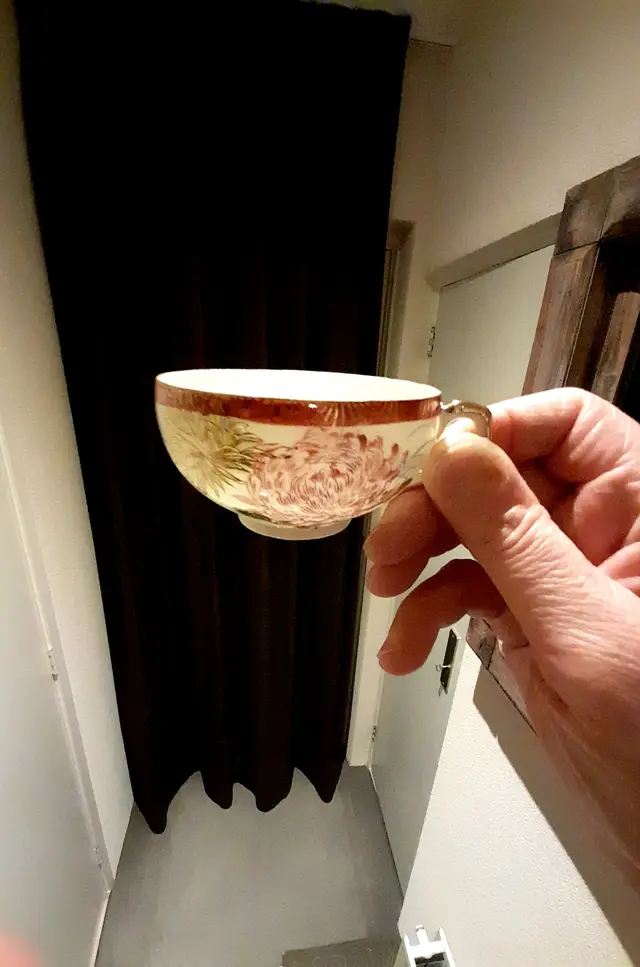
Originating in the Kaga Province of Japan during the 1650s, this ceramic style employs a specific five-color palette of green, yellow, red, purple, and navy. Collectors focus on the distinction between the bold Ko-Kutani era and the 19th-century revival, where pieces like a 17th-century Ao-Kutani dish reached 12.5 million yen at auction in Tokyo.
Explore 5 objects5 objects
1–5 of 5 objectsPage 1 of 1
About Kutani
On this page
Items
5
Main category on this page
Ceramics & Pottery
Highest rarity on this page
Rare
Collectors on this page
3
Estimates on this page
$15 - $450
Five centuries of kiln-fired innovation from Ishikawa Prefecture
Ko-Kutani Aote (Green) Ware Large Plates
Produced in the mid-17th century, these large plates utilized heavy pigments in purple, green, and yellow, with a 15-inch charger selling at Christie’s in 2021 for approximately $25,000.
Show 2 moreShow less
Kotani Shoza Enameled Vases
Shoza established the Shoza-style in 1841, combining gold leaf with polychrome enamels to create dense botanical and figural scenes that defined the late Edo and early Meiji export market.
Lithophane Tea Sets (Showa Era)
These Meiji-era porcelain sets feature a hidden geisha portrait visible only when held to light, with 1940s examples regularly surfacing in the $150 to $300 price range.