How do I know if a fossil is genuine and not a composite?
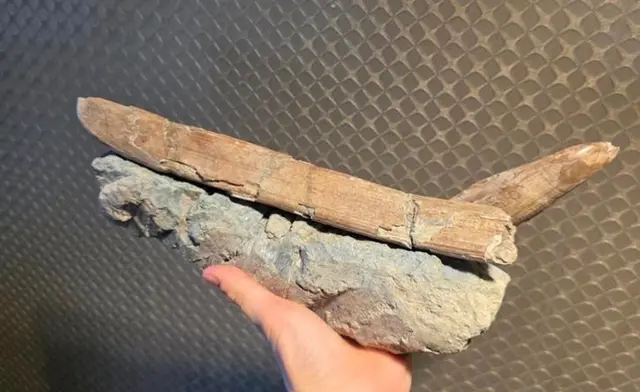
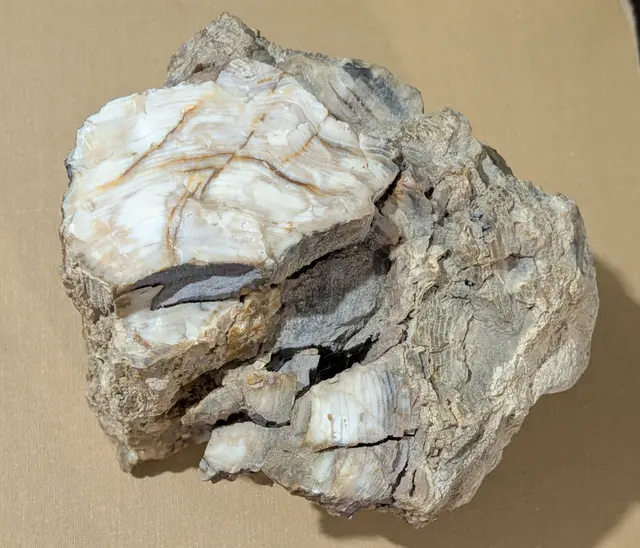
Composite fossils (assembled from bones of multiple individuals or species) are common in the commercial market, particularly for dinosaurs. Legitimate composites are disclosed and priced accordingly. Fakes using carved bone, resin, or plaster are also widespread. Detection methods include examining the matrix (surrounding rock) for consistency, checking bone texture under magnification (genuine fossil bone has a distinctive cellular structure), and looking for color and density mismatches between different parts. UV light can reveal repairs and additions (different materials fluoresce differently). For significant purchases above 5,000 dollars, obtain a professional assessment from a paleontologist or use a CT scan to examine internal structure. Reputable dealers provide detailed composition disclosures and money-back guarantees.
What dinosaur fossils can private collectors legally own?
In the United States, fossils collected from private land with the landowner's permission are legal to own, buy, and sell. Fossils from federal land are illegal to collect commercially (Paleontological Resources Preservation Act, 2009). State laws vary. Internationally, many countries (China, Mongolia, Brazil, Argentina, Morocco) restrict or prohibit export of significant fossils. Customs enforcement has increased since the high-profile repatriation of a Tarbosaurus skeleton to Mongolia in 2013. The most commonly available legal dinosaur fossils include teeth (Spinosaurus teeth from Morocco at 20 to 500 dollars), claws (Raptor claws at 50 to 1,000 dollars), and individual bones. Complete skeletons from private US ranches can reach millions at auction.
What are the most collectible trilobite species?
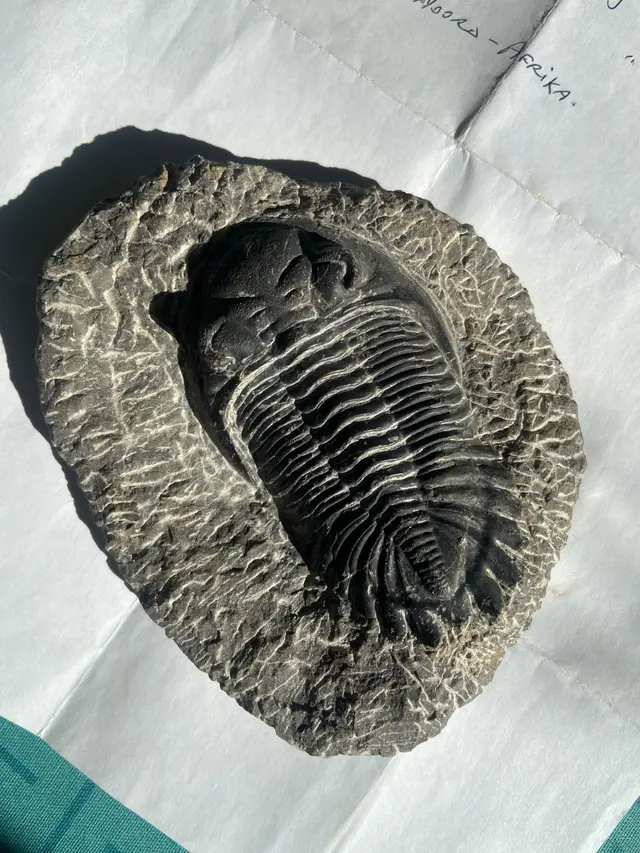
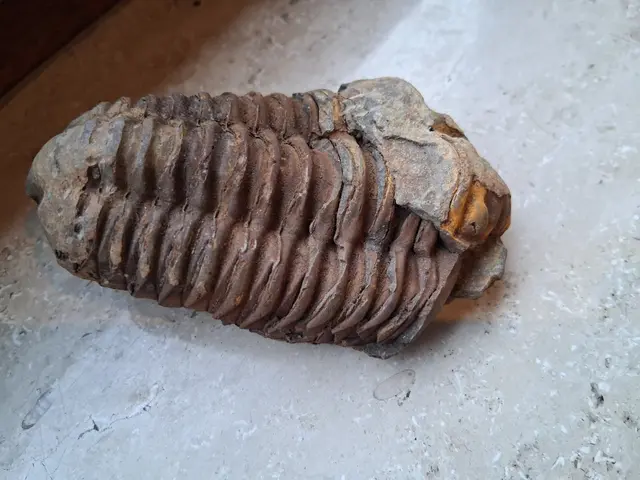
Moroccan trilobites dominate the commercial market due to prolific collecting operations. Walliserops trifurcatus (the 'trident trilobite,' with a dramatic three-pronged head process) sells for 1,000 to 10,000 dollars depending on preparation quality and size. Dicranurus monstrosus, with elaborate spine projections, commands 2,000 to 15,000 dollars. Russian trilobites from the Ordovician period (Asaphus kowalewskii with tall eye stalks) sell for 200 to 2,000 dollars. American Elrathia kingi from the Wheeler Formation in Utah is the most common trilobite at 5 to 30 dollars, making it the ideal starter fossil. Preparation quality dramatically affects value: a well-prepared specimen can be worth 5 to 10 times more than a poorly prepared one from the same quarry.
How much do Megalodon teeth sell for?
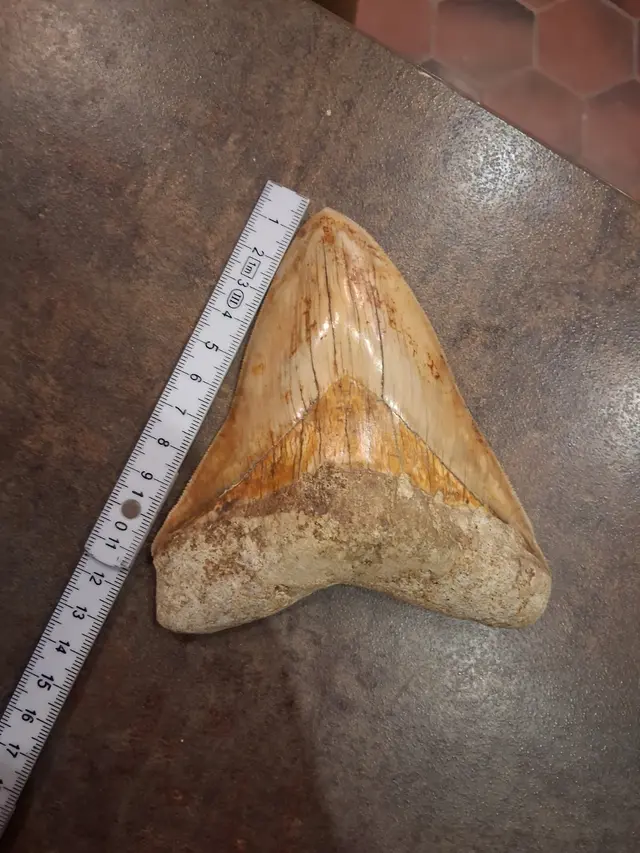
Megalodon (Otodus megalodon) teeth are among the most popular fossils due to their impressive size and relative abundance. Value is determined primarily by size, condition, and color. Common teeth (3 to 4 inches) in average condition sell for 20 to 75 dollars. Large teeth (5 to 6 inches) with intact serrations and good color sell for 200 to 1,500 dollars. Exceptional specimens over 6 inches with perfect serrations, rich color, and complete root can reach 3,000 to 10,000 dollars. The largest known Megalodon teeth exceed 7 inches and are museum-quality specimens. Color varies by locality: South Carolina river teeth tend to be black or gray, while Indonesian teeth are often brown or gold. Restoration (reattached tips, added serrations) should be disclosed and reduces value by 30 to 60 percent.
What is the legal situation for collecting amber with inclusions?
Baltic amber (sourced primarily from Russia, Poland, and Lithuania) is legal to collect and trade worldwide. Dominican amber is legal with proper export documentation. Burmese (Myanmar) amber has become ethically controversial due to the ongoing civil conflict and concerns that amber mining funds military operations. Major academic journals including Nature and Science have implemented policies restricting publication of research on Burmese amber acquired after 2017. The collector market has responded with reduced prices for post-2017 Burmese amber. For all amber, authentication is important: synthetic amber (copal resin, glass, and plastic fakes) can be detected through density testing (genuine amber floats in salt water), hot needle testing (amber produces a pine-resin scent), and UV fluorescence.
How should I display and store fossil specimens?
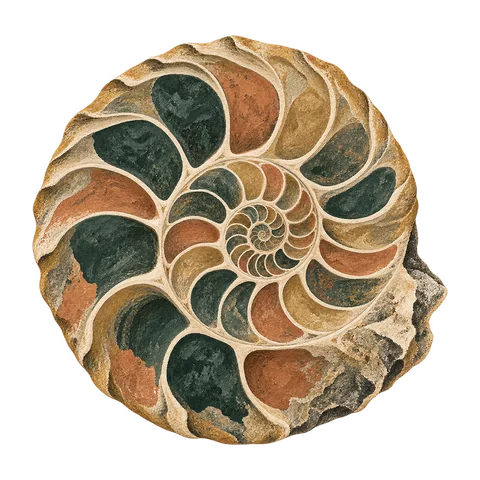
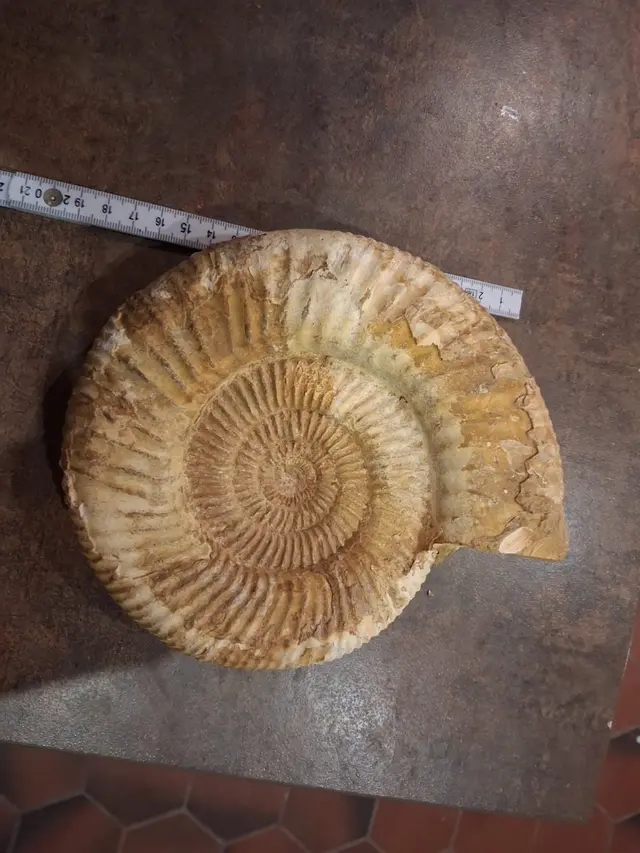
Fossils are surprisingly fragile despite their age. Display away from direct sunlight (UV can cause mineral surfaces to darken or lighten over time). Use museum wax or custom acrylic stands to secure specimens against falls. For pyritized fossils (ammonites and brachiopods preserved in iron pyrite), maintain low humidity below 50 percent to prevent 'pyrite disease,' where the mineral oxidizes and crumbles. Sealed display cases with silica gel packets help control moisture. Never clean fossils with water unless you are certain the matrix is stable, as some shales and clays expand and crack when wet. For valuable specimens, professional preparation and conservation by trained preparators ensures long-term stability. Museum-quality specimen mounts cost 50 to 500 dollars and dramatically improve display presentation.