The Cyclist (Fietsster), Cast Bronze Sculpture on a Plinth
Estimated value
$4,000 - $8,500Rarity
Rare(7/10)Category
ArtEra
Late 20th century (c. 1980-2000)Origin
NetherlandsAuthenticity
THE CYCLIST (FIETSSTER), CAST BRONZE SCULPTURE ON A PLINTH: IDENTIFICATION
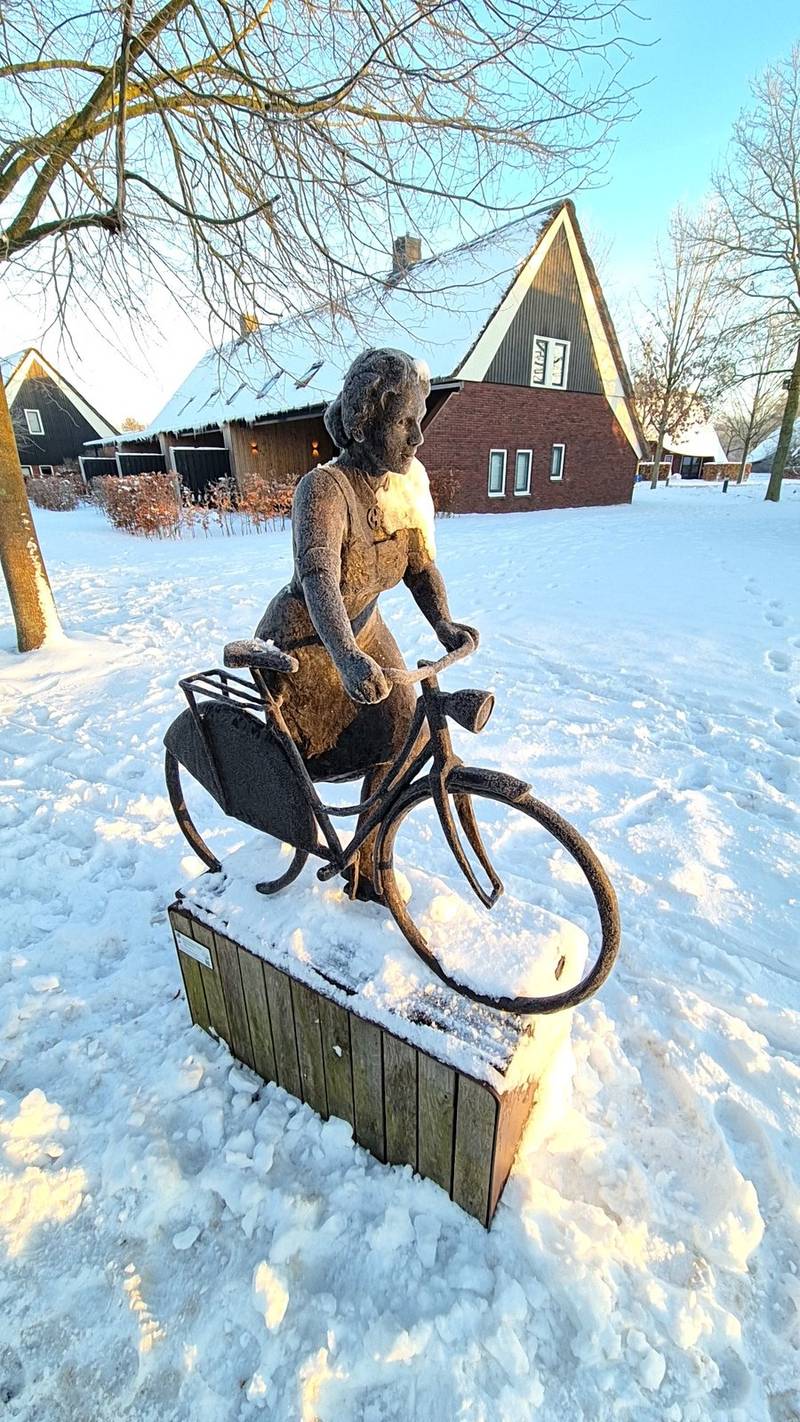
Life-sized cast bronze figural sculpture depicting a mid-20th-century woman in a dress and heels riding a traditional Dutch utility bicycle (omafiets). The figure is captured in a dynamic yet poised forward-leaning position. The casting shows a granular, textured finish typical of sand-casting or lost-wax processes intended for outdoor display. The bicycle features a rear rack, mudguards, and a prominent front headlight, all rendered with heavy, rounded volumes. It is mounted on a rectangular wooden-slatted plinth with a visible identification plaque on the side.
CROSS-CULTURAL PARALLELS
Where This Object Echoes
The 'Omafiets' (Grandmother bike) design is a National cultural symbol of the Netherlands, representing utilitarian egalitarianism.
Ritual & Ceremonial Use
- •Commemorative public installations often serve as photo-op landmarks for regional tourism and local identity markers.
Meaning Through Time
Cycling as a necessary, everyday mode of transport for all social classes.
A nostalgic symbol of sustainable living and 'Slow Travel' heritage.
SCARCITY
Exceptional items that serious collectors actively seek. Only a handful appear at major auctions each year.
Typical Characteristics
- Few examples at auction yearly
- Specialist dealer networks
- Strong collector competition
Confidence Factors
- Permanent public installation with visible museum-style identification plaque
- Material and construction are consistent with professional 20th-century Dutch public art standards
THE ART SPECIALIST'S TAKE
Museum-Trained Art Historian
The item is a well-documented public sculpture in a known location (Giethoorn), and the material characteristics of the bronze and the style of the base are definitive for this category.
KEY EVIDENCE
- 1Identification plaque visible on the plinth identifies it as a registered public work.
- 2Proportions and garment details (mid-calf skirt, structured hair) are consistent with post-WWII European life.
- 3The material shows characteristic copper-carbonate oxidation (greenish tint appearing in recesses) typical of outdoor bronze.
UNCERTAINTIES
- •Wooden base weathering suggests the foundation may need replacement within 5-10 years to ensure weight safety.
WHAT WOULD IMPROVE CERTAINTY
- →Transcription of the identification plaque to confirm the specific artist and dedication date.
- →Physical inspection of the base of the bronze for a foundry mark or artist's signature incised in the metal.
CONDITION & GRADE
Grading breakdown
The bronze itself is structurally sound with no visible fractures, though the patina has naturally weathered. The wooden base shows moisture-related degradation typical of direct ground contact.
Condition
Moderate surface oxidation and environmental staining consistent with permanent outdoor installation; the wooden plinth shows moss growth and weathering on the lower slats.
ART MARKET VALUATION
Updated: May 11, 2026
Similar life-sized bronze figural works from the late 20th century by regional artists have achieved $5,000-$10,000 at specialized European sculpture auctions.
Who buys this
Municipalities, regional art foundations, or private collectors specializing in large-scale garden statuary and Dutch heritage.
What increases value
- •Life-sized scale
- •Figurative subject matter with broad cultural appeal
- •Professional foundry quality
What lowers value
- •High cost of removal and transport for a private buyer
- •Degradation of the wooden plinth affecting perceived value
What makes top-tier examples
- •Confirmed signature from a known regional sculptor
- •Excellent state of the original chemical patina
Grade & condition
Integrity of the casting, depth of the patina, and condition of the mounting points.
Rarity & demand
For informational purposes only, not a formal appraisal.
SHARE THIS CURIOSITY
Have your own curiosities to discover?
Scan Your Curiosity
COMMENTS