What makes a first edition valuable, and how do I identify one?
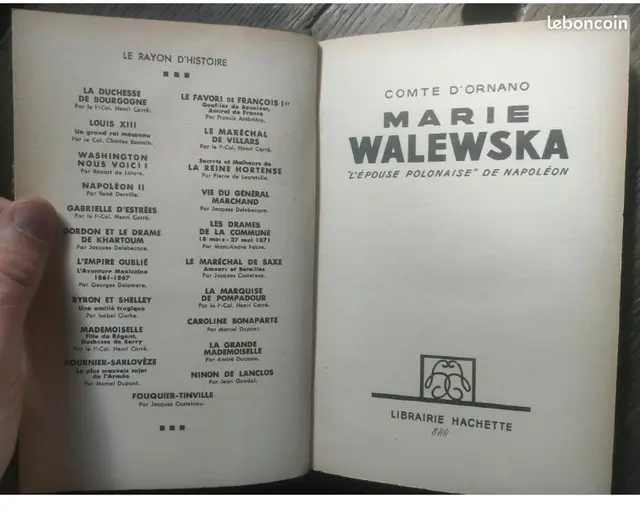
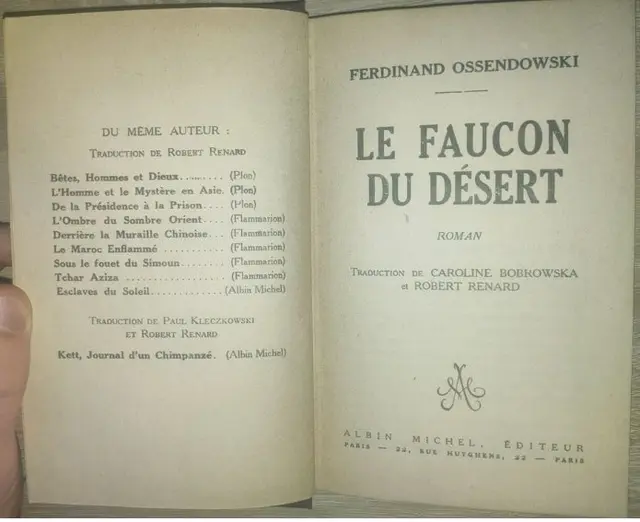
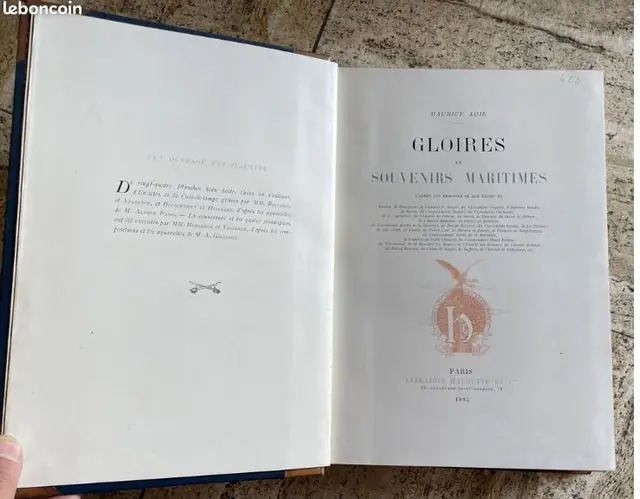
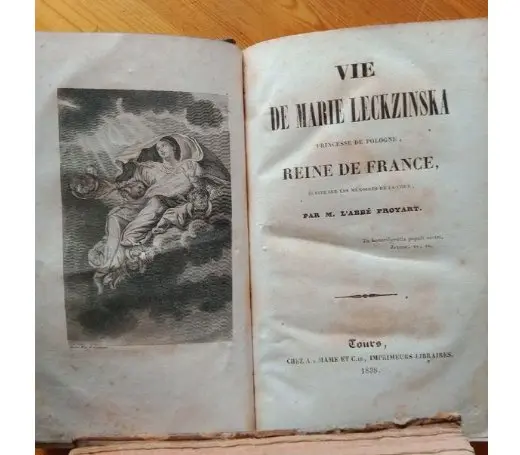
A first edition, first printing is the initial commercial publication of a text. Identification varies by publisher: Random House states 'First Edition' on the copyright page; Scribner's uses an 'A' on the copyright page; modern publishers often use a number line where '1' confirms first printing. For older books, bibliographic points (specific textual errors, binding variants, or page configurations documented in reference works) distinguish first printings. Value depends on the book's cultural significance, print run size, and survival rate. A first printing of 'To Kill a Mockingbird' (1960, Lippincott) in dust jacket sells for 30,000 to over 50,000 dollars. Without the jacket, the same book brings 1,000 to 3,000 dollars.
How much does a dust jacket affect a book's value?
For 20th-century first editions, the dust jacket typically accounts for 60 to 90 percent of the total value. A first edition of 'The Great Gatsby' (1925) without jacket is worth approximately 5,000 to 8,000 dollars; with an intact first-issue jacket, the same book has sold for over 400,000 dollars. This disparity exists because jackets were treated as disposable wrapping and survival rates are extremely low. Jacket condition is graded separately from the book: chips, tears, fading, and price-clipping all reduce value. Facsimile (reproduction) jackets must be disclosed and add zero value.
Are modern first editions by living authors worth collecting?
Yes, but the strategy differs from collecting established classics. Focus on debut novels by authors who go on to win major prizes (Booker, Pulitzer, National Book Award). A first edition of Colson Whitehead's 'The Underground Railroad' (2016) was worth 15 to 25 dollars before the Pulitzer; it now sells for 400 to 800 dollars signed. Print runs have grown dramatically since the 1990s, so scarcity is harder to find. Advance reading copies (ARCs), signed copies, and limited editions offer better long-term potential. The Harry Potter series remains the benchmark: a first printing of 'Philosopher's Stone' (Bloomsbury, 1997, 500 copies) sells for 60,000 to over 100,000 pounds.
What are the most common mistakes when storing rare books?
Direct sunlight causes irreversible fading and brittleness. Upright storage without bookends allows boards to warp. Shelving too tightly prevents air circulation and damages bindings when pulled out. Rubber bands, adhesive tape, and paper clips cause permanent staining and tears. Acidic cardboard boxes yellow and deteriorate pages. Temperature fluctuations above 70 degrees Fahrenheit and humidity above 60 percent accelerate foxing and mold growth. The ideal environment is 60 to 65 degrees Fahrenheit at 30 to 40 percent relative humidity. Store books upright with similar-sized volumes, use acid-free archival boxes for fragile items, and never stack heavy books on top of each other.
How do I get a rare book appraised professionally?
The Antiquarian Booksellers' Association of America (ABAA) maintains a dealer directory searchable by specialty. Members adhere to a code of ethics and offer professional opinions. Formal written appraisals for insurance or estate purposes cost 75 to 200 dollars per item. For quick assessments, take clear photographs of the title page, copyright page, binding, and any dust jacket to your nearest ABAA dealer. Online resources for self-research include ViaLibri (aggregates dealer listings), AbeBooks (current asking prices), and Rare Book Hub (auction records going back decades). Never rely solely on online asking prices, which can be wildly inflated.
What are incunabula and why do they matter?
Incunabula are books printed using movable type before 1501, from the invention of the Gutenberg press around 1440 through the end of the 15th century. Approximately 30,000 editions were printed during this period, with an estimated 500,000 individual copies surviving in libraries and private collections worldwide. Their significance lies in representing the birth of mass communication. Common incunabula (religious texts, legal commentaries) can be purchased for 2,000 to 10,000 dollars, making them surprisingly accessible. Major works like the Gutenberg Bible or the Nuremberg Chronicle command millions. Condition and completeness vary enormously, and leaf counting against bibliographic references is essential for verification.