How do I verify the authenticity of a historical document?
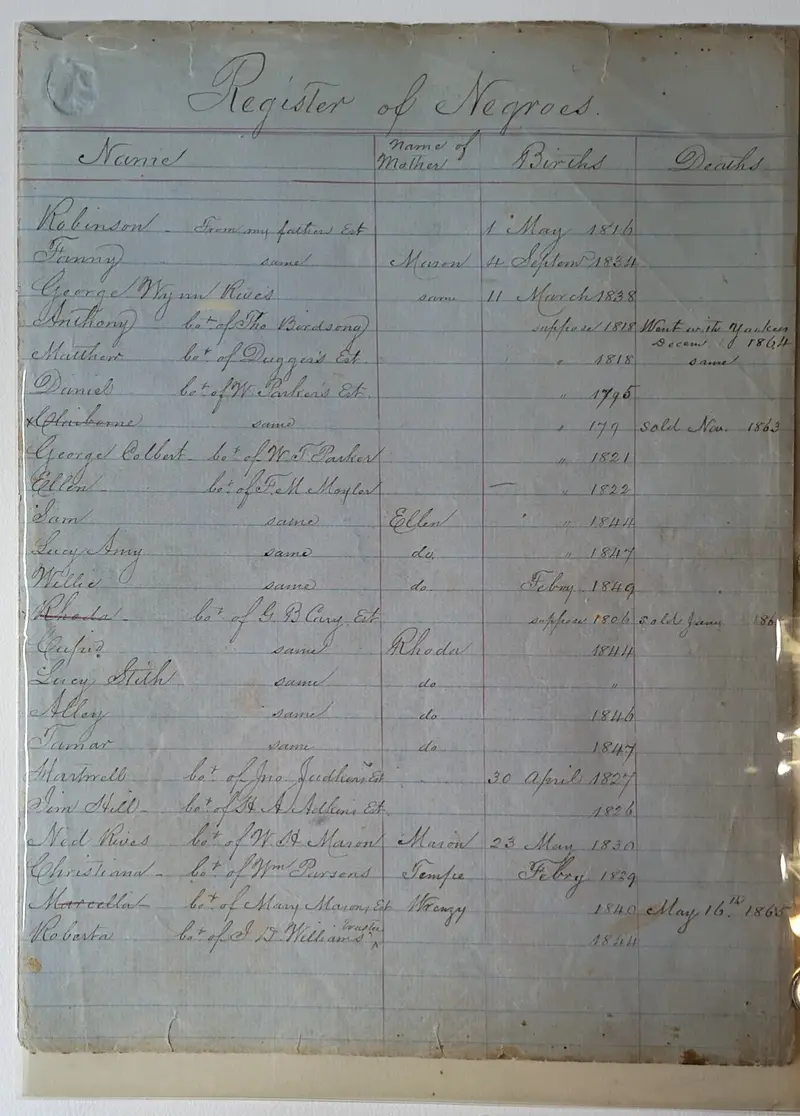
Authentication of historical documents combines handwriting analysis, paper and ink dating, and provenance verification. Professional authentication services (PSA/DNA for autographs, the Raab Collection, and James Spence Authentication) employ forensic document examiners. Key techniques include comparing letter formations against known exemplars, analyzing ink composition with X-ray fluorescence (XRF), and dating paper through fiber analysis and watermark identification. Thermoluminescence can date the clay in wax seals. Iron gall ink (used pre-1900) develops a characteristic brownish tone and slightly eats into paper over centuries, which is difficult to replicate. For presidential and significant historical documents, provenance chains through established dealers or auction houses provide additional confidence. Budget 100 to 500 dollars for professional authentication of documents valued above 1,000 dollars.
What Civil War artifacts are most collected?
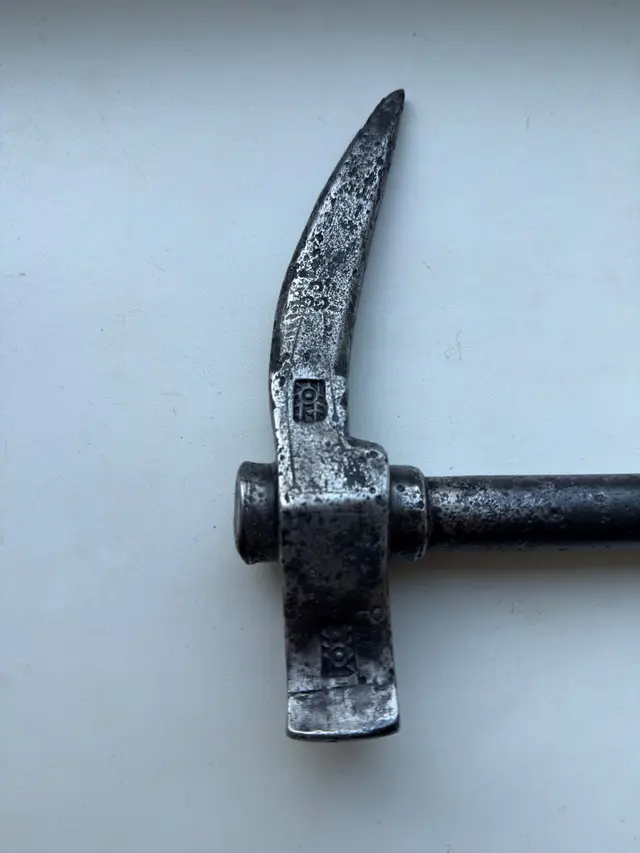
Bullets and artillery fragments are the most common (and affordable at 5 to 50 dollars) Civil War relics. Union and Confederate belt buckles command 200 to 5,000 dollars, with identified regimental buckles reaching 20,000 dollars. Accoutrements (cartridge boxes, cap pouches, bayonet scabbards) with maker markings sell for 200 to 3,000 dollars. Swords and edged weapons range from 500 to 50,000 dollars depending on type and provenance. Uniforms and kepi hats are rare and valuable at 2,000 to 50,000 dollars. Photographs, particularly tintypes and CDVs (cartes de visite) of identified soldiers, sell for 50 to 5,000 dollars. The most valuable Civil War artifacts have documented provenance to specific battles or identified individuals with verifiable service records.
Is collecting shipwreck salvage legal?
Shipwreck salvage legality is complex and varies by jurisdiction. Under admiralty law, salvors who locate wrecks in international waters may claim salvage rights through federal courts. The Abandoned Shipwreck Act (1987) gives US states ownership of historic wrecks in state waters. The UNESCO Convention on the Protection of the Underwater Cultural Heritage (2001) discourages commercial exploitation of underwater heritage. Coins and artifacts from documented, court-adjudicated salvage operations (like those from the SS Central America, Nuestra Señora de Atocha, and SS Republic) are legal to buy and sell with certificates of authenticity from the salvage company. Atocha silver coins sell for 1,000 to 10,000 dollars depending on denomination and condition. Provenance documentation from the salvage operation is essential for legal certainty.
What Titanic artifacts exist on the private market?
RMS Titanic Inc. (now Premier Exhibitions) holds the exclusive salvage rights to the Titanic wreck site under a 1994 federal court order. Their recovered artifacts cannot be sold individually but are exhibited as a collection. However, legitimate Titanic memorabilia exists on the private market: items that were not aboard the ship but relate to it (White Star Line china from other ships, construction documents, survivor correspondence), items that survivors carried off the ship (a few documented personal effects), and pre-sinking memorabilia (boarding passes, brochures, tickets). A Titanic deck chair, one of several recovered by the rescue ship Carpathia, sold for over 100,000 dollars. Buyer beware: forgeries are rampant, and provenance must be meticulously verified.
How do you assess the value of a presidential autograph?
Presidential autograph values vary dramatically by president, document type, and content. A simple signature (cut from a document or on a card) ranges from 500 dollars (modern presidents) to 25,000 dollars (Lincoln, Washington). Signed documents with substantive content command premiums: a Lincoln-signed military commission sells for 5,000 to 15,000 dollars, while a document with significant historical content can exceed 100,000 dollars. Letters in the president's own hand (as opposed to secretarial writing with a presidential signature) are most valuable. George Washington handwritten letters sell for 20,000 to over 1 million dollars depending on content. Autopens (mechanical signature devices used since Eisenhower) produce signatures with telltale uniformity and are worth significantly less than genuine hand-signed examples.
What space exploration artifacts can private collectors acquire?
The space memorabilia market has grown substantially since the early 2000s. Astronaut-signed photographs (authenticated by PSA or Zarelli Space Authentication) start at 100 to 500 dollars. Flown mission patches and personal items returned by astronauts sell for 1,000 to 50,000 dollars depending on the mission's significance. Apollo-era flown artifacts command the highest prices: a checklist page carried to the lunar surface sold for over 300,000 dollars. Soviet/Russian space artifacts are generally less expensive than American equivalents: a flown Vostok-era item can be found for 2,000 to 20,000 dollars. NASA surplus equipment (flight suits, headsets, training materials) is available through government surplus sales and specialized dealers. Heritage Auctions and RR Auction host dedicated space sales multiple times per year.