Get better appraisal results
A few simple techniques sharpen AI identification accuracy. Here's how to take a clear photo the model can read.
The 3-photo system
Three strategic photos give our AI complete information about your item.
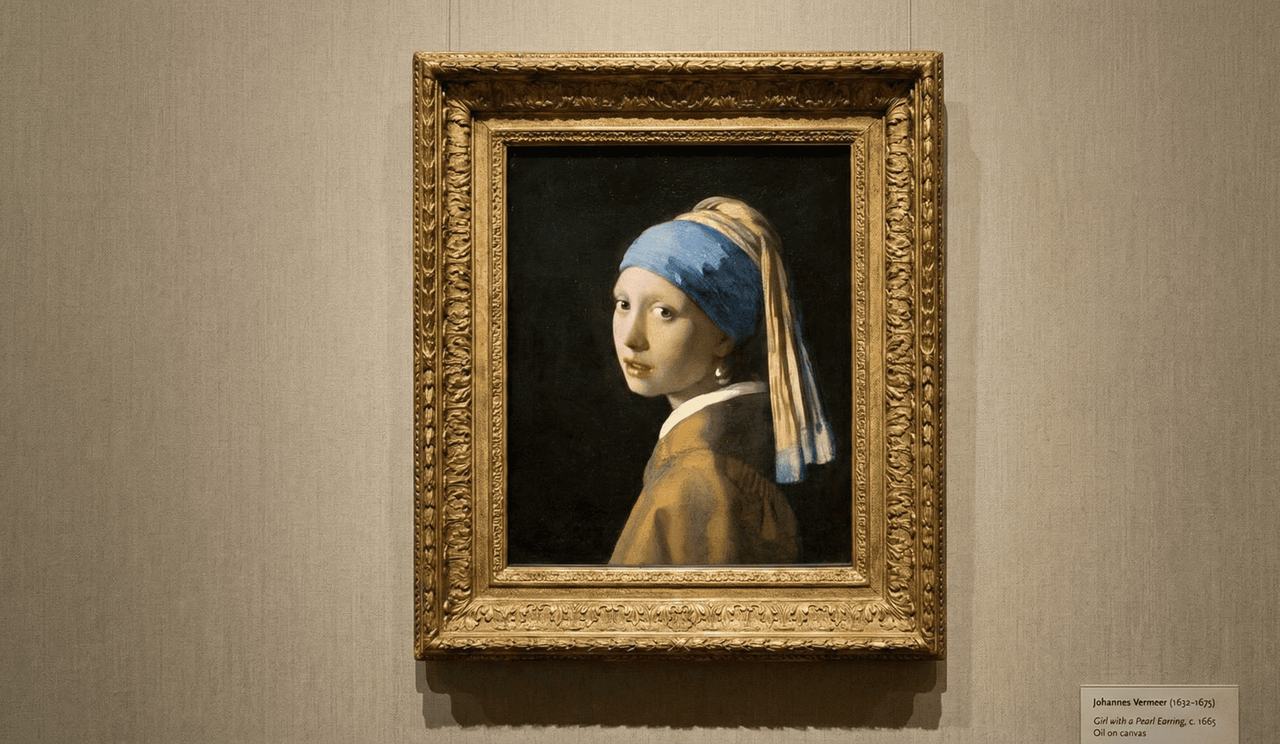
Full View
Capture the entire item in a single shot. Include any visible labels, stamps, or maker's marks. This gives the AI the overall shape, style, and proportions.
- Show the complete item
- Include any attached labels
- Capture distinctive silhouette
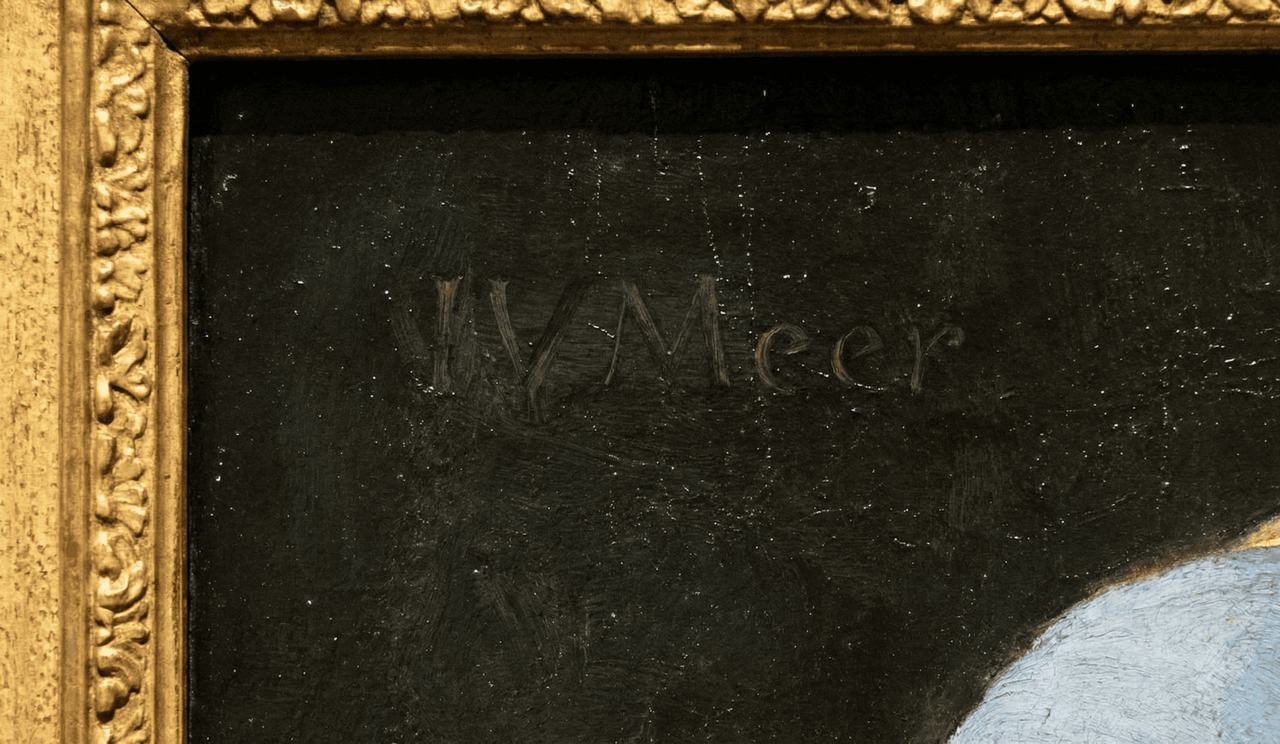
Details & Marks
Zoom in on signatures, stamps, hallmarks, labels, or engravings. These are often the key to identification and authenticity.
- Maker's marks and signatures
- Patent numbers or dates
- Labels and stickers
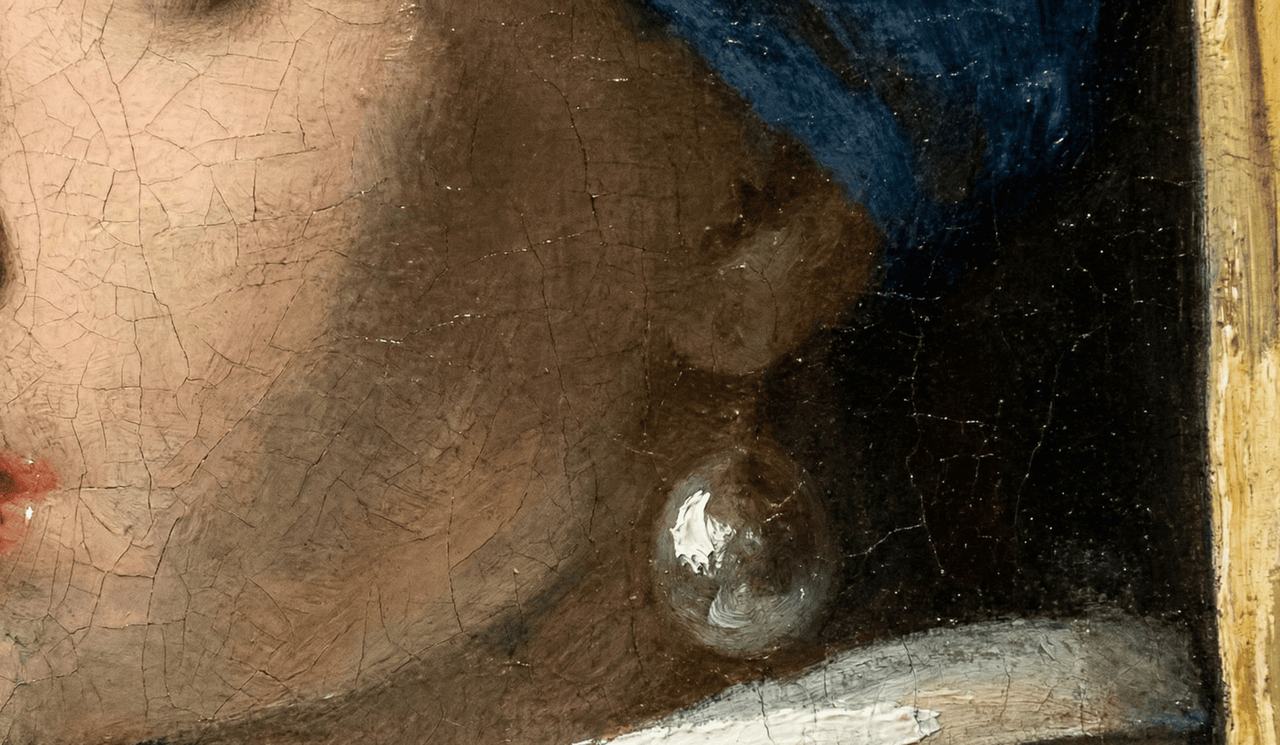
Close-up Texture
Show the surface texture, patina, grain, or unique wear patterns. This helps determine age, material, and authenticity.
- Surface texture and patina
- Wood grain or material details
- Signs of age or wear
6 essential tips
Follow these fundamentals to give our AI the best possible images to work with.
Use Natural Light
Photograph near a window. Daylight reveals true colors and details the AI uses for identification.
Clean Background
Use a plain surface (white paper, wood table). Cluttered backgrounds confuse the AI.
Capture 3 Angles
Full view, maker's marks, and texture close-up give the AI complete information.
Sharp Focus
Tap to focus on the item. Blurry photos miss critical details like text and patterns.
Show Scale
Include a coin or ruler for size reference when relevant (helpful for coins, figurines).
Add Context
Share what you know: origin, age, maker. Even partial info dramatically improves accuracy.
Trading cards: background rules
Grading a Pokemon, Yu-Gi-Oh!, Magic, or sports card needs a clear view of the edges and surface. Cards photographed in your hand or among other clutter cannot be graded reliably, so those scans are rejected.
- Lay the card flat on a plain surface (table, floor, sheet of paper).
- One card per photo, filling most of the frame.
- Even, indirect daylight — no harsh reflections on the sleeve.
- Hold the card between your fingers.
- Stack multiple cards or leave other cards in frame.
- Photograph against busy patterns, keyboards, food, or receipts.
- Upload a screenshot of an online listing.
Do vs don't
Common photography mistakes and how to avoid them.
Add context for better results
Photos are great, but adding what you know about the item can dramatically improve accuracy. Context like period and origin is especially valuable for authenticity analysis.
All context fields are optional. Even uncertain guesses help narrow down identification. The AI weighs your input alongside visual analysis.
Knowing the maker helps verify authenticity and dramatically narrows identification possibilities.
Critical for printed items like cards, books, and documents. Helps identify regional variations.
Helps narrow down styles, manufacturing methods, and materials used in different eras.
Affects value estimation significantly. Note any damage, repairs, or restoration.
Provenance, family history, or purchase location can provide crucial identification clues.
Provenance details improve gap detection accuracyCommon questions
How many photos should I take?
We recommend 3 photos: a full view, a close-up of any marks or signatures, and a texture/detail shot. This gives our AI the best chance of accurate identification.
Does the background really matter?
Yes! A cluttered background can confuse the AI into identifying wrong objects. A plain, neutral surface (white paper, wood table) helps the AI focus on your item.
Why is natural light so important?
Natural daylight reveals true colors and surface details that flash photography can wash out. It helps the AI accurately assess materials, patina, and age.
What if I don't know anything about the item?
That's perfectly fine! The AI can work with just photos. However, any context you can provide, even uncertain guesses, helps narrow down the possibilities.
Explore related tools
Other capabilities that connect to this workflow.
Fake detection & recognition
AI-assisted authenticity analysis identifying reproductions, forgeries, and misattributed objects.
Learn moreIs it real?
Quick authenticity checks for art, antiques, and collectibles using AI visual analysis.
Learn moreArt & object appraisal
Structured identification, rarity scoring, and valuation context for art, antiques, and collectibles.
Learn moreReady to scan?
Apply these tips and get the best possible AI analysis for your curiosities.