At what age does an object officially become an antique?
The traditional definition is 100 years old, used by US Customs for duty-free import classification under the Harmonized Tariff Schedule. The UK uses the same threshold. However, the market is more flexible. 'Vintage' typically describes items 20 to 99 years old. Some auction categories like 'modern antiques' cover post-1920 items of significance. The 100-year rule matters most for import duties and legal classification. For collecting purposes, an object's value depends on quality, rarity, condition, and demand rather than a strict age cutoff.
How do I distinguish between original patina and artificial aging?
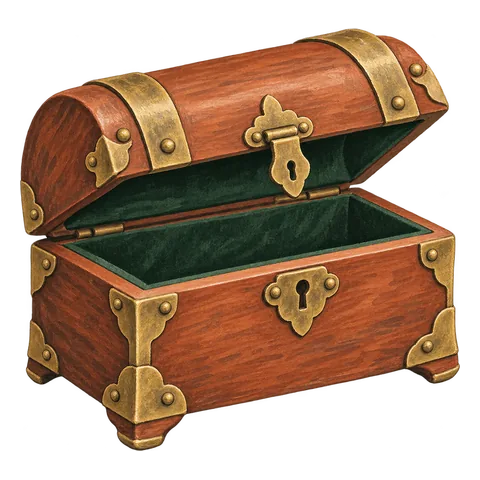
Original patina develops unevenly, concentrating in crevices, joints, and areas of frequent handling while wearing from exposed surfaces. Artificial aging tends to be uniform and applied to surfaces that would not naturally show wear. On wood, genuine patina creates a depth of color that cannot be replicated by stain alone, and natural wear follows usage patterns (drawer runners, chair arms, table edges). On metal, authentic oxidation has multiple color layers visible under magnification. On brass, natural aging turns greenish-brown in sheltered areas while remaining brighter where handled. Chemical aging with ammonia or vinegar creates a flat, chalky surface that feels different to the touch.
What are the most faked categories of antiques?
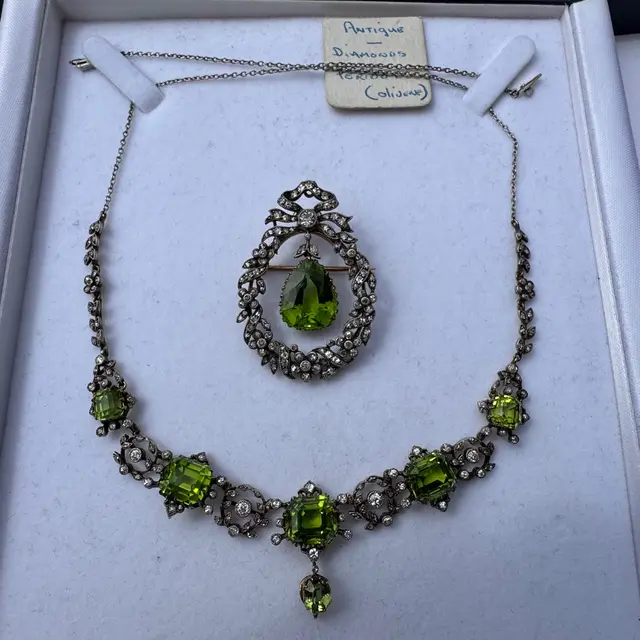
Furniture leads the fakes market, particularly 'marriages' combining parts from different periods or adding period elements to later pieces. Chippendale-style chairs are heavily reproduced. Chinese antiques face endemic faking, especially jade, bronzes, and ceramics where sophisticated workshops in Jingdezhen produce pieces that fool even experienced dealers. Scrimshaw (carved whale ivory) has been faked since the 1960s using resin and bovine bone. Silver marks are forged, particularly on flatware. The safest protection is buying from reputable dealers who offer money-back guarantees, obtaining independent appraisals for significant purchases, and developing your own eye through handling genuine examples.
Is the antiques market declining overall?
The market has undergone structural change rather than simple decline. The brown furniture category (Victorian and Edwardian mahogany and oak) has lost roughly 60 to 70 percent of its 1990s value. However, select areas have strengthened: early American furniture in original paint, Continental European court furniture, and Asian antiques have maintained or grown their markets. The average buyer age has decreased as interior designers and younger collectors rediscover antiques as sustainable alternatives to mass-produced furniture. Online auction platforms have expanded the buyer base geographically while compressing margins for dealers.
How important is provenance documentation for antiques?
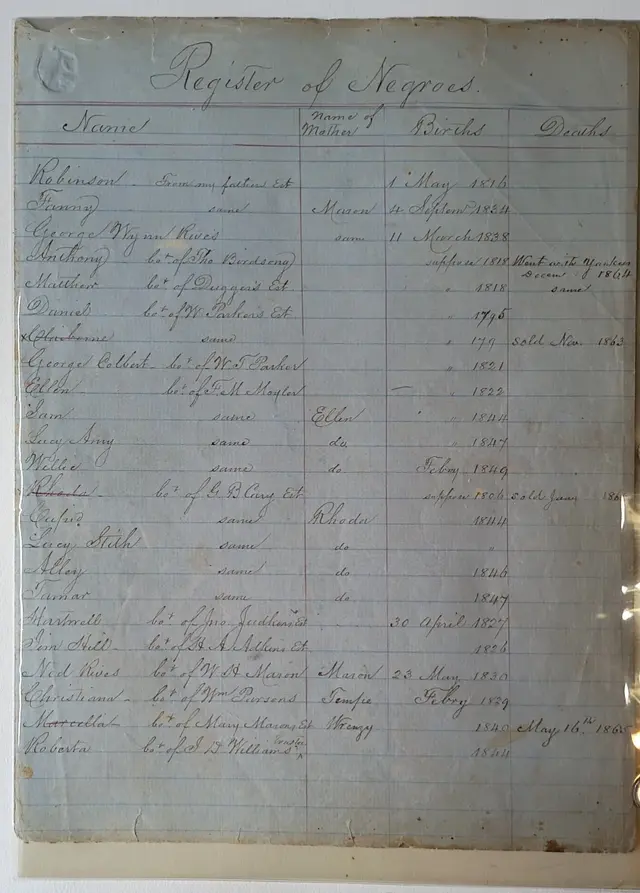
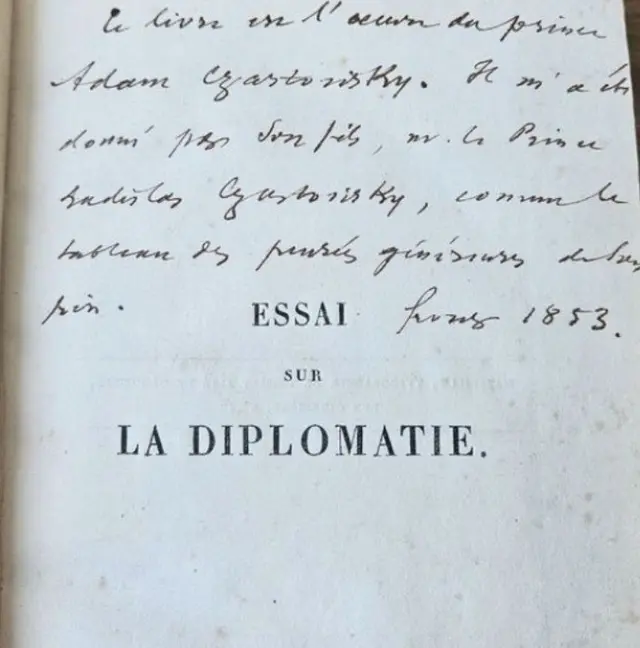
Provenance adds measurable value. An item from a documented historic house sale, a named collection, or with exhibition history typically sells for 20 to 100 percent more than an identical undocumented piece. For items valued above 10,000 dollars, provenance becomes increasingly critical for both legal compliance and market confidence. Documentation can include auction receipts, dealer invoices, photographs in situ, mentions in published inventories, and exhibition catalogs. For items pre-dating 1970, provenance also helps demonstrate legal ownership under UNESCO cultural property conventions. Even partial provenance (a single dated photograph) adds value.
What tools does a beginning antiques collector need?
Start with a 10x jeweler's loupe (essential for examining marks, wood grain, and condition), a small ultraviolet flashlight (reveals repairs, repainting, and fake patina), a magnet (tests whether metals are genuine silver, brass, or ferrous), and a tape measure. Digital resources include maker's mark databases (925-1000.com for silver, Kovels for ceramics), price databases (LiveAuctioneers, Invaluable for past auction results), and reference books specific to your collecting area. A quality smartphone camera for documenting finds is essential. Budget 200 to 300 dollars for basic tools and references.