How do I verify provenance for African art to comply with UNESCO rules?
The 1970 UNESCO Convention on cultural property is the key legal benchmark. Items with documented collection history predating November 14, 1970, are generally considered legally tradeable. Documentation can include dealer invoices, auction records, photographs in situ, published catalog entries, customs declarations, or institutional deaccession records. Major auction houses (Sotheby's, Christie's, Bonhams) require provenance documentation to at least 1970 for African and Oceanic art. For items without pre-1970 documentation, legal status is uncertain and varies by country. The AAMD (Association of Art Museum Directors) guidelines are increasingly followed by private collectors. Dealers who are members of BRUNEAF or the Tribal Art Society adhere to ethical sourcing standards.
What distinguishes museum-quality African sculpture from decorative pieces?
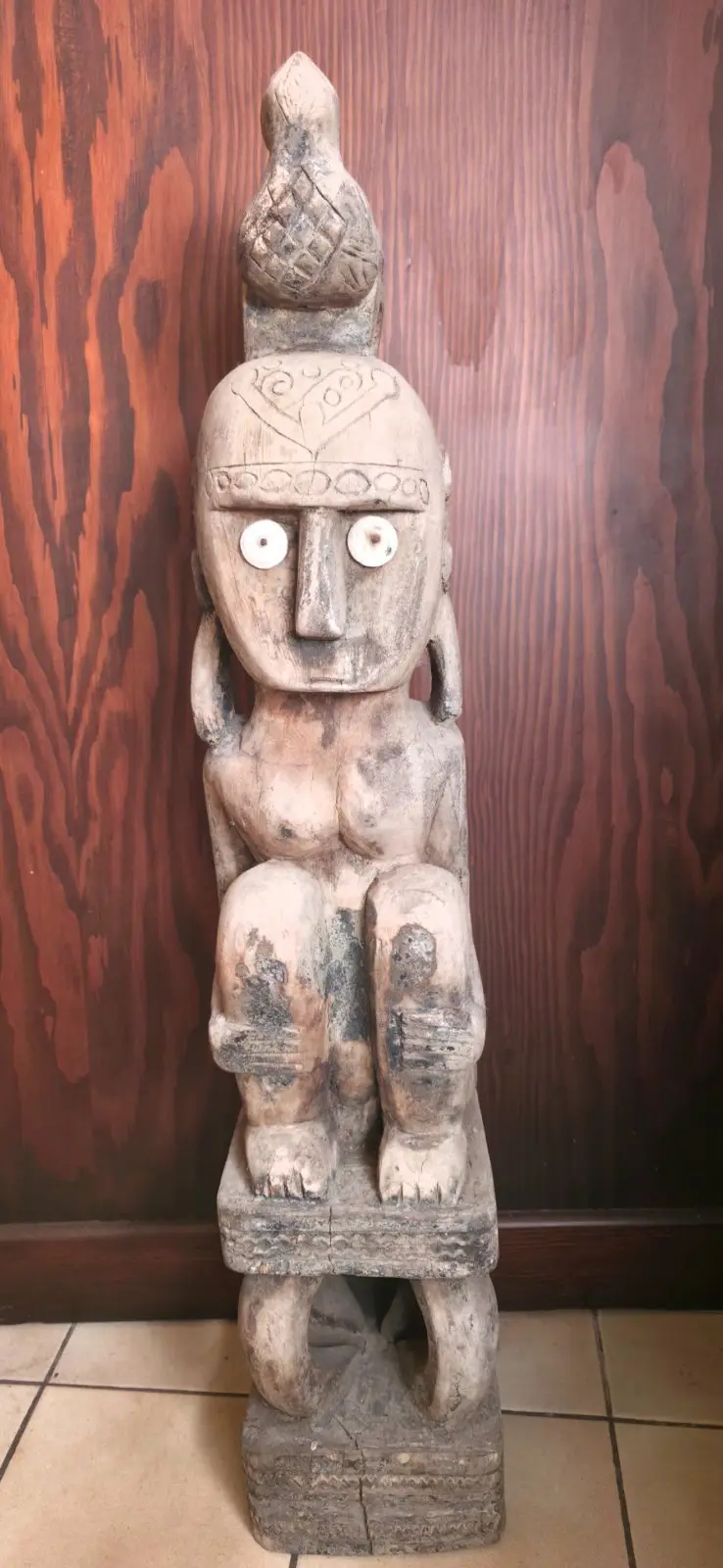
Museum-quality African sculpture shows evidence of use within its cultural context: worn surfaces from handling, encrusted patina from libations, smoke darkening from ritual fires, and sometimes repair evidence (indigenous mending reflects the object's value to its community). The wood should show age-appropriate drying and insect wear patterns. Decorative or tourist-market pieces tend to be uniformly carved with commercial tools (round chisel marks versus adze marks), stained rather than naturally patinated, and made from wood species different from those traditionally used. Provenance from field collectors, missionaries, or colonial administrators predating the tourist trade era (roughly pre-1960) adds both authenticity confidence and significant value.
Which Oceanic art regions are most collected?
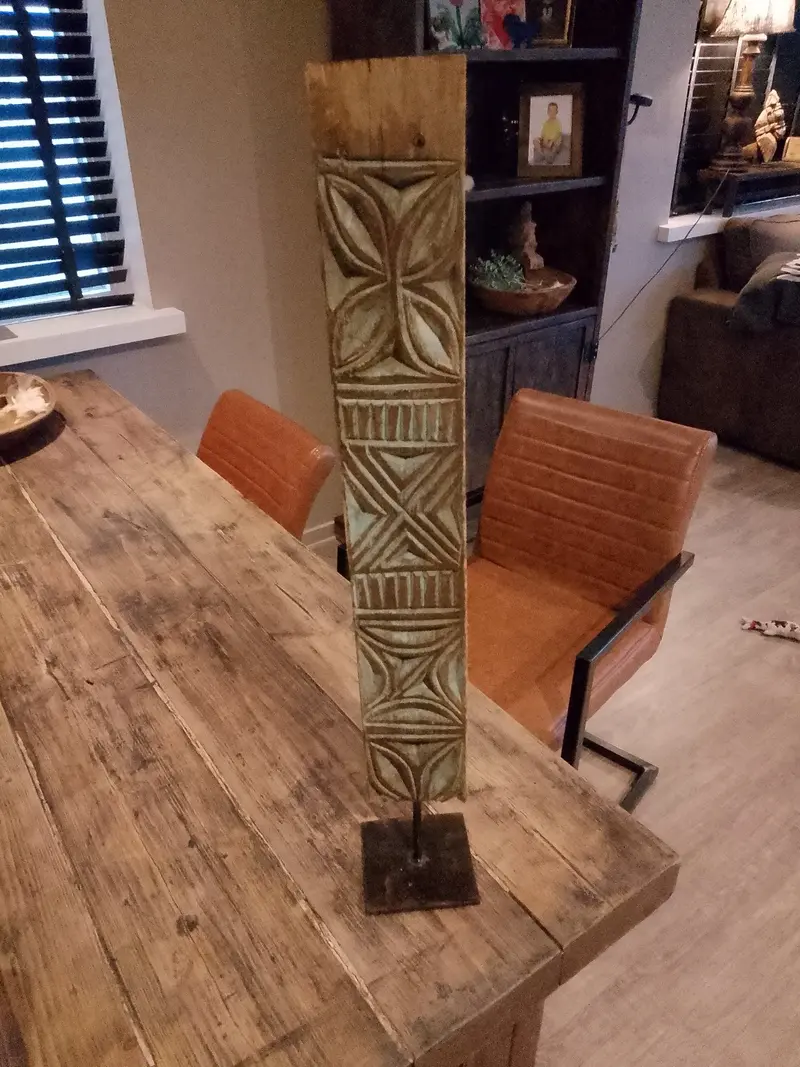
Papua New Guinea dominates the Oceanic art market, with Sepik River carvings, Asmat ancestor poles, and Highlands shields among the most actively traded. Polynesian pieces from Tonga, Fiji, and Samoa, including war clubs, bark cloth, and carved figures, command premium prices due to their relative scarcity. Aboriginal Australian art has a separate, well-established market with Sotheby's and Bonhams hosting dedicated sales. Melanesian masks and figures from New Britain, New Ireland, and the Solomon Islands are for their elaborate decoration. Hawaiian pieces are extremely rare and valuable: genuine pre-contact wooden sculptures have sold for over 5 million dollars. Easter Island moai fragments (with provenance) are museum-level rarities.
How has the repatriation movement affected the tribal art market?
Repatriation claims have increased significantly since 2020, affecting market dynamics. Several countries including Nigeria (Benin Bronzes), Greece (Parthenon Marbles), and Ethiopia have pursued formal restitution of objects taken during colonial periods. German museums returned over 1,000 Benin Bronzes in 2022. This has reduced institutional purchasing of contested objects and increased scrutiny of provenance. However, the private market for legally collected African and Oceanic art with clean provenance has actually strengthened, as collectors shift toward documented pieces. Objects with pre-1970 collection history and published exhibition records have seen a provenance premium of 30 to 50 percent above comparable undocumented pieces.
What are Pre-Columbian art forgeries like, and how are they detected?
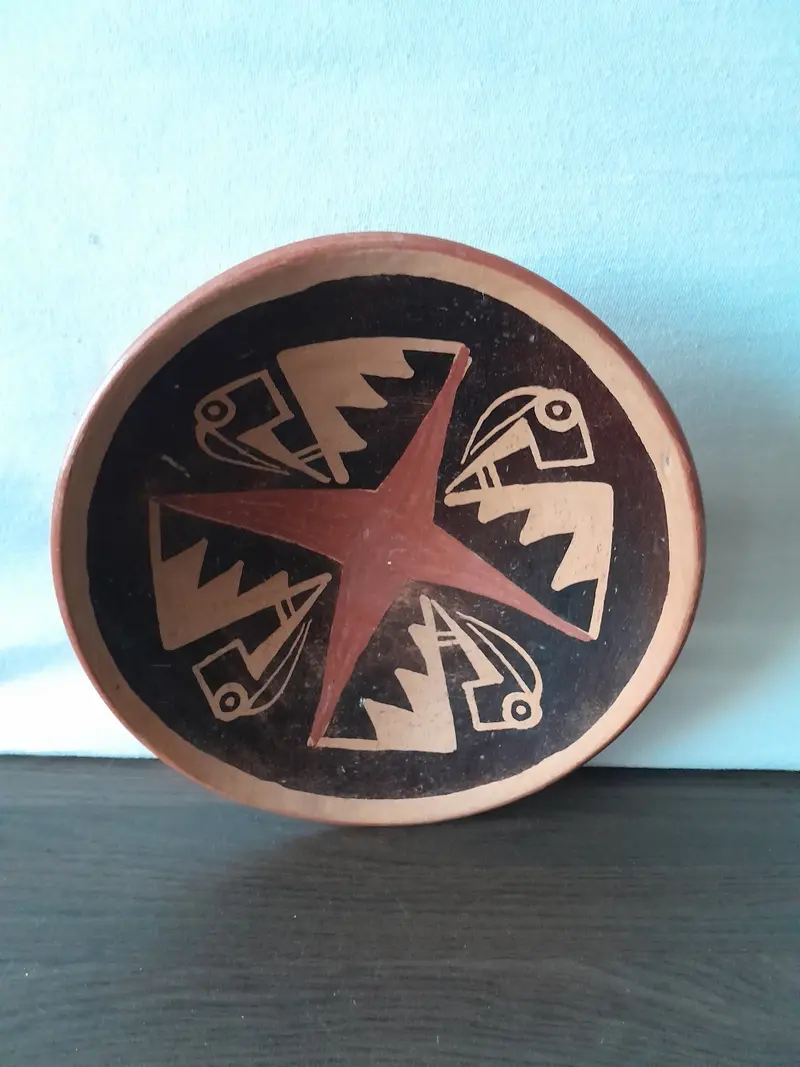
Pre-Columbian fakes are highly sophisticated, particularly from workshops in Mexico, Peru, and Costa Rica that have been producing forgeries since the 1960s. Ceramic fakes replicate ancient forms and pigments but can be detected through thermoluminescence (TL) dating, which measures the time since clay was last fired. Genuine Pre-Columbian ceramics show TL dates of 500 to 3,000 years. Stone sculptures are harder to date but are assessed through surface weathering analysis, tool mark examination, and stylistic review by specialists. X-ray fluorescence (XRF) can detect modern materials. Provenance documentation is the first line of defense. Reputable dealers offer money-back guarantees and TL testing certificates for significant purchases.
Is collecting Native American art subject to specific US laws?
Yes. The Native American Graves Protection and Repatriation Act (NAGPRA, 1990) requires return of sacred objects and human remains to tribes. The Indian Arts and Crafts Act (1990) makes it illegal to sell items falsely represented as Native American made. The Archaeological Resources Protection Act (1979) prohibits unauthorized excavation on federal or tribal lands. However, legally acquired Native American art with documented provenance is fully legal to own and trade. Navajo textiles, Pueblo pottery, Northwest Coast carvings, and beadwork are all actively collected and auctioned. Items with pre-1970 collection history are most desirable. Contemporary Native American art by living artists (often sold directly from galleries and artist cooperatives) faces no legal restrictions.