Is collecting taxidermy legal everywhere?
Taxidermy legality varies significantly by jurisdiction and species. In the US, the Migratory Bird Treaty Act prohibits possession of most native bird specimens without a federal permit, regardless of age. CITES (Convention on International Trade in Endangered Species) restricts international trade in specimens from listed species. Pre-ban ivory taxidermy mounts (pre-1989) may be legal to own but illegal to sell across state lines under the 2016 federal ivory ban. Victorian-era taxidermy generally predates these regulations and can often be sold with documentation of age. The UK has similar restrictions under the Wildlife and Countryside Act. Always verify the species identification and applicable regulations before purchasing, and obtain written provenance documentation.
What mineral specimens are most collectible in 2026?
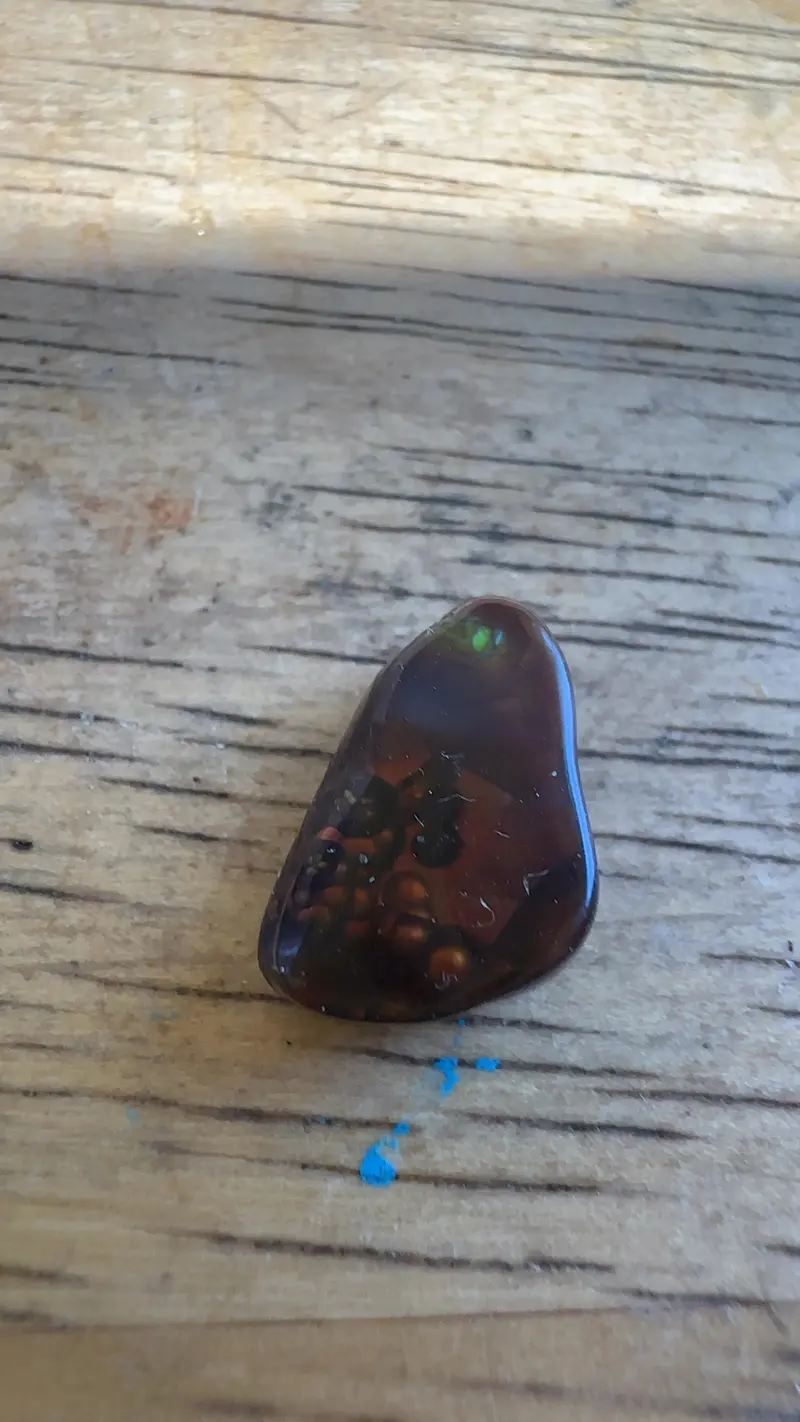
Tourmaline crystals from Pederneira, Brazil, and new finds from Afghanistan have dominated the high end, with exceptional specimens selling for 50,000 to over 500,000 dollars. Fluorite from the Elmwood Mine (Tennessee, now closed) and Rogerley Mine (England) maintains strong demand at 1,000 to 50,000 dollars for top-quality crystals. Chinese fluorite has flooded the market with spectacular but common specimens. Amazonite and smoky quartz combinations from Colorado continue to appreciate. Rhodochrosite from the Sweet Home Mine (Colorado, largely exhausted) represents locked-in scarcity, with major specimens reaching 100,000 dollars. The key value factors remain: crystal form, color saturation, transparency, matrix presentation, and locality rarity.
How do I care for and display taxidermy properly?
Taxidermy's primary enemies are light, insects, and humidity. Display away from direct sunlight, which fades fur and feathers within months. Museum-quality UV-filtering glass domes or cases provide protection. Inspect regularly for dermestid beetles (museum beetles), which feed on preserved skin and feathers: look for small holes, powdery debris, or tiny larvae. Mothballs and cedar are traditional deterrents but can damage specimens over time. Professional conservators recommend using Pest-Free strips in sealed display cases. Maintain relative humidity between 40 and 55 percent to prevent cracking of skin and adhesives. Never attempt to clean or repair taxidermy yourself: improper handling can cause irreversible damage to delicate feathers, whiskers, and glass eyes.
What Victorian natural history collectibles are most accessible?
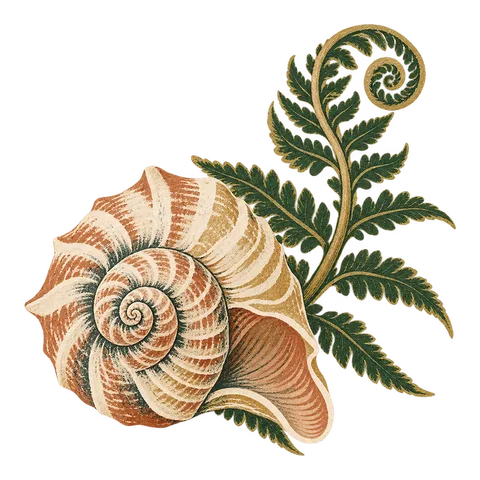
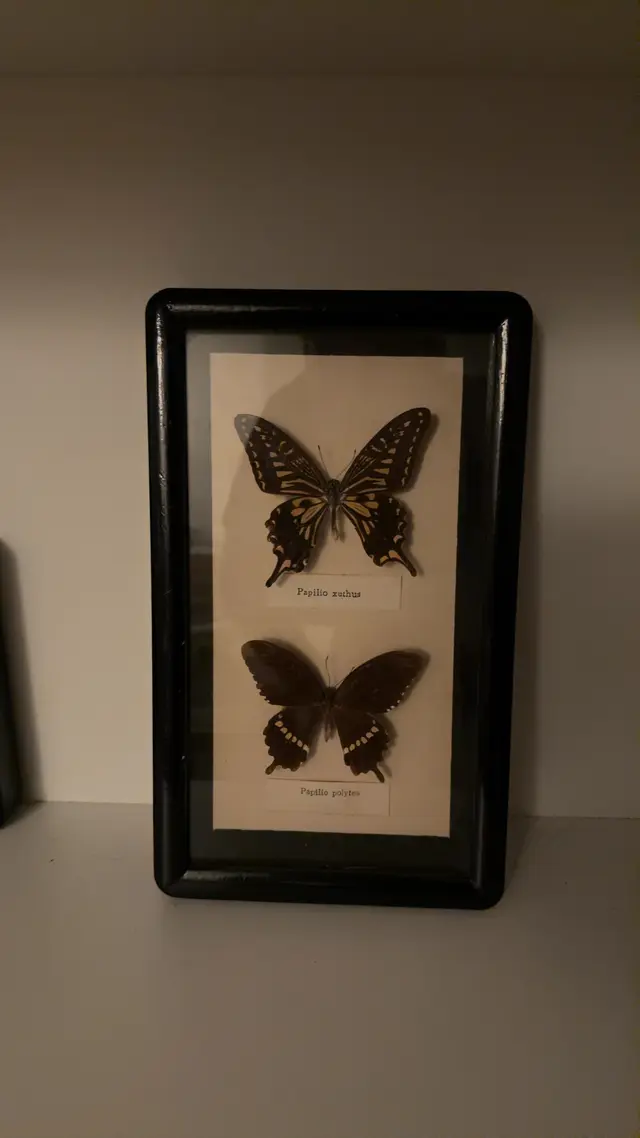
Victorian butterfly and moth collections in original display cases start at 200 to 1,000 dollars for complete, labeled collections. Seashell collections arranged in Victorian mahogany collectors' cabinets sell for 300 to 3,000 dollars. Bird egg collections (pre-1954 in the UK, pre-MBTA in the US) are legally restricted but historical collections with documented provenance trade among specialists. Antique coral specimens from the Mediterranean are accessible at 50 to 500 dollars. Herbarium sheets (pressed botanical specimens) from 19th-century collectors can be found for 10 to 100 dollars each. The most affordable starting point is Victorian-era mineral specimens, available at shows and online for 5 to 200 dollars.
How has ethical taxidermy changed the market?
The ethical taxidermy movement, which uses only naturally deceased, vintage, or sustainably sourced specimens, has grown significantly since 2015. Contemporary ethical taxidermists like Amber Maykut and Divya Anantharaman have gained mainstream recognition, with original works selling for 500 to 10,000 dollars. The movement has increased overall interest in taxidermy as an art form while creating a two-tier market: antique taxidermy (pre-1970) traded for its historical significance, and contemporary ethical taxidermy traded as decorative art. Rogue taxidermy, fantastical creations combining different species or adding artificial elements, has become a separate art category with gallery representation and collector following.
What amber specimens command the highest prices?
Value is driven primarily by inclusion type and clarity. Amber containing vertebrate inclusions (lizards, frogs, small birds) can sell for 50,000 to over 500,000 dollars, depending on specimen completeness and scientific significance. Insect inclusions are more common but still valuable: amber with well-preserved butterflies, spiders, or scorpions sells for 500 to 10,000 dollars. Clear amber without visible inclusions is the least valuable at 10 to 100 dollars per piece. The most sources are Baltic amber (40 to 50 million years old), Dominican amber (15 to 40 million years old, often with exceptional clarity), and Burmese amber (approximately 99 million years old, the oldest with insect inclusions). Authenticity testing involves salt water flotation, UV fluorescence, and hot needle testing.