Curiosa
Sign InTry a scan

Rough Rhodonite Specimen
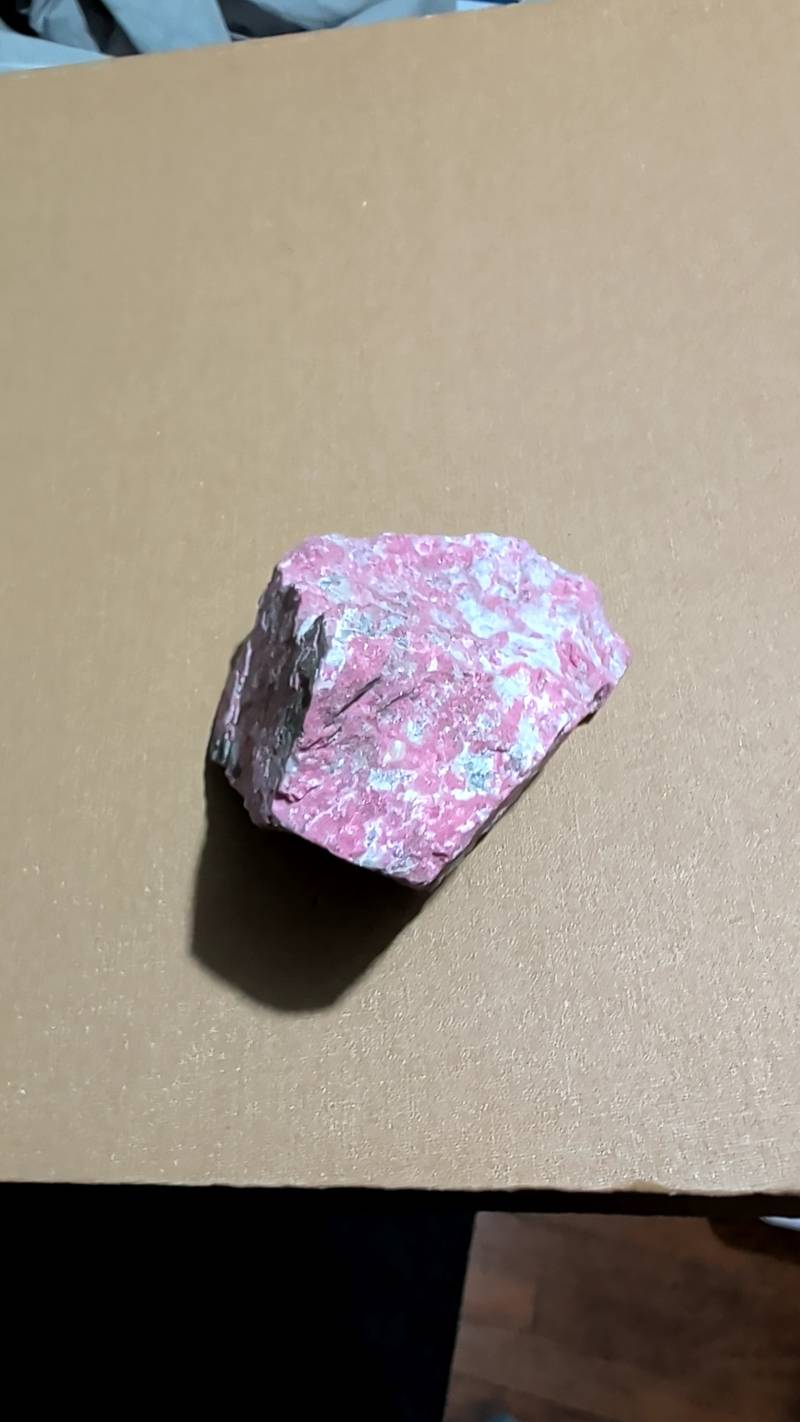
Rough pink rhodonite mineral specimen with white and grey inclusions on a neutral background. - view 1
1/3

Estimated value

$10 - $50

Rarity

Ordinary(3/10)

Category

Gemstones

Era

Geological formation (millions of years ago) - collected recently

Origin

🌍 International

Authenticity

Very High(85%)
44

ROUGH RHODONITE SPECIMEN: ORIGINS & SIGNIFICANCE

This appears to be a rough, unpolished mineral specimen characterized by its striking pink to reddish-pink coloration, interspersed with lighter white to greyish veins, typical of rhodonite. The piece exhibits a natural, unworked fracture surface, indicating it was likely broken from a larger deposit.

STONES ACROSS CIVILIZATIONS

Where This Object Echoes

Pre-Columbian Cultures (Americas)Pre-15th century

Similar manganese-rich minerals were sometimes used for pigments or decorative carvings by native peoples, though not necessarily rhodonite itself.

Imperial Russia18th-19th Century

Rhodonite reached peak popularity in the 19th century in Russia, where it was carved into monumental items like urns, columns, and sarcophagi for royalty and nobility.

Ritual & Ceremonial Use

  • Often used in crystal healing practices for promoting love, compassion, and emotional balance.
  • Collected by mineral enthusiasts for its aesthetic appeal and geological interest.

Meaning Through Time

Ancient times to Medieval period

Like many pink minerals, it likely symbolized general warmth, peace, or beauty, without specific identification.

19th Century (Russia)

Signified imperial wealth and grandeur when used in large decorative works for the Romanovs.

Modern Era

Prized by mineral collectors for its crystal habit and aesthetic, and by New Age practitioners for its perceived metaphysical properties.

GEOLOGICAL JOURNEY

Rhodonite, named from the Greek word 'rhodon' meaning rose, has been utilized ornamentally for centuries, particularly in Russia where large quantities were discovered in the Ural Mountains. It was commonly carved into decorative objects, sculptures, and occasionally used in jewelry, valued for ...
Rhodonite, named from the Greek word 'rhodon' meaning rose, has been utilized ornamentally for centuries, particularly in Russia where large quantities were discovered in the Ural Mountains. It was commonly carved into decorative objects, sculptures, and occasionally used in jewelry, valued for its distinctive rose hue, which is attributed to manganese. Its historical use often focused on its aesthetic appeal rather than specific metaphysical properties, although some cultures associated pink stones with emotional healing.

CRYSTAL CURIOSITIES

1

Rhodonite is the official state gem of Massachusetts, USA, where it was discovered in the 1890s.

2

Despite its often vibrant pink color, rhodonite is a manganese inosilicate that can also be found in brownish-red to black varieties due to oxidation.

HOW SCARCE IS IT?

Ordinary40-55%
CommonLegendary

Standard antiques commonly found at estate sales and flea markets. Plentiful supply meets modest demand.

Typical Characteristics

  • Moderate production runs
  • Common at estate sales
  • Entry-level collectibles

Confidence Factors

  • Common mineral with distinct visual characteristics.
  • Unworked, natural specimen, which is less prone to sophisticated fakes.
  • Low market value item, reducing incentive for counterfeiting.
How does authenticity detection work?

GEMOLOGIST'S TAKE

Gemologist & Mineral Specialist

Gemologist

The visual characteristics, specifically the color and associated inclusions, strongly suggest this is a natural rhodonite specimen. This mineral is quite identifiable by its aesthetic in an unworked state.

KEY EVIDENCE

  • 1Distinctive pink to reddish-pink color, characteristic of rhodonite due to manganese content.
  • 2Presence of white to greyish inclusions, common accessory minerals often found with rhodonite.
  • 3Rough, unworked appearance consistent with a natural mineral specimen.
  • 4Opaque translucency and vitreous to dull luster visible on fracture surfaces, typical for rhodonite.

UNCERTAINTIES

  • Without specific gravity or hardness tests, positive identification remains visual only.
  • Photography limitations may alter true color representation slightly.

WHAT WOULD IMPROVE CERTAINTY

  • Perform a specific gravity test to confirm density.
  • Conduct a hardness test (Mohs scale) to match rhodonite's characteristics (5.5-6.5).
  • Examine under magnification to observe crystal habit and inclusion details more closely.
  • Consult a gemological laboratory for definitive identification if an extreme value were implied.

CONDITION & GRADE

Condition

The specimen is in its natural, rough state, exhibiting only characteristic mineral fractures and texture. There are no signs of abnormal wear, damage, or polishing. The color appears vibrant and consistent with typical rhodonite specimens.

Surface

The surface is rough and unpolished, displaying a natural fracture with a somewhat granular texture. The pink areas appear opaque, with a vitreous to dull luster, while the white to greyish inclusions show a slightly different, possibly more crystalline texture.

Weight & feel

Given its size and characteristic density, this specimen likely feels moderately heavy and substantial for its volume, typical of an unworked mineral piece.

GEMSTONE VALUATION

$10 - $50

Updated: Feb 27, 2026

  • Market comparables from auctions & retail
  • Condition, completeness & craftsmanship
  • Current collector demand & trends
  • Low = quick sale, high = patient seller

For informational purposes only, not a formal appraisal.

FROM THE CABINET OF

AB

abeccareb

Wonderseeker5 items

COMMENTS

No comments yet. Be the first to share your thoughts!

Sign in to leave a comment

ABOUT GEMSTONES

Precious stones, semi-precious gems, minerals, crystals, and geological specimens.

Gemstones value and rarity guide

SHARE THIS CURIOSITY

Have your own curiosities to discover?

Scan Your Curiosity