Collectibles and figurines price guide for collectors

Figurines that sat on shelves accumulating dust and memory. Limited editions that promised exclusivity and delivered nostalgia. Pop culture artifacts that chart the obsessions of their eras. Collectors understand what others dismiss: that small things, accumulated with intention, become greater than the sum of their parts.

Browse Curiosities

Rarity:

Highest rated Collectibles

Page 24 of 40 (469 objects)

Have a collectibles to identify?

Scan yours with identification

Figurines, limited editions and pop culture

What this category includes

Collectibles covers figurines (Hummel, Lladró, Royal Doulton), limited edition objects, commemorative items, advertising collectibles, branded merchandise, pop culture artifacts, Funko Pops, bobbleheads, snow globes, Pez dispensers, fast food premiums, cereal box prizes, and the vast universe of objects collected for pleasure rather than traditional aesthetic merit. The category captures everything that doesn't fit neatly into specific categories but is actively collected and traded.

Read more

What makes collectibles valuable

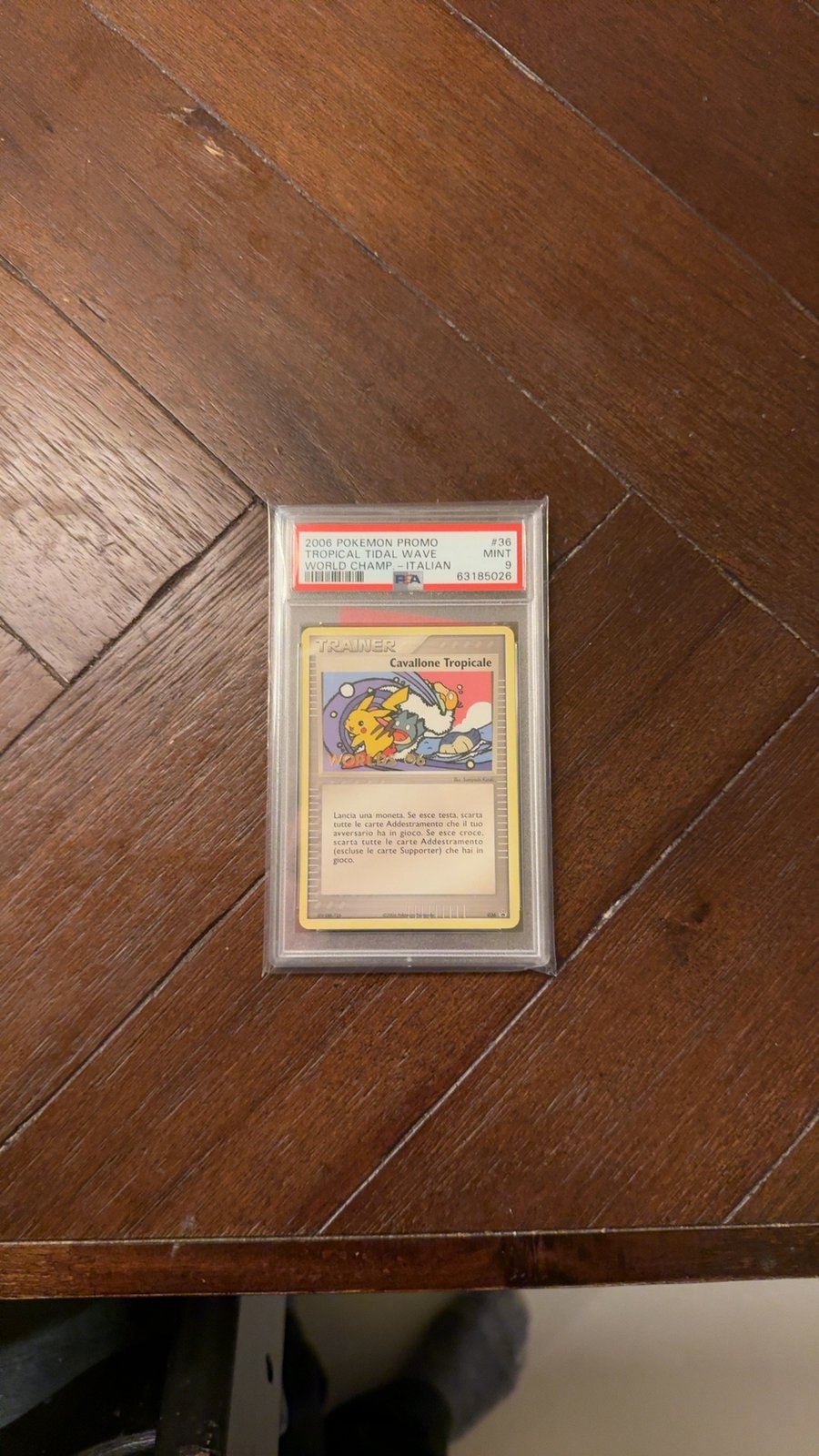
Scarcity and demand intersection drives the collectibles market, an item is only valuable if people want it and can't easily find it. Limited production runs, regional exclusives, manufacturing errors, and recalled items create the scarcity that collectors pursue. Condition grading is rigorous: for figurines, paint quality, absence of chips, and original packaging matter enormously. Completeness of sets drives value, collectors will pay premiums for the one missing piece that completes a series. Pop culture trends create rapid value shifts: an IP (intellectual property) that gains renewed cultural attention through films, shows, or nostalgia cycles can spike demand overnight. Authentication services and grading companies (CGC for comics, PSA for cards) have standardized condition assessment and created liquidity.

Popular subcategories

The most collected areas include Hummel figurines (especially early marks), Royal Doulton character jugs, Lladró porcelain, Funko Pop vinyl figures (especially vaulted and convention exclusives), vintage advertising signs and tins, trading cards (covered in their own category), Coca-Cola and brand memorabilia, vintage lunch boxes, Pez dispensers, and Disney collectibles. Emerging areas include video game collectibles, anime figures, and limited-edition sneakers that bridge into fashion. Pin collecting, especially Disney and Olympic pins, has an active community. Vintage toys cross over heavily when the line between toy and collectible blurs.

Frequently asked questions about collectibles

Are Hummel figurines worth anything in 2026?

The Hummel market has declined significantly from its 1990s peak, when rare figurines sold for thousands. In 2026, common figurines (post-1972 production) sell for 5 to 50 dollars each. However, early marks still hold value: figurines with the 'Crown Mark' (1935 to 1949) or 'Full Bee' mark (1950 to 1959) sell for 100 to 2,000 dollars depending on the model. Rare figures like 'Adventure Bound' or 'Ring Around the Rosie' in early marks can reach 3,000 to 10,000 dollars. Condition is critical: chips, repairs, or missing parts reduce value by 60 to 80 percent. The best strategy is to focus on pre-1960 marks, rare mold numbers, and unusual colorways rather than collecting broadly.

How has the Funko Pop market evolved?

The Funko Pop market has matured significantly since its peak speculation in 2021. Vaulted (discontinued) figures remain the most valuable: the 2012 SDCC Metallic Red Hulk has sold for over 3,000 dollars. Convention exclusives, chase variants (1 in 6 rarity), and flocked figures maintain demand. However, the vast majority of standard production Funko Pops retail for 12 to 15 dollars and depreciate to 5 to 8 dollars on the secondary market. The Funko app provides price tracking. The market has shifted from speculation toward genuine collecting, with licensees like Disney, Star Wars, and anime properties driving sustained interest. Damaged boxes reduce value by 30 to 50 percent, as many collectors display in-box.

What makes a Pez dispenser valuable?

The most valuable Pez dispensers predate the character heads. A 'regular' dispenserless Pez from the late 1940s (a simple mechanical candy pusher) sells for 2,000 to 5,000 dollars. The 1955 Make-A-Face dispenser is among the rarest at 5,000 to 10,000 dollars. Among character dispensers, the 1982 World's Fair Astronaut B (no helmet) has sold for over 30,000 dollars. Soft-head dispensers (rubber versus hard plastic) from the 1960s command 200 to 5,000 dollars. Standard modern character dispensers are worth 1 to 5 dollars. Color variations, feet versus no-feet (pre-1987 dispensers lack feet), country of manufacture, and patent number differences create the micro-categories that serious collectors track.

Is sports card collecting still profitable?

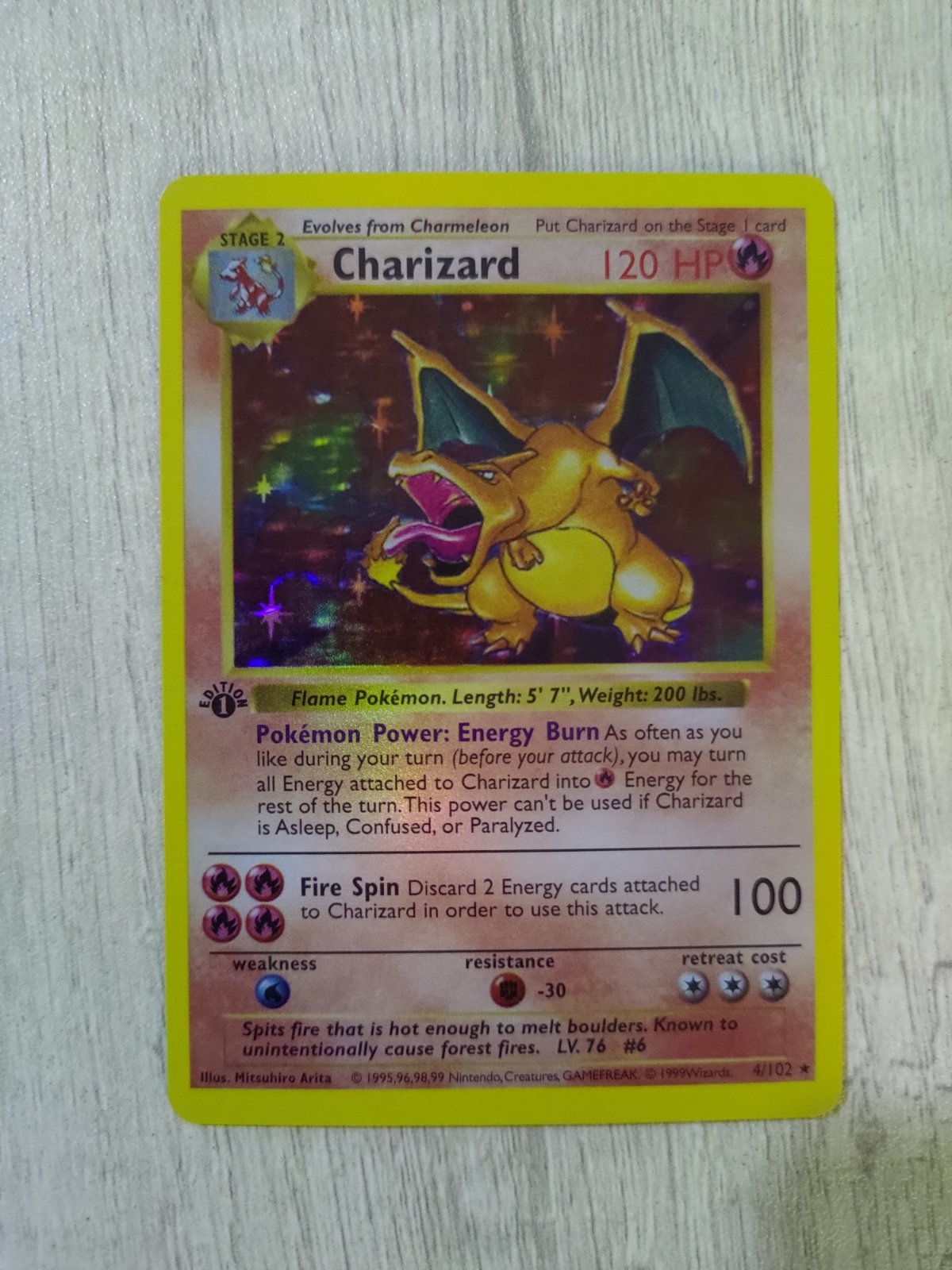
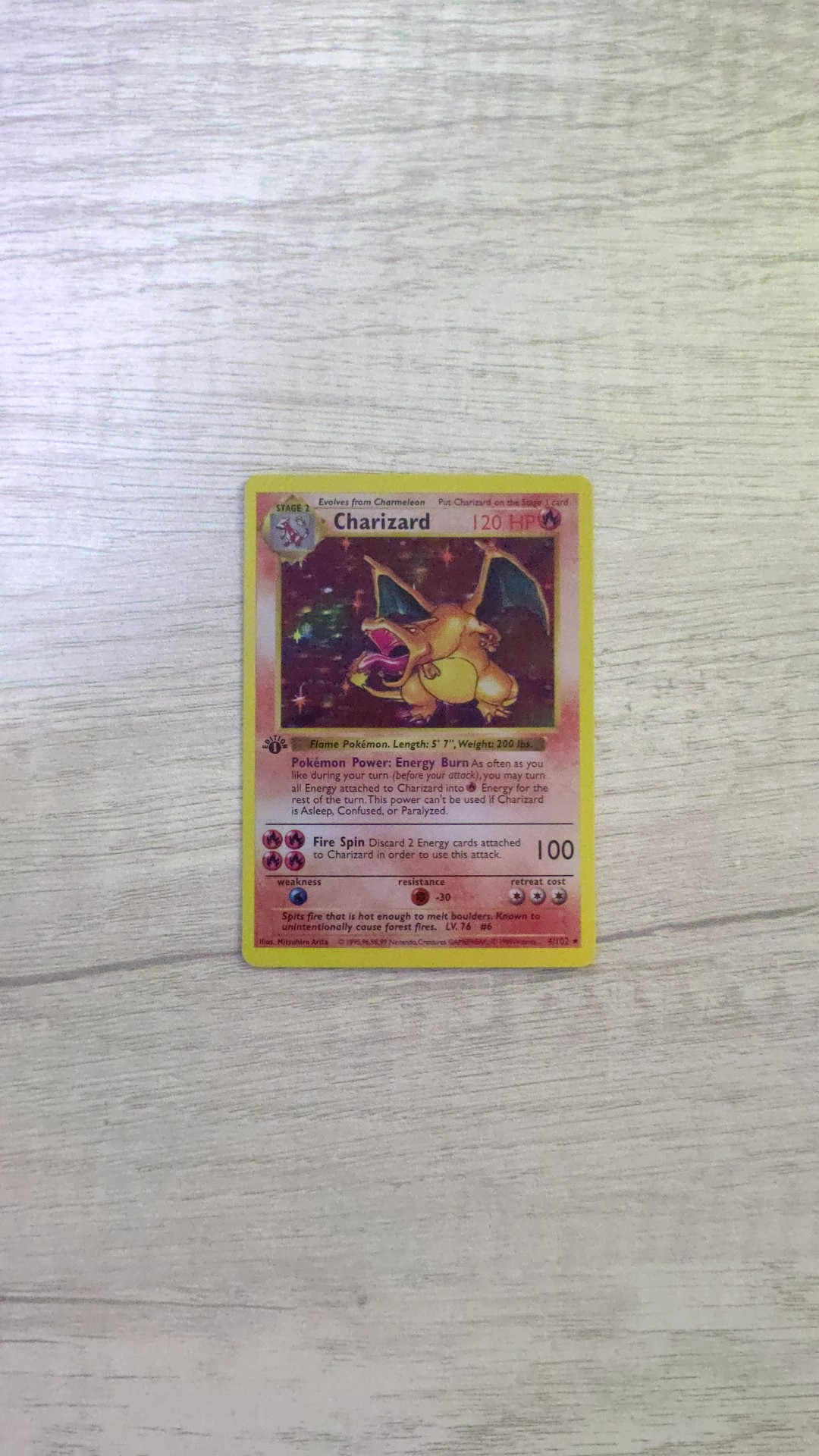
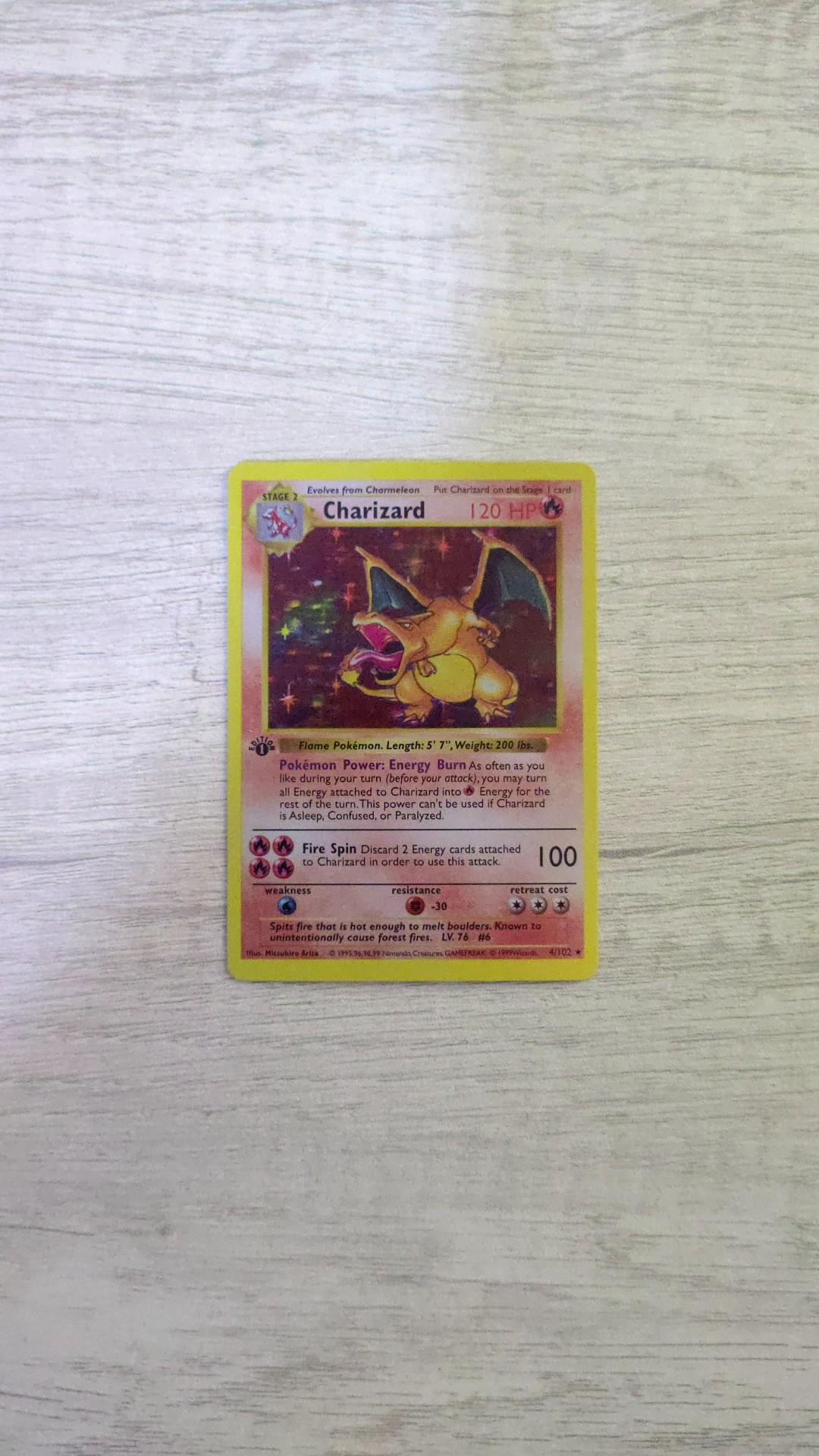
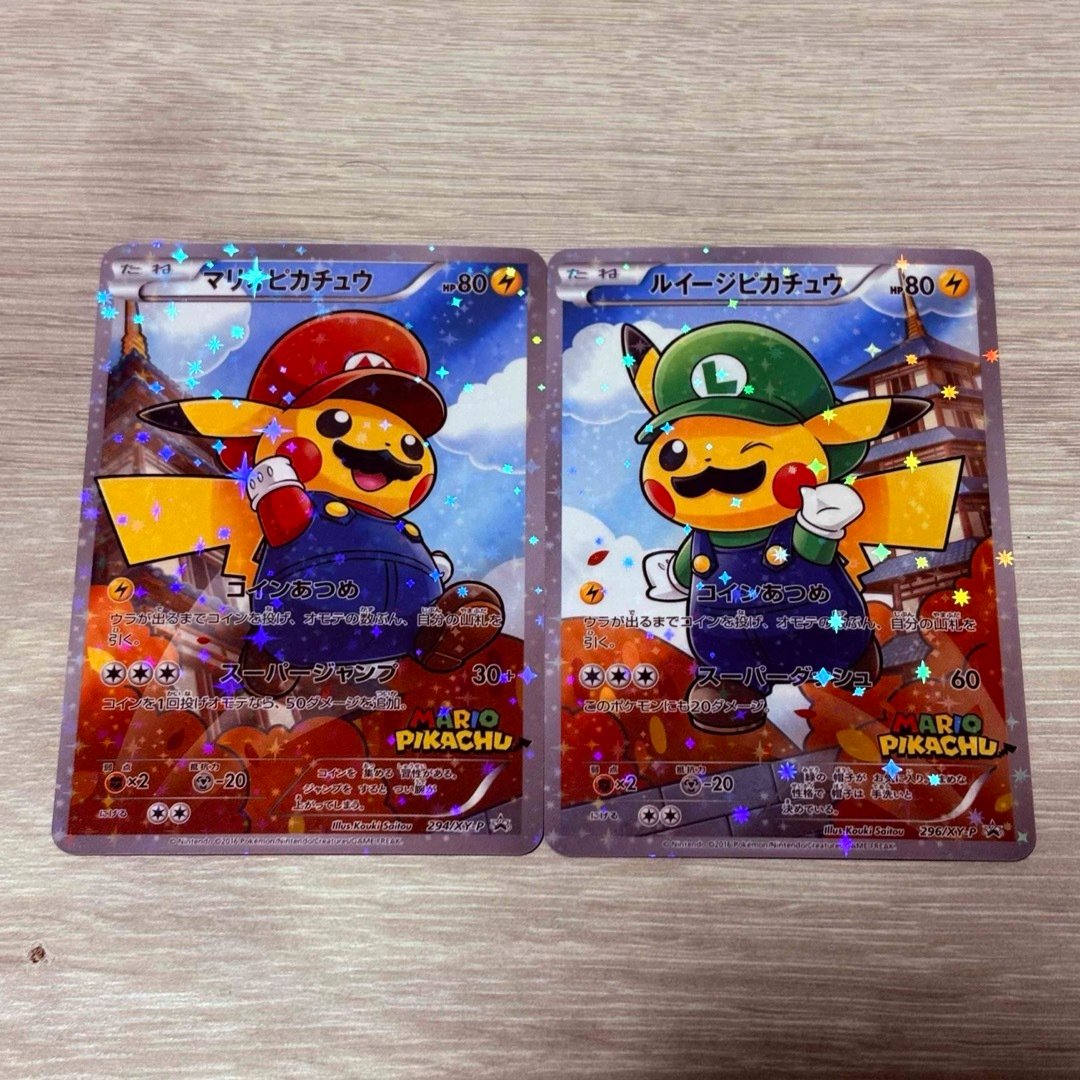
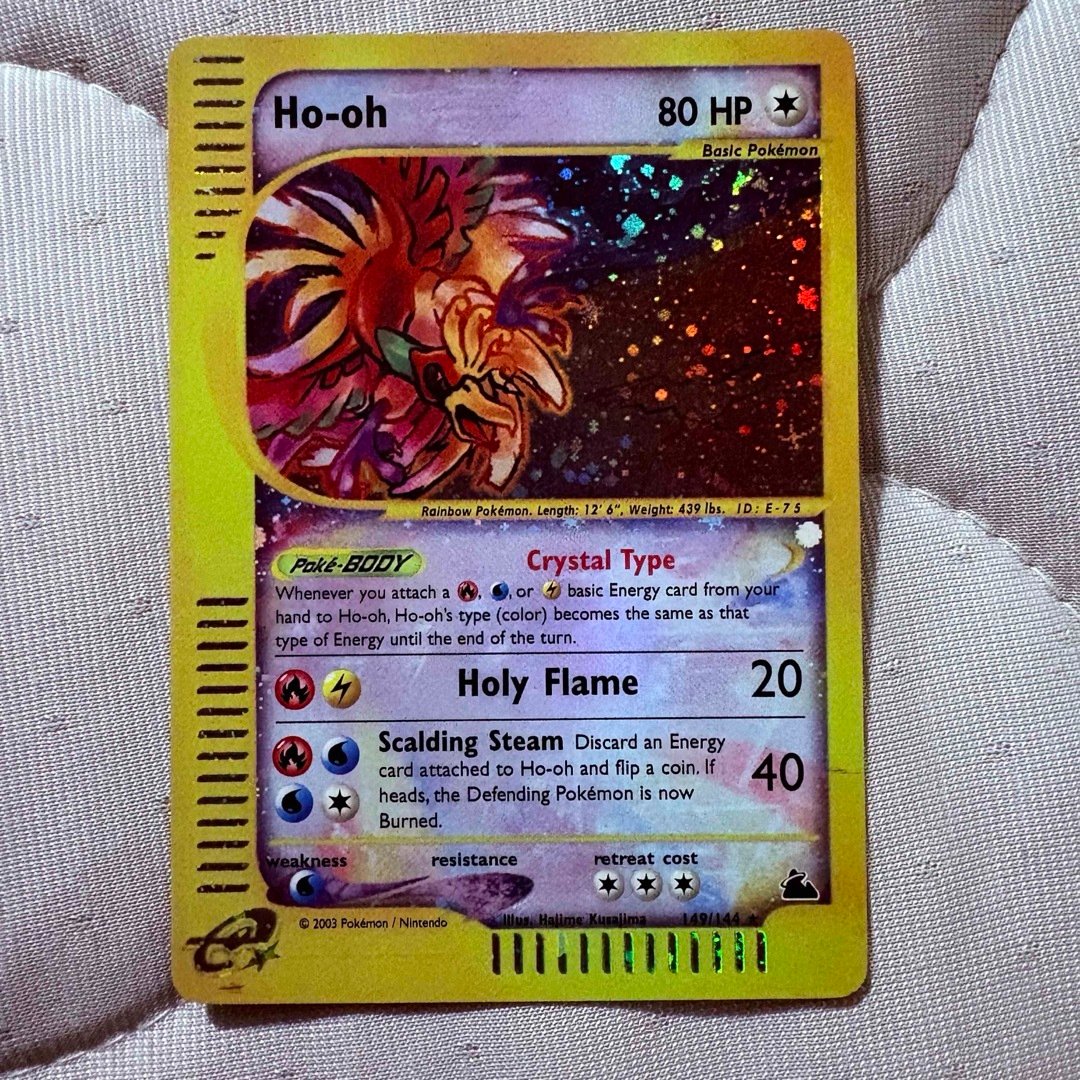
The sports card market experienced a massive correction from its 2021 peak. A PSA 10 2018 Panini Prizm Luka Dončić rookie sold for over 4.6 million dollars in 2021; comparable copies trade for 200,000 to 400,000 in 2026. However, vintage cards (pre-1980) have held value better, with a T206 Honus Wagner selling for 12.6 million dollars in 2024. The market now favors established Hall of Famers and vintage over modern speculation. Entry-level collecting remains accessible: PSA 7 or 8 graded rookie cards of 1980s and 90s stars can be found for 50 to 500 dollars. The key shift is from flipping (buying to resell quickly) toward long-term collecting based on player legacy and historical significance.

What Disney collectibles are most sought after?

Original Disney animation cels from the golden era (1937 to 1967) are the highest-value Disney collectibles, with key cels from 'Snow White' or 'Fantasia' selling for 10,000 to over 500,000 dollars. Vintage Disneyland memorabilia from opening day (1955) and early years commands 500 to 50,000 dollars for tickets, maps, and souvenirs. Disney pin trading has created a massive micro-market: limited edition pins from events like D23 sell for 50 to 500 dollars. Marx tin toy Disney figures from the 1930s to 50s sell for 200 to 5,000 dollars. Contemporary Disney collectibles focus on Loungefly bags, Spirit Jerseys, and popcorn buckets from limited park events.

How do I protect collectibles from damage in storage?

Temperature and humidity control are paramount: maintain 65 to 70 degrees Fahrenheit and 40 to 50 percent relative humidity. Store items in acid-free boxes and tissue. Use UV-filtering display cases for light-sensitive items. For figurines, individual wrapping in acid-free tissue within compartmented boxes prevents paint transfer and chipping. Never use newspaper (acid content causes staining). Keep collectibles away from exterior walls (temperature fluctuation) and basements (humidity and flooding risk). For cards and paper items, use archival-quality sleeves and toploaders. Silica gel packets help control micro-humidity in sealed containers. Inventory and photograph your collection annually for insurance purposes. Consider a standalone collectibles insurance policy for values above 10,000 dollars.