
Miniature Cyclo Model
Estimated value
$10 - $30Rarity
Ordinary(3/10)Category
Decorative ObjectsEra
Mid-Late 20th CenturyOrigin
VietnamVisual assessment
Photo analysis
Save to revisit in your watchlist. This does not add the object to your own collection.
Miniature Cyclo Model
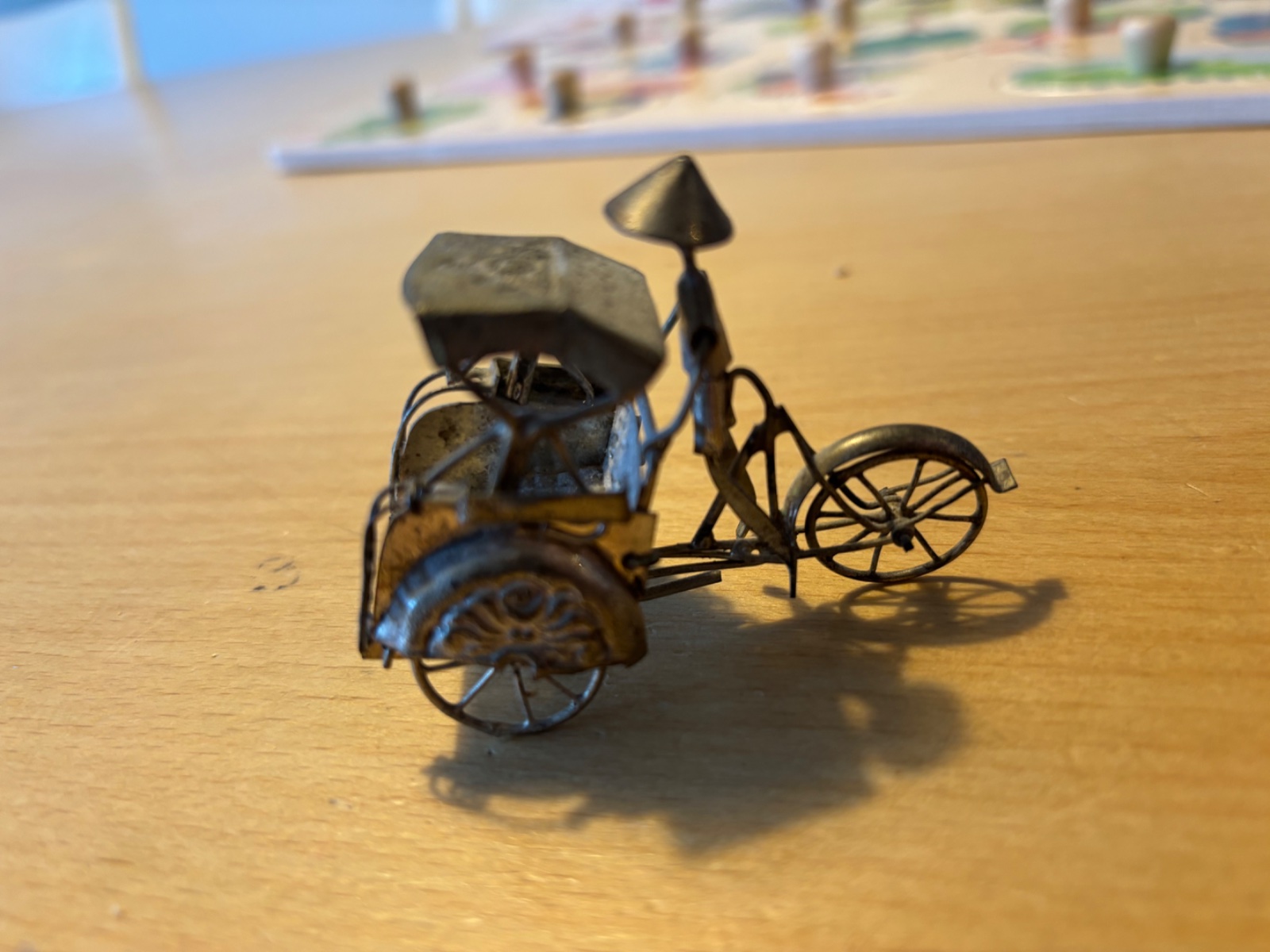
This appears to be a miniature decorative model of a cyclo, a type of bicycle taxi common in Southeast Asian countries, particularly Vietnam and Cambodia. The model features intricate wire work suggesting the frame and wheels, a passenger cabin with a canopy, and a small conical hat (nón lá) often associated with the region. The material seems to be a base metal, likely brass or a similar alloy, given the tarnished, somewhat coppery-gold tones seen in areas.
Related traditions
Southeast Asian cultures (Vietnam, Cambodia)
20th-21st Century
The cyclo as an mode of transport and cultural symbol.
Use and ceremony
Mid-20th Century
Primarily a practical mode of urban transport and labor for drivers.
Late 20th - Early 21st Century
Increasingly a tourist attraction and a nostalgic symbol of a bygone era, with fewer operating as daily transport.
Origins and context
Cyclos (also known as pedicabs or rickshaws in different contexts) emerged in Southeast Asia, especially French Indochina, in the 1930s as a more practical and accessible form of urban transport compared to traditional rickshaws. They quickly became an part of city life, particularly in Vietnam. Miniature models like this one often serve as souvenirs, commemorating visits to these regions or simply celebrating the cultural significance of the cyclo itself.
Further details
The nón lá (conical hat) on the driver figure is a quintessential symbol of Vietnam, often worn by individuals working outdoors for sun protection and as traditional attire.
Cyclos are generally human-powered, distinguishing them from motor-powered rickshaws, though motorized versions exist in some areas today.
Attribution and evidence
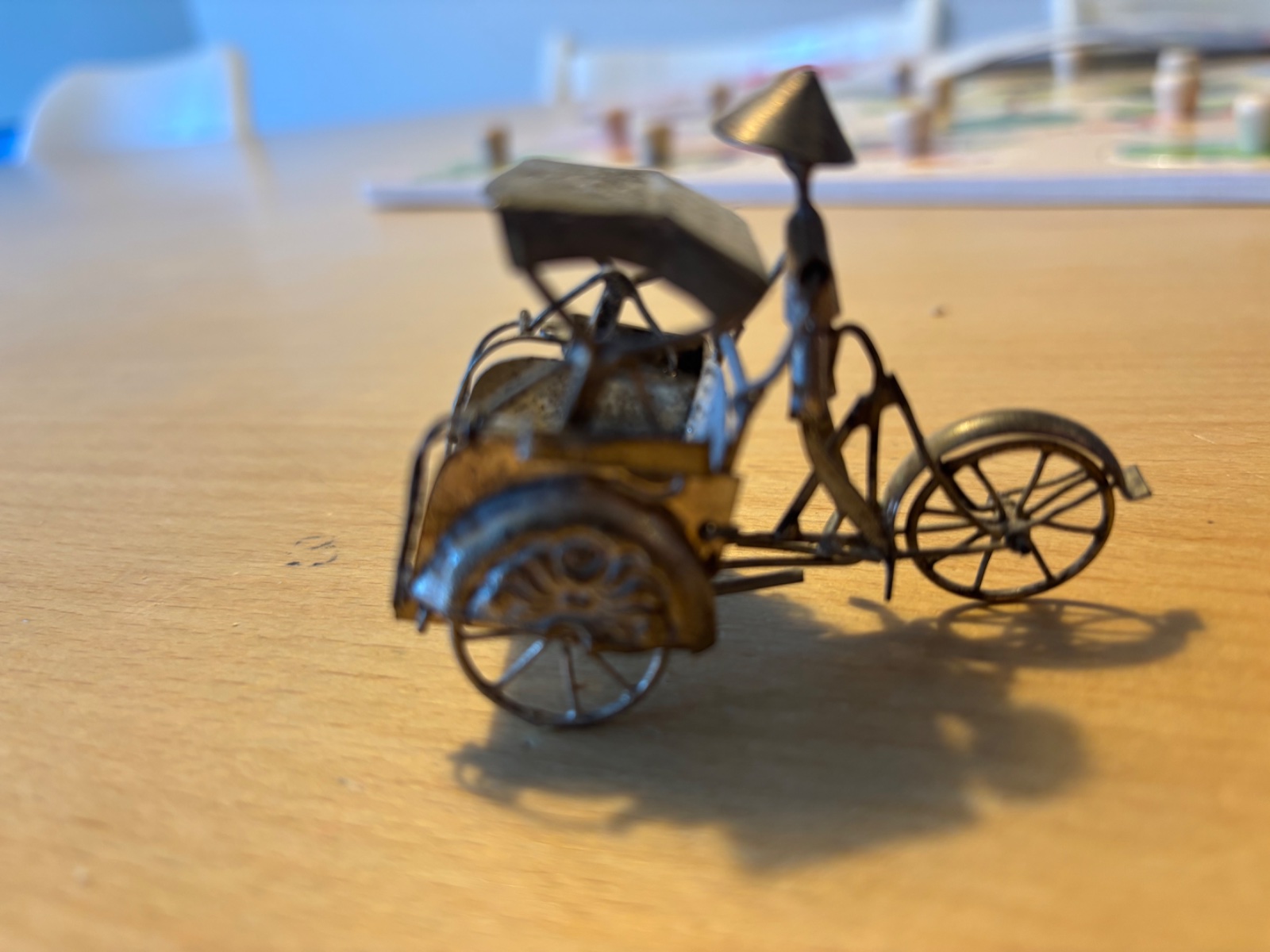
Confidence is high based on the clear visual representation of a cyclo model with distinct cultural markers and the consistent material characteristics. Lack of a clear maker mark or exact dimensions prevent a higher confidence.
Identifying details
- 1The item is a miniature model of a 'cyclo' or pedicab, identifiable by its bicycle-driven passenger carriage design.
- 2The presence of the conical hat (nón lá) on the driver adds a strong cultural indicator, pointing towards Vietnam or a neighboring Southeast Asian country.
- 3The metallic construction and visible patina are consistent with souvenir items produced from base metals from the mid-to-late 20th century.
- 4The intricate wire-work suggests a handmade or small-scale artisanal production, typical for decorative models.
Open questions
- •The overall focus in the images is soft, making it difficult to discern very fine details or potential maker's marks.
- •Without clearer images, it's difficult to confirm the exact metal composition beyond a base metal alloy.
Photographs that would help
- Provide clearer, high-resolution images, especially focusing on any potential markings or stamps.
- Examine the underside or less visible areas for any manufacturer's labels or country-of-origin stamps.
- Consider a gentle cleaning to remove some surface tarnish, if desired, to better reveal underlying metal (though this could diminish collectible value for some).
- Measure the dimensions of the model to better ascertain its specific scale and type.
Terms in this record
- Cyclo (Pedicab)
- A type of three-wheeled passenger vehicle, bicycle-driven, with the passenger seat typically located in front of the driver.
- Nón Lá (Conical Hat)
- A traditional Vietnamese conical hat, often made from palm leaves, worn for practical purposes (sun/rain protection) and as a cultural symbol.
- Patina
- A green or brown film formed on the surface of bronze or similar metals, produced by oxidation over a long period, lending an aged aesthetic.
Wear and preservation
The model appears to be in relatively good condition for its age, with visible tarnishing/patina consistent with an older metal item. There are no obvious signs of breakage or significant structural damage, though specific details are somewhat obscured by image focus.
Materials and construction
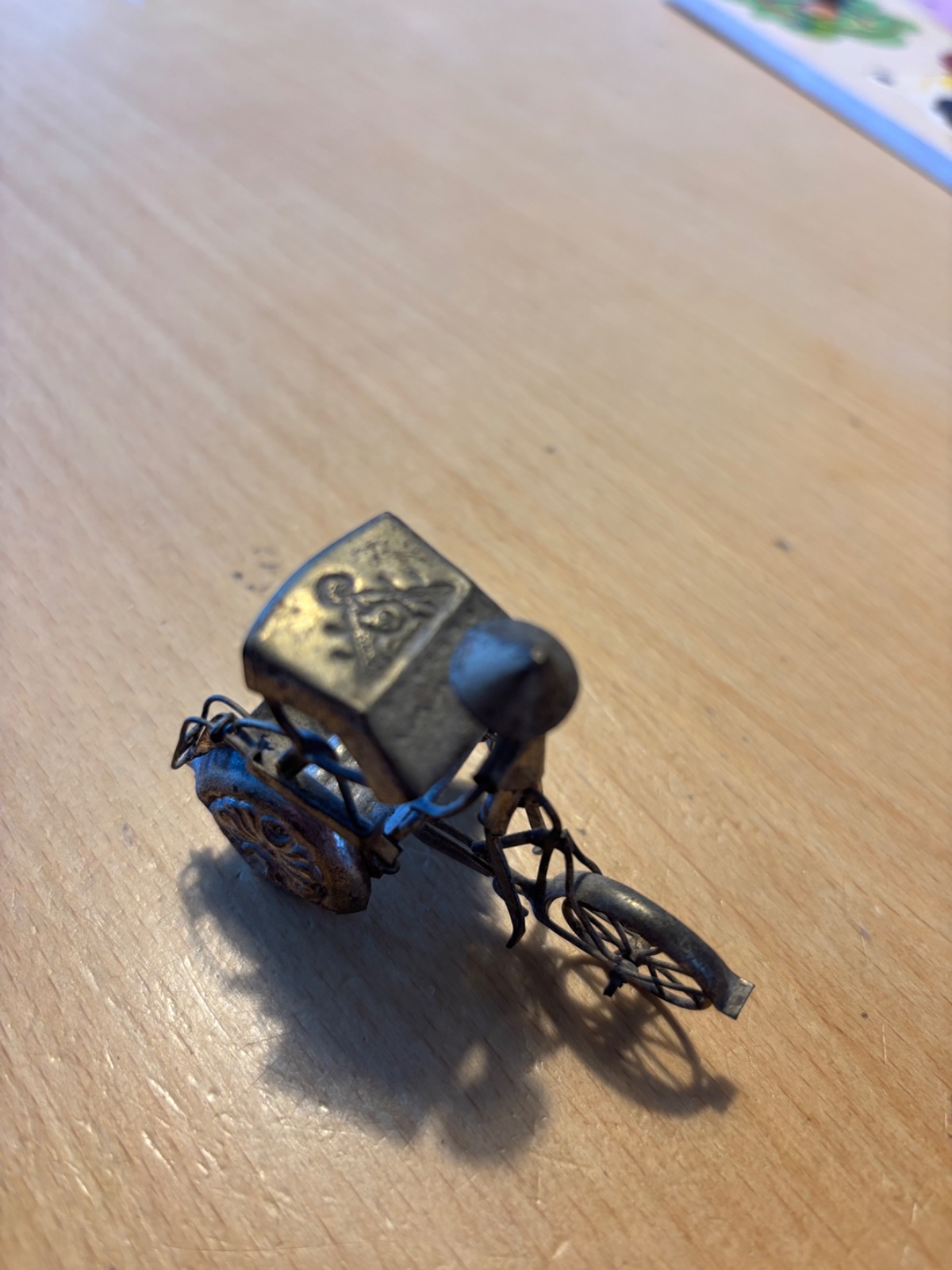
The metal surface exhibits a noticeable patina, suggesting age and exposure to air. Some areas have a darker, almost blackened tarnish, while others show a duller, oxidized metallic sheen. The texture appears somewhat rugged, typical of a cast or wire-formed metal souvenir.
Recorded physical details
Based on its small size and metal construction, the item would likely feel light but somewhat dense in hand, giving it a tangible, solid feel for a miniature.
Scarcity and surviving examples
Ordinary · 3/10 estimated rarity
This is a qualitative collection score, not a measured survival count, market percentile or proof of authenticity.
What the photographs establish
Interpretation of the photographs and supplied context. This does not authenticate the object.
- Common souvenir item type, not typically faked.
- Materials and construction are consistent with expected production for such items.
Value and its basis
Estimate recorded: Feb 27, 2026
How we estimate value
- No documented comparable sales are shown for this estimate
- Condition, completeness & craftsmanship
- Demand assumptions may not reflect current transactions
- The range is an estimate, not an asking price or sale result
For informational purposes only, not a formal appraisal.
Related objects
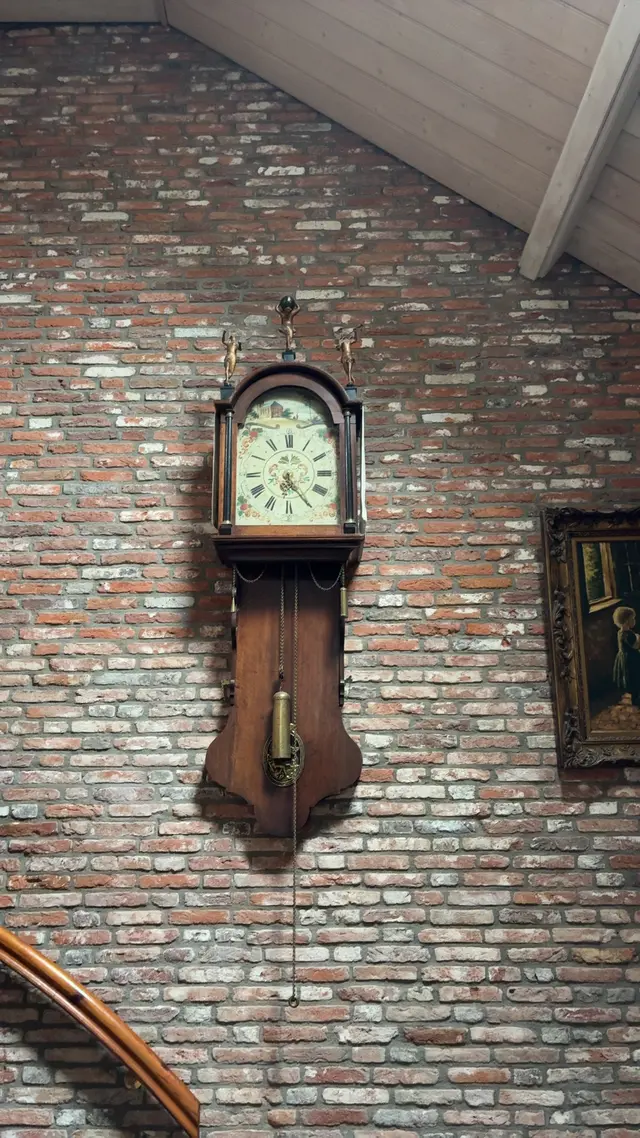
Dutch or German Wall Clock (Laterndluhr Style) with Painted Dial
Same category
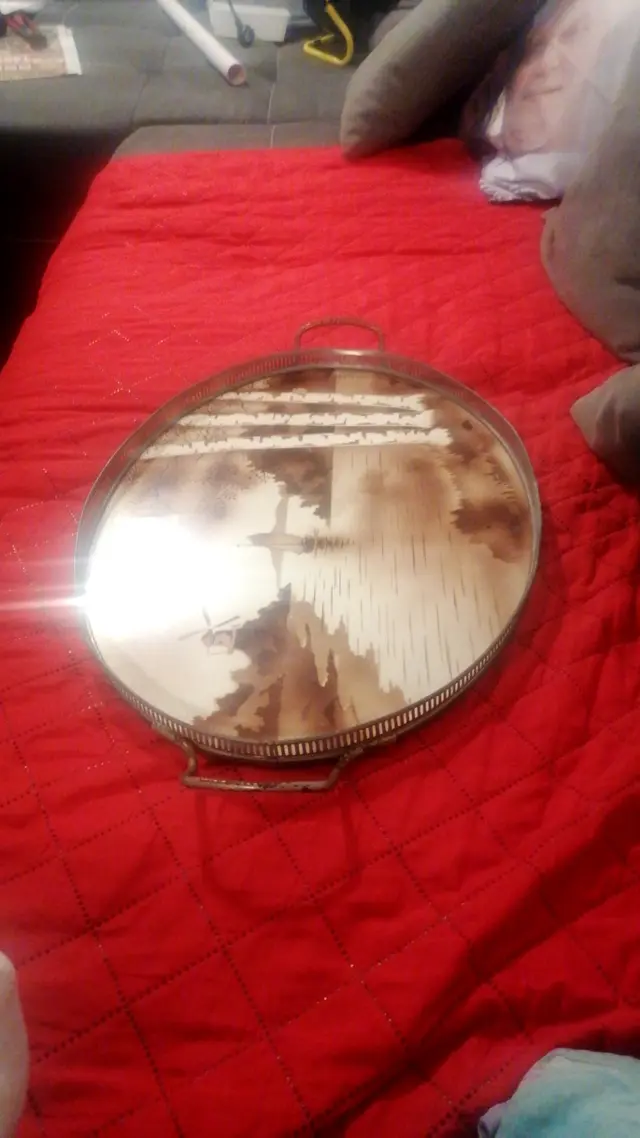
Mid-20th Century Oval Mirrored Serving Tray with Etched Landscape
Same category
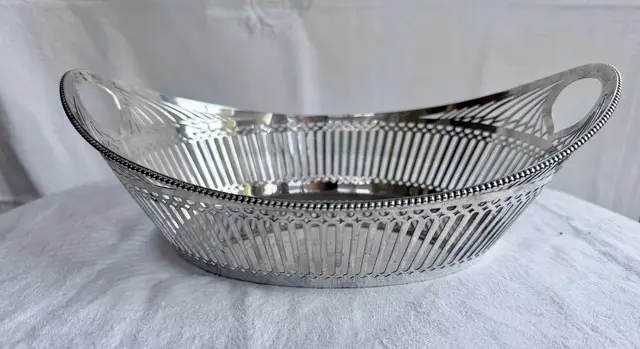
Silverplate Pierced Centerpiece Basket
Same category
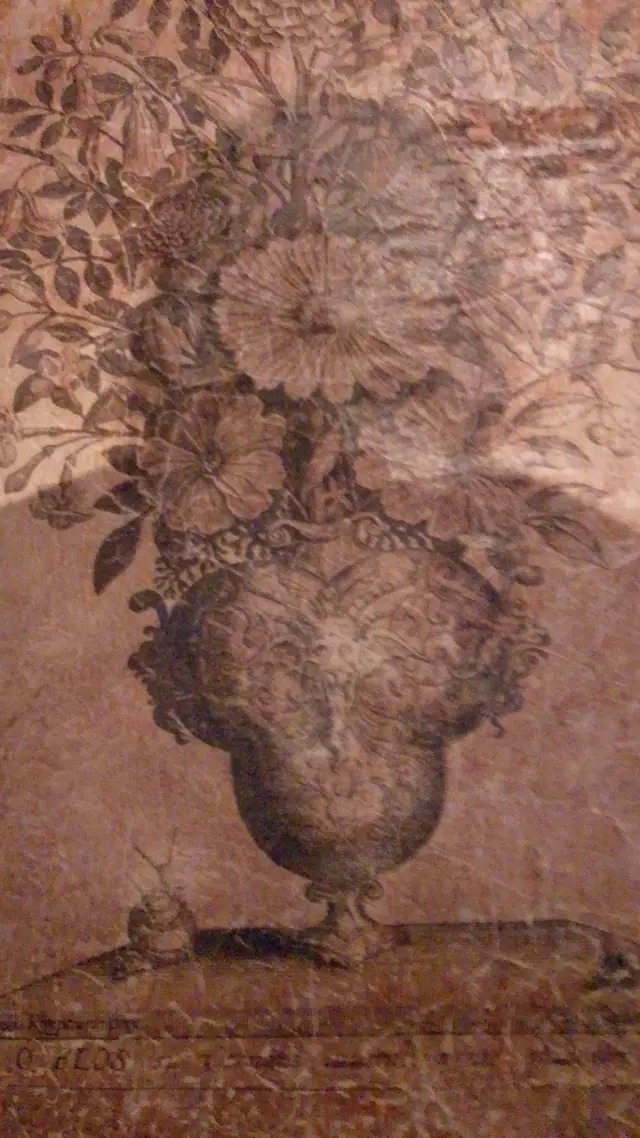
Botanical Still Life Wall Hanging (Print on Aged Paper)
Same category
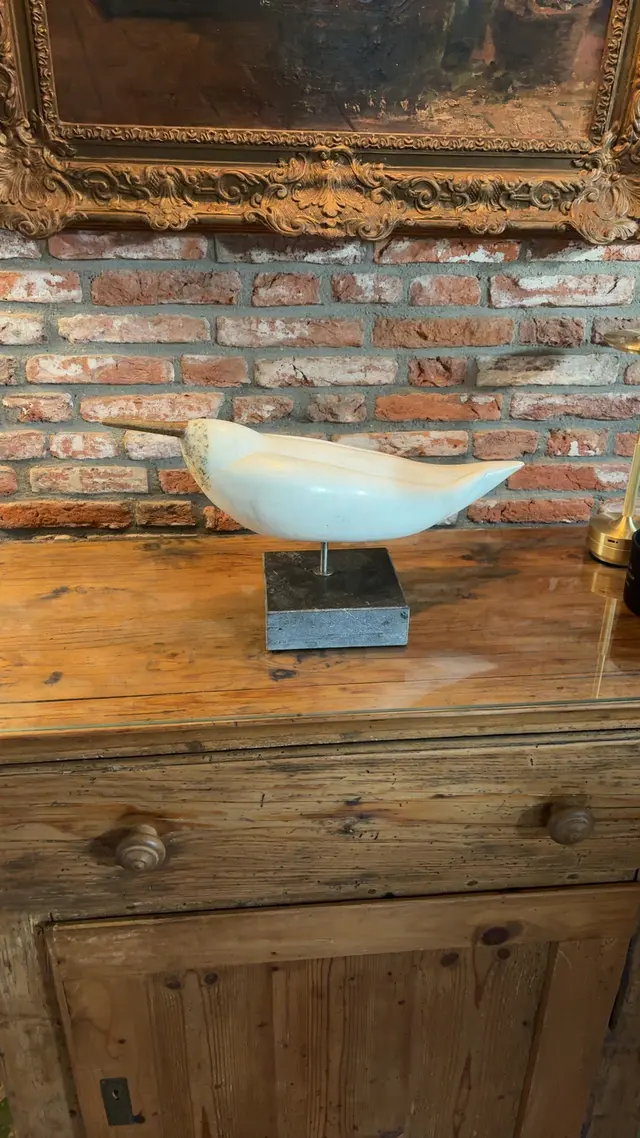
Marble Bird Sculpture on Marble Base
Same category
Figurine of a North African or Middle Eastern Woman
Same category
Explore Decorative Objects
Silver, glassware, metalwork, enamelwork, and decorative arts.
Decorative Objects value and rarity guideShare this find
A place for your decorative
Keep its photographs, maker’s marks and the story you know in one object record. Start with a photo.
Create an account for 10 free scans. No credit card needed.
Join the conversation