
Chinese Green Onyx or Chalcedony Barrel Beads
Visual assessment
Photo analysis
Save to revisit in your watchlist. This does not add the object to your own collection.
Chinese Green Onyx or Chalcedony Barrel Beads
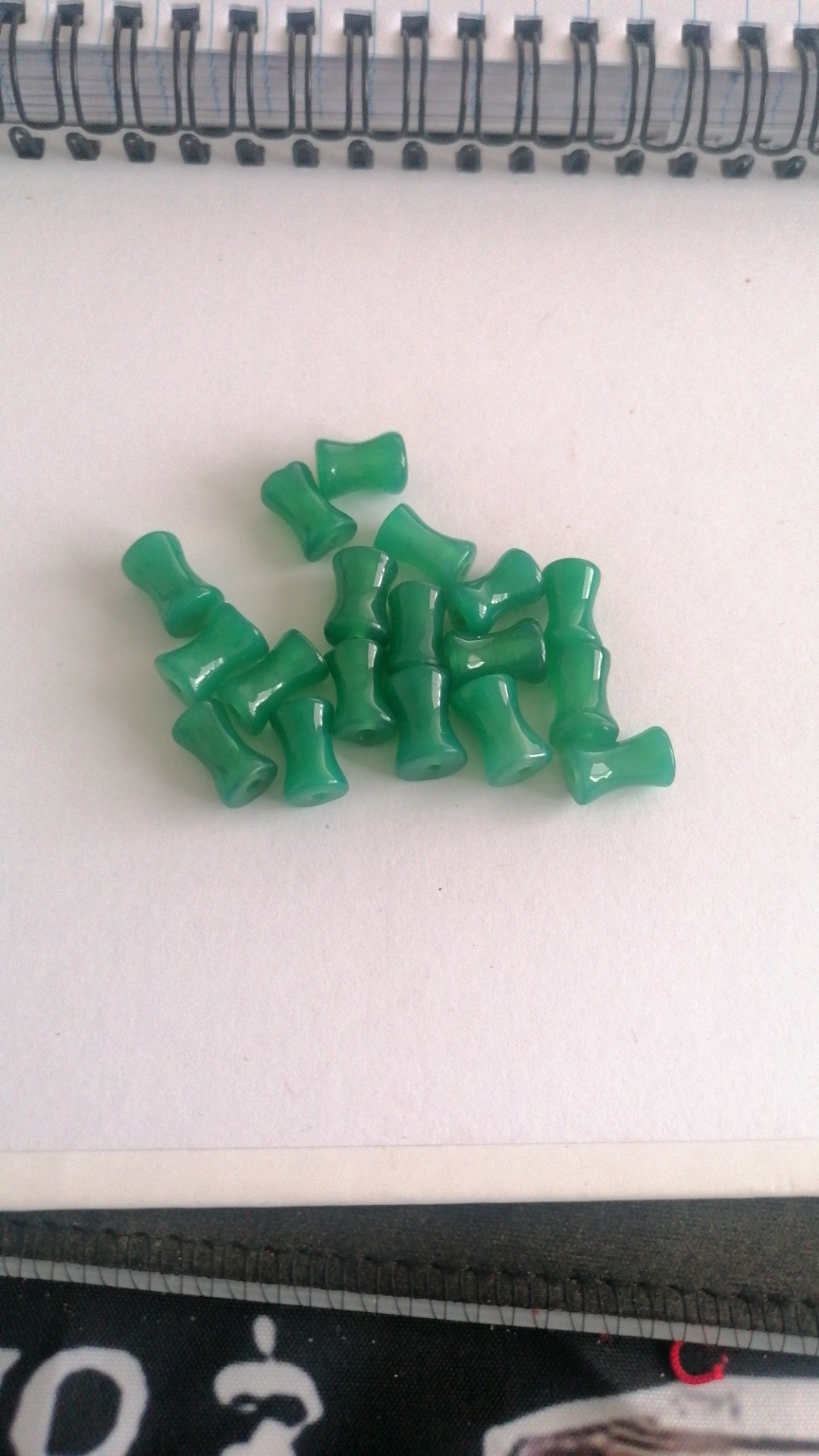
This lot presents a collection of small, barrel-shaped beads, primarily in a vibrant, consistent green hue. Their form, tapering slightly in the middle with flared ends, suggests they are designed to be strung or incorporated into jewelry pieces. The translucent quality and uniform color are indicative of a material like onyx, chalcedony, or possibly a dyed agate, commonly used in bead making.
Related traditions
East Asian
Ancient to present
Green stones like jade and chalcedony have been revered for millennia, symbolizing purity, wisdom, and longevity. These beads evoke that cultural preference for green stones.
Use and ceremony
Ancient civilizations
Green stones often carried spiritual or protective meanings and were symbols of status and wealth.
Modern era
While still appreciated for their natural beauty, such beads are now often viewed primarily as decorative components for fashion jewelry or crafting.
Origins and context
Barrel beads, in various materials, have been a staple in jewelry and decorative arts across cultures for millennia. Their simple, symmetrical form makes them versatile. In the context of green stones, materials like jade, onyx, and chalcedony have been highly in many cultures, particularly in East Asia, for their aesthetic beauty and perceived spiritual properties. These specific barrel-shaped beads have a clean, modern cut, suggesting a more contemporary manufacturing process rather than ancient hand-carving.
Further details
Chalcedony, a cryptocrystalline form of silica, can occur in a vast array of colors, with green varieties often mistaken for jade due to similar appearance.
The barrel bead shape is ancient, found in archaeological sites globally, suggesting its enduring appeal and ease of manufacture.
Attribution and evidence
The visual characteristics strongly suggest these are polished stone beads, most likely a variety of chalcedony or onyx. The general appearance and common bead shapes allow for a confident assessment of form and primary material category.
Identifying details
- 1Consistent barrel shape with flared ends.
- 2Uniform translucent green color, suggesting dyed chalcedony or onyx.
- 3Highly polished surface with no visible wear.
- 4Small size and quantity indicate they are likely components for jewelry making.
Open questions
- •Difficult to definitively identify the exact stone without laboratory testing (e.g., specific gravity, refractive index). Could be dyed quartz, onyx, or another chalcedony variety.
Photographs that would help
- Perform specific gravity and refractive index tests to confirm gemstone identity.
- Examine under magnification for any internal inclusions or growth patterns characteristic of natural stones versus synthetics or treated materials.
- Observe color stability under light exposure to check for dyeing consistency.
Terms in this record
- Chalcedony
- A cryptocrystalline form of silica, meaning it's composed of very fine intergrowths of quartz and moganite. It has a waxy luster and can be translucent or opaque.
- Onyx
- A variety of chalcedony with parallel bands. Often, solid-colored chalcedony is also referred to as 'onyx', particularly the black variety, but can also be green or other hues, often achieved through dyeing.
- Barrel Bead
- A type of bead that is roughly cylindrical or barrel-shaped, typically wider at the ends and slightly tapered or constricted in the middle.
Wear and preservation
The beads appear to be in excellent, unused condition. There are no visible chips, cracks, or signs of wear. The polish is consistent, suggesting they are newly manufactured or very well-preserved.
Materials and construction
The beads exhibit a highly polished, glossy surface with a smooth feel. Their translucency allows some light to pass through, and the color appears relatively consistent across the lot. There are no visible inclusions or surface imperfections discernible from the images.
Recorded physical details
Given their small size and the likely material (a chalcedony or onyx variety), these beads would feel light to moderate in weight, with a pleasant, cool tactile sensation characteristic of polished stone.
Scarcity and surviving examples
Common · 2/10 estimated rarity
This is a qualitative collection score, not a measured survival count, market percentile or proof of authenticity.
What the photographs establish
Interpretation of the photographs and supplied context. This does not authenticate the object.
- Common material for bead production.
- Simple, non-specific design.
- Wide availability of similar items.
Value and its basis
Estimate recorded: Feb 27, 2026
How we estimate value
- No documented comparable sales are shown for this estimate
- Condition, completeness & craftsmanship
- Demand assumptions may not reflect current transactions
- The range is an estimate, not an asking price or sale result
For informational purposes only, not a formal appraisal.
Related objects
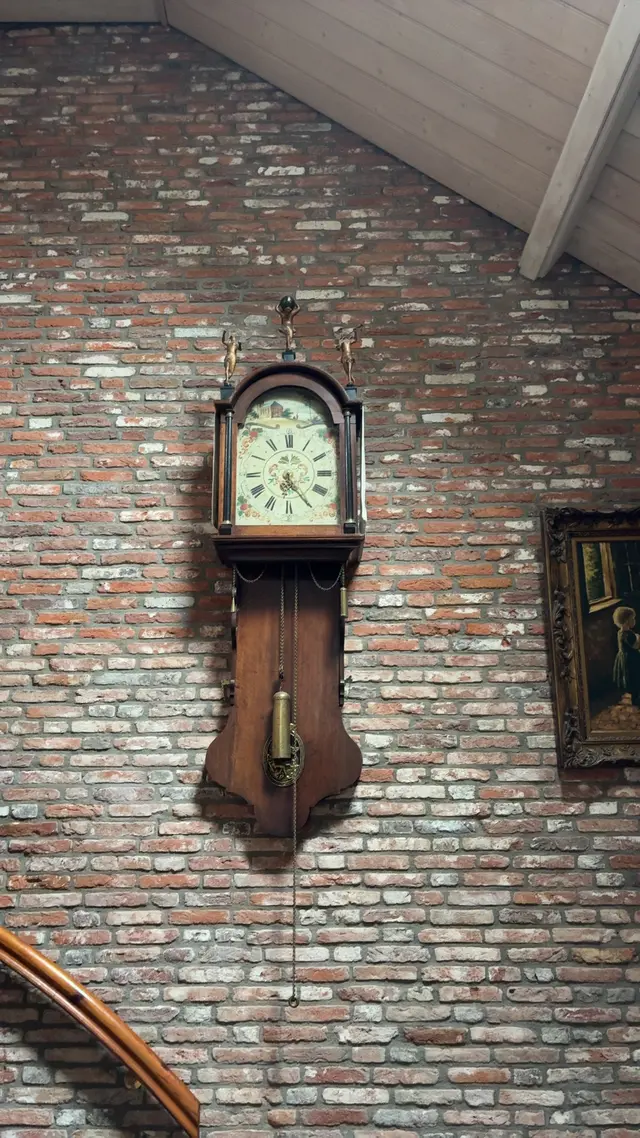
Dutch or German Wall Clock (Laterndluhr Style) with Painted Dial
Same category
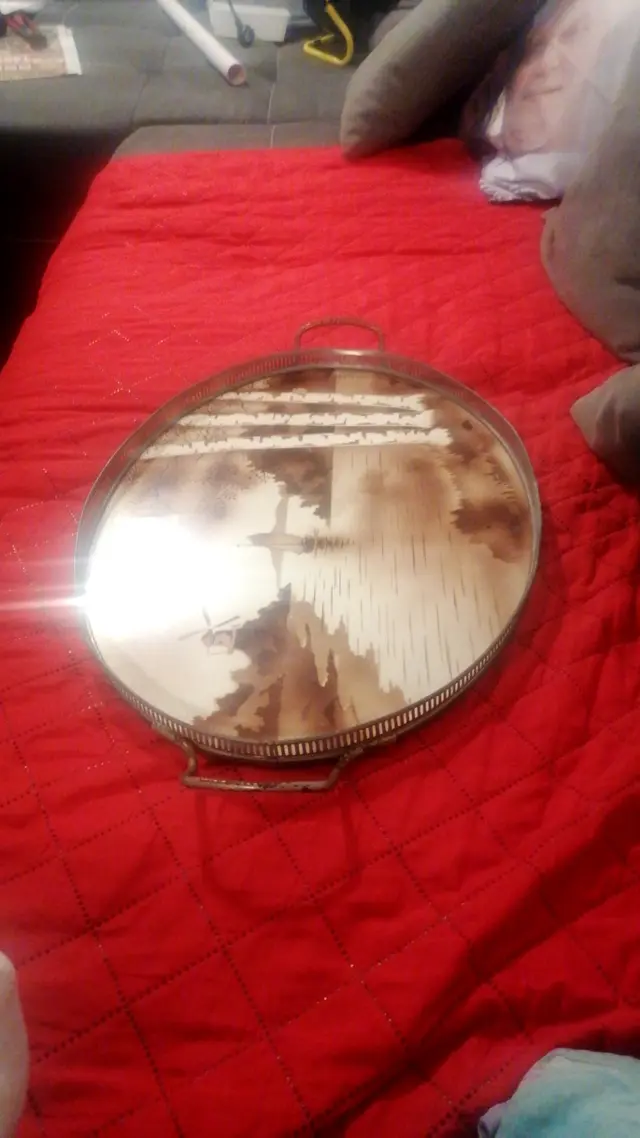
Mid-20th Century Oval Mirrored Serving Tray with Etched Landscape
Same category

Miniature Cyclo Model
Same category
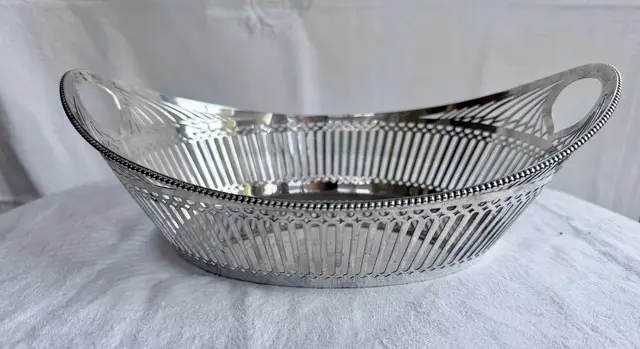
Silverplate Pierced Centerpiece Basket
Same category
Botanical Still Life Wall Hanging (Print on Aged Paper)
Same category
Marble Bird Sculpture on Marble Base
Same category
Explore Decorative Objects
Silver, glassware, metalwork, enamelwork, and decorative arts.
Decorative Objects value and rarity guideShare this find
A place for your decorative
Keep its photographs, maker’s marks and the story you know in one object record. Start with a photo.
Create an account for 10 free scans. No credit card needed.
Join the conversation