
Mid-20th Century Lithographic Print of Saint Joseph and the Christ Child
Estimated value
$15 - $50Rarity
Ordinary(3/10)Category
Religious & DevotionalEra
Mid-20th Century (c. 1940s-1970s)Origin
InternationalVisual assessment
Photo analysis
Save to revisit in your watchlist. This does not add the object to your own collection.
Mid-20th Century Lithographic Print of Saint Joseph
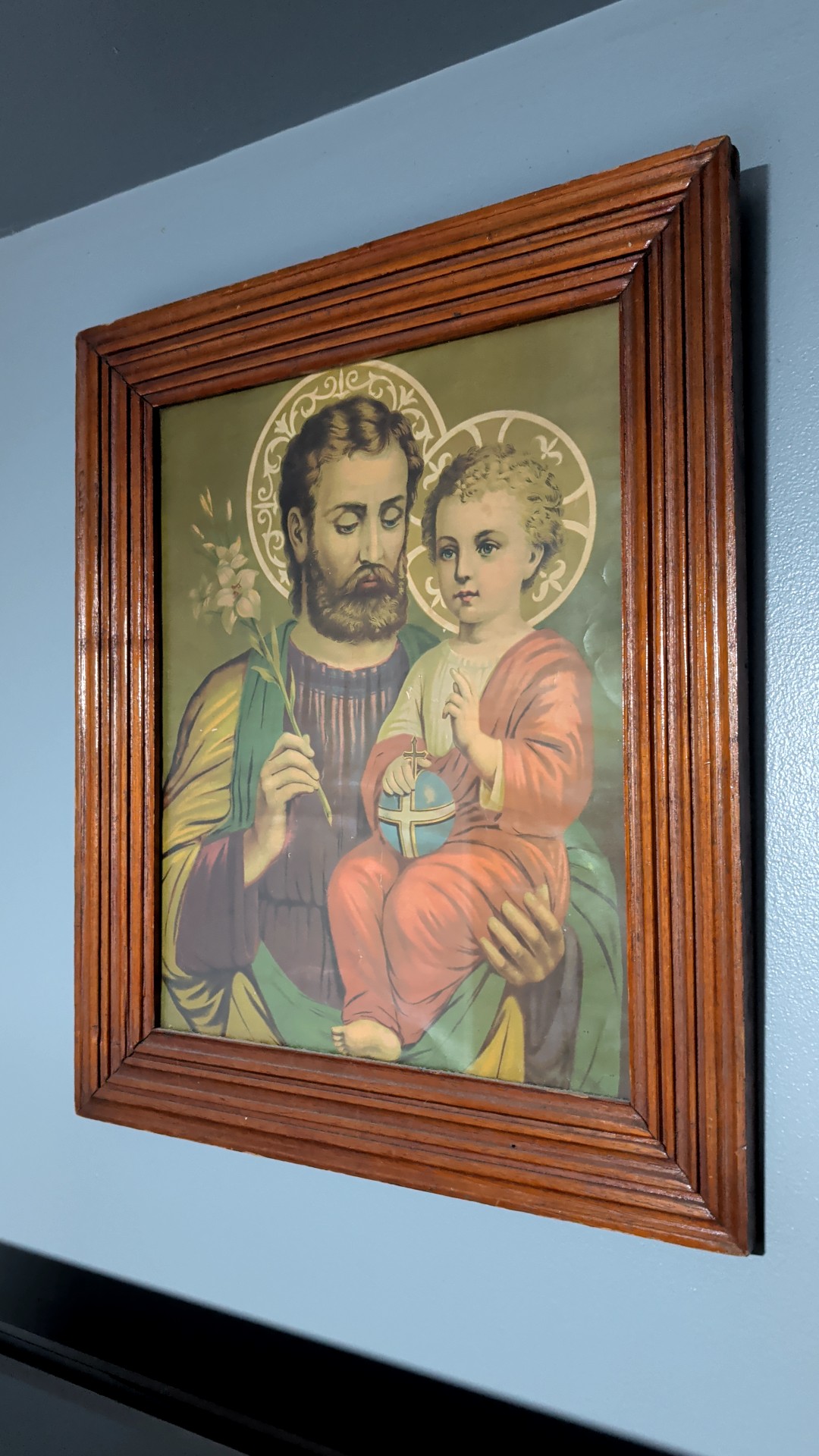
This appears to be a chromolithographic print depicting Saint Joseph holding the Christ Child. Saint Joseph is shown with his traditional attributes: a beard, a staff, and white lilies, symbolizing purity and his role as the Virgin Mary's chaste spouse. The Christ Child, seated on Joseph's lap, holds a globus cruciger, a symbol of Christ's dominion over the world, often featuring a cross, though here it appears as a globe. Both figures have halos rendered as decorative concentric circles, a common motif in popular religious prints to denote sanctity.
The print is housed in a simple, machine-made wooden frame, likely pine or a similar softwood, with a grooved or reeded profile.
Related traditions
Catholicism (Western tradition)
17th Century to Present
Devotional prints of saints and the Holy Family were a cornerstone of private religious practice in Catholic homes across Europe and the Americas, especially after the Council of Trent encouraged visual aids for piety.
Use and ceremony
Late 19th - Mid 20th Century
These prints were primarily understood as accessible tools for fostering personal piety and decorating Catholic homes with sacred imagery, reflecting widespread devotion to specific saints.
Late 20th Century - Present
While still serving devotional purposes for some, these prints are also collected as nostalgic Americana or 'vintage kitsch,' valued for their aesthetic and historical representation of popular religious iconography rather than solely for sacred function.
Origins and context
Prints like this became widely accessible in the late 19th and throughout the 20th century due to advancements in printing technology, particularly chromolithography. These devotional images played a critical role in Catholic households, serving as focal points for private prayer and religious instruction. The veneration of Saint Joseph gained particular prominence from the mid-19th century onwards, with popes like Pius IX and Leo XIII promoting his cult, making images of him with the Christ Child very popular for domestic devotion.
Further details
Saint Joseph is the patron saint of the Universal Church, fathers, workers, carpenters, and a happy death. He is often depicted with a lily, a symbol of purity, and a carpenter's tool.
The globus cruciger, held by the Christ Child in many depictions, has been a symbol of Christian authority since the Middle Ages, representing Christ's rule over the Earth, and by extension, the authority of Christian monarchs.
Attribution and evidence
The iconography is distinct and the printing and framing techniques are characteristic of mid-20th century popular religious art, allowing for a strong identification of type and era.
Identifying details
- 1Iconography clearly depicts Saint Joseph with Christ Child, identified by lilies and globus cruciger.
- 2Printing style (chromolithography) and visual quality suggest mass production common from mid-20th century.
- 3Frame characteristics (machine-grooved wood, simple construction) are consistent with prints of that era.
- 4General condition of paper (yellowing, possible foxing) aligns with typical aging for a print of its age.
Photographs that would help
- Carefully remove the backing to check for any printer's marks, distributor labels, or edition information.
- Inspect the print directly out of the frame for any signatures or dates that might be obscured.
- Examine the paper quality and details of the image more closely to confirm printing technique.
Terms in this record
- Chromolithography
- A method for making multi-color prints, developed in the 19th century, which allowed for mass production of affordable art and images through the use of multiple lithographic stones, each printing a different color.
- Globus cruciger
- A cross-bearing orb, used as a Christian symbol of authority, representing Christ's dominion over the world, or by extension, an earthly ruler's divine mandate.
- Foxing
- Discoloration, usually browning or spots, that often appear on old paper, caused by fungal growth or metallic impurities in the paper reacting to humidity.
Wear and preservation
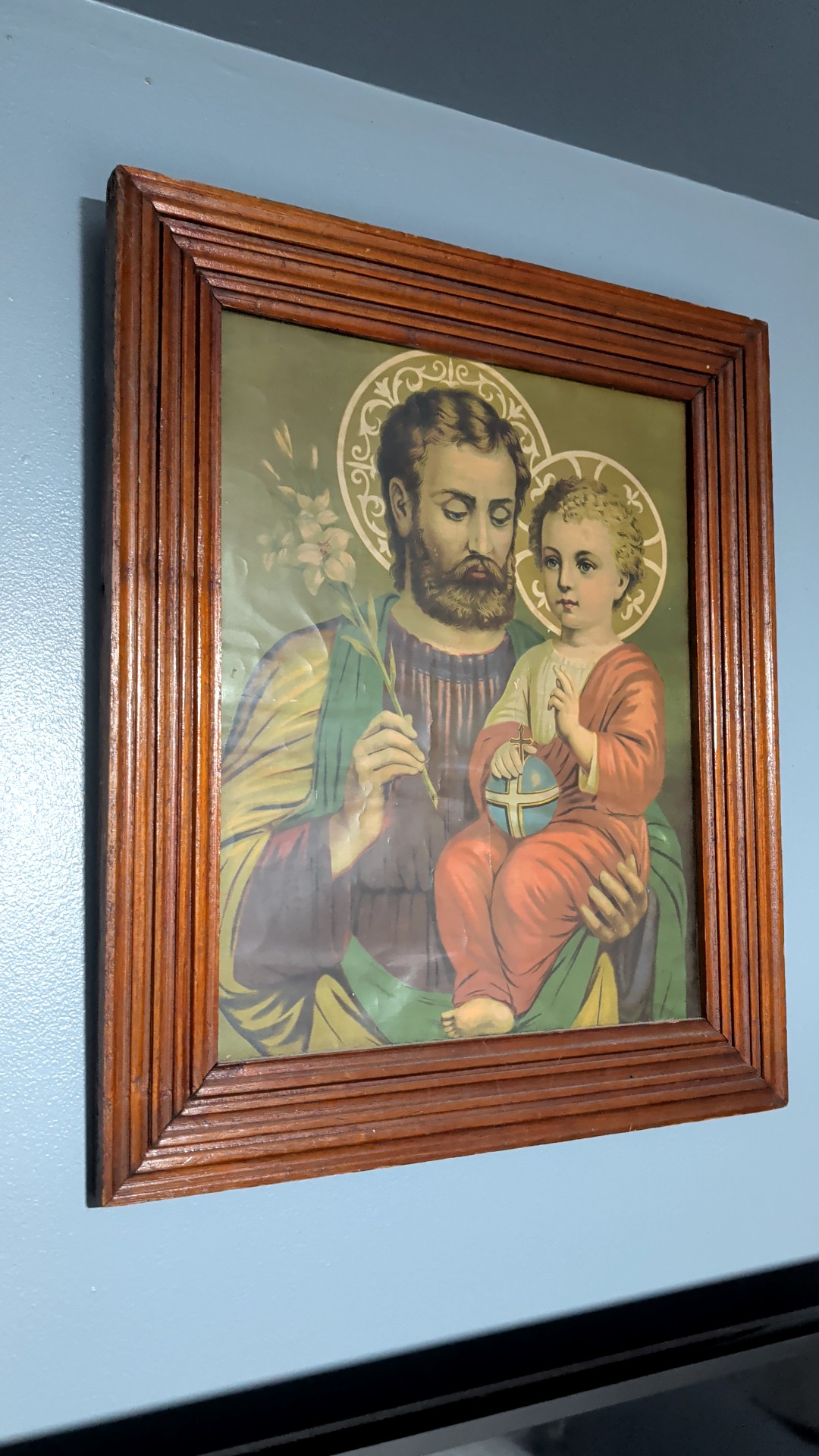
The print exhibits visible discoloration behind the figures. The frame shows minor wear consistent with age and display, but no significant damage like cracks or major chipping. The protective covering over the print (glass or acrylic) appears intact, though glare limits full assessment.
Paper and printing
The print itself appears to be a chromolithograph, characterized by its multiple layers of color, which can create a somewhat flat yet vibrant image. The surface behind the figures shows some visible aging and discoloration, likely foxing or general paper yellowing. The frame is a smooth, varnished wood with distinct machine-cut grooves.
Recorded physical details
Based on the frame and presumed paper print, the object is likely lightweight to moderately heavy, as would be typical for a framed graphic print of this size.
Scarcity and surviving examples
Ordinary · 3/10 estimated rarity
This is a qualitative collection score, not a measured survival count, market percentile or proof of authenticity.
What the photographs establish
Interpretation of the photographs and supplied context. This does not authenticate the object.
- Easily identifiable subject matter and common printing technique.
- Mass-produced item, not typically targeted for forgery.
- No pretense of being a unique artwork or antique of significant value.
Value and its basis
Estimate recorded: Feb 27, 2026
How we estimate value
- No documented comparable sales are shown for this estimate
- Condition, completeness & craftsmanship
- Demand assumptions may not reflect current transactions
- The range is an estimate, not an asking price or sale result
For informational purposes only, not a formal appraisal.
Related objects
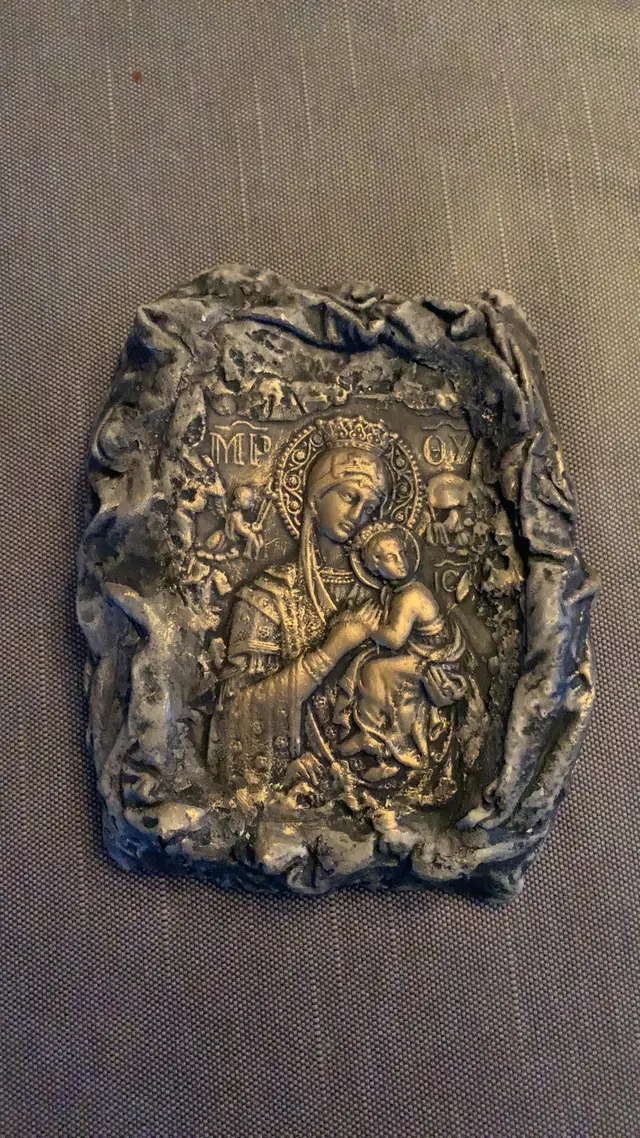
Orthodox Virgin Mary and Child Relief Plaque
Same category
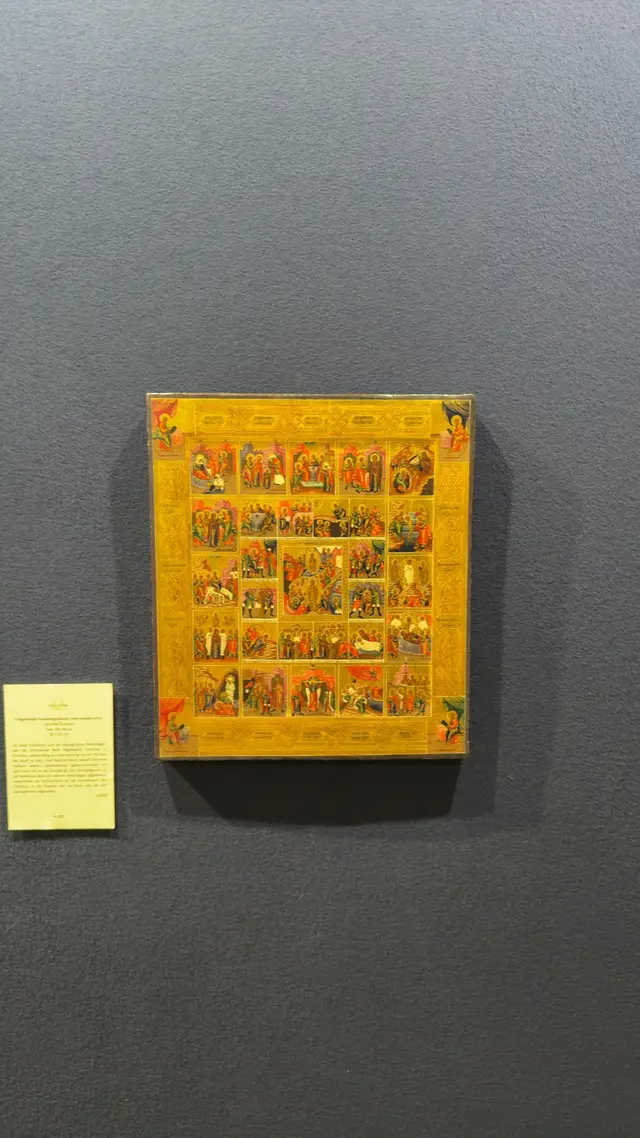
Orthodox Feast-Day Icon with Resurrection and Passion Scenes
Same category
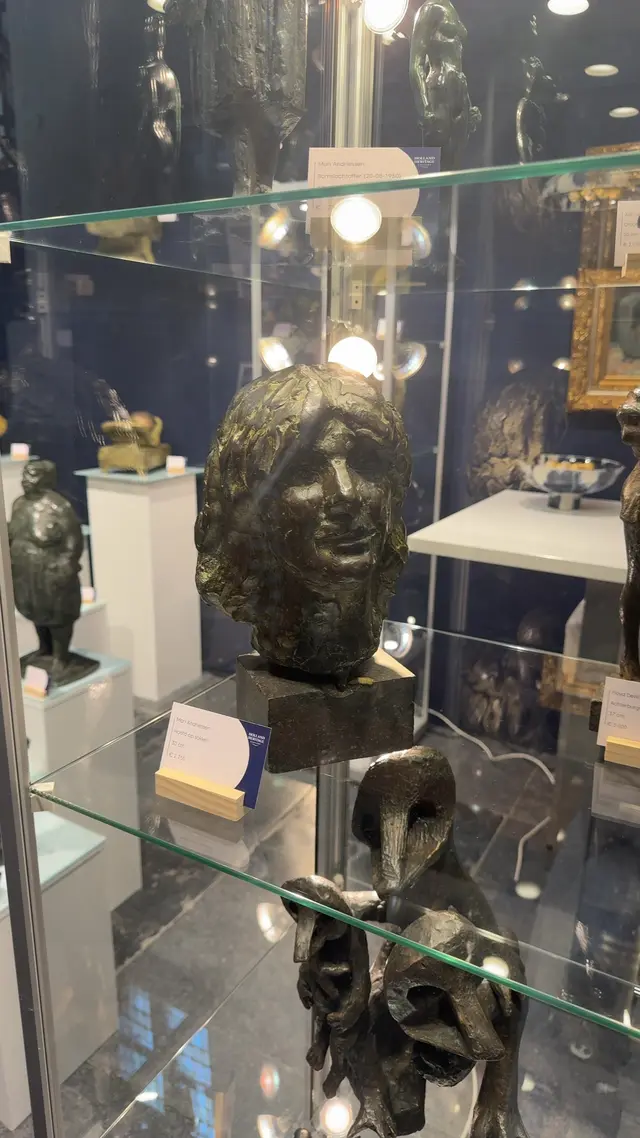
Mari Andriessen (Dutch, 1897-1979) - Hoofd op Sokkel, Bronze, c. 1950-1970
Related category

Dash Rodgerz Mixed-Media Blacklight Sculpture with Ukulele and Mushroom Motif
Related category

Dash Rodgerz Fluorescent Resin Waterfall Diorama Sculpture
Related category
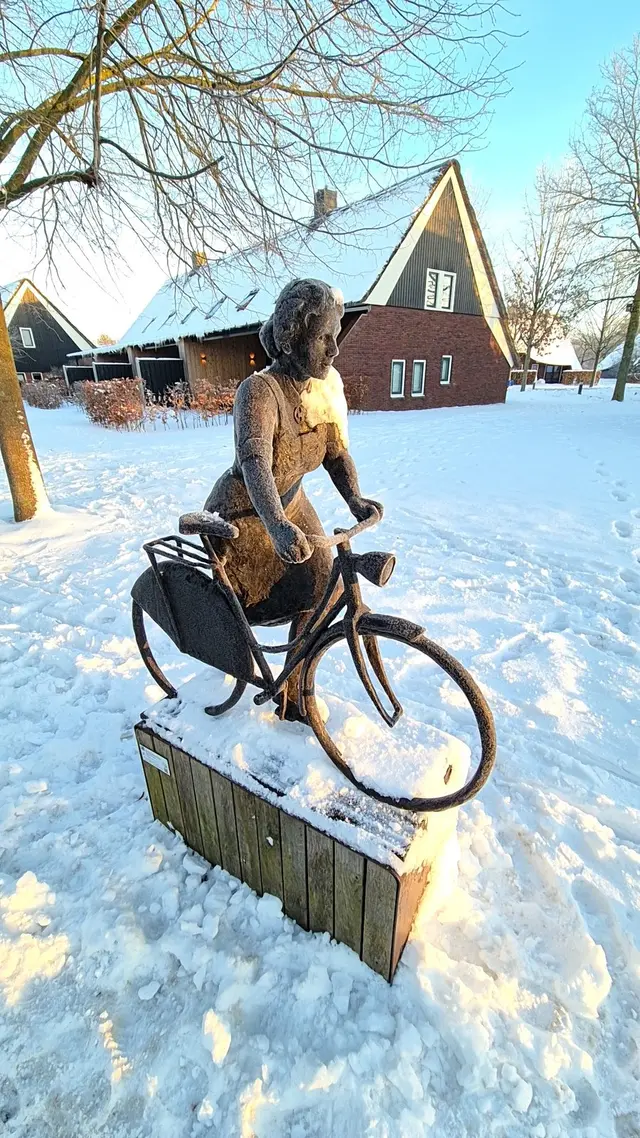
The Cyclist (Fietsster), Cast Bronze Sculpture on a Plinth
Related category
Explore Religious & Devotional
Icons, altar pieces, prayer items, and sacred objects from world religions.
Religious & Devotional value and rarity guideShare this find
A place for your religious
Keep its photographs, maker’s marks and the story you know in one object record. Start with a photo.
Create an account for 10 free scans. No credit card needed.
Join the conversation