Art appraisal and valuation guide for collectors

Canvases that captured souls. Sculptures that froze moments in bronze and marble for eternity. From salon masterpieces that scandalized their era to unsigned works that speak louder than their forgotten makers, every piece here represents a human compulsion to create beauty, provoke thought, or simply leave a mark on an indifferent world.

Browse Curiosities

Rarity:

Highest rated Art

Page 9 of 14 (168 objects)

Popular brands in Art

Have an art to identify?

Try our Art Scanner for expert-level analysis

From canvas to collector

What this category includes

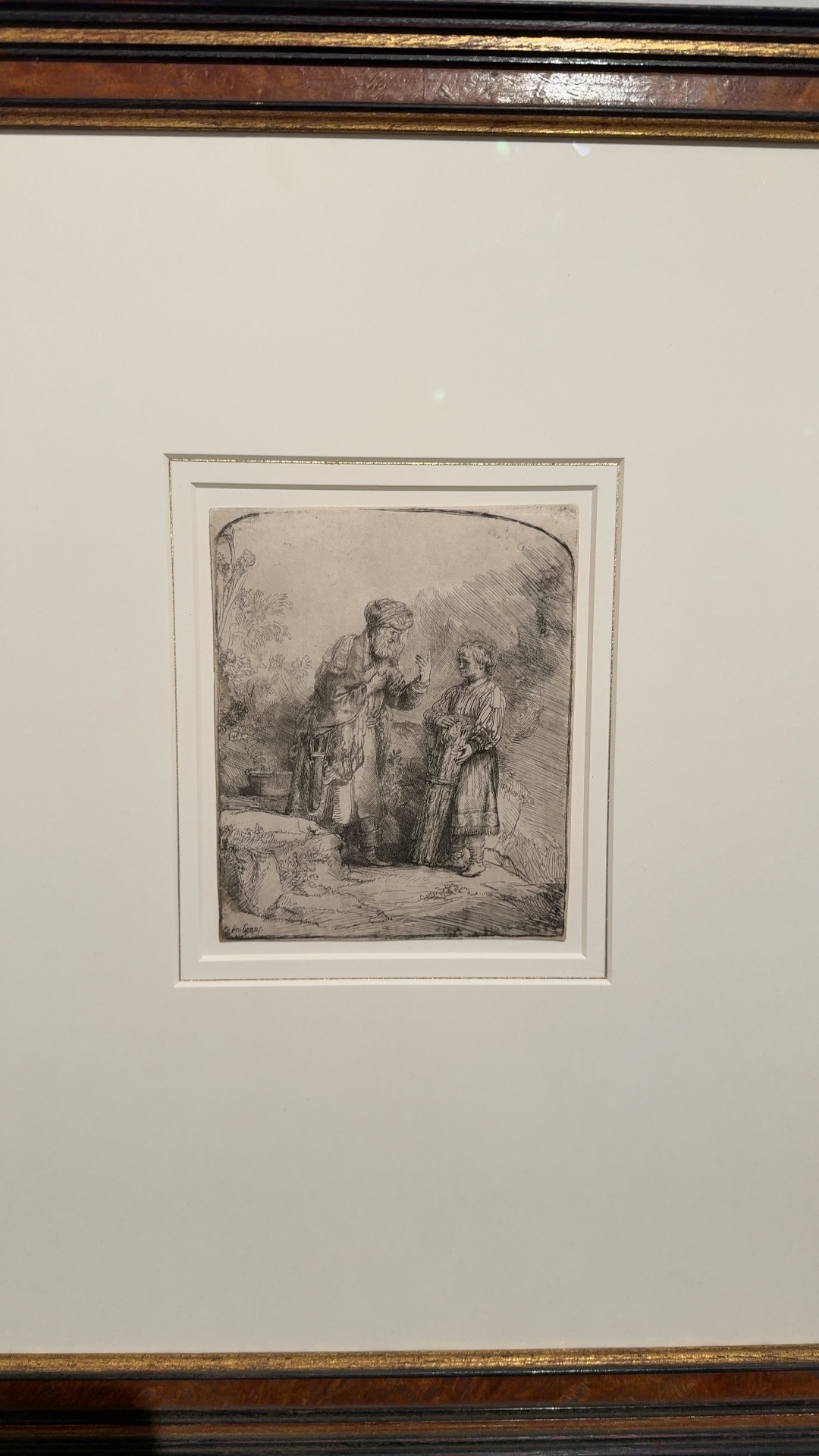
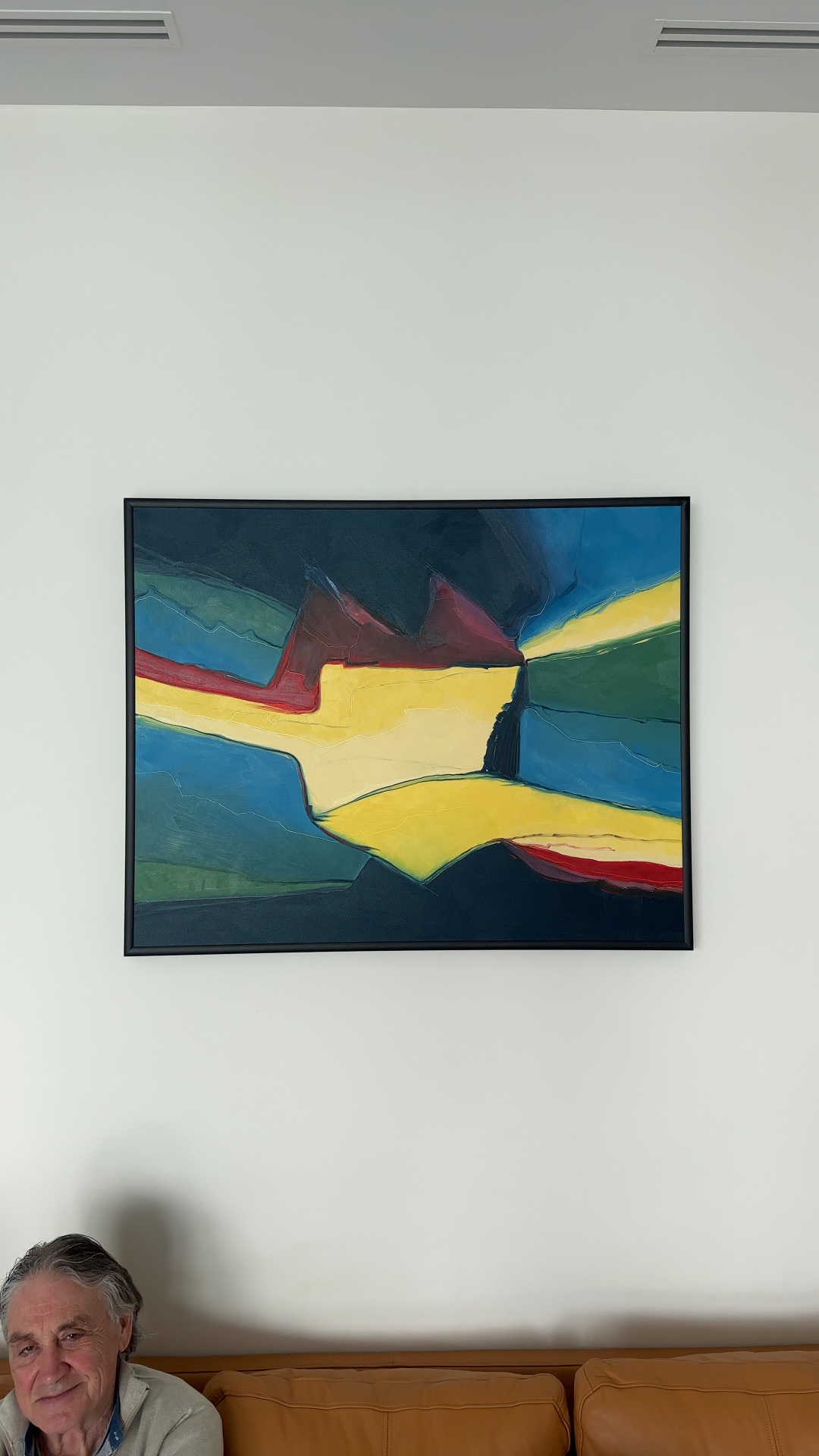
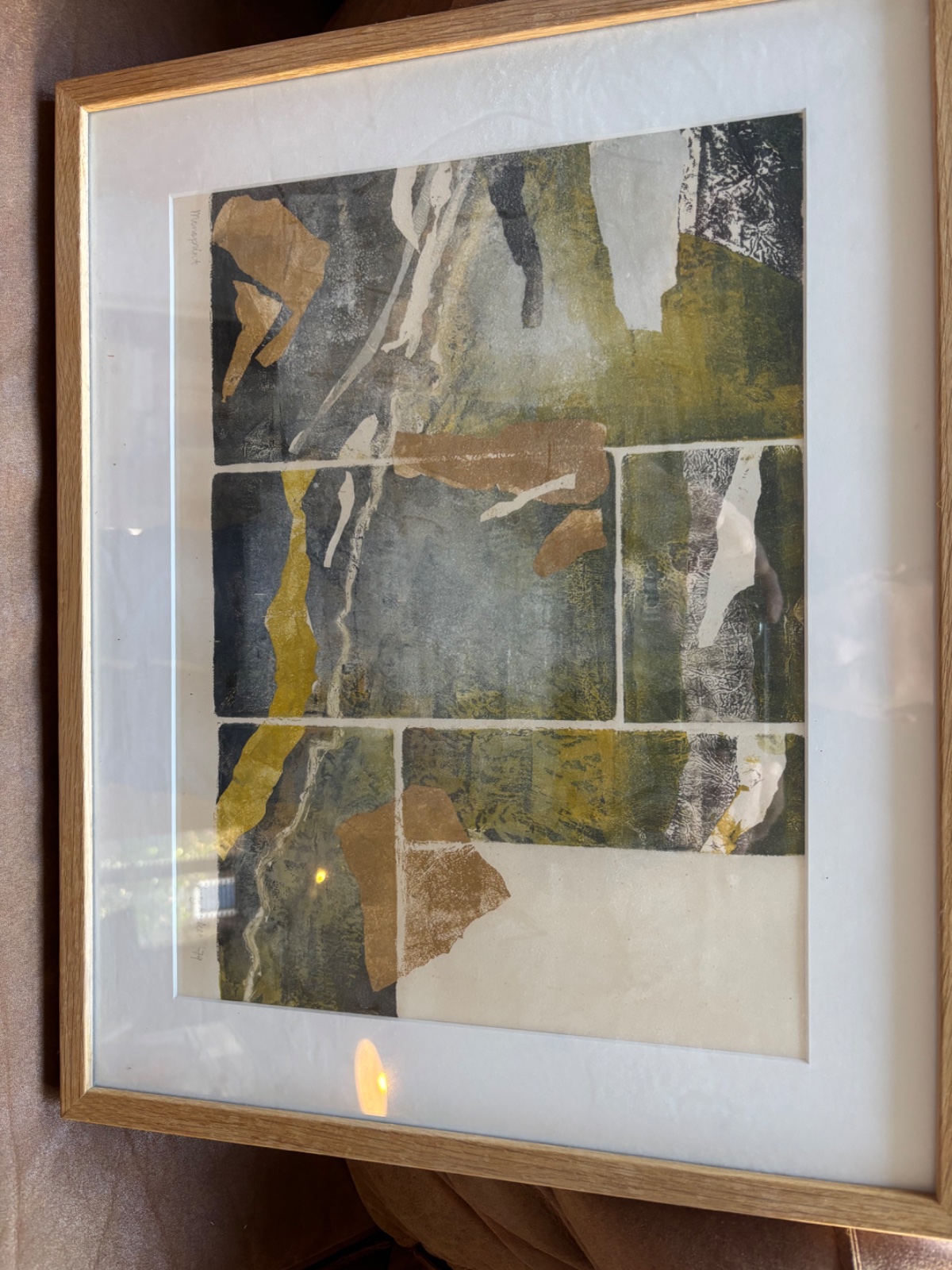
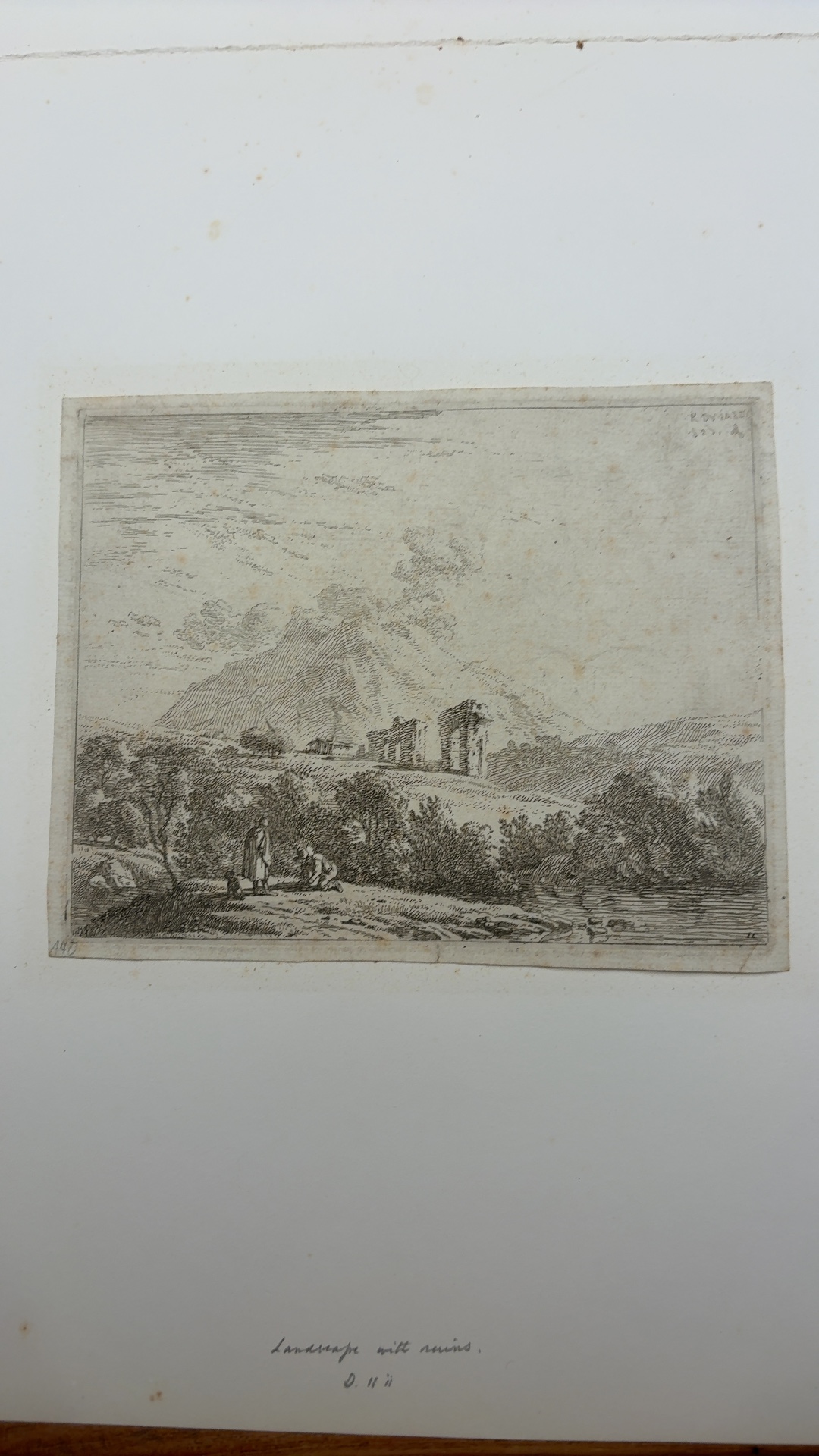
Art encompasses original creative works across all media and periods, oil paintings, watercolors, drawings, mixed media, sculpture in bronze, marble, wood, and found materials, as well as installations and conceptual pieces. The category spans Old Masters through contemporary emerging artists, covering academic painting, Impressionism, Expressionism, Abstract Expressionism, Pop Art, street art, and everything between a Rembrandt etching and a Banksy screen print. Both blue-chip gallery work and outsider art live here.

Read more

What makes art valuable

Attribution and authentication are paramount. A confirmed work by a recognized artist versus an "attributed to" or "circle of" designation can mean a hundredfold price difference. Exhibition history, published catalogue raisonné inclusion, and provenance chain all contribute to confidence and value. Medium matters, oil on canvas typically commands more than works on paper by the same artist. Period significance plays a role: works from an artist's most creative phase fetch premiums. Condition issues like craquelure, foxing, or restoration are assessed differently depending on age, a 300-year-old painting with honest aging is valued differently than a damaged contemporary piece. Market momentum, critical recognition, and institutional acquisitions all drive prices.

Popular subcategories

The most actively traded segments include paintings (oils, acrylics, watercolors), prints and multiples (lithographs, etchings, screen prints), and sculpture. Contemporary art by living artists dominates auction volume, while 19th-century academic and Impressionist works remain the highest-value segment. Street art and urban contemporary have matured into a serious collecting field. Outsider and self-taught art has seen significant institutional recognition. Photography as fine art continues its upward trajectory, particularly vintage prints and limited editions.

Frequently asked questions about art

How reliable are automated art authentication tools in 2026?

Automated attribution tools have improved significantly since their introduction around 2020, but they remain supplementary rather than definitive. Systems like Art Recognition AG and Hive report accuracy rates above 90 percent for well-documented artists with large catalogued bodies of work, but struggle with artists who changed styles dramatically or worked in collaborative studios. Major auction houses including Christie's and Sotheby's now use scanning as a first-pass screening tool, but final authentication still requires expert panel review, provenance documentation, and often scientific analysis including X-ray fluorescence and infrared reflectography.

What is the difference between a catalogue raisonné entry and a certificate of authenticity?

A catalogue raisonné is a comprehensive, scholarly inventory of every known work by an artist, compiled over years or decades of research. Inclusion in a catalogue raisonné is the highest standard of authentication. A certificate of authenticity, by contrast, is a document issued by an individual or entity asserting that a work is genuine. Certificates vary wildly in reliability depending on who issues them. Those from recognized authentication boards (like the Warhol Authentication Board, which dissolved in 2011) or estates carry weight. Certificates from dealers or unaffiliated experts are less authoritative. Always verify the certifier's credentials and standing.

Why do oil paintings sell for more than watercolors by the same artist?

The market preference for oil over watercolor reflects both historical prestige and practical durability. Oils were traditionally considered the superior medium for major compositions, while watercolors were associated with preparatory studies and amateur practice. Oils are also more physically robust, less susceptible to light damage, and more visually impactful at large scale. At auction, watercolors by the same artist typically sell for 30 to 60 percent less than equivalent oils. Notable exceptions exist: Turner's watercolors are highly, and certain artists like Winslow Homer and John Singer Sargent achieved masterwork status in the medium.

What emerging art markets should collectors watch in 2026?

West African contemporary art has seen explosive growth, with artists like Amoako Boafo seeing auction prices rise from under 50,000 dollars in 2019 to over 3 million by 2024. Southeast Asian contemporary art, particularly from the Philippines and Indonesia, remains undervalued relative to quality. Digital and computer-assisted art continues to evolve past the initial NFT speculation. Latin American abstraction from the 1950s and 60s (Lygia Clark, Hélio Oiticica, Jesús Rafael Soto) has gained significant institutional recognition, with prices lagging behind comparable European movements.

How does condition affect the value of older paintings?

For Old Master paintings (pre-1800), some restoration is expected and accepted. A painting with stable craquelure, minor inpainting, and a professional relining can retain 80 to 90 percent of its potential value if the original paint layer is substantially intact. For 19th and 20th-century works, expectations are higher: tears, water damage, paint loss, or heavy overpainting can reduce value by 50 percent or more. The critical factor is whether damage affects the composition's focal points. A small loss in a dark background area is far less damaging than a scratch across a face. Ultraviolet examination reveals overpainting invisible to the naked eye.

What percentage of art at auction fails to sell?

The buy-in rate (unsold lots) at major auction houses typically runs between 20 and 35 percent across all price tiers. For contemporary art sales at Christie's and Sotheby's in 2025, approximately 25 percent of lots went unsold. The rate is higher for mid-market works (10,000 to 100,000 dollars) and lower for trophy pieces above 1 million dollars, which are often backed by guarantees. Regional auction houses see higher buy-in rates of 35 to 50 percent. Timing matters: major evening sales in New York and London in May and November consistently outperform other sale periods.