
Rembrandt van Rijn
Dutch Golden Age painter and printmaker (1606–1669), widely regarded as one of the greatest visual artists in history. Rembrandt's mastery of light and shadow, psychological depth in portraiture, and innovative printmaking techniques have made his works among the most studied and collected in the world. Major museums hold his paintings as crown jewels of their collections.
Explore 4 objects4 objects

1–4 of 4 objectsPage 1 of 1
About Rembrandt van Rijn
ARTIST PROFILE
Years
1606–1669
Nationality
Dutch
Movement
Dutch Golden Age, Baroque
Mediums
Oil Painting, Etching
Known For
Art
Notable works
The Night Watch • The Anatomy Lesson of Dr. Nicolaes Tulp • Self-Portrait with Two Circles
The compositions that redefined chiaroscuro and printmaking technicality
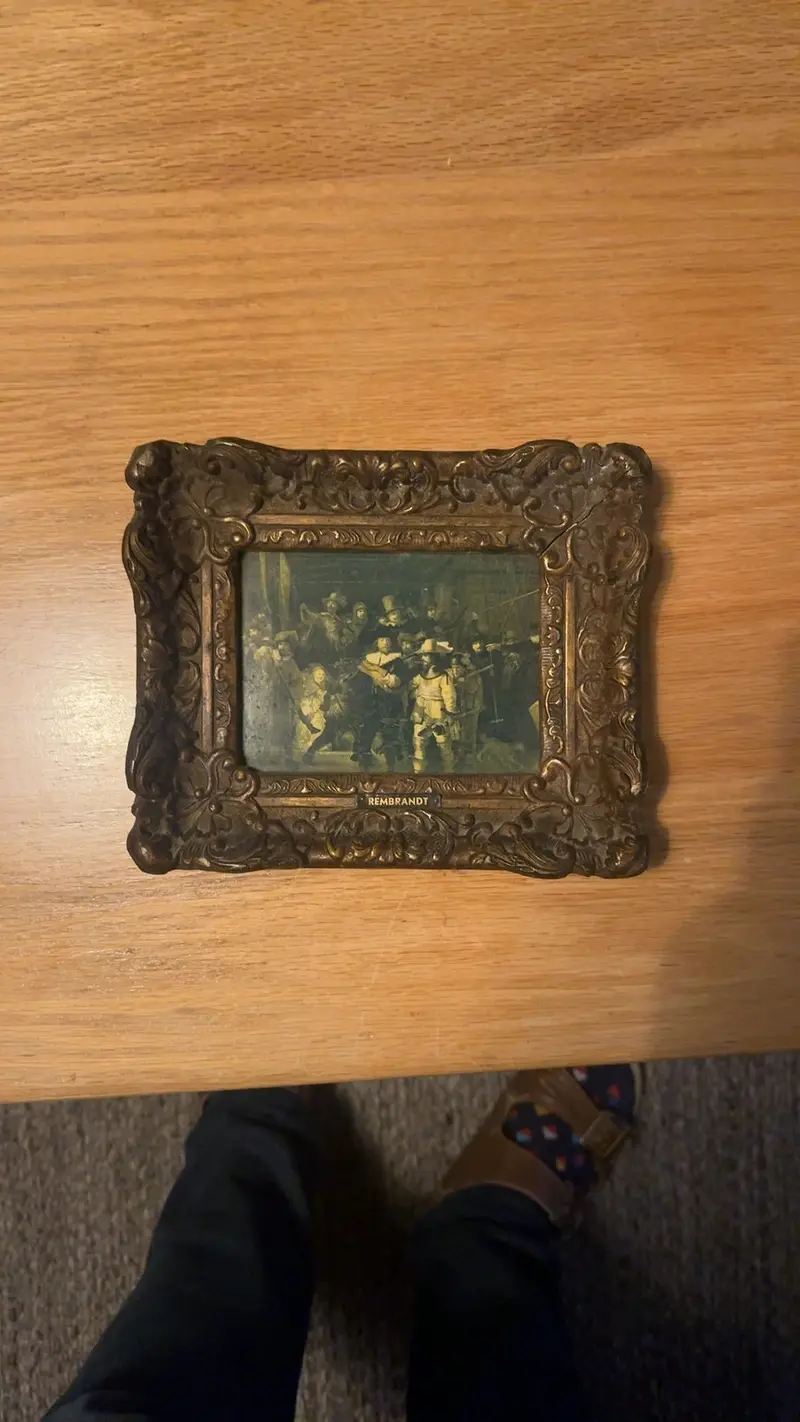
The Night Watch (Militia Company of District II under the Command of Captain Frans Banninck Cocq)
This 1642 militia company commission measures 363 by 437 centimeters and remains the largest canvas from the Dutch Golden Age. In 2021, the Rijksmuseum used artificial intelligence to restore the four edges trimmed in 1715, reintegrating figures on the left and right sides.
Show 3 moreShow less
The Hundred Guilder Print (Christ Healing the Sick)
This New Testament scene reached a record price for a print in 1767 by selling for 1,000 guilders, giving it a permanent nickname. Authentic impressions from the original 1649 copper plate show drypoint burr on the figure of Christ and the kneeling woman, which disappears in later 18th-century Captain Baillie restrikes.
The Jewish Bride
Painted in 1667, this work features heavy impasto measuring several millimeters thick on the sleeves of the male figure. It entered the Hermitage Museum in 1833 after being purchased from the collection of George Coesvelt for 10,000 rubles.
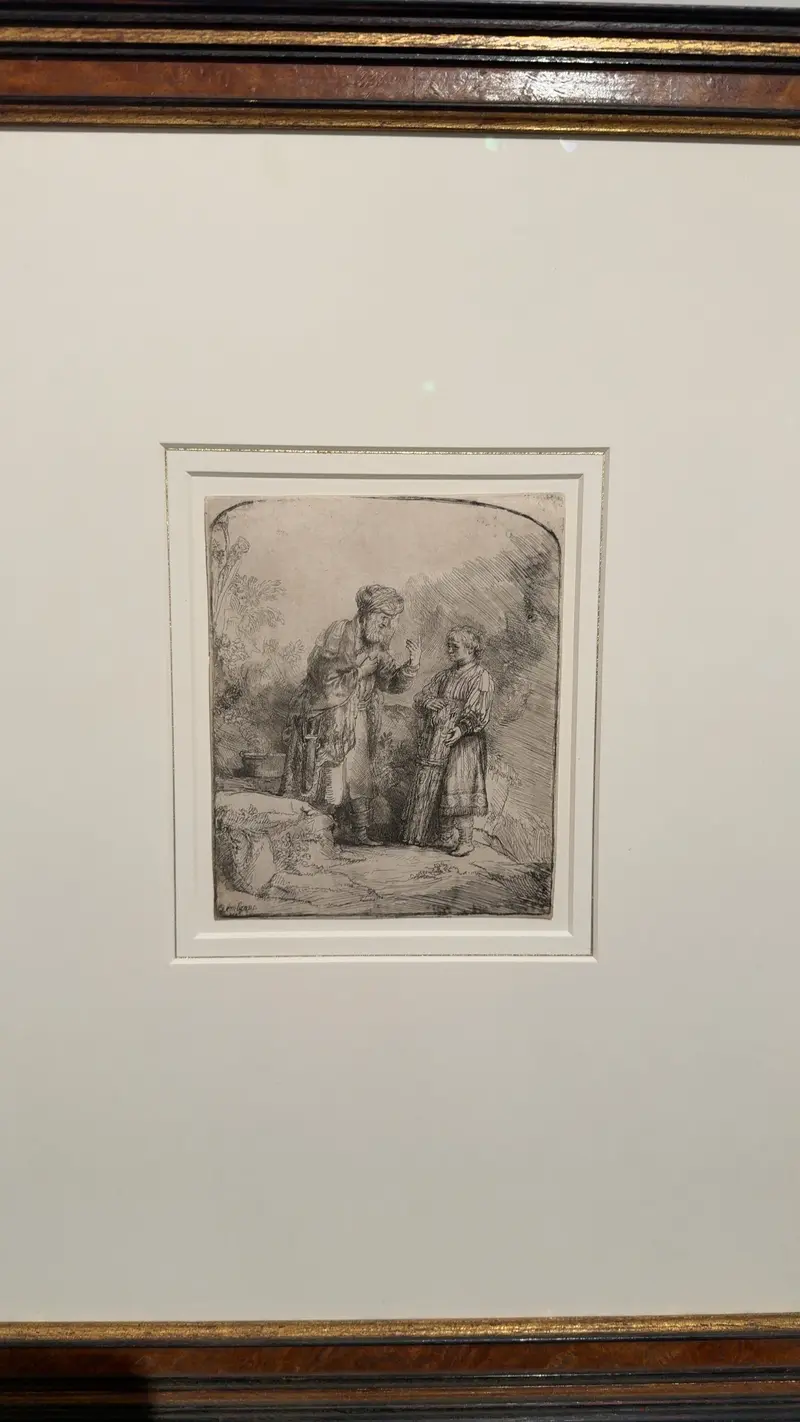
Abraham and Isaac (Bartsch 34)
Created in 1645, this first-state etching measures approximately 157 by 130 millimeters and depicts the biblical moment of divine intervention. Rare examples with the original 17th-century plate tone command prices exceeding $40,000 at specialized print auctions like Christie’s Old Master sales.