Kees van Dongen

Dutch-French painter (1877–1968) and one of the leading Fauvist artists. Known for his vibrant portraits of society figures and sensuous depictions of women, van Dongen's work bridges Post-Impressionism and Expressionism. His paintings regularly appear at major auction houses, with top works selling for millions.

Explore 2 objects

2 objects

1–2 of 2 objectsPage 1 of 1

About Kees van Dongen

ARTIST PROFILE

Years

1877–1968

Nationality

Dutch-French

Movement

Fauvism, Expressionism

Mediums

Oil Painting, Watercolor

Known For

Art

Notable works

The Corn Poppy • Woman with a Cat • Portrait of Fernande Olivier

The vibrant Fauvist canvases and society portraits that defined the Parisian avant-garde

La Gitane (The Gypsy) (1910-1911)

This 81 by 60 centimeter oil on canvas sold for $13.8 million at Christie’s New York in 2010, marking a peak for Fauvist portraits characterized by heavy impasto and stylized almond eyes.

Show 3 more

The Red Dancer (1907)

Created during his association with the Die Brücke group in Dresden, this work illustrates his transition from Impressionism to a high-contrast palette of vermilion and emerald green.

Dolly au collier de perles (1920)

This portrait of his daughter, sold for £3.6 million at Sotheby’s London in 2021, demonstrates his shift toward the 'elongated style' of the 1920s jazz age socialites.

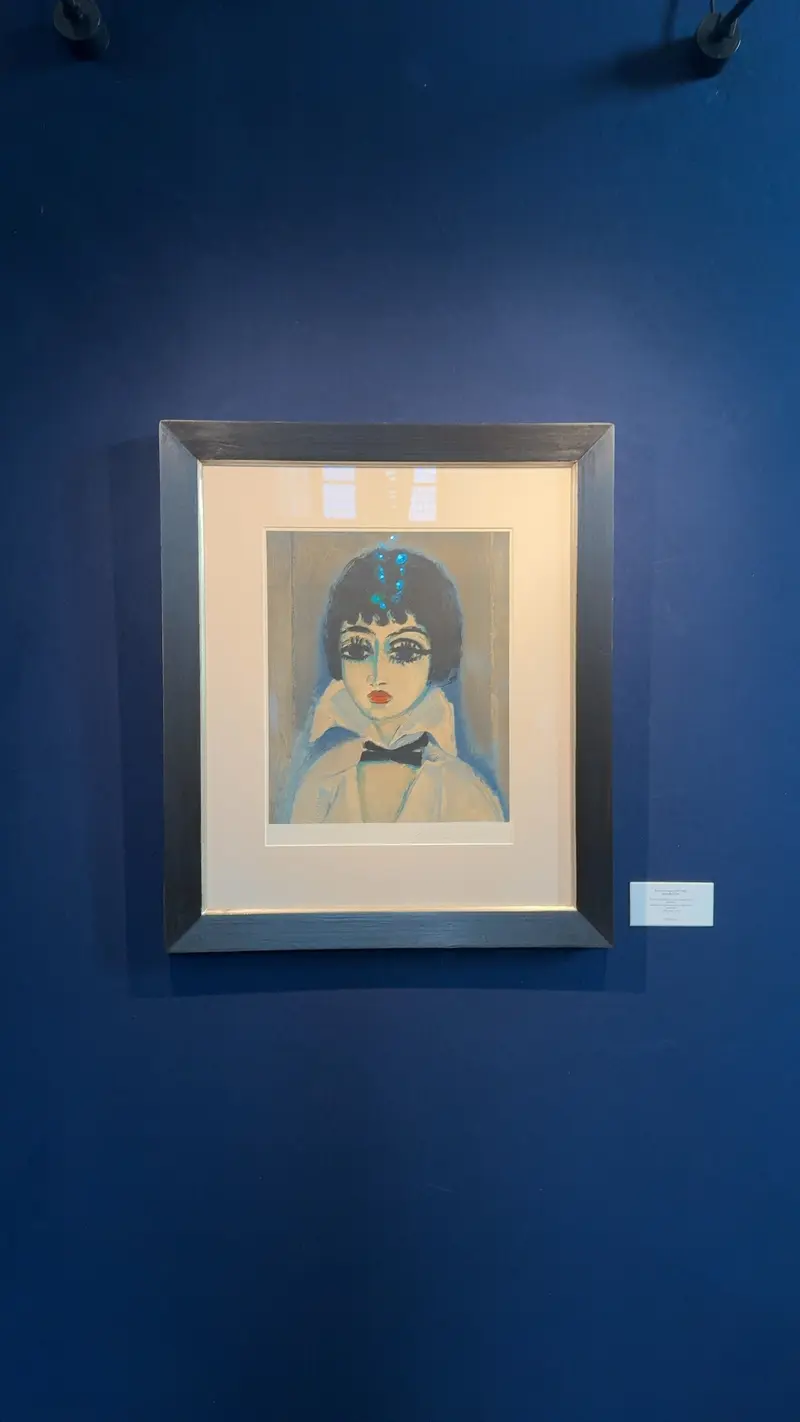
Marcelle Léoni (1959)

A 1959 color lithograph representing his late-career printmaking, where he used flat planes of color to depict the actress Marcelle Léoni in an edition of approximately 200 copies.

Questions about Kees van Dongen

How much is an original Kees van Dongen painting worth?

The record for the artist was set in May 2010 at Christie’s London, where 'La Gitane' sold for over $13.8 million. His 1920s society portraits typically fetch between $800,000 and $2.5 million, while medium-sized lithographs from the 1950s often sell for $3,000 to $8,000 at auction.

How can collectors verify the authenticity of a Van Dongen work?

Authentic works must be accompanied by a certificate from the Wildenstein Plattner Institute, which is currently compiling the digital catalogue raisonné. Original lithographs from the early 1900s often feature a 'Van Dongen' signature in the stone or pencil, and collectors should look for specific paper watermarks like 'Arches' or 'Rives' in later editions.

What are the most desirable periods for Van Dongen collectors?

Van Dongen transitioned from the Dutch impressionist style to Fauvism in 1905 after exhibiting at the Salon d'Automne with Henri Matisse and André Derain. By 1908, he had joined the German expressionist movement Die Brücke, marking a critical period where his palette became dominated by electric blues and harsh reds.

Did Van Dongen produce many prints and illustrations?

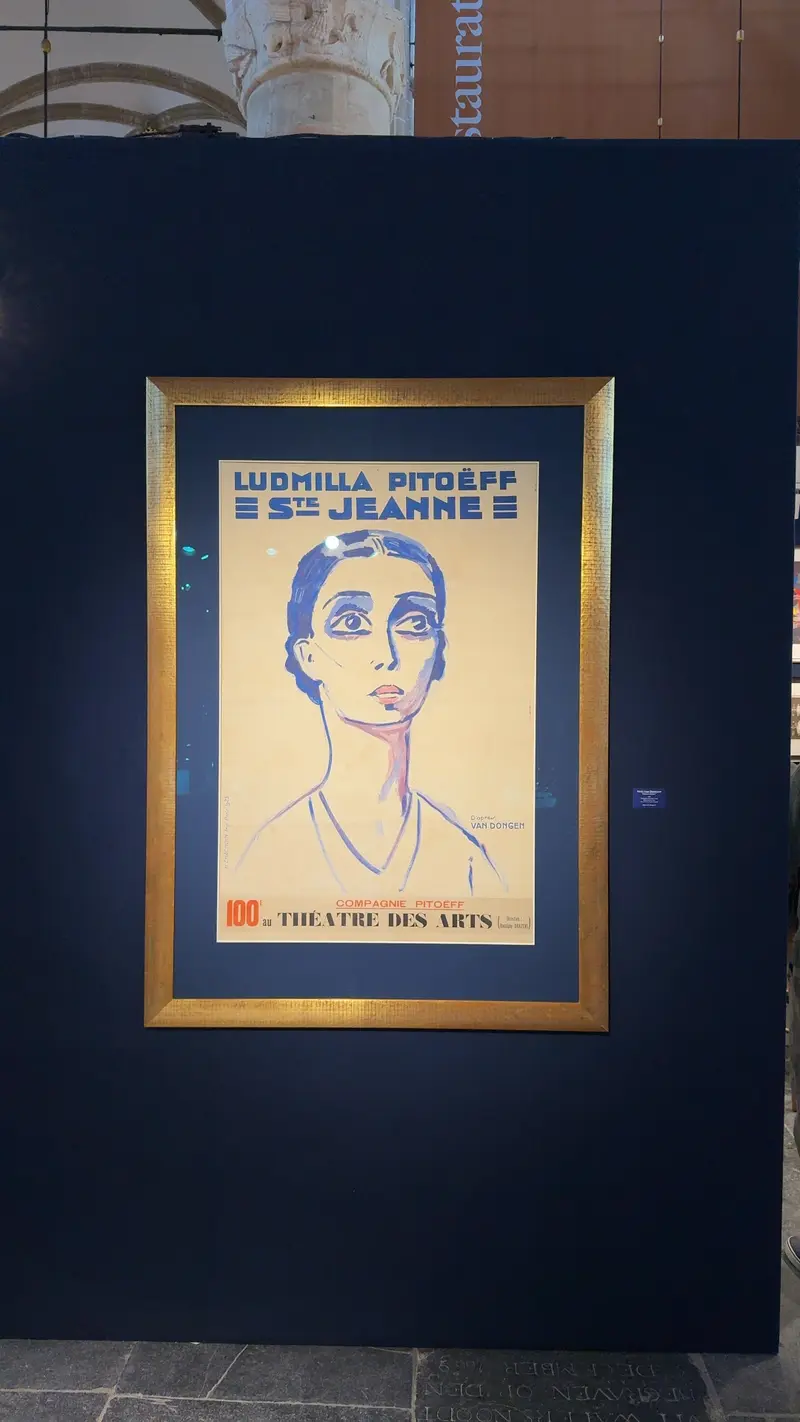
Van Dongen collaborated with several literary figures, notably providing illustrations for a 1925 edition of Anatole France’s 'La Révolte des Anges'. He also produced theater-related prints, such as his 1925 depiction of Ludmilla Pitoëff in 'Sainte Jeanne', which remains a key example of his Art Deco era graphic work.