How do I tell genuine Chinese imperial porcelain from later copies?
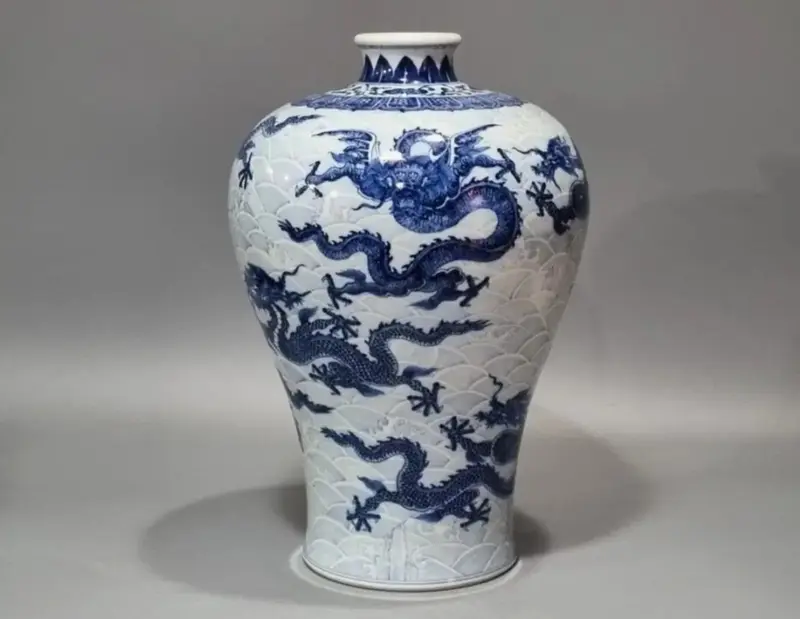
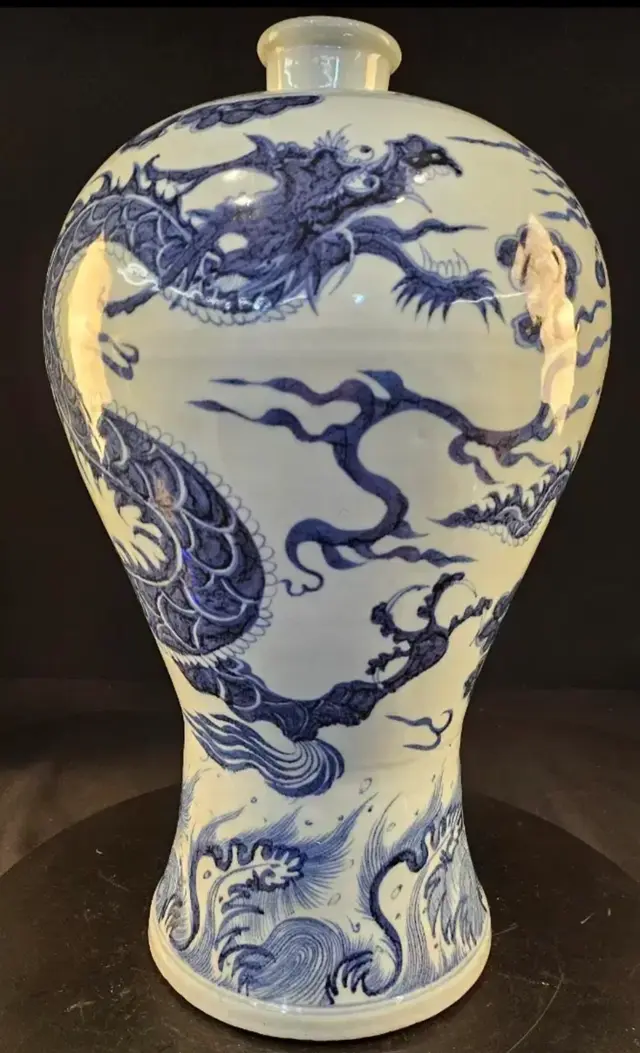
Imperial porcelain was made for the court at the Jingdezhen kilns and bears reign marks on the base. However, later copies also bear reign marks as a mark of respect for earlier periods. Authentication requires examining the clay body (imperial ware uses fine white kaolin), glaze quality (even, luminous, without bubbles in the finest examples), and decoration technique (hand-painted imperial pieces show confident, flowing brushwork). UV fluorescence can reveal modern restorations and overpainting. Thermoluminescence dating confirms when the clay was last fired. The foot rim shape and unglazed ring provide critical dating clues. A confirmed Qianlong-period imperial vase can sell for 500,000 to over 50 million dollars, while a 19th-century copy of similar quality brings 2,000 to 20,000 dollars.
What is the current state of the Chinese art market in 2026?
The Chinese art market, which peaked around 2011 to 2014, has experienced significant adjustment. Mainland Chinese buyers, who drove prices to record levels, have reduced activity due to economic headwinds and capital controls. Prices for mid-range Chinese ceramics and paintings have declined 30 to 50 percent from peak levels. However, genuinely imperial pieces with confirmed palace provenance continue to achieve record prices. The shift has created opportunities: scholar's objects (brush pots, ink stones, scholars' rocks), which were priced out of reach during the boom, are now accessible at 2,000 to 20,000 dollars. Japanese art has benefited from the rebalancing, with prices for Japanese lacquer, ceramics, and prints showing steady appreciation.
Are Japanese netsuke still actively collected?
Netsuke collecting remains a refined and well-documented areas of Japanese art. These miniature carved toggles (typically 3 to 5 centimeters) were used to secure inro and other hanging objects to the kimono sash during the Edo period. Signed works by documented carvers like Tomotada, Okatomo, and Masanao sell for 5,000 to over 100,000 dollars. Ivory netsuke face trade restrictions under CITES, but pre-1989 examples with documentation can be sold in most jurisdictions. Wood and stag antler netsuke have increased in popularity as ivory restrictions tighten. The International Netsuke Society maintains a global community of collectors and scholars. Good quality unsigned netsuke are accessible at 500 to 3,000 dollars.
What should I know about collecting Chinese jade?
Chinese jade encompasses two distinct materials: nephrite (the traditional jade, used for over 5,000 years) and jadeite (introduced to China from Burma in the 18th century). Jadeite in vivid 'imperial green' is the most valuable, with top-quality jadeite bangles reaching over 10 million dollars at auction. Nephrite carvings are valued by age, color (white 'mutton fat' jade is most), carving quality, and provenance. Fakes abound: dyed quartz, serpentine, and glass are common substitutes. Laboratory testing (refractive index, specific gravity, and spectroscopic analysis) can distinguish genuine jade from imitations. A GIA or reputable gemological certificate is essential for significant purchases above 5,000 dollars.
How do I identify valuable Chinese furniture?
The most collectible Chinese furniture is made from huanghuali (yellow rosewood) and zitan (purple sandalwood), both extremely dense tropical hardwoods now virtually unavailable. Genuine Ming-dynasty (1368 to 1644) huanghuali furniture is museum-level and sells for 100,000 to over 10 million dollars. Qing-dynasty pieces are more available at 5,000 to 500,000 dollars. Identification relies on wood grain patterns (huanghuali has a distinctive figure called 'ghost face' grain), construction methods (mortise and tenon without nails or glue), and surface patina. Modern reproductions using reclaimed old wood can deceive even experienced dealers. Consult reference works by Wang Shixiang and Curtis Evarts for detailed authentication guidance.
What are the risks of buying Asian antiquities online?
The primary risks are authenticity (sophisticated fakes proliferate online, particularly on general platforms like eBay), legal provenance (many Chinese and Southeast Asian antiquities have uncertain export histories), and condition misrepresentation (poor photography can hide repairs, cracks, and overpainting). Purchase only from dealers who provide written authentication guarantees and clear provenance documentation. Membership in organizations like CINOA (Confédération Internationale des Négociants en Oeuvres d'Art) indicates adherence to ethical standards. For purchases above 2,000 dollars, request additional photographs (under UV light if possible), a condition report, and provenance details before committing. Return policies should be verified before purchase.