How do I tell an original vintage poster from a reproduction?
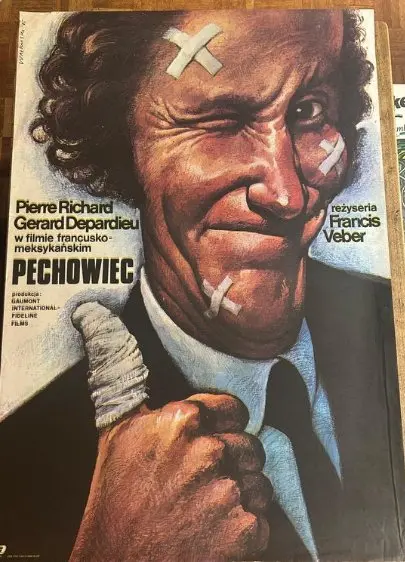
Original vintage posters were printed using stone lithography (pre-1900s) or commercial offset lithography (1900s onward). Under magnification, lithographic prints show a smooth, continuous tone, while modern offset reproductions display a visible dot pattern (rosette). Paper stock provides another clue: original posters used thicker, often linen-backed paper that ages to a characteristic creamy yellow. Size is a tell, as reproductions are often slightly different dimensions than originals. Check the printer's mark (usually bottom left or right) against documented records. For Art Nouveau posters by Mucha, Chéret, or Toulouse-Lautrec, consult published catalogues raisonnés that document editions, sizes, and printer information.
What makes a Japanese woodblock print valuable?
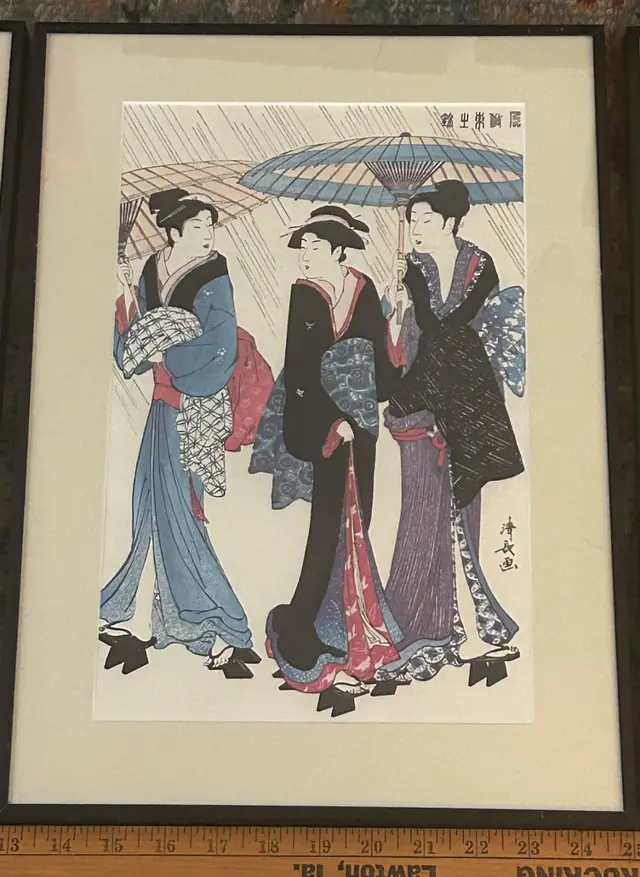
Original Edo-period (1603 to 1868) ukiyo-e prints by masters like Hokusai, Hiroshige, and Utamaro are from later reproductions by paper quality (handmade Japanese washi), color density (natural pigments including indigo and vermillion), and printing technique (visible embossing from the woodblock, called karazuri). First impressions from the original blocks show the sharpest detail. The print 'The Great Wave' by Hokusai from the series 'Thirty-six Views of Mount Fuji' (c. 1831) has sold at auction for over 3 million dollars for fine early impressions. Later Meiji-era reprints from original blocks sell for 5,000 to 30,000 dollars. 20th-century reproductions are worth 50 to 500 dollars.
Are concert posters from the 1960s still appreciating?
The Bill Graham Fillmore and Avalon Ballroom poster series from 1966 to 1971 remain the blue chips of the psychedelic poster market. First printing posters by artists like Wes Wilson, Victor Moscoso, and Rick Griffin for shows by the Grateful Dead, Jefferson Airplane, and Jimi Hendrix range from 500 to over 30,000 dollars depending on rarity and condition. The Jimi Hendrix 'Flying Eyeball' poster (BG-105, Rick Griffin, 1968) sold for over 35,000 dollars in 2024. Second and third printings of popular designs are available for 50 to 300 dollars. The market has been steady, with 5 to 10 percent annual appreciation for top examples over the past decade.
What is the difference between a lithograph and a screen print?
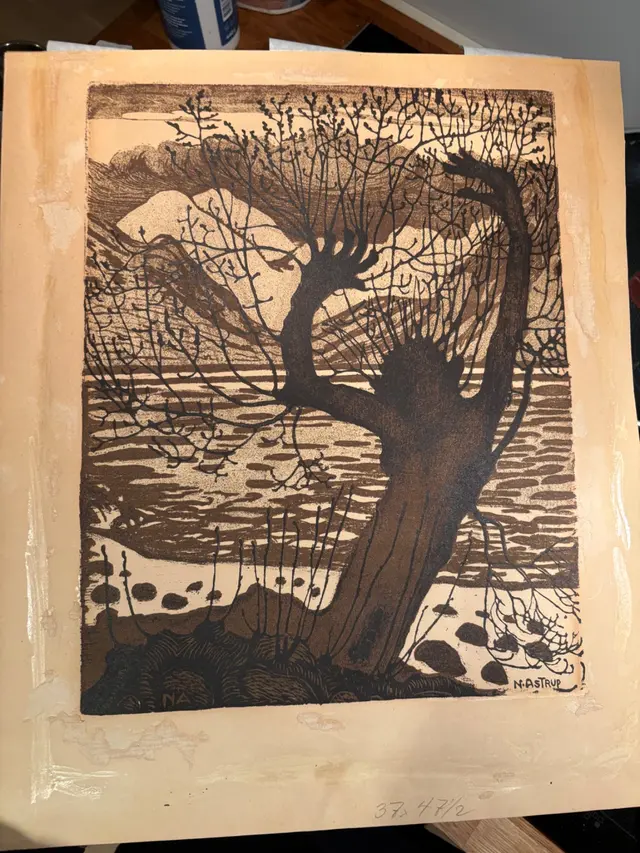
A lithograph is printed from a flat stone or metal plate treated so that ink adheres only to the drawn image. It produces subtle tonal gradations and was the dominant printmaking technique from the early 1800s through the mid-20th century. A screen print (serigraphy or silkscreen) forces ink through a mesh stencil, producing flat, vibrant color areas. Screen printing became a fine art medium through Andy Warhol's work in the 1960s. Lithographs by Toulouse-Lautrec, Chagall, and Miró are among the most collected. Screen prints by Warhol, Lichtenstein, and contemporary artists like Shepard Fairey and KAWS dominate the modern market. Both can be editioned and signed.
How should I store and frame vintage posters to preserve value?
Never dry-mount or laminate a vintage poster, as this is irreversible and destroys value. Professional linen backing is acceptable and standard for pre-1950 posters, adding structural support without permanent adhesion. Use UV-filtering museum glass or Plexiglas (TruVue Museum Glass or equivalent) to prevent fading. Frame with acid-free mat board and ensure the poster is hinged with Japanese tissue and wheat starch paste (reversible). Never use adhesive tape, rubber cement, or clip frames. Ideal storage for unframed posters: flat in acid-free tissue in a climate-controlled environment at 65 to 70 degrees Fahrenheit and 40 to 50 percent humidity.
What vintage advertising posters are most sought after?
Travel posters from the 1920s through 1950s lead the advertising poster market. Air France posters by A.M. Cassandre and Swiss tourism posters by Herbert Matter and Niklaus Stoecklin regularly sell for 5,000 to over 100,000 dollars. The 1932 Cassandre 'Normandie' ocean liner poster has sold for over 100,000 dollars. Automobile posters (Bugatti, Mercedes), liquor advertising (Campari, Dubonnet), and early airline posters (Pan Am, TWA, BOAC) all have strong collector bases. London Transport posters, commissioned from artists like Man Ray and McKnight Kauffer, represent an accessible entry point at 500 to 5,000 dollars.