
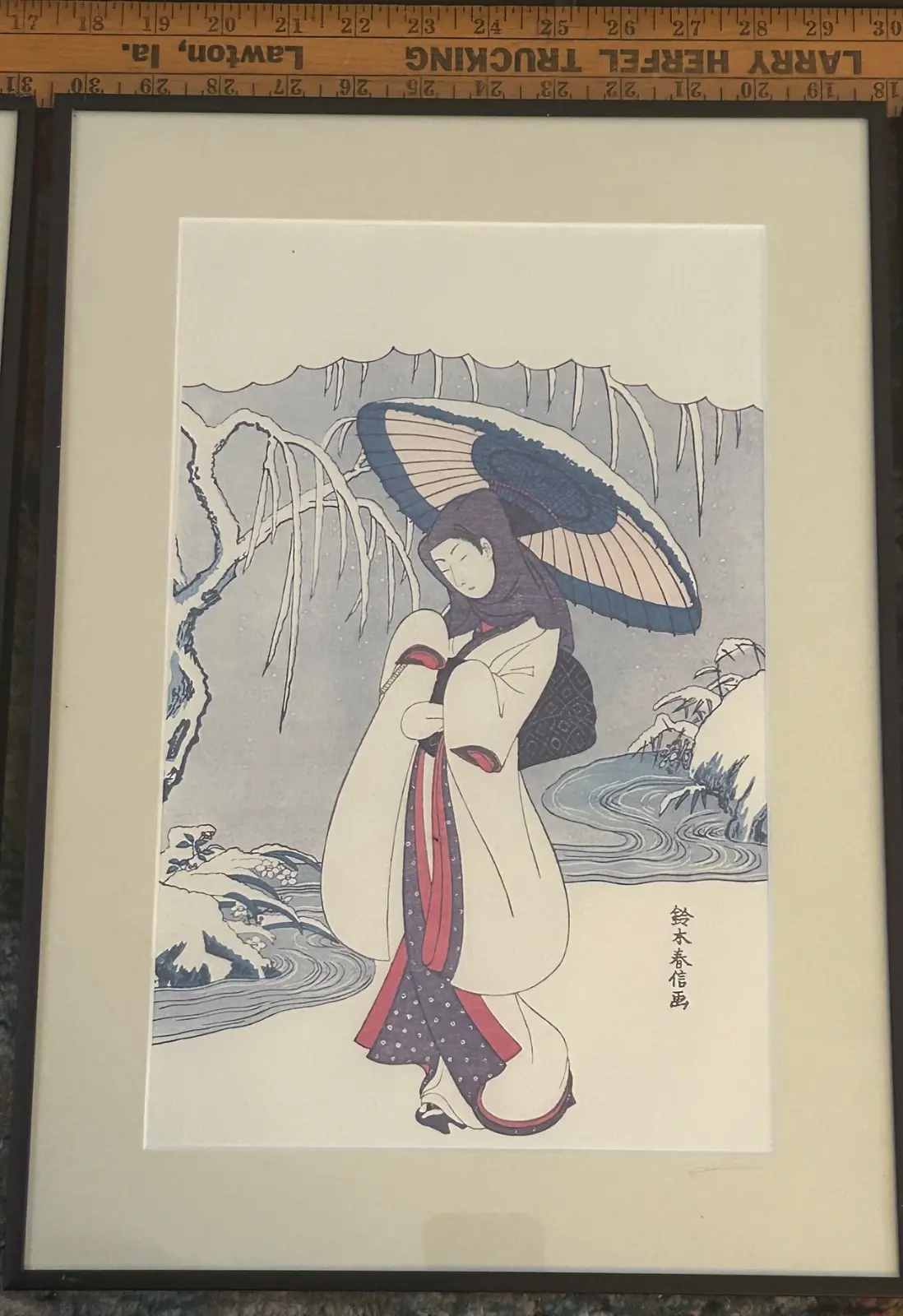
Reproduction Woodblock Print after Suzuki Harunobu: Woman Walking in the Snow
Estimated value
$25 - $75Rarity
Ordinary(3/10)Category
Prints & PostersEra
Mid-20th Century (Reproduction of an 18th Century design)Origin
JapanArtist / Creator
Suzuki HarunobuVisual assessment
Photo analysis
Save to revisit in your watchlist. This does not add the object to your own collection.
Reproduction Woodblock Print
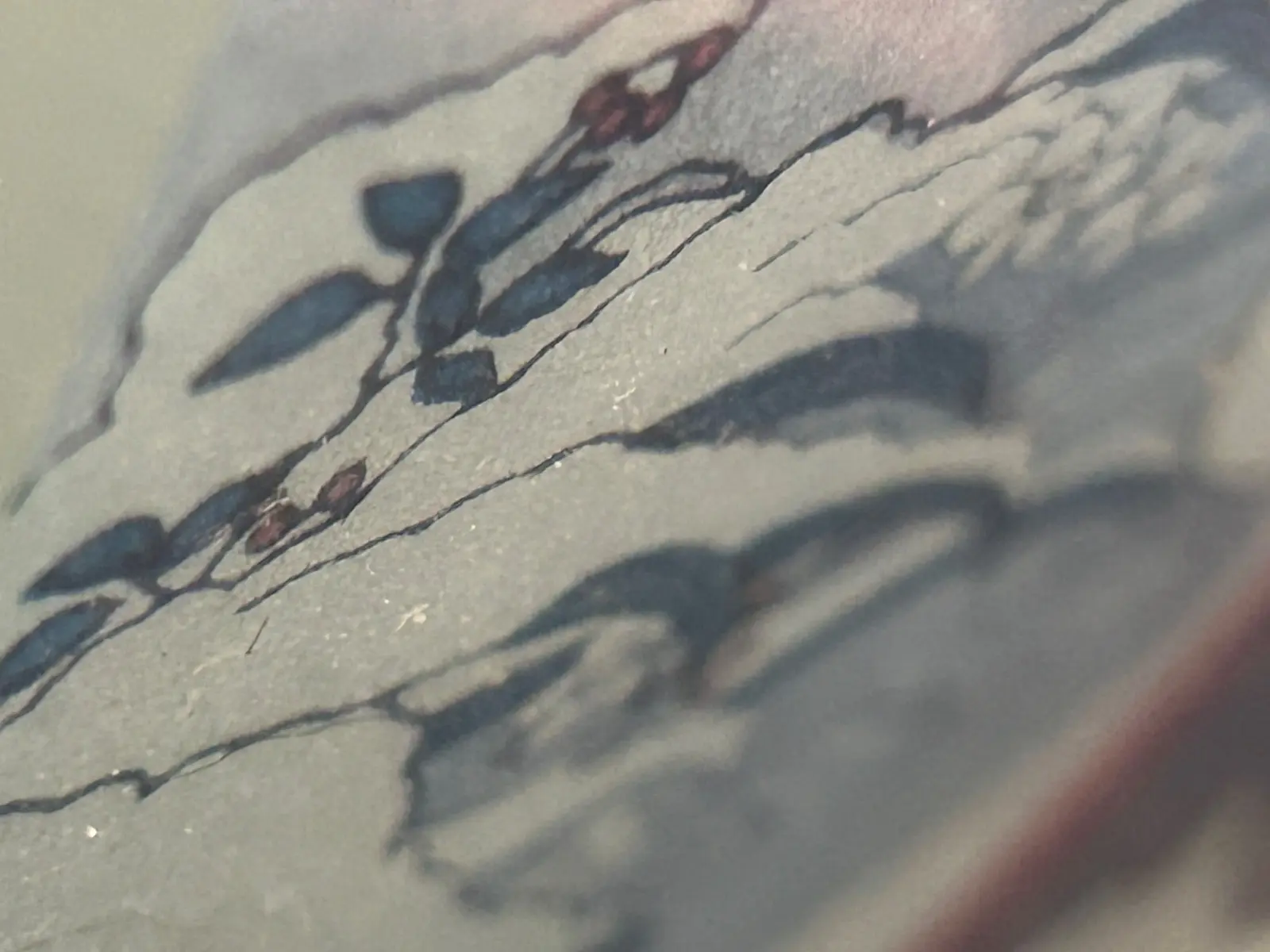
This is a framed reproduction print of a classic ukiyo-e design originally by Suzuki Harunobu (1725–1770). The image depicts a solitary woman, her head covered by a hood (zukin) and carrying an open umbrella (bangasa), walking through a snowy landscape beside a stream and a snow-laden willow tree. The signature at the lower right reads 'Suzuki Harunobu ga' (鈴木春信画). The close-up image reveals a relatively flat, modern printing technique rather than the deeply impressed key-block lines (baren suji) typical of Edo-period woodblock printing.
The paper lacks the distinct, fibrous texture (kizuki-hosho) characteristic of early original impressions. The user states this is a mid-century replica, which aligns perfectly with the visual evidence of a later photomechanical reproduction or a very late, simplified recarving.
Related traditions
Western Art
20th Century
The widespread reproduction of famous paintings (e.g., the Mona Lisa or Starry Night) serves a similar function to these ukiyo-e replicas: providing accessible versions of cultural touchstones for domestic decoration.
Use and ceremony
Edo Period (18th Century)
Original prints were popular, ephemeral, affordable mass media consumed by the urban merchant class.
Mid-20th Century
Reproductions of these same images became markers of 'classic Japanese aesthetics' collected primarily for decorative purposes, often by a Western audience.
The woodblock tradition
Suzuki Harunobu was pivotal in the development of nishiki-e (brocade pictures), full-color woodblock prints, during the 1760s in Edo (modern Tokyo). His delicate, waif-like female figures became the standard of beauty for that era. Because of their immense popularity, Harunobu's designs have been reproduced continuously since the Meiji period (late 19th century) through the mid-20th century, often catering to Western collectors seeking classic Japanese aesthetics. This specific piece, identified by the user as a mid-century replica, represents the mid-20th-century market demand for accessible, decorative ukiyo-e imagery following WWII.
Further details
Harunobu is often credited with popularizing the full-color 'nishiki-e' printing technique around 1765.
Attribution and evidence
Confidence is high because the visual evidence of the printing technique in the close-up, combined with the signature of a highly reproduced artist (Harunobu), perfectly corroborates the user's explicit assertion that it is a mid-century replica.
Wear and preservation
The print appears to be in generally good condition within the frame. The colors remain distinct, though the paper shows slight uniform toning consistent with mid-20th-century production. The user notes 'minor wear,' which is typical for framed pieces of this vintage, possibly minor handling marks before framing or slight fading. The close-up does not show significant foxing or tears.
Scarcity and surviving examples
Ordinary · 3/10 estimated rarity
This is a qualitative collection score, not a measured survival count, market percentile or proof of authenticity.
What the photographs establish
Interpretation of the photographs and supplied context. This does not authenticate the object.
What photo analysis can and cannot establishValue and its basis
Estimate recorded: Aug 3, 2026
How we estimate value
- No documented comparable sales are shown for this estimate
- Condition, completeness & craftsmanship
- Demand assumptions may not reflect current transactions
- The range is an estimate, not an asking price or sale result
For informational purposes only, not a formal appraisal.
The collector’s account
Supporting details
- User identified the item as a replica/reproduction; visual evidence of the printing technique strongly supports this.
- User noted a Japanese origin; the subject matter and signature are Japanese.
- User suggested a mid-century time period; the reproduction style and framing are consistent with mid-20th-century decorative prints.
Where the account differs
- User stated the artist is 'Unknown,' but the print clearly bears the signature of Suzuki Harunobu (鈴木春信画), though as a reproduction, he is the original designer, not the maker of this specific physical object.
Related objects
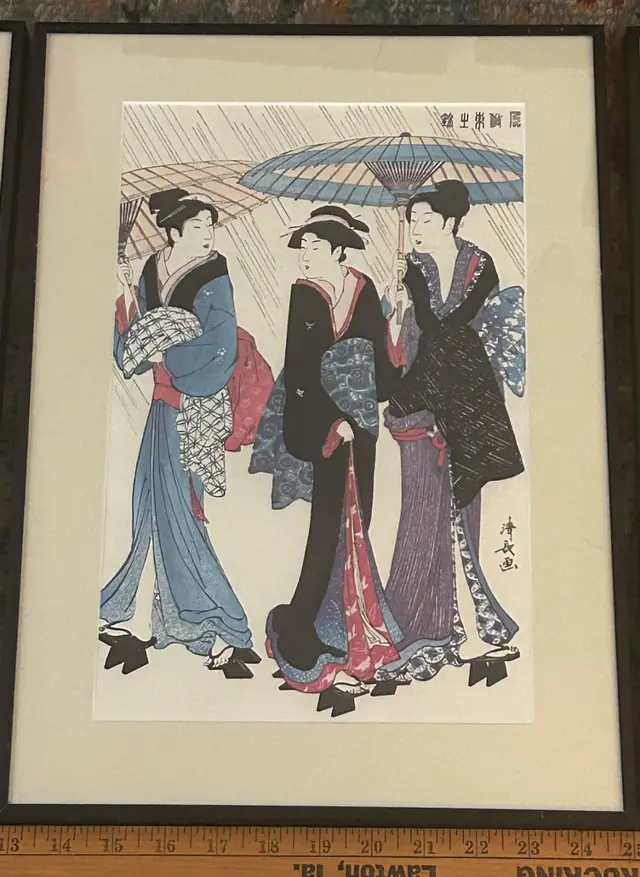
Showa-Era Woodblock Reproduction: Right Panel of 'Sudden Shower at the Mimeguri Shrine' by Torii Kiyonaga
Shared title details
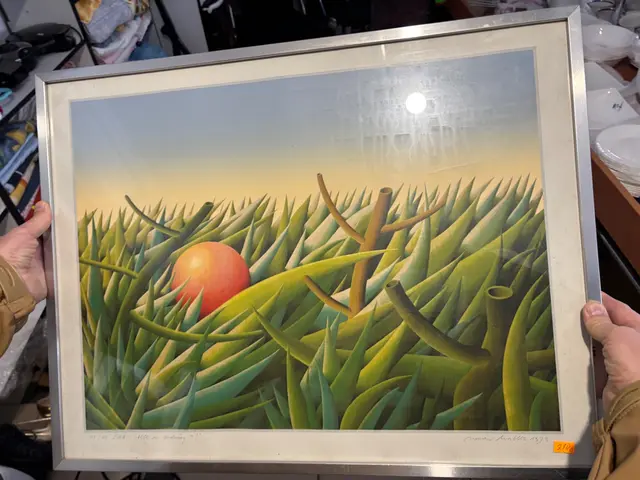
Norman Skaller - 'After An Awakening' Serigraph
Same category

Rembrandt van Rijn (after) - A Girl Sleeping (Hendrickje Stoffels), Facsimile Print
Same category
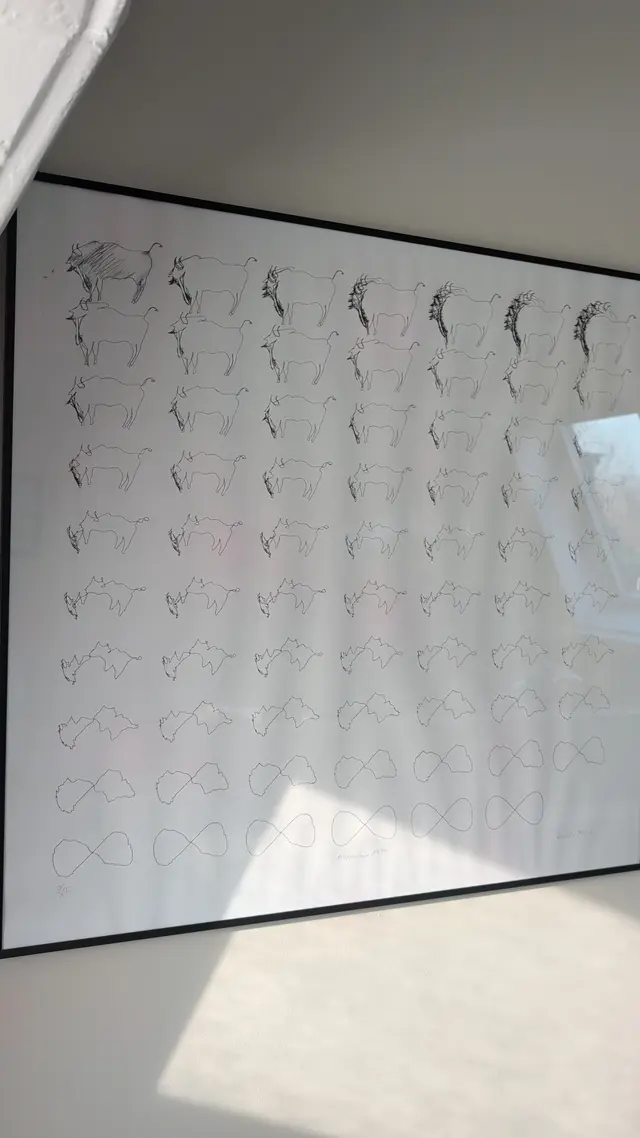
Daniel Fischer (Slovak, born 1950) - Altamira 1979, likely signed limited edition print after an algorithmic drawing
Same category
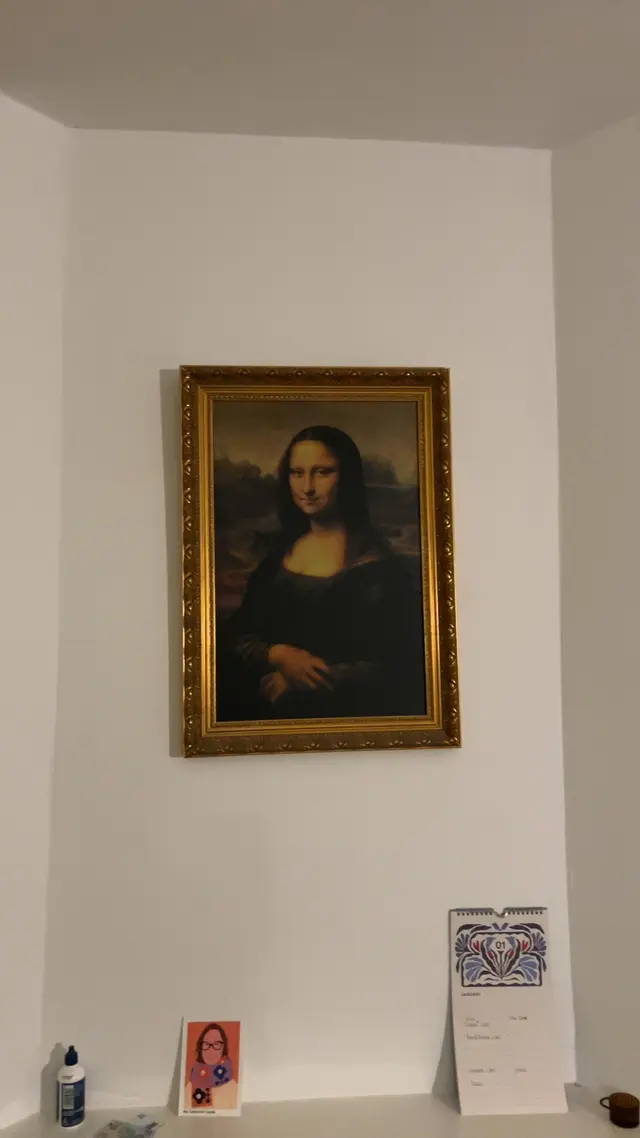
Mona Lisa Decorative Print after Leonardo da Vinci (20th Century)
Same category
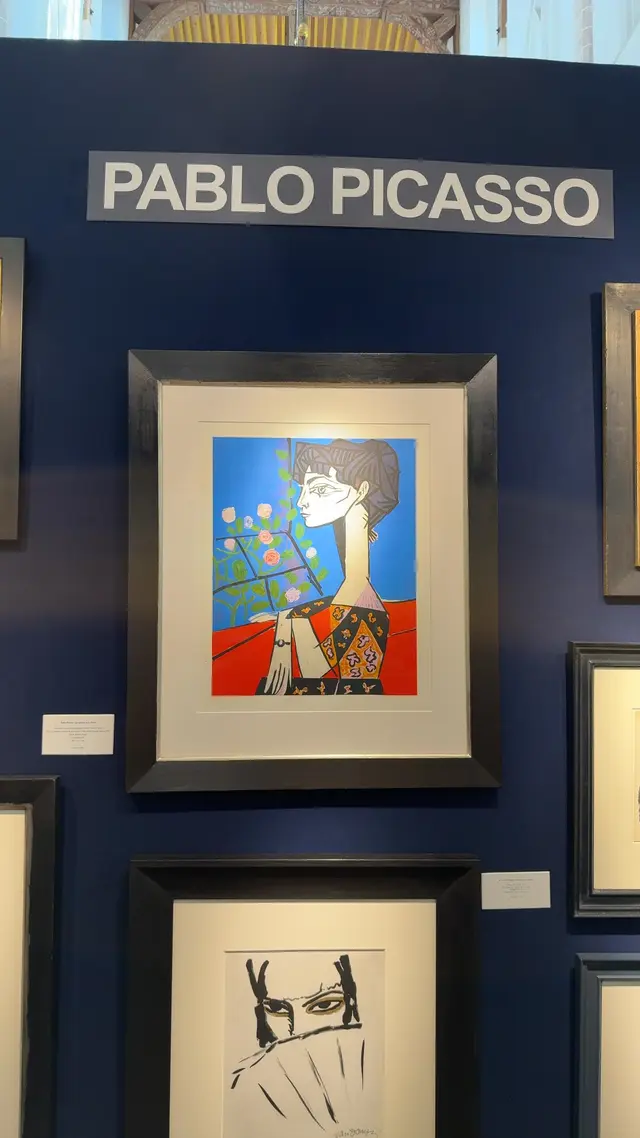
After Pablo Picasso, Jacqueline with Flowers, framed color print
Same category
Explore Prints & Posters
Vintage prints, posters, advertising signs, and graphic art.
Prints & Posters value and rarity guideShare this find
A place for your prints
Keep its photographs, maker’s marks and the story you know in one object record. Start with a photo.
Create an account for 10 free scans. No credit card needed.
Join the conversation
Recognise a detail or have a question? Add what you know and cite your source. Suggested corrections stay in the discussion for the owner or a moderator to review.
Sign in to leave a comment
Sign in