
Showa-Era Woodblock Reproduction: Right Panel of 'Sudden Shower at the Mimeguri Shrine' by Torii Kiyonaga
Estimated value
$50 - $120Rarity
Ordinary(3/10)Category
Prints & PostersEra
Circa 1950s-1970sOrigin
JapanArtist / Creator
Torii KiyonagaVisual assessment
Photo analysis
Save to revisit in your watchlist. This does not add the object to your own collection.
Showa-Era Woodblock Reproduction: Right Panel of 'Sudden
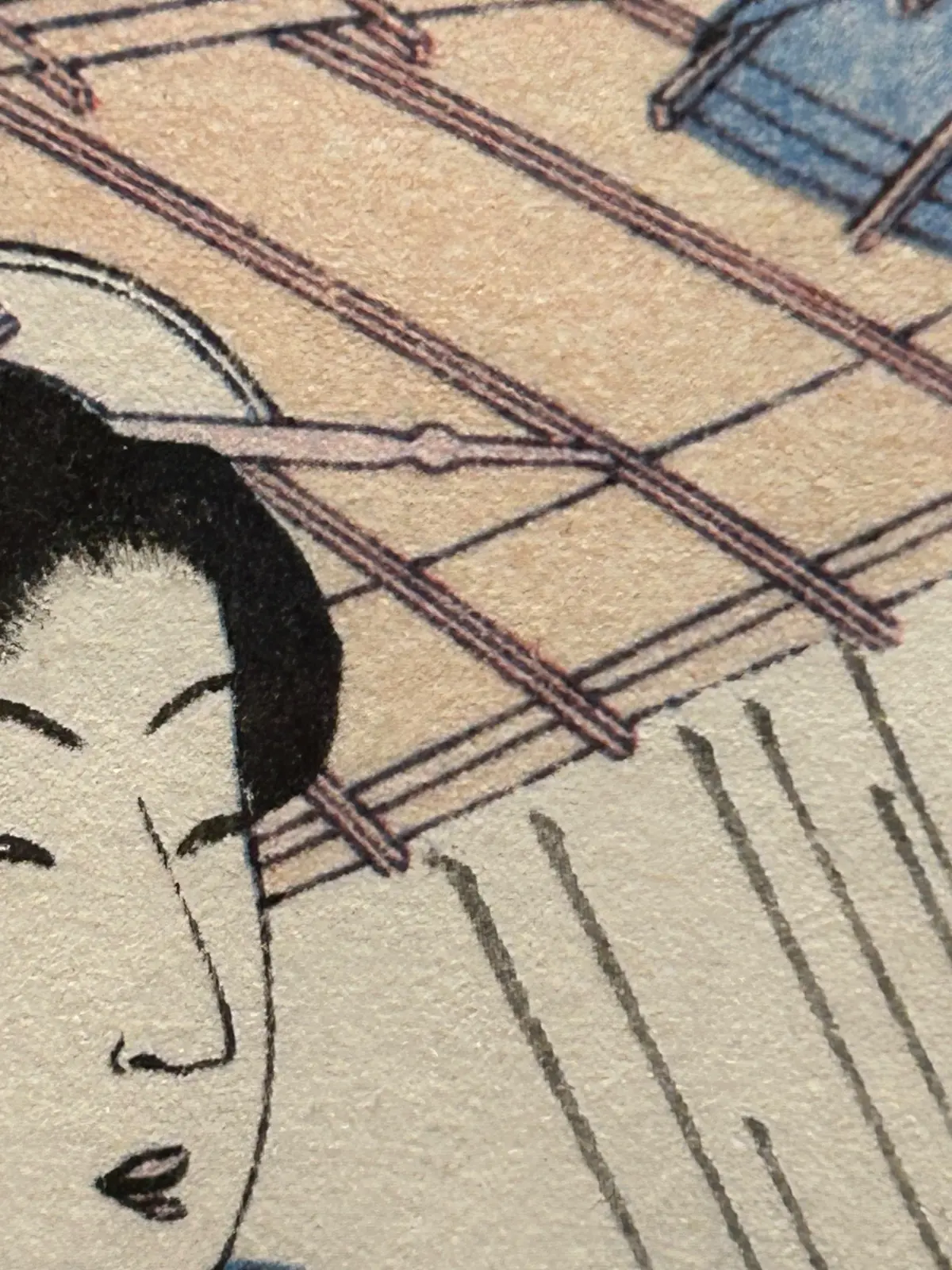
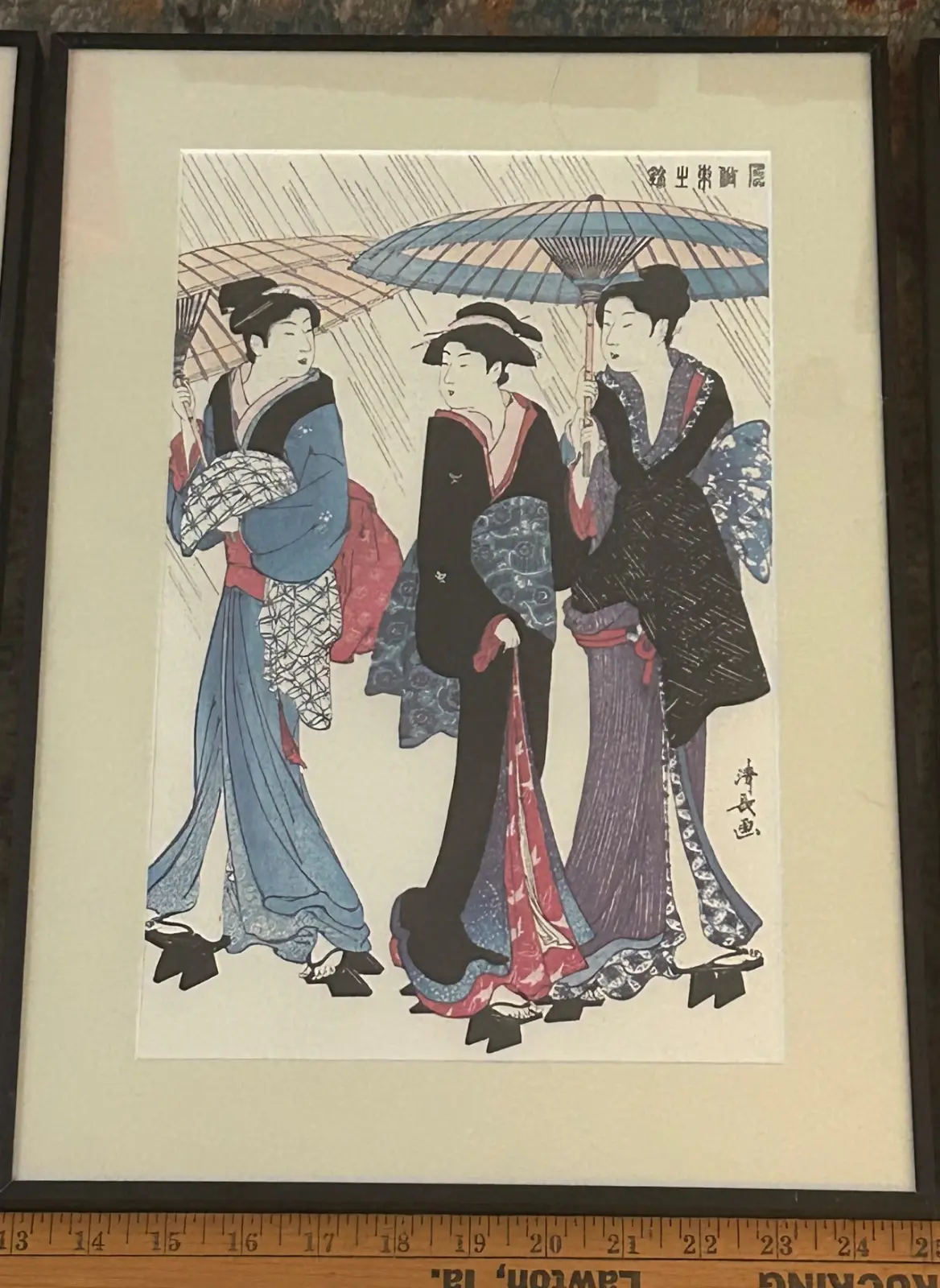
This is a vertical woodblock print (tate-e) depicting three women (bijin) walking under umbrellas in the rain. The signature in the lower right reads 'Kiyonaga ga' (drawn by Kiyonaga), identifying the original design as the work of Torii Kiyonaga (1752–1815). The composition constitutes the rightmost panel of his highly regarded late 18th-century triptych, 'A Sudden Shower at the Mimeguri Shrine'. Macro photography of the printed surface reveals a relatively uniform paper grain and a flat ink application without the deep keyblock impression (karazuri) typical of Tenmei-era (1781–1789) originals.
These physical characteristics confirm it is a recarved facsimile produced in the 20th century.
Related traditions
European Impressionism
Late 19th Century
Japonisme heavily influenced late 19th-century artists like Degas and Monet, who admired the asymmetrical compositions and flat areas of color seen in works by Kiyonaga and his contemporaries.
Use and ceremony
Edo Period
Ukiyo-e prints were inexpensive, mass-produced pop culture items for the merchant class.
Mid-20th Century
Classical ukiyo-e designs were elevated to fine art status, prompting the creation of high-quality facsimiles for framing and display.
The woodblock tradition
Torii Kiyonaga dominated the ukiyo-e scene in the 1780s, pioneering the depiction of elongated, statuesque beauties in realistic, multi-panel architectural settings. Following World War II, a significant domestic industry emerged in Japan to reproduce classical Edo-period designs for both Western export and domestic collectors. Publishing houses employed highly skilled carvers and printers to create exacting woodblock facsimiles of masterworks, such as this Kiyonaga panel, catering to a mid-century market eager for traditional Japanese aesthetics.
Further details
The original 1787 triptych this panel belongs to is considered one of Kiyonaga's masterpieces; a complete original set resides in the collection of the Museum of Fine Arts, Boston.
Attribution and evidence
The visual evidence of the paper grain and flat ink application in the macro shots overwhelmingly points to a mid-20th century reproduction, while the subject matter is clearly a well-documented Kiyonaga design.
Identifying details
- 1Signature reads '清長画' (Kiyonaga ga), attributing the original design to Torii Kiyonaga (1752–1815).
- 2Composition matches the right panel of Kiyonaga's renowned 1787 triptych 'A Sudden Shower at the Mimeguri Shrine'.
Wear and preservation
The visible printed area shows strong color saturation with no obvious fading, foxing, or moisture damage; the pristine white margins strongly suggest modern production and careful framing.
Paper and printing
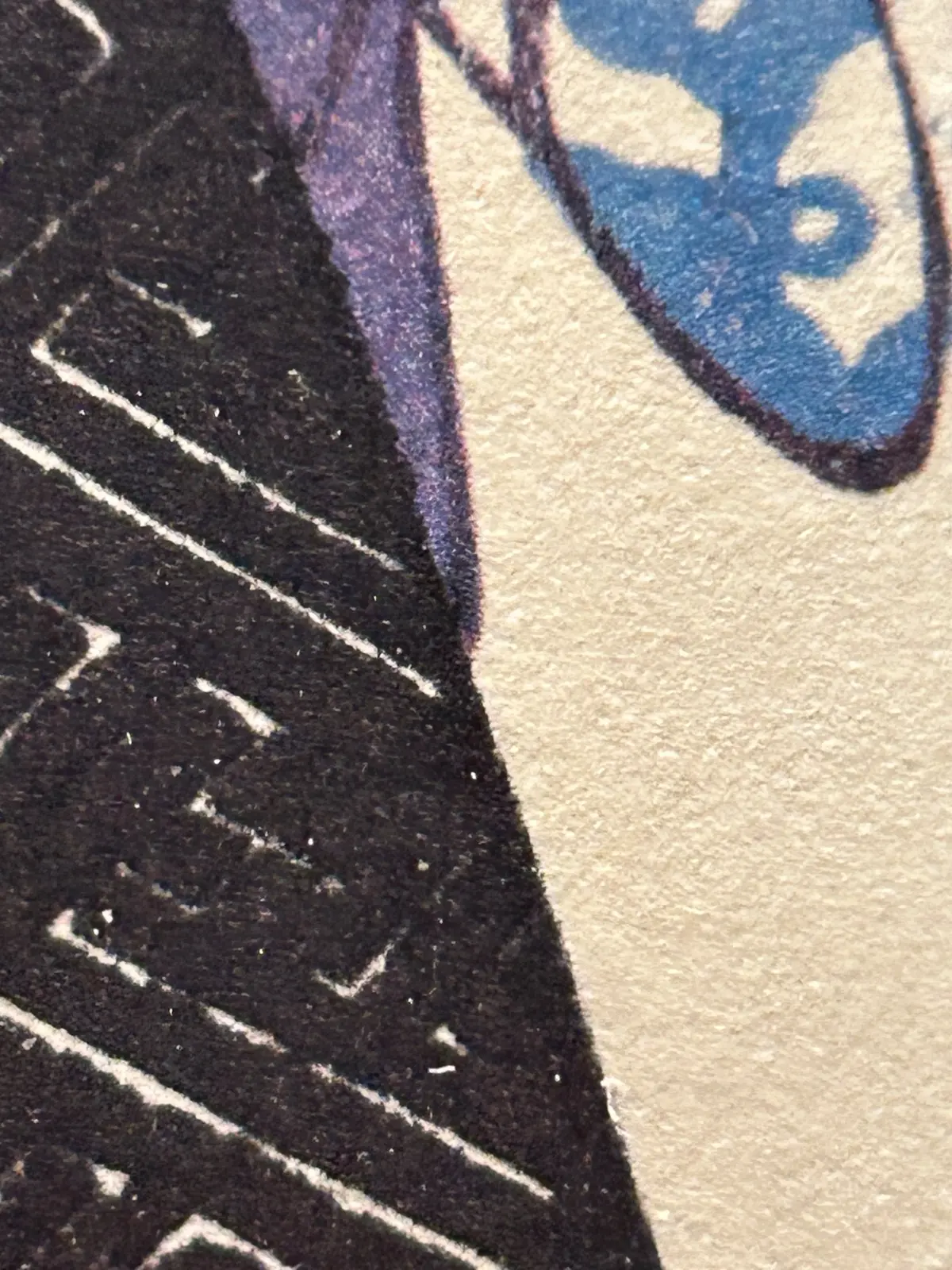
Macro inspection shows a relatively uniform, machine-influenced paper fiber structure; the color blocks lie flat on the surface without the heavy bite or embossing characteristic of 18th-century hosho paper.
Scarcity and surviving examples
Ordinary · 3/10 estimated rarity
This is a qualitative collection score, not a measured survival count, market percentile or proof of authenticity.
What the photographs establish
Interpretation of the photographs and supplied context. This does not authenticate the object.
What photo analysis can and cannot establishValue and its basis
Estimate recorded: Aug 3, 2026
How we estimate value
- No documented comparable sales are shown for this estimate
- Condition, completeness & craftsmanship
- Demand assumptions may not reflect current transactions
- The range is an estimate, not an asking price or sale result
For informational purposes only, not a formal appraisal.
The collector’s account
Supporting details
- User's dating of 'Mid century' perfectly aligns with the physical characteristics of the paper and ink application.
- Origin is confirmed as Japanese, depicting a classic ukiyo-e scene.
Where the account differs
- User's belief that the item is an 'Original' Edo-period piece conflicts with the paper texture and pristine condition, which firmly identify it as a mid-20th century recarved reproduction.
Related objects
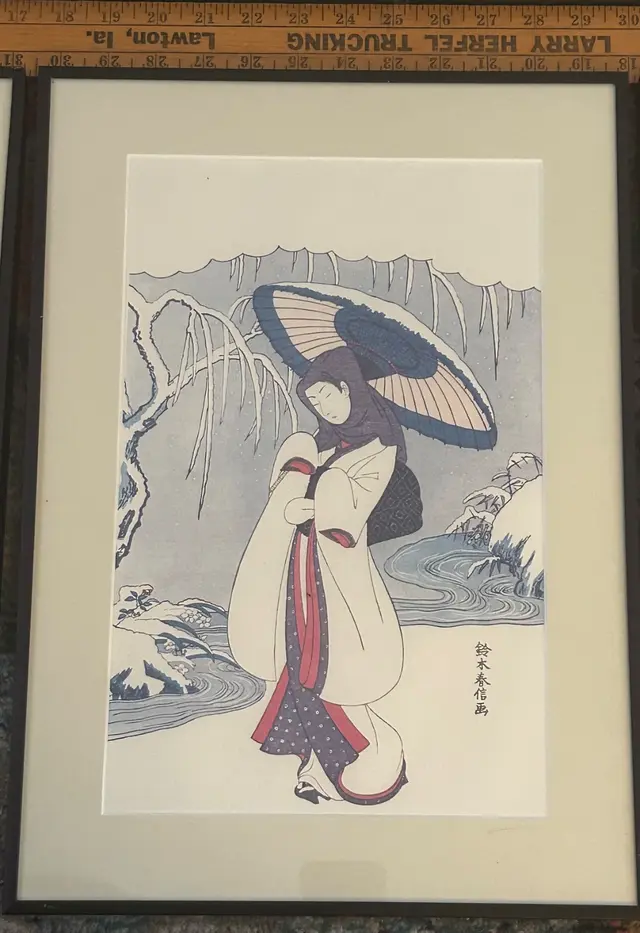
Reproduction Woodblock Print after Suzuki Harunobu: Woman Walking in the Snow
Shared title details
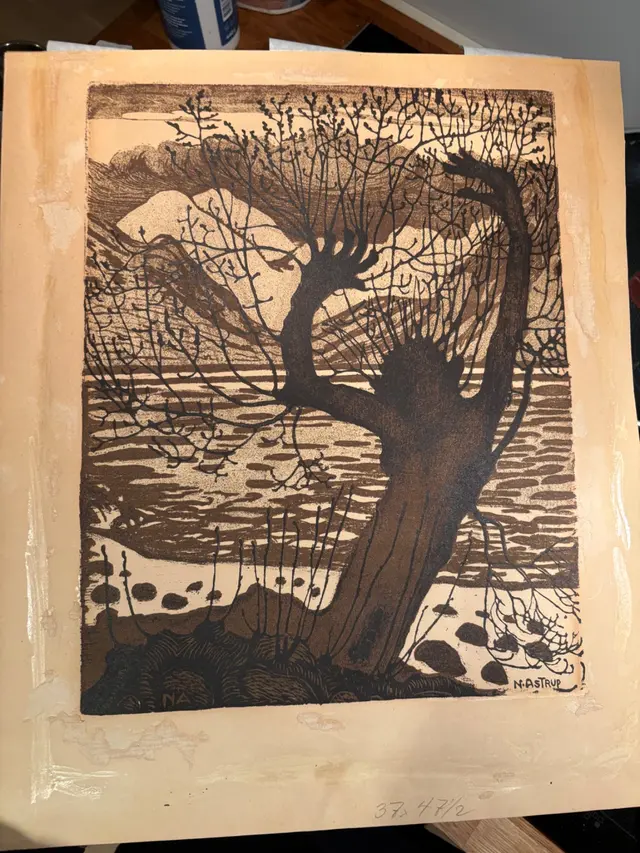
Photomechanical Reproduction of Nikolai Astrup Woodcut
Same category
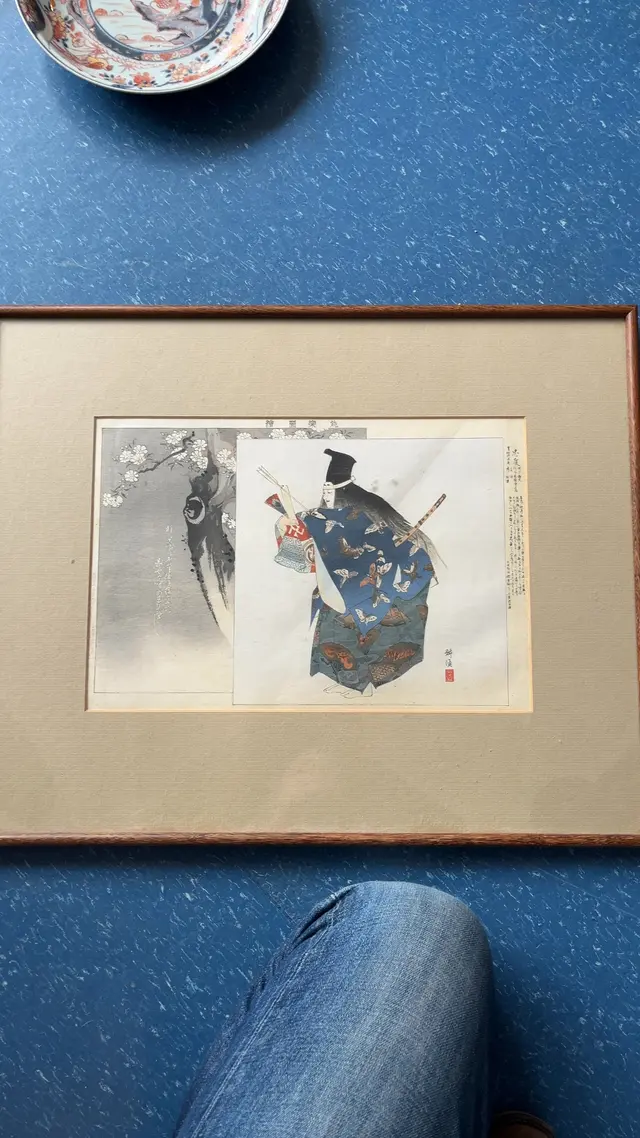
Tsukioka Kōgyo (Japanese, 1869-1927) - Nohga Zue: Tadanori, Woodblock Print, c. 1897-1902
Same category
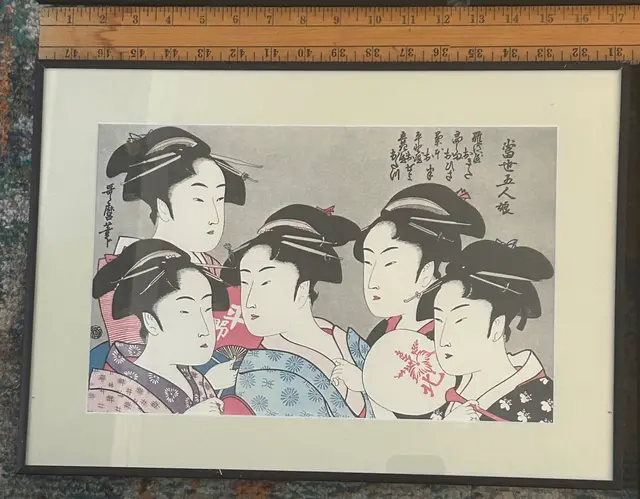
Offset Lithograph Reproduction of Kitagawa Utamaro's 'Tosei Gonin Musume'
Same category
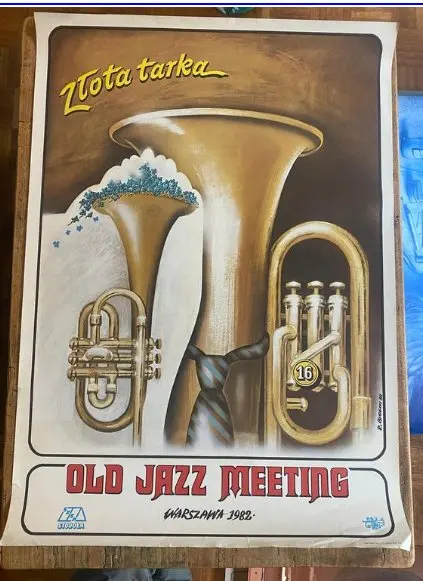
Złota Tarka Old Jazz Meeting 1982 Poster by Ryszard Górecki
Same category
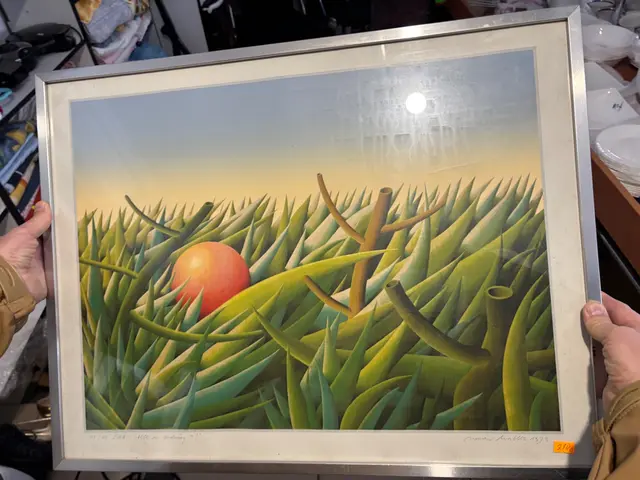
Norman Skaller - 'After An Awakening' Serigraph
Same category
Catalogue reference
Tokyo National Museum catalogues the three sheets of Afternoon Shower at Mimeguri Shrine under A-10569-810 through A-10569-812. Its 18th-century date applies to the Edo-period design. A later reproduction of one panel has its own printing date.
Reference checked · View catalogue entryExplore Prints & Posters
Vintage prints, posters, advertising signs, and graphic art.
Prints & Posters value and rarity guideShare this find
A place for your prints
Keep its photographs, maker’s marks and the story you know in one object record. Start with a photo.
Create an account for 10 free scans. No credit card needed.
Join the conversation (1)
Very nice!!
Sign in to leave a comment
Sign in