How do I authenticate World War II military items?
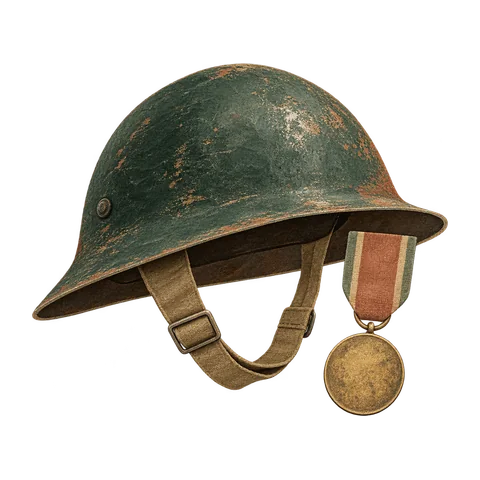
WWII authentication requires knowledge of period manufacturing details. For helmets, check the liner system (M1 helmets evolved through specific liner variants: Hawley, Firestone, Westinghouse), chin strap hardware, and paint composition. Uniforms are verified through label types (Quartermaster Corps specification labels changed by year), button manufacturers (Waterbury, Scovill), and construction details (specific stitching patterns by contract manufacturer). Medals and decorations must match documented specifications for size, weight, engraving style, and pin mechanisms. For German militaria, be extremely cautious: an estimated 90 percent of Third Reich daggers on the market are reproductions or composites. Reputable authentication services include the International Military Antiques (IMA) and specialized dealers who offer money-back guarantees.
What military medals are most valuable?
The Victoria Cross (UK, instituted 1856) is the most valuable single medal, with recent examples selling for 200,000 to over 500,000 pounds at auction. The Medal of Honor (US) cannot legally be sold (10 USC Section 704), though this law has been challenged. The Knight's Cross of the Iron Cross (Germany, WWII) sells for 30,000 to 150,000 dollars depending on grade (with Oakleaves, Swords, or Diamonds increasing value). Purple Hearts with documented combat provenance sell for 1,000 to 10,000 dollars. Medal groups (multiple medals awarded to a single identified recipient) are more valuable than individual medals. A complete WWII medal group with service records, photographs, and personal documents can sell for 2 to 10 times the value of the medals alone.
Are antique swords and edged weapons legal to collect?
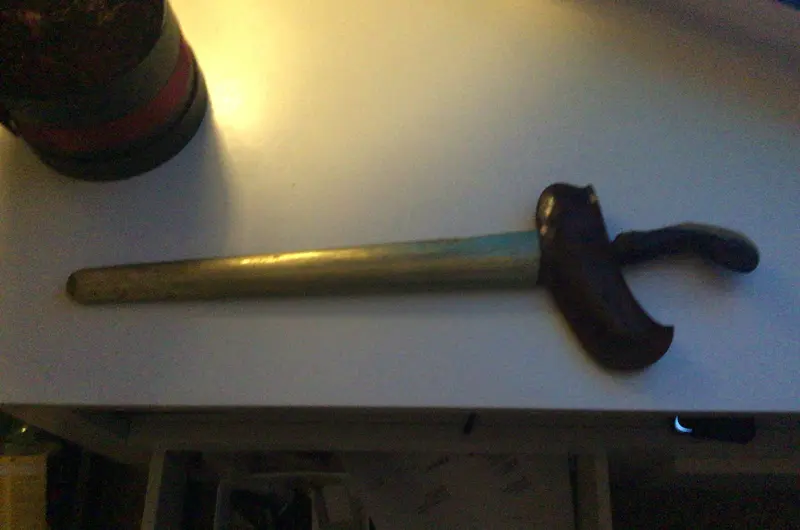
In most jurisdictions, antique swords and edged weapons (generally pre-1900) are legal to buy, sell, and own without restriction. Modern reproductions are also generally legal as they are classified as decorative items. Specific restrictions apply to concealed carry and public display in some jurisdictions. Japanese swords (nihontō) have a special legal status in Japan, where they are classified as cultural property and require registration. Export from Japan requires a cultural affairs permit. In the US and UK, antique Japanese swords are freely tradeable. Bayonets attached to deactivated firearms may be subject to firearms regulations in some jurisdictions. For valuable edged weapons, insurance and proper secure display are recommended.
What World War I items are most collectible?
WWI collecting has grown significantly as the centennial period (2014 to 2018) raised public interest. Trench art, objects made by soldiers from battlefield materials (shell casing vases, bullet crucifixes, decorated brass cases), sells for 50 to 2,000 dollars and is the most accessible WWI collecting category. Imperial German Pickelhauben (spiked helmets) sell for 1,000 to 10,000 dollars depending on regiment and condition. British Brodie helmets with unit markings command 200 to 2,000 dollars. Personal effects with documented provenance (letters, diaries, photographs of identified soldiers) are increasingly valued for their human stories. Aviation items (propeller sections, pilot goggles, flying helmets) are rare and valuable at 1,000 to 20,000 dollars. The rarest WWI collectibles are items from the Christmas Truce of 1914.
How has the militaria market been affected by import restrictions?
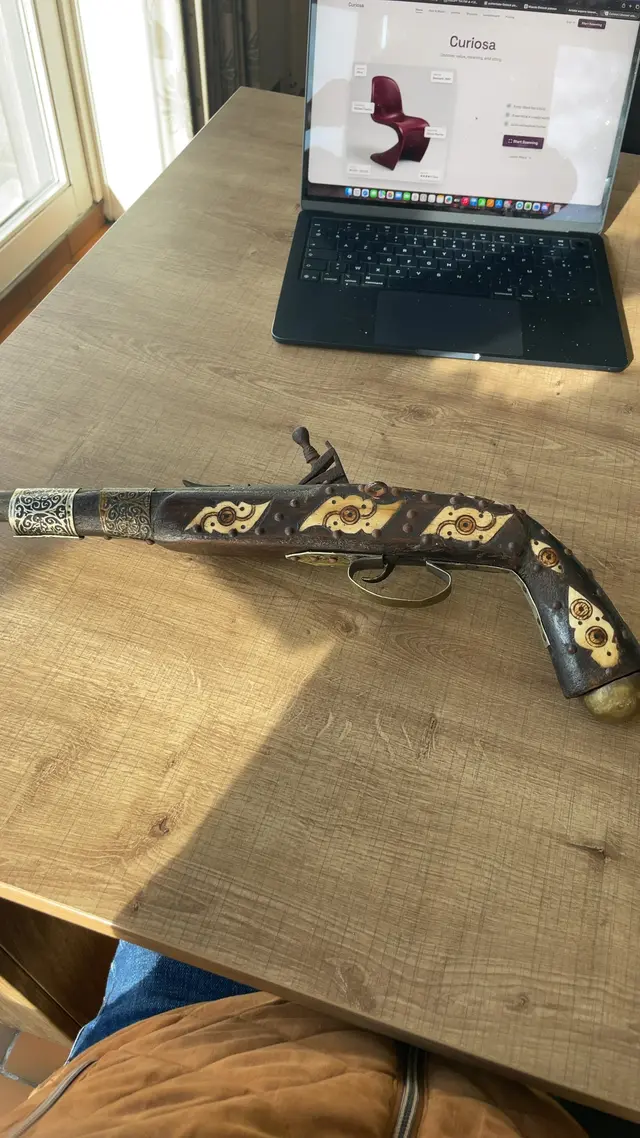
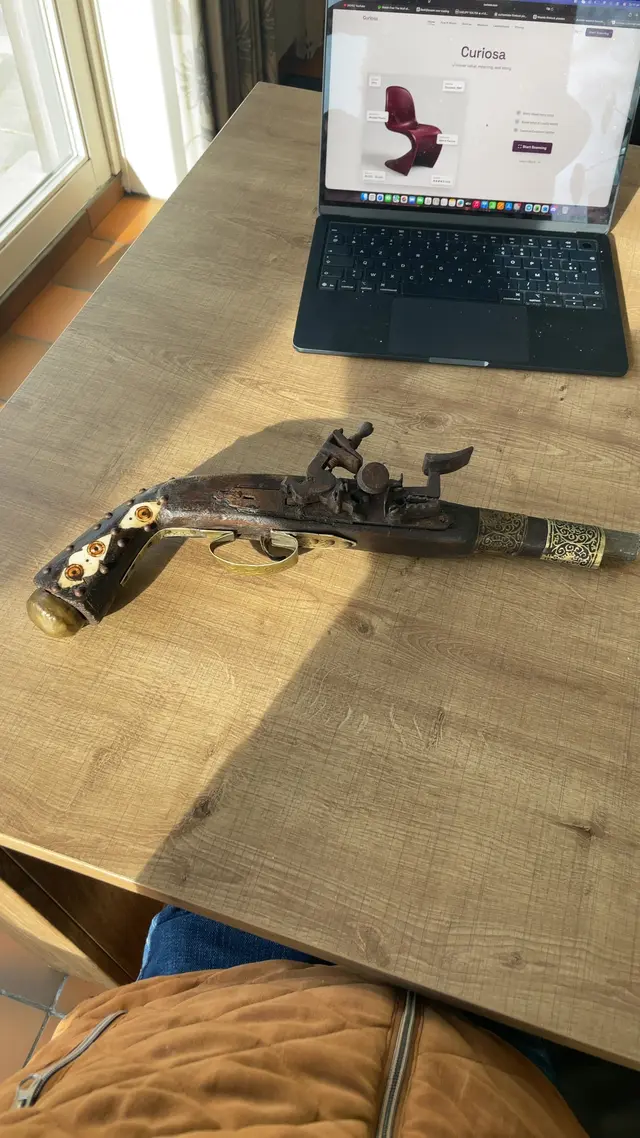
Post-2020 import restrictions have affected several categories. The EU Firearms Directive has tightened rules on deactivated weapons crossing borders. UK post-Brexit regulations require specific import licenses for certain military antiques. The US has relatively few restrictions on importing antique military items (pre-1898 firearms are exempt from most regulations). For items from conflict zones (Syria, Iraq, Libya), cultural property laws restrict import of recently excavated or looted artifacts. The practical effect is that domestic markets have strengthened relative to international trade: a British WWII medal group is more liquid in the UK market, while an American Civil War sword sells best in the US. Online platforms (eBay, specialized forums) have restricted listings of certain militaria categories, particularly Third Reich items.
What is trench art and why is it collected?
Trench art refers to objects made by soldiers, prisoners of war, or civilians from war materials, primarily during and after World Wars I and II. The most common forms include: artillery shell casings hammered and engraved into decorative vases (50 to 500 dollars), bullet and cartridge case jewelry (20 to 200 dollars), carved bone and wood objects from POW camps (100 to 2,000 dollars), and aircraft aluminum craft (200 to 1,000 dollars). Value depends on artistic quality, identified maker or unit, documented provenance, and historical significance. Dated and location-inscribed pieces from specific battles command premiums. POW art from camps like Changi (Singapore) and Stalag Luft III has particular historical significance. The category appeals to both military collectors and folk art enthusiasts.