Is it real? Start with the evidence.
Use the analysis to decide what needs a closer look. A convincing appearance and a familiar signature are clues to investigate, not a certificate of authenticity.
Read the observation.
Keep the question open.
Curiosa examines your photographs and the context you supply. The result may point to a copied mark, an unexpected construction detail or a proposed date that deserves checking.
Show the details that matter ↗- Check the starting identity
- A wrong maker or edition can make an ordinary object look inconsistent. Confirm what the analysis is comparing before interpreting a risk indication.
- Look at what is visible
- Surface wear and marks may be photographed. Metal purity, gemstone origin, hidden repairs and material chemistry cannot be established from a normal photograph.
- Bring the documents
- Record invoices, labels and known ownership history. Documents need checking too; a story attached to an object is not automatically its provenance.
Objects with open questions
Public records with visual risk indications. These are examples to explore, not confirmed fakes.
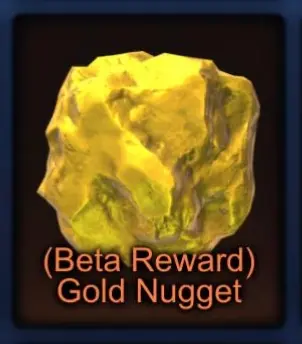
Digital In-Game Item: (Beta Reward) Gold Nugget
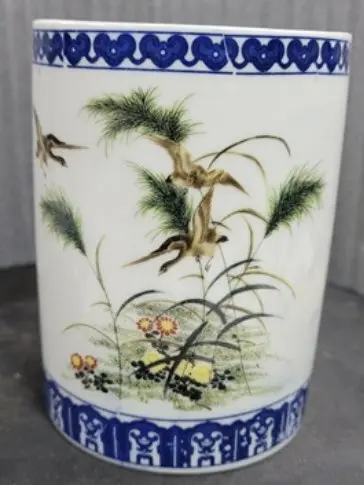
Chinese Bitong (Brush Pot) with Qianlong Apocryphal Mark
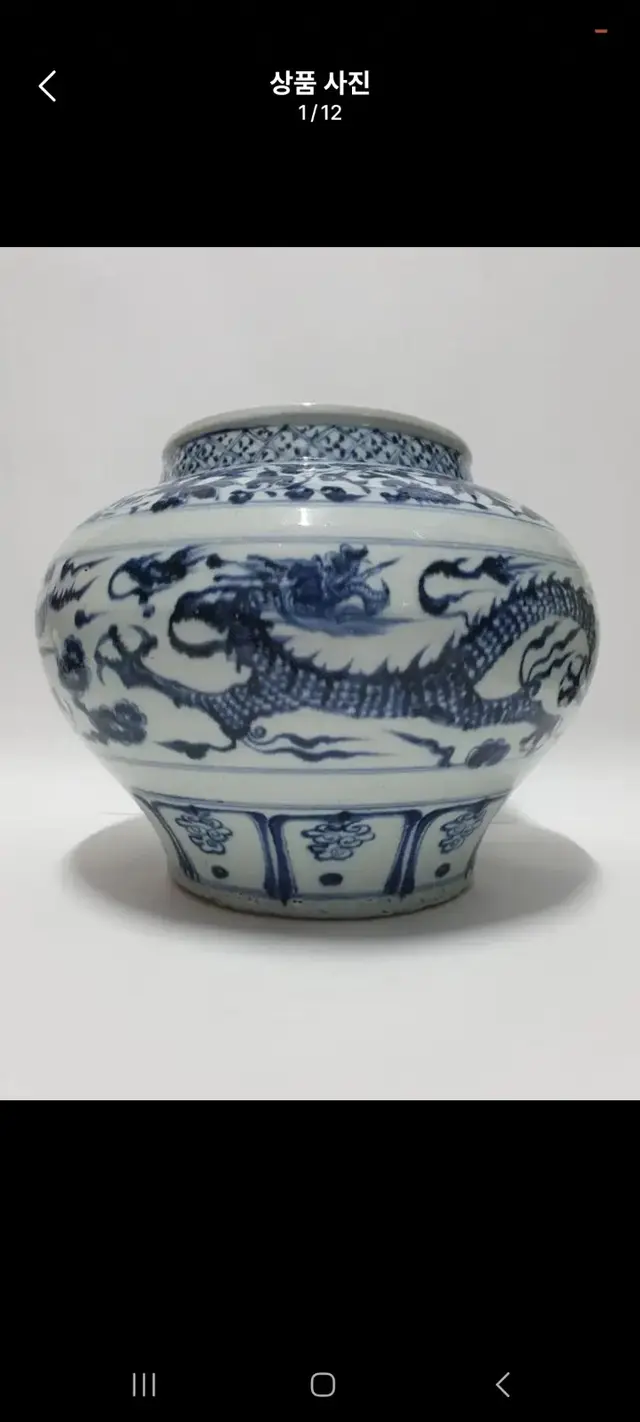
Blue and White Dragon Jar
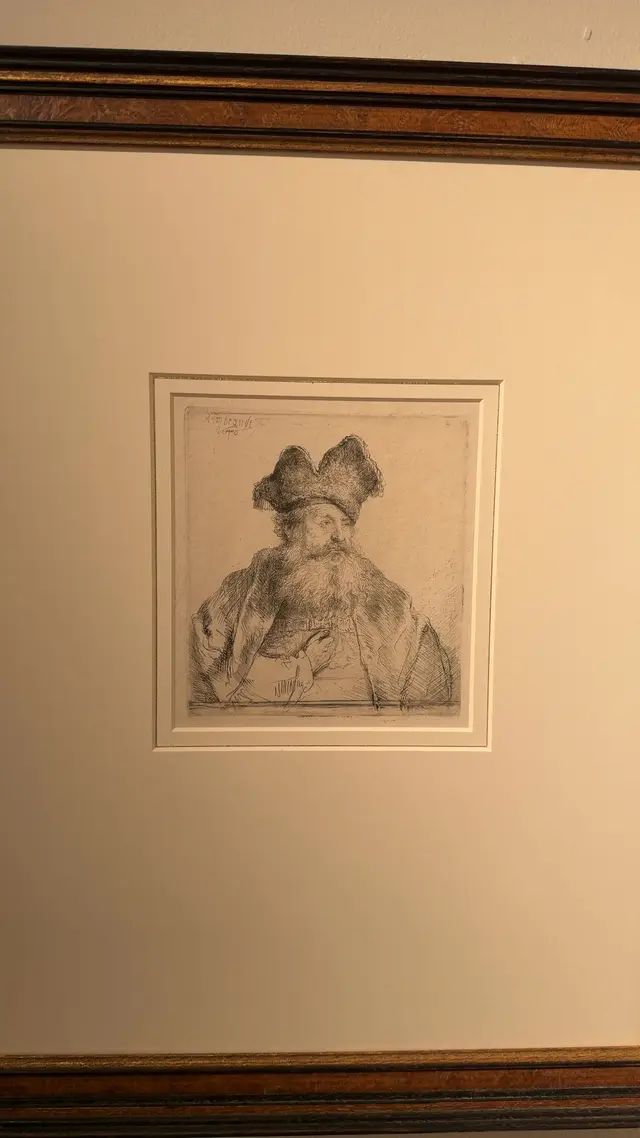
Old Man with a Divided Fur Cap (B. 265) - Intaglio Print

Blue and White Fenghuang Ewer
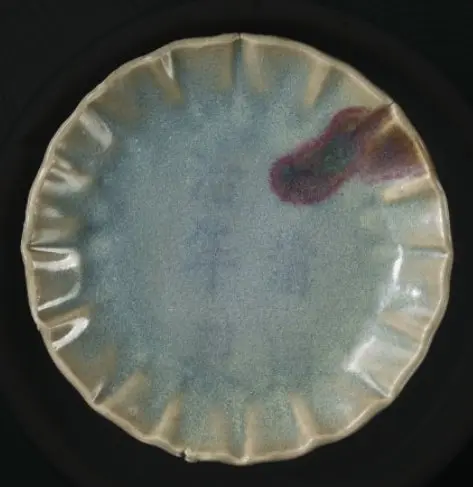
Jun-Style Foliated Dish with Copper-Red Splash
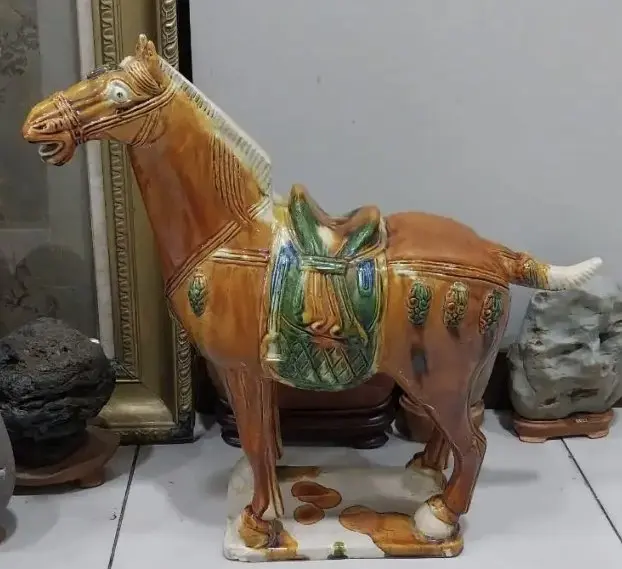
Tang-Style Sancai Glazed Earthenware Horse
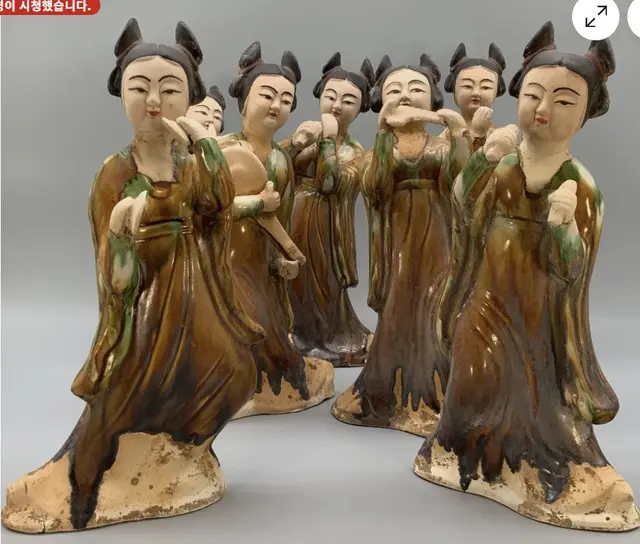
Sancai-style Ceramic Tomb Musicians
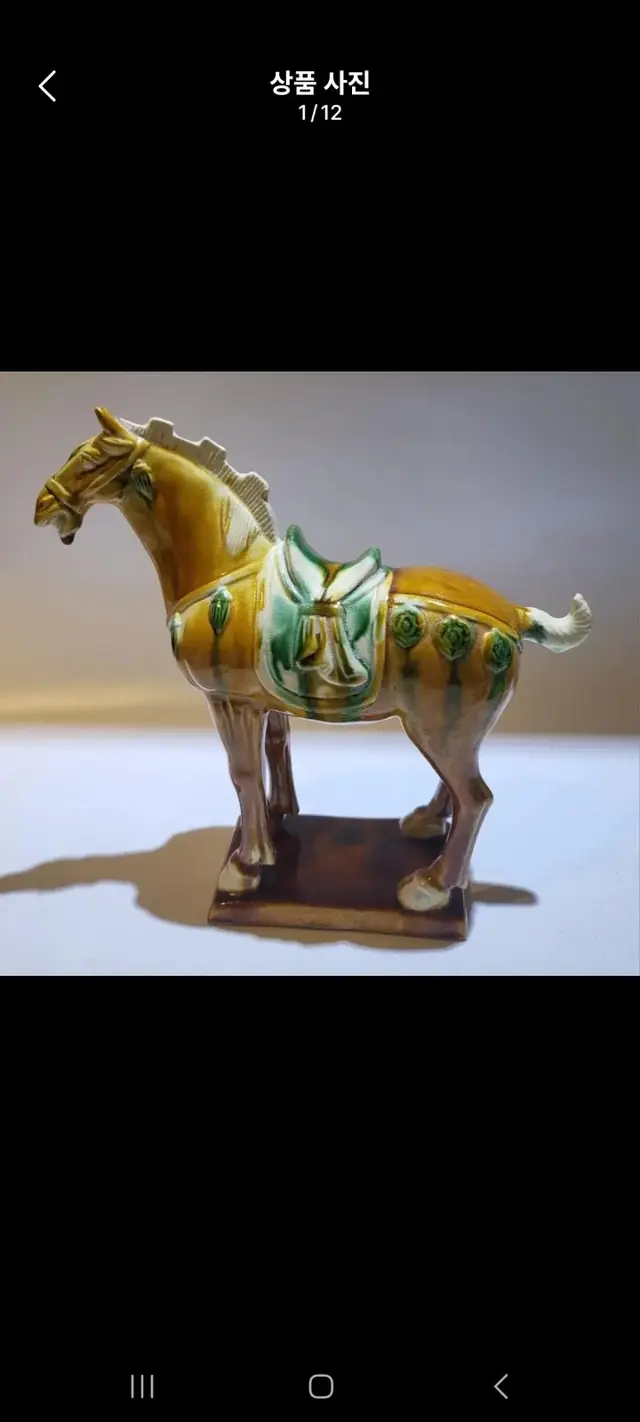
Sancai-Style Ceramic Horse Figure
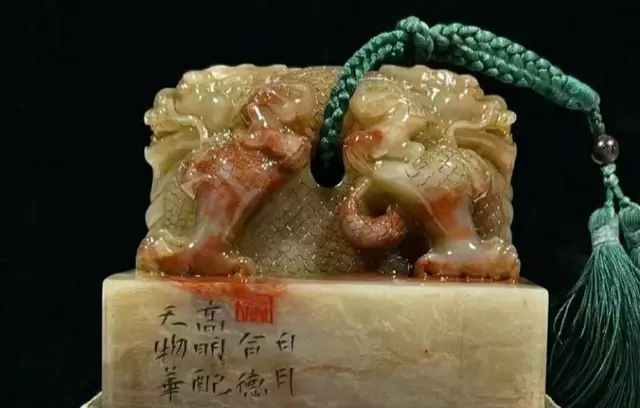
Chinese Hardstone Imperial-Style Seal with Addorsed Dragon Finial

Éditions Delville Jules Verne Facsimile Set (6 Volumes)
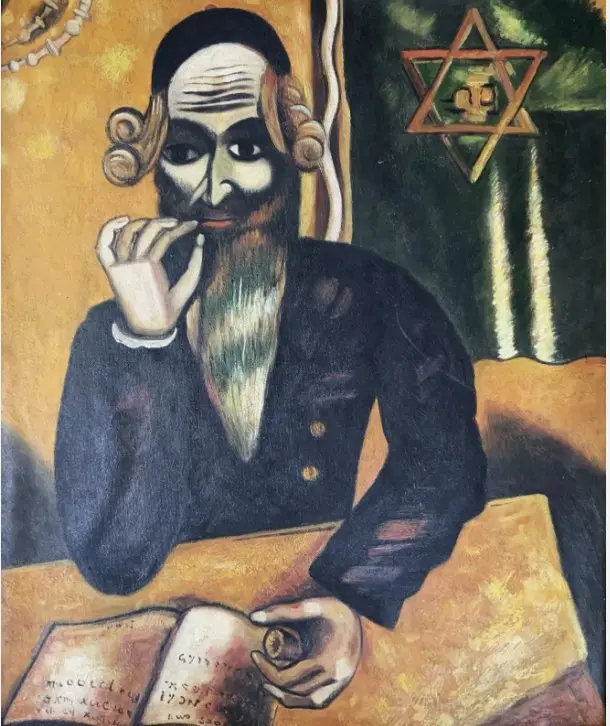
Manner of Marc Chagall 'The Praying Jew' (Rabbi of Vitebsk)
49–60 of 123 objectsPage 5 of 11
A few practical questions
Can Curiosa tell me for certain that an object is real?
No. It can suggest an identification and highlight visible inconsistencies. Authentication may require physical examination, provenance research or specialist testing.
What does a high risk indication mean?
It means the analysis found reasons to question the suggested identity or attribution. It is not proof of a forgery, and the assessment may be wrong.
Is a risk score the probability that my object is fake?
No. Treat it as an indication to investigate, not a statistically calibrated probability. The photographs, context and starting attribution all affect the assessment.
Does a low risk indication authenticate an object?
No. An absence of visible warning signs does not establish authenticity. A convincing reproduction or a hidden alteration may not be apparent in photographs.
What should I do next if I am unsure?
Keep the original photographs and any documents. Ask the seller about the attribution and ownership history, then consult a specialist in the relevant maker, material or collecting category when needed.
Have something you want to understand?
Start with a clear photograph and the details you know.