
Sancai-style Ceramic Tomb Musicians
Estimated value
$120 - $350Rarity
Ordinary(3/10)Category
Ceramics & PotteryEra
Late 20th CenturyOrigin
ChinaVisual assessment
Photo analysis
Save to revisit in your watchlist. This does not add the object to your own collection.
Sancai-style Ceramic Tomb Musicians
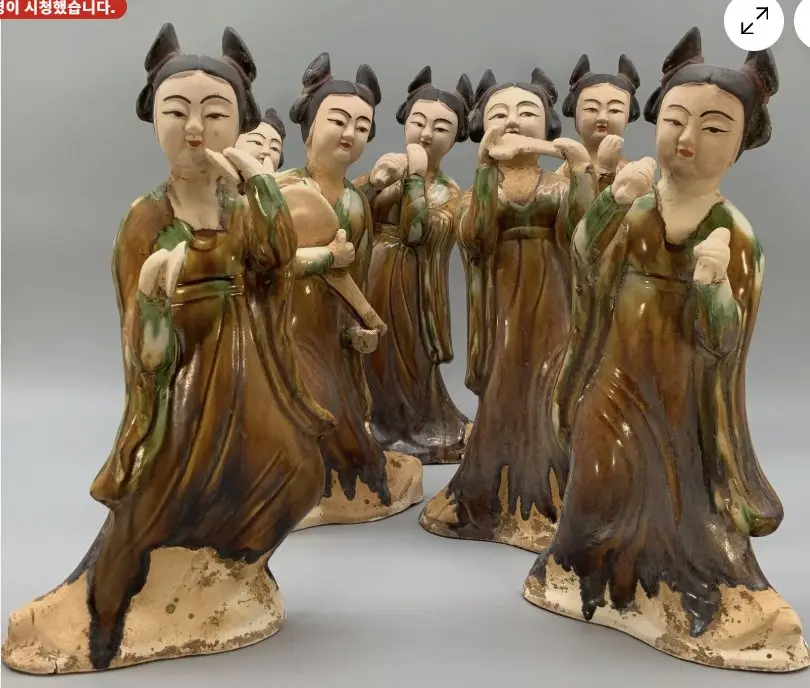
A set of six lead-glazed earthenware figures depicting female musicians in the Tang Dynasty style. The figures are decorated in a palette of amber, green, and cream glazes, with unglazed heads featuring cold-painted details. Each figure is modeled in a dynamic pose, holding or playing various instruments including lutes and flutes.
Related traditions
Tang Dynasty China
618-907 AD
The figures reflect the cosmopolitan nature of Chang'an, where nomadic and foreign musical influences were integrated into court life.
Use and ceremony
Tang Dynasty
Protective and functional ritual objects for the afterlife
Modern Era
Decorative objects representing cultural heritage and historical aesthetic
Origins and context
These figures are modeled after 'mingqi' or burial goods from the Tang Dynasty (618-907 AD), which were interred to provide entertainment for the deceased. The use of 'Sancai' (three-color) glazing reached its peak during the 8th century, characterized by the use of copper and iron oxides. While the style is ancient, these specific examples show manufacturing traits consistent with late 20th-century decorative production intended for the export or gift market.
Further details
The distinctive green color in Sancai pottery is achieved through the use of copper oxide, while the amber hues come from iron oxide fired in an oxidizing atmosphere.
During the Tang Dynasty, the production of these lead-glazed figures was strictly regulated by sumptuary laws that dictated the size and number of figures allowed based on the deceased's social rank.
Attribution and evidence
Identification of the style is certain, but the high degree of similarity to known 20th-century replicas necessitates a high authenticity risk score for the Tang period. Visual evidence strongly supports a modern decorative origin.
Identifying details
- 1Sancai glaze palette and dripping technique consistent with Tang stylistic revivals
- 2Unglazed heads with traces of cold-painting conform to traditional manufacturing sequences
- 3Molded construction evidence visible in the repeated forms and seam lines
- 4Base 'patina' appears topically applied rather than geologically fused
Open questions
- •The 'dirt' on the lower garments appears spray-applied rather than mineralized
- •The sharp contrast between the clean glaze and 'weathered' bases is a common trait of modern reproductions
Photographs that would help
- Check the interior of the hollow figures for modern tool marks or slip-casting ridges
- Inspect the figures under UV light to check for modern adhesives or surface coatings
- Conduct a 'tongue test' or absorbency test on the unglazed sections to gauge the porosity and firing temperature
Terms in this record
- Sancai
- A lead-glaze technique using three colors, typically green, amber, and cream.
- Cold-painted
- Pigments applied to the ceramic surface after firing, rather than being part of the glaze.
- Mingqi
- Chinese burial goods, often in the form of servants, animals, or musicians.
Wear and preservation
Condition is evaluated based on the integrity of the glaze and the presence of any structural repairs; however, standard numismatic or philatelic grading does not apply to this decorative ceramic category.
Multiple figures show surface abrasions and loss of cold-painted pigments on the faces. Artificial distressing is present near the bases to simulate burial excavated wear, but the edges of the losses appear relatively sharp rather than geologically weathered.
Glaze and painted decoration
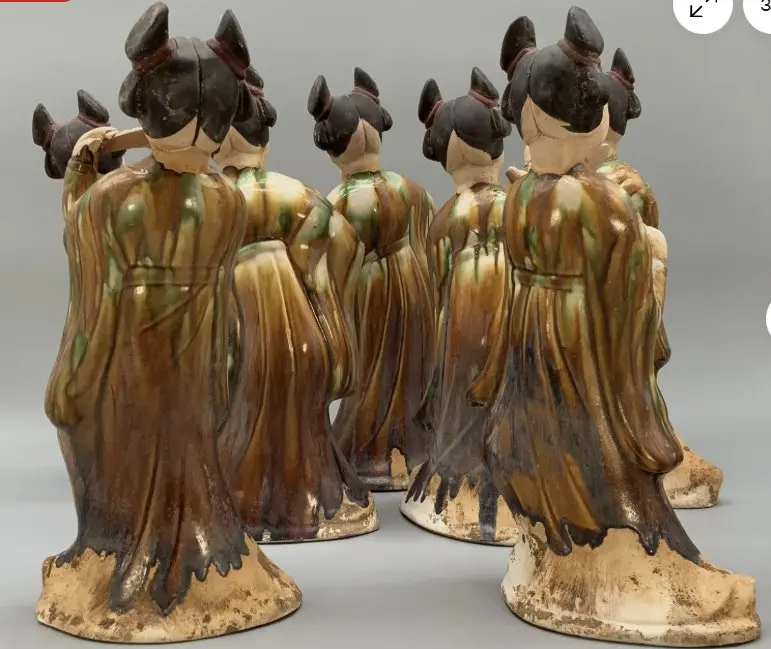
The low-fired lead glaze shows characteristic dripping and pooling at the base, with a high-gloss finish contrasting against the matte, porous earthenware of the unglazed heads. Slight crazing is visible in the amber sections, typical of lead-silica glazes.
Recorded physical details
Each figure likely weighs between 400 and 600 grams, suggesting a moderately dense but hollow-molded earthenware body.
Scarcity and surviving examples
Ordinary · 3/10 estimated rarity
This is a qualitative collection score, not a measured survival count, market percentile or proof of authenticity.
What the photographs establish
Interpretation of the photographs and supplied context. This does not authenticate the object.
- Uniformity of glaze application suggests modern commercial kiln control
- Artificial soil/dirt application on the base lacks the calcified encrustation typical of genuine Tang tomb finds
- Facial modeling and hair styling appear consistent with mid-to-late 20th-century reproduction standards
Value and its basis
Estimate recorded: May 11, 2026
How we estimate value
Estimate context (not a documented sale): Similar late 20th-century sets of six often hammer for $150-$400 at regional domestic auctions (e.g., Leland Little or Brunk).
Collectors and interest
Interior designers seeking Chinoiserie accents and entry-level collectors of Asian decorative arts.
What supports the estimate
- •Full set of six matching figures
- •Visual appeal of the Sancai glaze drips
- •Large scale compared to smaller mass-market versions
What could change it
- •Chips to the delicate unglazed sections
- •Visible modern seam lines from mold production
- •Market saturation with similar late 20th-century replicas
Comparing quality
- •Authentic T'ang period examples would feature micro-crazing and genuine soil mineralization
- •Hand-modeled details as opposed to mechanical mold signatures
The effect of condition
Completeness of the set, lack of breakage in the delicate fingers or instruments, and preservation of facial pigments.
Market interest
For informational purposes only, not a formal appraisal.
Related objects
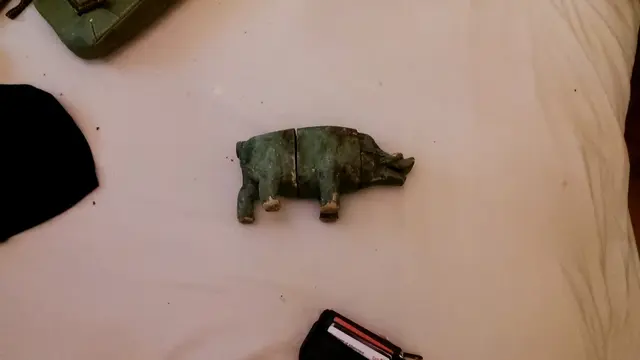
Han Dynasty Style Glazed Ceramic Boar Figurine
Shared title details
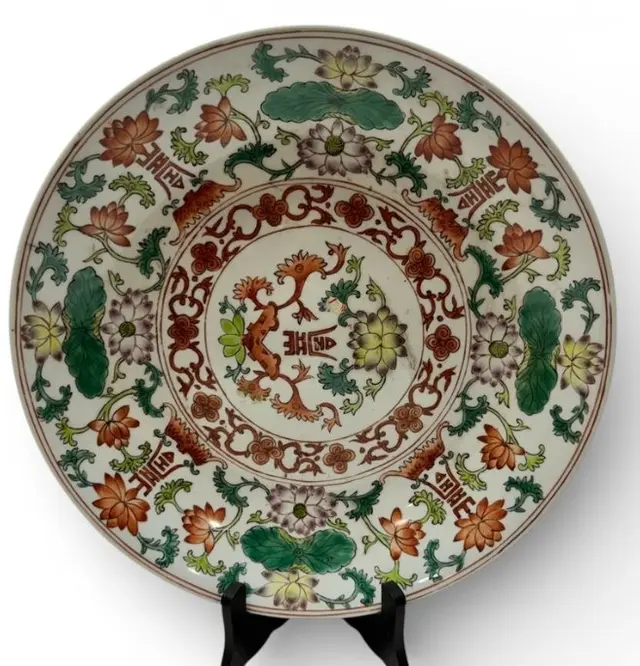
Chinese Wucai-style Famille Verte Porcelain Charger
Same category
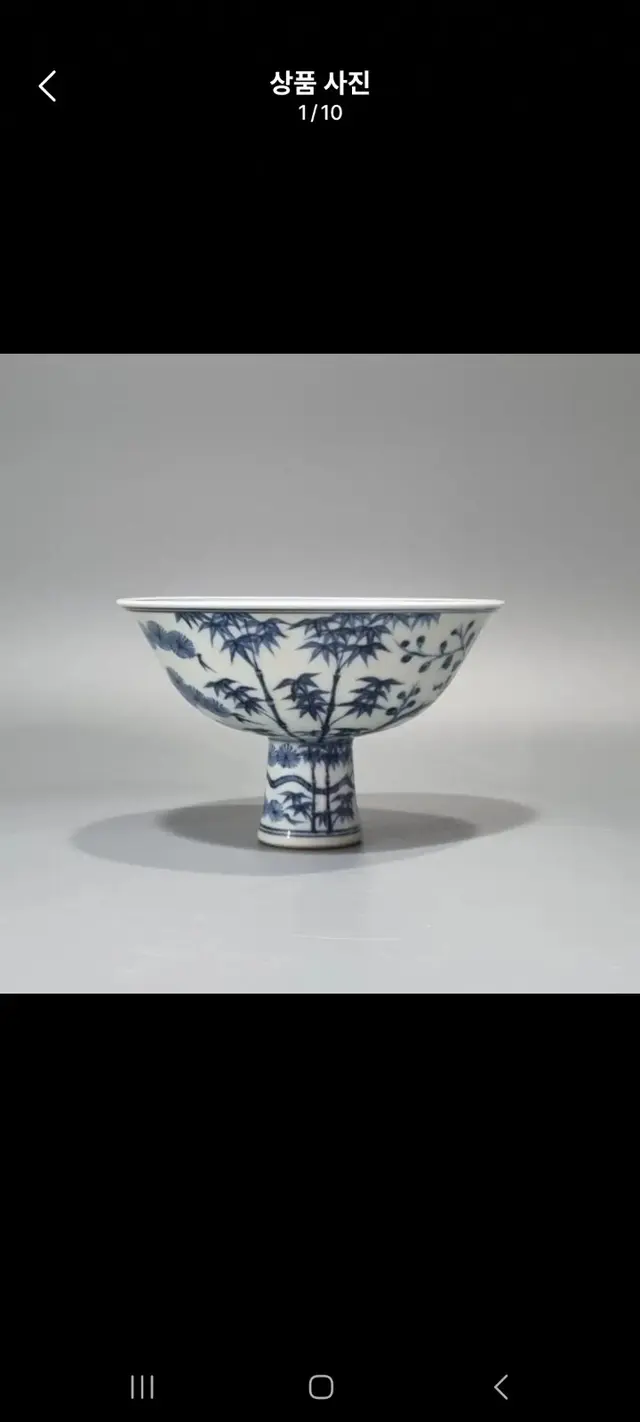
Chinese Blue and White 'Three Friends of Winter' Stem Cup, Ming Style
Same category
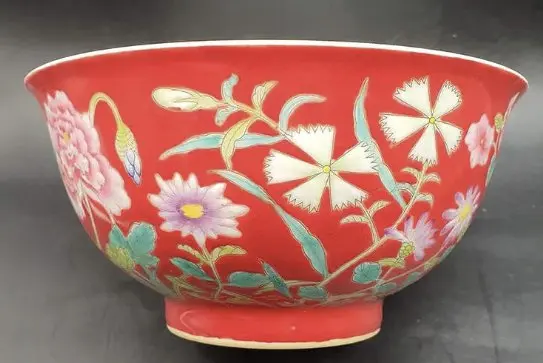
Chinese Falangcai Style Ruby-Ground Floral Bowl with Kangxi Yu Zhi Mark
Same category
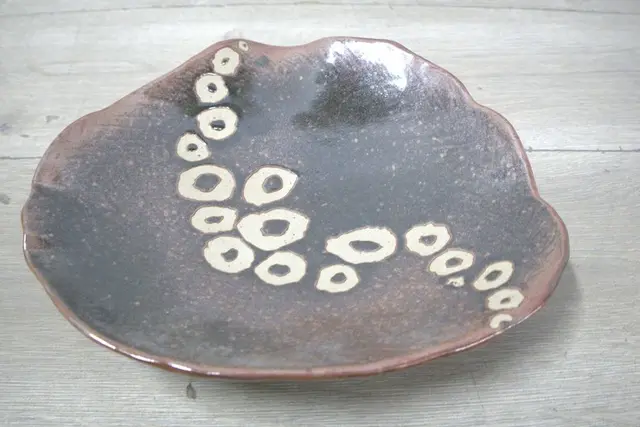
Signed glazed ceramic bowl with ring decoration
Same category
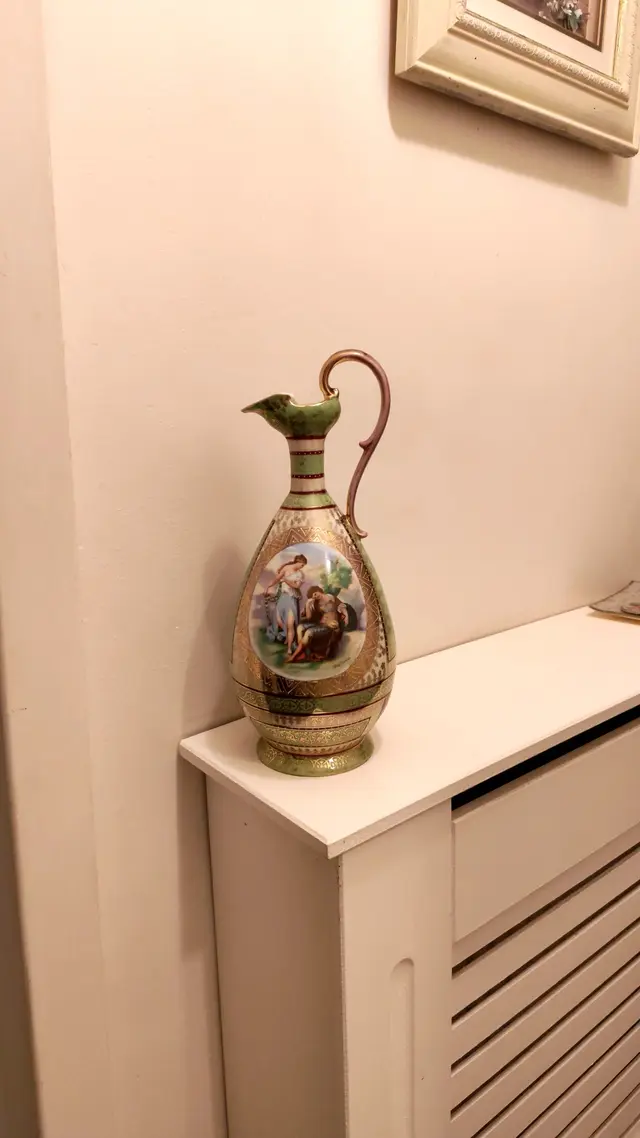
Austrian Ewer in Neo-Classical Style
Same category
Explore Ceramics & Pottery
Pottery, porcelain, stoneware, earthenware, and kiln-fired objects.
Ceramics & Pottery value and rarity guideShare this find
A place for your ceramics
Keep its photographs, maker’s marks and the story you know in one object record. Start with a photo.
Create an account for 10 free scans. No credit card needed.
Join the conversation
Recognise a detail or have a question? Add what you know and cite your source. Suggested corrections stay in the discussion for the owner or a moderator to review.
Sign in to leave a comment
Sign in