
Sancai-Style Ceramic Horse Figure
Estimated value
$40 - $120Rarity
Ordinary(3/10)Category
Ceramics & PotteryEra
Late 20th Century (circa 1970-1990)Origin
ChinaVisual assessment
Photo analysis
Save to revisit in your watchlist. This does not add the object to your own collection.
Sancai-Style Ceramic Horse Figure
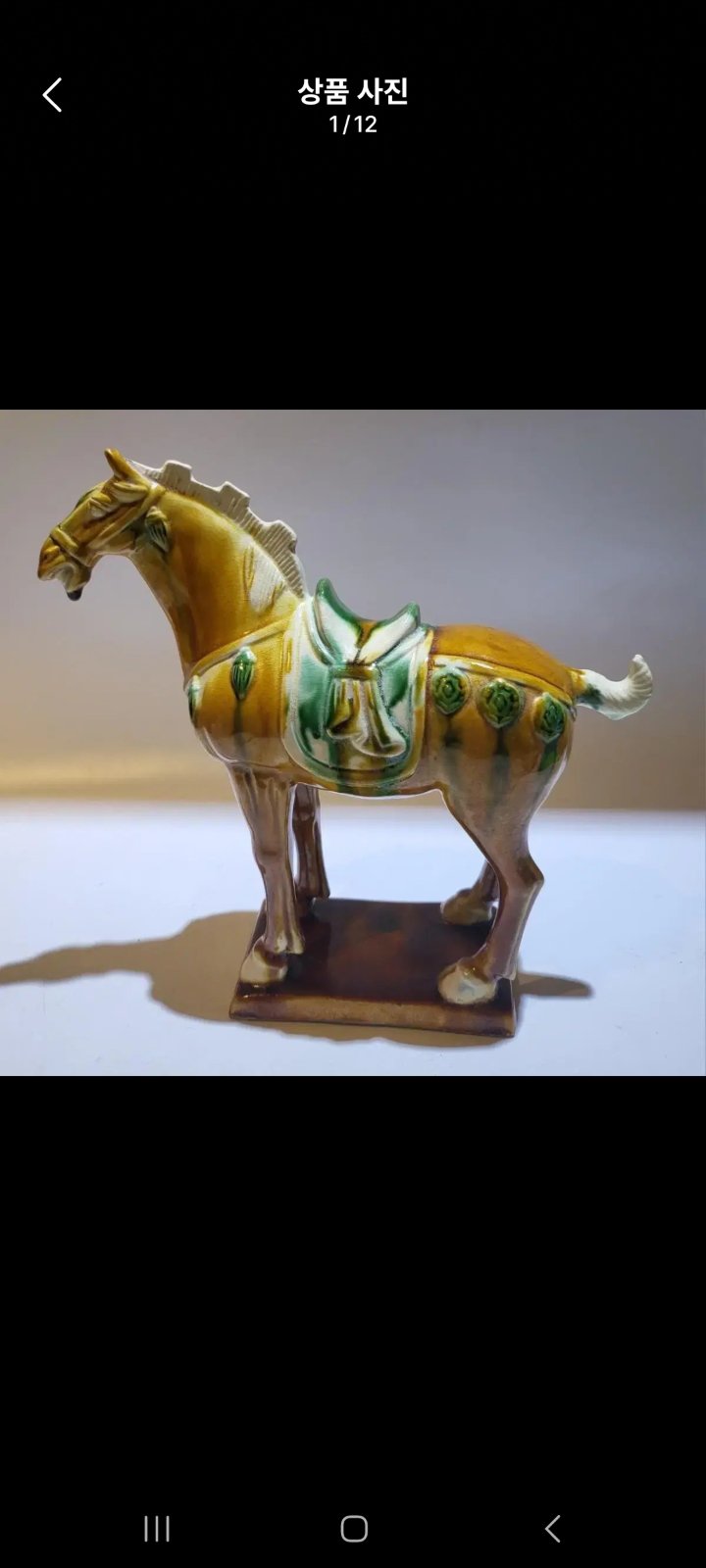
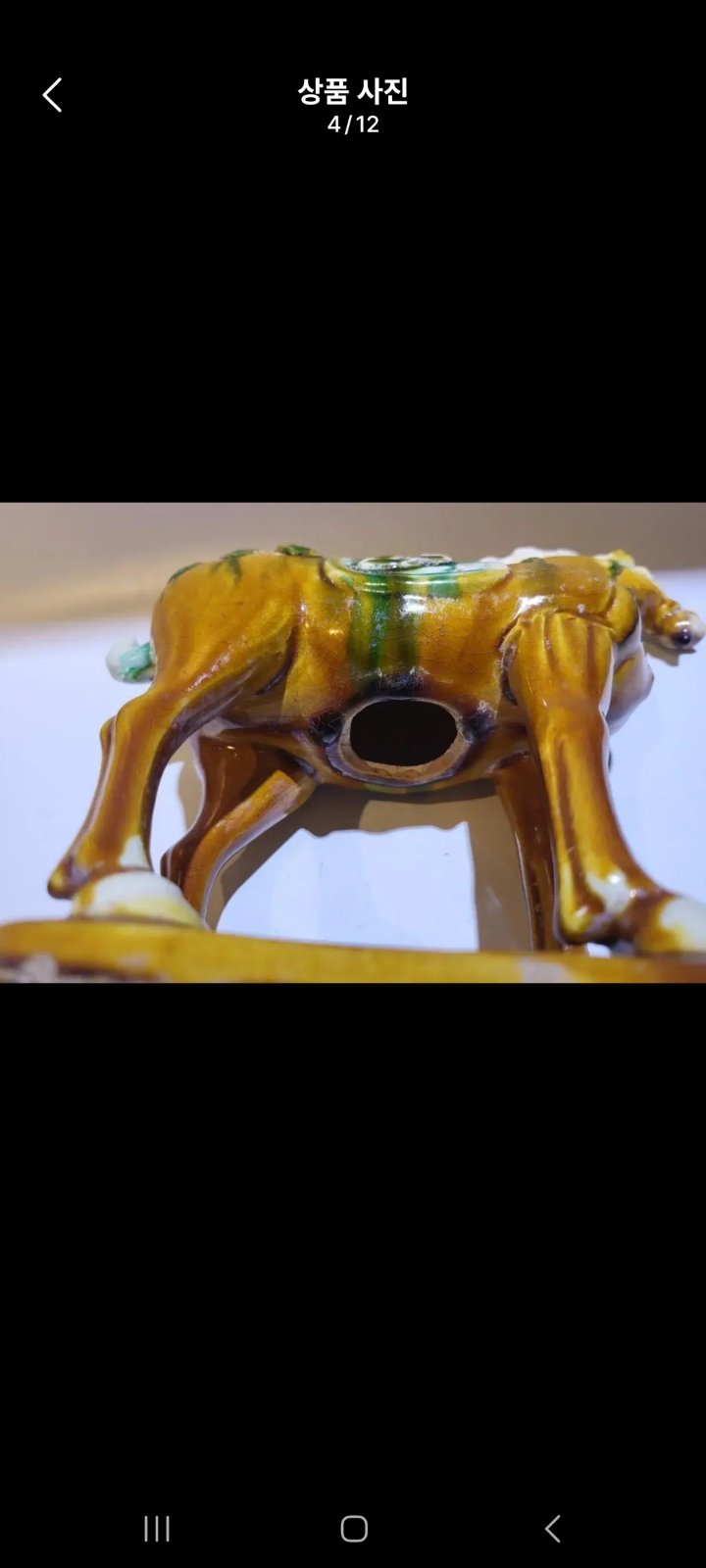
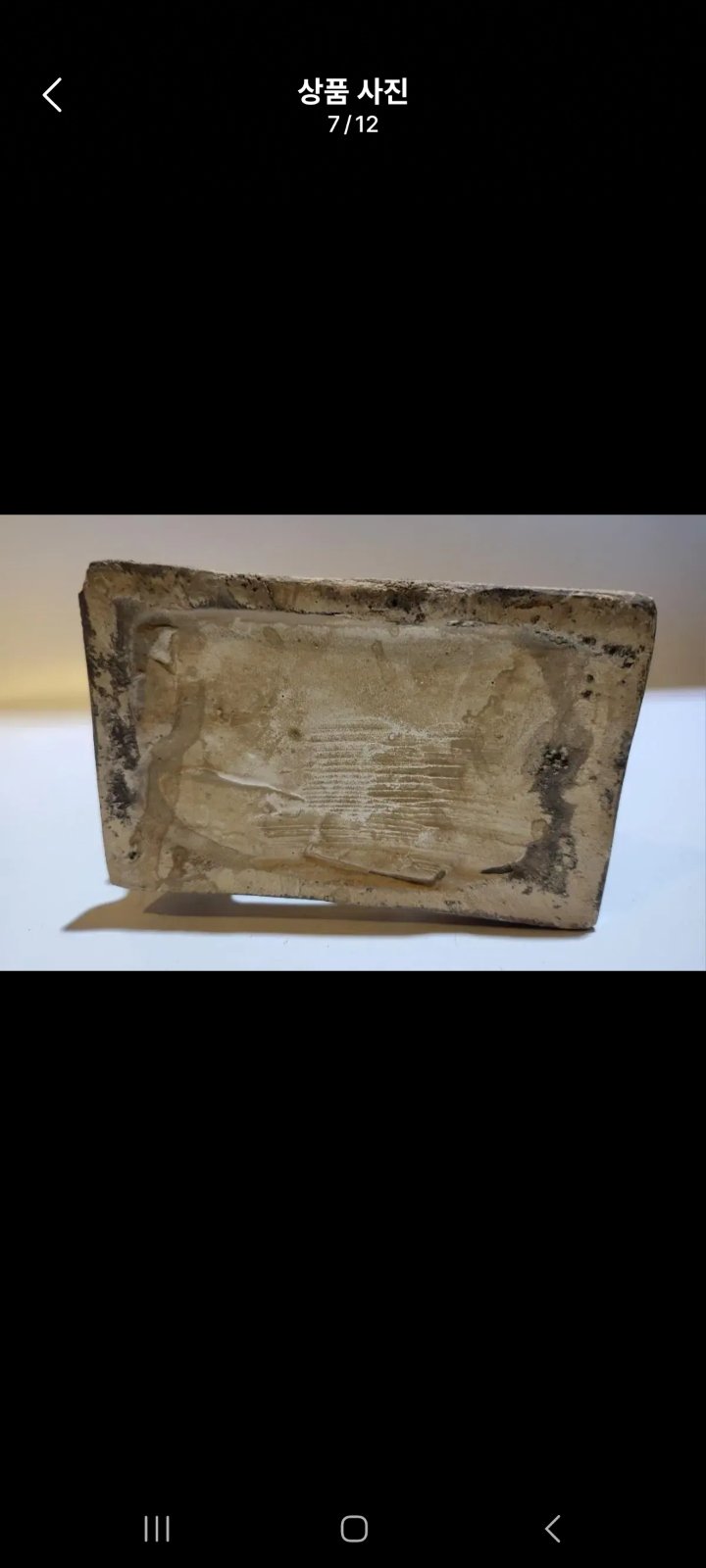
A ceramic figure of a standing horse, executed in the classic Tang Dynasty Sancai (three-color) style. The piece features a lead-based glaze pallet of amber, leaf green, and off-white. The horse is modeled with a clipped mane, a dynamic head posture with open mouth, and a saddled back with green-glazed floral medallions on its haunches. The underside reveals a hollow-molded body and a flat, unglazed rectangular base showing a buff-colored, granular earthenware paste.
Related traditions
Tang Dynasty China
618–907 AD
The horse symbolized status, military power, and the wealth of the Silk Road trade.
Use and ceremony
8th Century
A sacred funerary object meant for the tomb.
20th Century
A decorative signifier of Orientalism and classical Chinese aesthetic in Western interior design.
Origins and context
The original Sancai tomb figures were produced during the Tang Dynasty (618–907 AD) primarily as funerary wares (mingqi). This specific horse type represents the 'Ferghana' horses imported from Central Asia. While the style dates back over a millennium, mass-market reproductions became highly prevalent in the mid-to-late 20th century, particularly from the 1970s onward in export markets, as noted in Sotheby's sale archives for decorative Chinese ceramics.
Further details
The distinctive green color in Sancai glazes is achieved through the use of copper oxide, while the amber tones come from iron oxide fired in an oxidizing kiln atmosphere.
Real Sancai horses from the 8th century typically show microscopic glaze degradation called 'iridescence' or 'silvering' due to long-term soil burial, which is absent on this surface.
Attribution and evidence
Visual characteristics clearly identify this as a modern 'in the style of' piece rather than a period antique. The condition of the base and interior cavity are the primary diagnostic indicators.
Identifying details
- 1Buff-colored earthenware paste visible on the base is typical of modern kilns in Henan province
- 2Lack of 'root marks' or mineral encrustations inside the firing hole
- 3Lead-glaze palette is chromatically bright and lacks the expected 'silvering' or iridescence of Tang originals
- 4Molded seams are consistent with late 20th-century serial production
Open questions
- •The base is remarkably flat and clean for an item claiming ancient origin
- •Internal ceramic walls lack the hand-finished fingerprints or tooling seen in authentic Tang pieces
Photographs that would help
- Examine the glaze under UV light; modern glazes may fluoresce differently than traditional mineral lead glazes
- A Thermoluminescence (TL) test would provide absolute dating, though the cost ($400+) exceeds the item's likely value
Terms in this record
- Sancai
- Literally 'three colors'; a lead-glazed polychrome technique using copper, iron, and manganese/cobalt.
- Crazing
- A network of fine cracks in the glaze caused by the glaze shrinking more than the clay body during cooling.
- Mingqi
- Chinese burial goods, often ceramic, created specifically for the afterlife.
Wear and preservation
No visible chips to the ears or tail, which are primary breakage points. Glaze coverage is consistent with standard export-grade quality from the late 20th century.
Uniform surface crazing is present across all glazed areas. The unglazed base shows shelf wear and minor staining consistent with a 20th-century decorative object rather than an archaeological specimen.
Glaze and painted decoration
The glaze shows intentional crazing and pooling at the lower extremities. The green glaze displays the characteristic 'dripping' effect where the lead flux flowed during firing.
Recorded physical details
Approximately 800 to 1,200 grams; the hollow construction and earthenware body suggest a weight that is substantial but typical for slip-cast decorative wares.
Scarcity and surviving examples
Ordinary · 3/10 estimated rarity
This is a qualitative collection score, not a measured survival count, market percentile or proof of authenticity.
What the photographs establish
Interpretation of the photographs and supplied context. This does not authenticate the object.
- Cleanliness of the interior cavity and base lacks the calcified mineral deposits consistent with century-long burial
- The uniform crazing appears intentional rather than the result of natural thermal expansion over 1,000 years
- Production technique mimics Tang style but aligns with 20th-century export market reproductions
Value and its basis
Estimate recorded: May 11, 2026
How we estimate value
Estimate context (not a documented sale): Similar 20th-century export Sancai horses frequently sell for $50-$150 on platforms like eBay and at local estate auctions (Heritage Auctions, 2023).
Collectors and interest
Interior designers and casual collectors of Chinoiserie or Chinese decorative arts.
What supports the estimate
- •Large size contributes to presence as a focal piece
- •Condition of fragile parts like ears and tail
- •Color vibrancy of the amber and green glazes
What could change it
- •Market saturation with similar 1970s and 80s imports
- •Visible chips to the glaze or repairs to the legs
Comparing quality
- •Authentic Tang Dynasty provenance confirmed by TL testing
- •Exceptional height over 20 inches
- •Presence of rare blue (cobalt) glaze highlights
The effect of condition
Completeness of appendages and lack of 'flea bites' in the glaze.
Market interest
For informational purposes only, not a formal appraisal.
Related objects
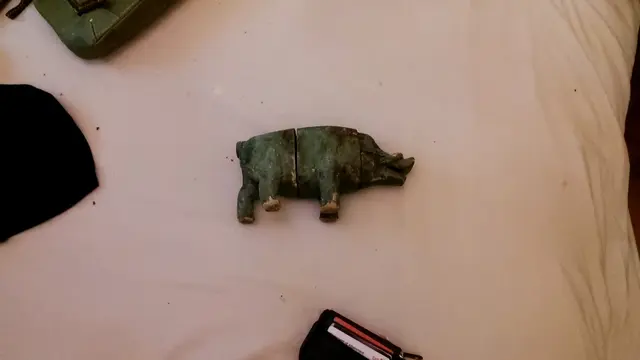
Han Dynasty Style Glazed Ceramic Boar Figurine
Shared title details
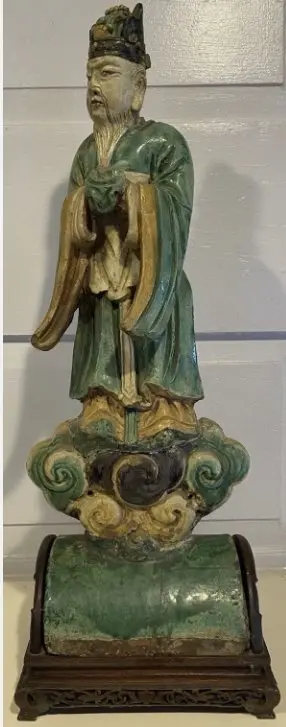
Chinese Shiwan Sancai Glazed Roof Tile Figure
Shared title details
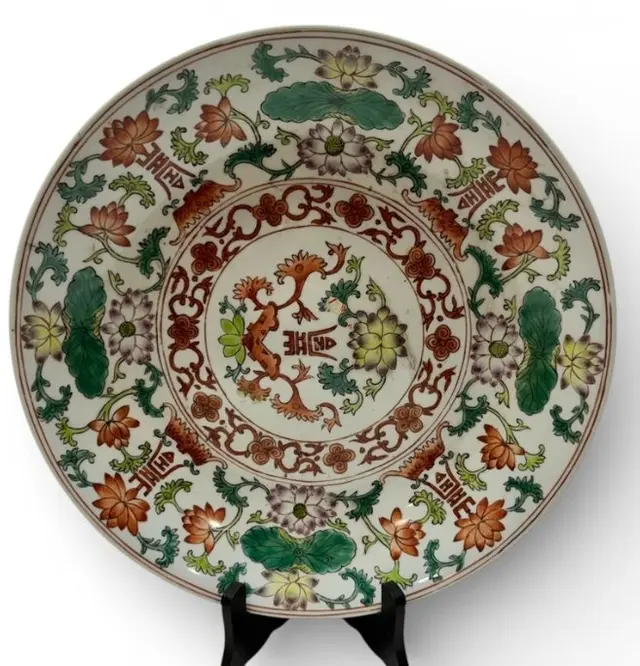
Chinese Wucai-style Famille Verte Porcelain Charger
Same category
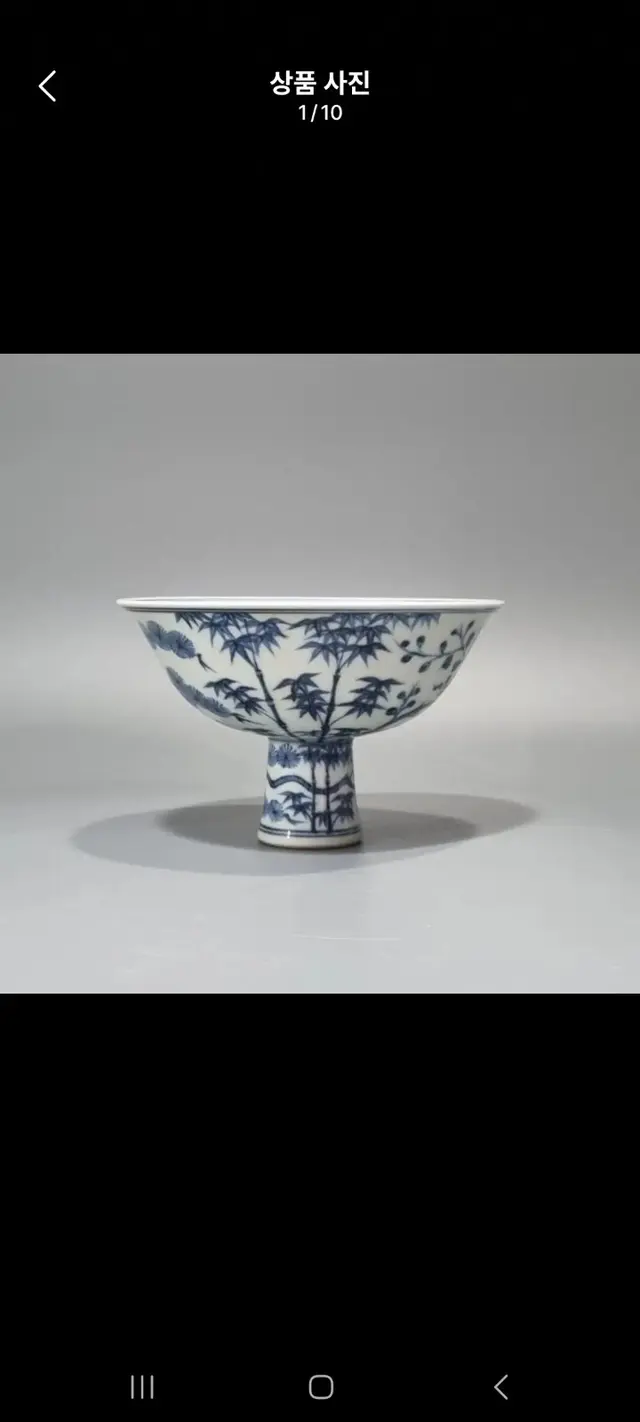
Chinese Blue and White 'Three Friends of Winter' Stem Cup, Ming Style
Same category
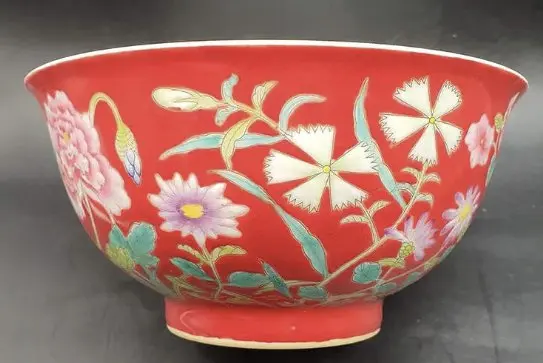
Chinese Falangcai Style Ruby-Ground Floral Bowl with Kangxi Yu Zhi Mark
Same category

Austrian Ewer in Neo-Classical Style
Same category
Explore Ceramics & Pottery
Pottery, porcelain, stoneware, earthenware, and kiln-fired objects.
Ceramics & Pottery value and rarity guideShare this find
A place for your ceramics
Keep its photographs, maker’s marks and the story you know in one object record. Start with a photo.
Create an account for 10 free scans. No credit card needed.
Join the conversation