
Tang-Style Sancai Glazed Earthenware Horse
Estimated value
$150 - $450Rarity
Ordinary(3/10)Category
Ceramics & PotteryEra
Late 20th century (post-1970)Origin
ChinaVisual assessment
Photo analysis
Save to revisit in your watchlist. This does not add the object to your own collection.
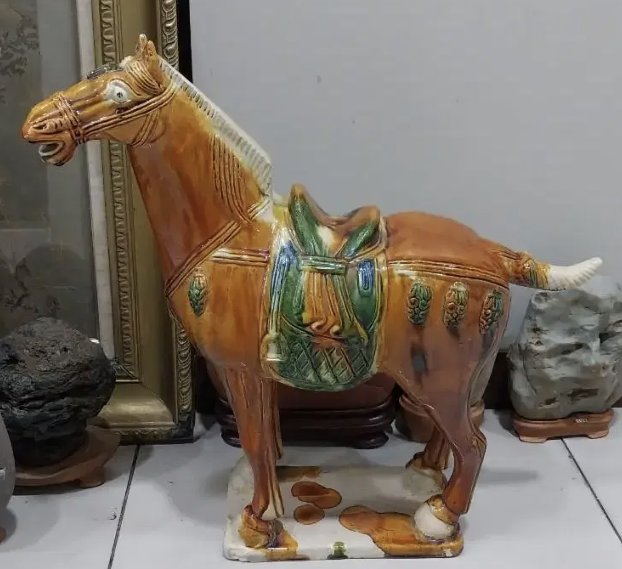
Tang-Style Sancai Glazed Earthenware Horse
Earthenware sculptural figure of a standing caparisoned horse modeled in the Tang Dynasty style. The piece features a characteristic three-color sancai palette consisting of amber-brown, lead-green, and creamy white glazes. The horse is depicted with a docked and bound tail, a cropped mane, and elaborate trappings including a saddle draped with a pleated cloth and medallion-style chest and haunch decorations. The glazes show typical pooling at the base and a controlled run-off consistent with late 20th-century decorative production.
Related traditions
Tang Dynasty China
7th-10th Century AD
Original mingqi figures served as spiritual guardians and status symbols in subterranean tombs.
Use and ceremony
8th Century
Imperial power and military dominance over the Silk Road.
21st Century
A decorative hallmark of classicism and 'Chinoiserie' interior design.
Origins and context
Authentic sancai (three-color) wares were produced during the Tang Dynasty (618–907 AD) primarily as burial goods (mingqi) for the elite. These lead-based glazes were revived in the late 19th and throughout the 20th century as the global art market's demand for Tang aesthetics surged. Most examples found outside of major museum collections are 20th-century decorative reproductions made in workshops in Henan province, which specialize in recreating Tang-era kiln techniques and forms.
Further details
The green color in sancai glazes was traditionally achieved by adding copper oxide, while the amber hues came from iron oxide fired in an oxidizing atmosphere.
During the Tang Dynasty, the horse was a symbol of military power and social status, often imported from the Ferghana Valley and known as 'Heavenly Horses' for their superior speed and endurance.
Attribution and evidence
The form and glaze application are highly characteristic of well-documented 20th-century reproductions; however, a definitive dating requires physical inspection of the paste density and underside tool marks.
Identifying details
- 1Sancai (three-color) lead-glaze palette on earthenware body.
- 2Modern kiln pooling characteristics on the base plate.
- 3Stylistic adherence to Tang 'Heavenly Horse' proportions.
- 4Lack of genuine terrestrial encrustation or archaeological root marks.
Open questions
- •The whites are exceptionally bright, lacking the yellowing seen in authentic 1,200-year-old pieces.
- •The rectangular base shows very clean, sharp edges typical of modern industrial firing.
Photographs that would help
- Examine the underside of the base for kiln spur marks or workshop stamps.
- Perform a UV light test to check for hidden repairs or modern adhesives.
- Inspect the paste (ceramic body) at a chip site for color; authentic Tang paste is typically creamy-white to buff-red.
Terms in this record
- Sancai
- A lead-glaze technique using three colors, popularized during the Tang Dynasty.
- Crazing
- Fine networks of cracks in the glaze caused by a mismatch in thermal expansion between body and glaze.
- Mingqi
- Traditional Chinese burial goods intended for the use of the deceased in the afterlife.
Wear and preservation
Surface integrity is high with minimal abrasions; the glaze remains vibrant with no significant restoration detected.
The item appears structurally sound with no visible fractures or large chips. Minor glaze flakes are present on the saddle edges and tail, consistent with handling wear rather than archaeological burial.
Glaze and painted decoration
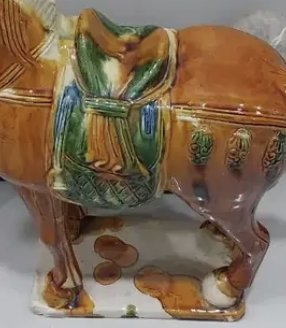
The glaze exhibits a glassy, high-shine finish with visible pooling around the lower legs and rectangular base. Characteristic lead-glaze crazing is present across the amber sections, though the surface lacks the buried-environment calcification seen on excavated pieces.
Recorded physical details
Estimated at 4.5 to 6.0 kg; the slip-cast earthenware body likely has a medium-density heft with a hollow interior typical of decorative kiln exports.
Scarcity and surviving examples
Ordinary · 3/10 estimated rarity
This is a qualitative collection score, not a measured survival count, market percentile or proof of authenticity.
What the photographs establish
Interpretation of the photographs and supplied context. This does not authenticate the object.
- Glaze vibrancy and lack of silvering (iridescence) suggests modern firing
- Stylized eye modeling is consistent with 20th-century reproduction workshops
- The uniform thickness of the base indicates modern mold-casting techniques
Value and its basis
Estimate recorded: May 11, 2026
How we estimate value
Estimate context (not a documented sale): Similar 20th-century Tang-style horses (20-24 inches) regularly realize $300-$600 at regional auction houses such as Heritage or regional UK dealers.
Collectors and interest
Interior designers and collectors of Asian decorative arts looking for substantial shelf or mantle pieces.
What supports the estimate
- •Size and scale of the sculpture
- •Complexity of the applied sancai colors
- •Integrity of the fragile tail and ears
What could change it
- •Prevalence of near-identical modern workshop copies
- •Structural cracks in the legs, which are common stress points
Comparing quality
- •Hand-modeled details as opposed to slip-cast uniformity
- •Presence of 'silvering' or iridescence from centuries of burial
The effect of condition
Completeness of the tail/ears and the level of glaze crazing/clarity.
Market interest
For informational purposes only, not a formal appraisal.
Related objects
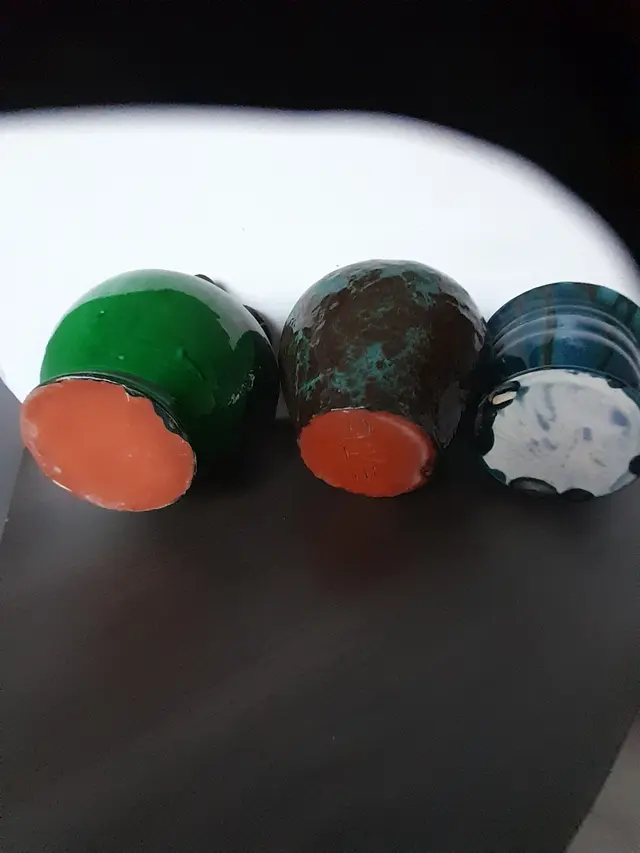
Mid-Century Modern Glazed Earthenware Jugs and Vase
Shared title details
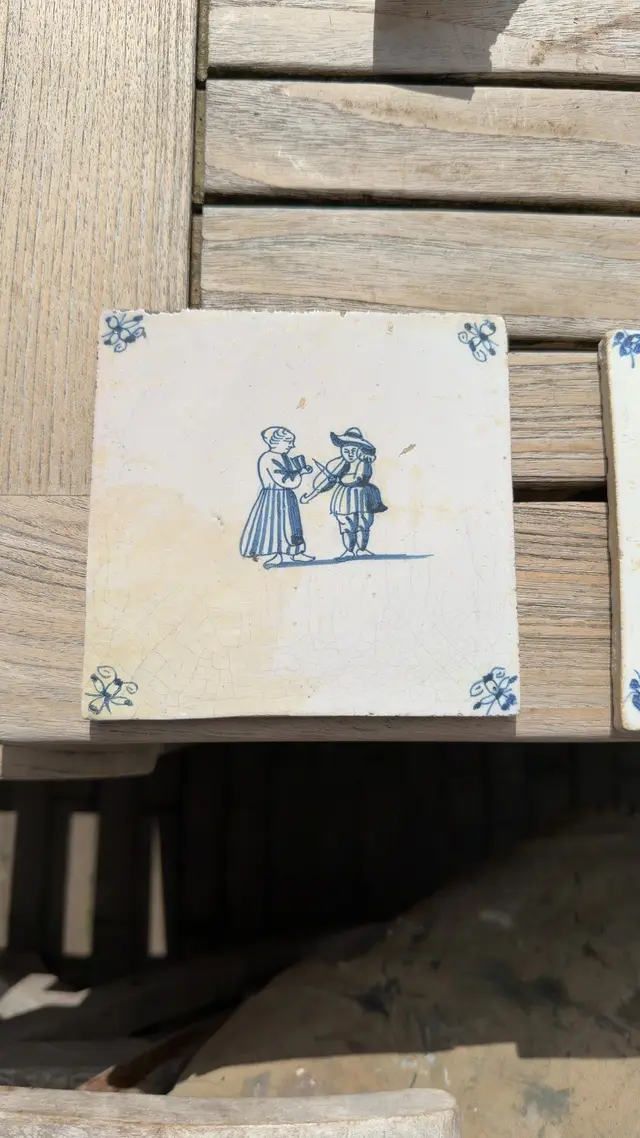
Delft Blue Tin-Glazed Earthenware Tile
Shared title details
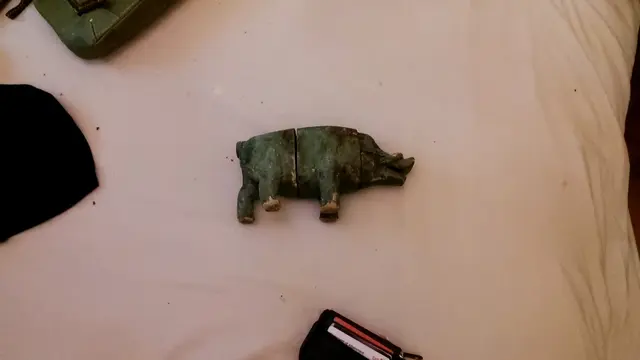
Han Dynasty Style Glazed Ceramic Boar Figurine
Shared title details
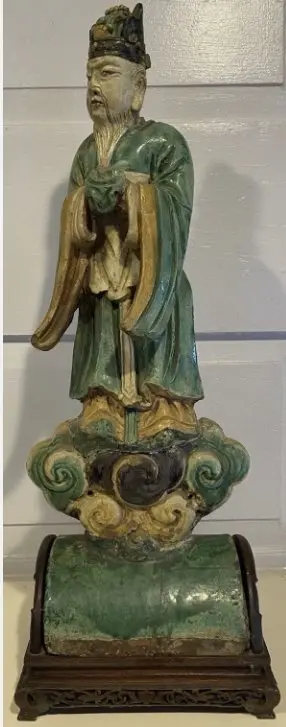
Chinese Shiwan Sancai Glazed Roof Tile Figure
Shared title details

Delft Tin-Glazed Earthenware Tile
Shared title details
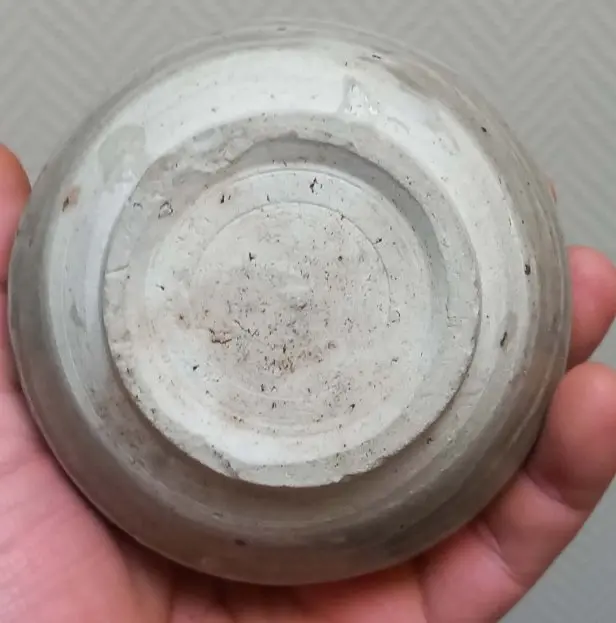
Korean Buncheong-style Glazed Stoneware Jar, Joseon Dynasty Type
Shared title details
Explore Ceramics & Pottery
Pottery, porcelain, stoneware, earthenware, and kiln-fired objects.
Ceramics & Pottery value and rarity guideShare this find
A place for your ceramics
Keep its photographs, maker’s marks and the story you know in one object record. Start with a photo.
Create an account for 10 free scans. No credit card needed.
Join the conversation