
Manner of Marc Chagall 'The Praying Jew' (Rabbi of Vitebsk)
Estimated value
$400 - $1,200Rarity
Average(4/10)Category
PaintingsEra
late 20th centuryOrigin
InternationalVisual assessment
Photo analysis
Save to revisit in your watchlist. This does not add the object to your own collection.
Manner of Marc Chagall 'The Praying Jew'
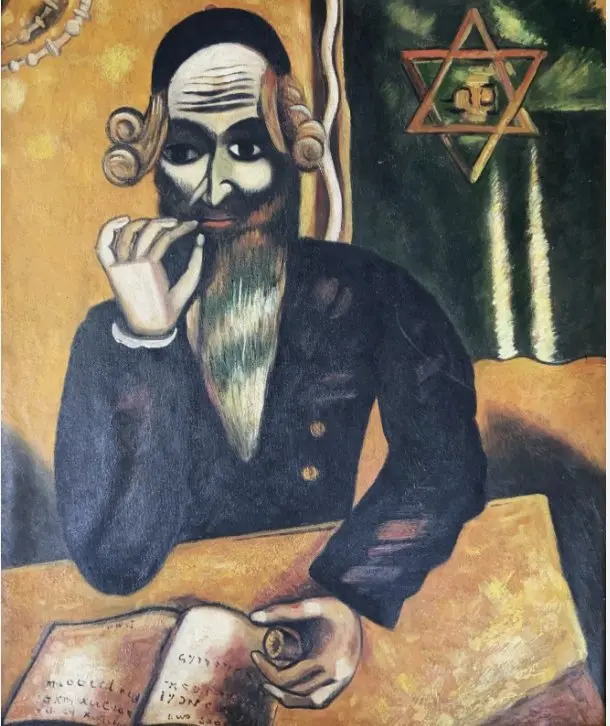
Oil on canvas portrait depicting a bearded man in a kippah and payot sitting before an open book, likely a Torah or Talmud. This composition mimics the 1923 version of Marc Chagall's 'The Praying Jew' (Rabbi of Vitebsk), utilizing a palette of ochre, emerald green, and deep indigo with a Star of David prominently placed in the upper right quadrant. The rendering displays a flattened perspective and heavy black outlining characteristic of Early Modernist expressionism.
Related traditions
Eastern European Jewry
Early 20th Century
The depiction of the Rabbi of Vitebsk serves as a visual record of the Shtetl lifestyle that was largely displaced or destroyed by the mid-20th century.
Use and ceremony
1920s
Symbolized a personal and cultural return to roots amidst the rise of Modernism.
Late 20th Century
Becomes a widely reproduced emblem of 'Lost World' nostalgia and Jewish identity in the arts.
Origins and context
The original composition was executed by Marc Chagall in 1914 and revisited in 1923, reflecting his return to Vitebsk and his deep engagement with his Jewish heritage. This specific repetition of the theme represents the cultural intersection of Hassidic tradition and the European avant-garde of the early 20th century, specifically the École de Paris movement.
Further details
The original 1923 version of this composition is held in the permanent collection of the Art Institute of Chicago, accessioned in 1937.
Chagall frequently painted multiple versions of this subject because he lost many of his early canvases during the turmoil of World War I and the Russian Revolution.
Attribution and evidence
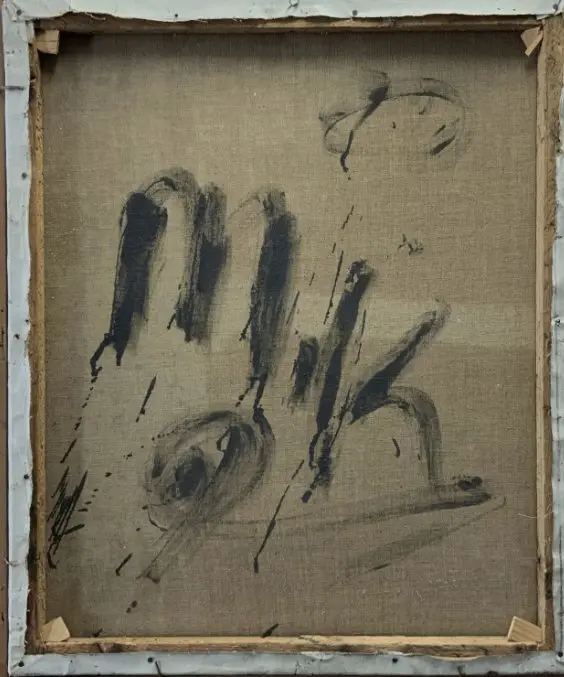
Identification of the composition is certain, but the physical indicators on the verso strongly suggest a later execution or a student work rather than an autograph piece.
Identifying details
- 1Composition directly copies the 1923 'Rabbi of Vitebsk' by Marc Chagall.
- 2Stretcher bars and staples indicate a mid-to-late 20th-century assembly.
- 3The application of paint lacks the subtle impasto and layered transparency found in Chagall's authenticated oils.
- 4Verso markings are non-standard and do not correspond to known gallery or museum inventory practices.
Open questions
- •Absence of a period-correct signature in the lower quadrants.
- •Modern mechanical staples used for stretching the canvas.
- •Oversimplified facial features compared to the nuanced anatomical rendering of the original 1923 masterpiece.
Photographs that would help
- Examination under Ultraviolet (UV) light to check for recent pigments or fluorescing signatures.
- Raking light photography to assess the depth and age of the paint layer crackle (craquelure).
- Consultation with a specialist in 20th-century European reproductions.
Terms in this record
- Manner of
- An artwork executed in the style of a known artist but not by their hand, often created at a much later date.
- Verso
- The back side of a painting, often containing critical clues about age, provenance, and history.
Wear and preservation
Canvas tension appears stable, but the modern stretching and presence of staples suggest a later mounting or potential contemporary origin.
The canvas appears to have been restretched onto a contemporary wooden frame with mechanical staples, a method atypical for early 20th-century works. Broad, expressive black brushwork is visible on the verso of the canvas, which does not align with the finished front composition.
Scarcity and surviving examples
Average · 4/10 estimated rarity
This is a qualitative collection score, not a measured survival count, market percentile or proof of authenticity.
What the photographs establish
Interpretation of the photographs and supplied context. This does not authenticate the object.
- Canvas is secured to the stretcher with modern staples rather than historic tacks
- Brushwork on the verso lacks the controlled handling seen in documented period works
- High prevalence of later 'after Chagall' copies in the global art market
Value and its basis
Estimate recorded: May 10, 2026
How we estimate value
Estimate context (not a documented sale): Similar 'Manner of' Chagall works typically achieve $500–$1,500 at regional auction houses like Swann or Skinner, whereas authentic signed lithographs on the same subject range from $3,000 to $8,000.
Collectors and interest
Primarily sought by collectors of Judaica or decorative art enthusiasts who appreciate the Chagall aesthetic without the multi-million dollar price tag of an original.
What supports the estimate
- •Visual similarity to a world-renowned museum masterpiece
- •Condition of the canvas and frame
- •Appeal as a decorative piece for religious or cultural institutions
What could change it
- •Lack of definitive provenance or artist signature
- •Market saturation of 'after Chagall' reproductions
- •Evidence of modern materials (staples) lowering antique value
Comparing quality
- •Authentication by the Comité Marc Chagall
- •Presence of vintage gallery labels from firms like Pierre Matisse or Maeght
- •Correct execution on period-appropriate commercial or hand-primed canvas
The effect of condition
Evaluation of 'after' works focuses on the technical skill of the copyist, the age of the materials, and the overall decorative presence.
Market interest
For informational purposes only, not a formal appraisal.
Related objects
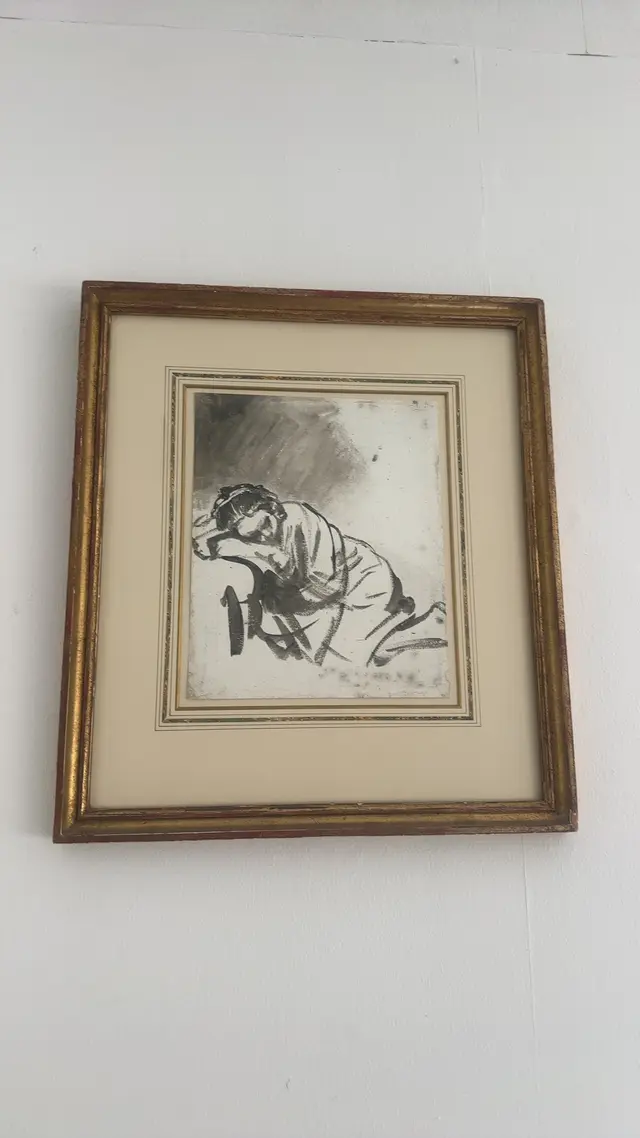
Manner of Rembrandt van Rijn - A Young Woman Sleeping, Pen and Brush in Bistre (Ink Wash Drawing)
Same category
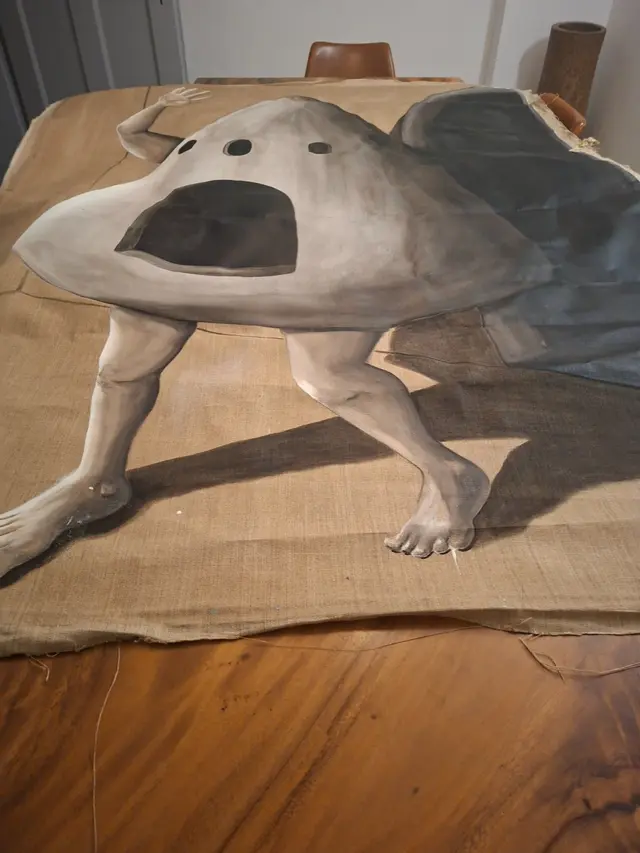
Manner of Hieronymus Bosch, Grotesque Hybrid Figure, Tempera or Acrylic on Burlap, c. 1970–2010
Same category
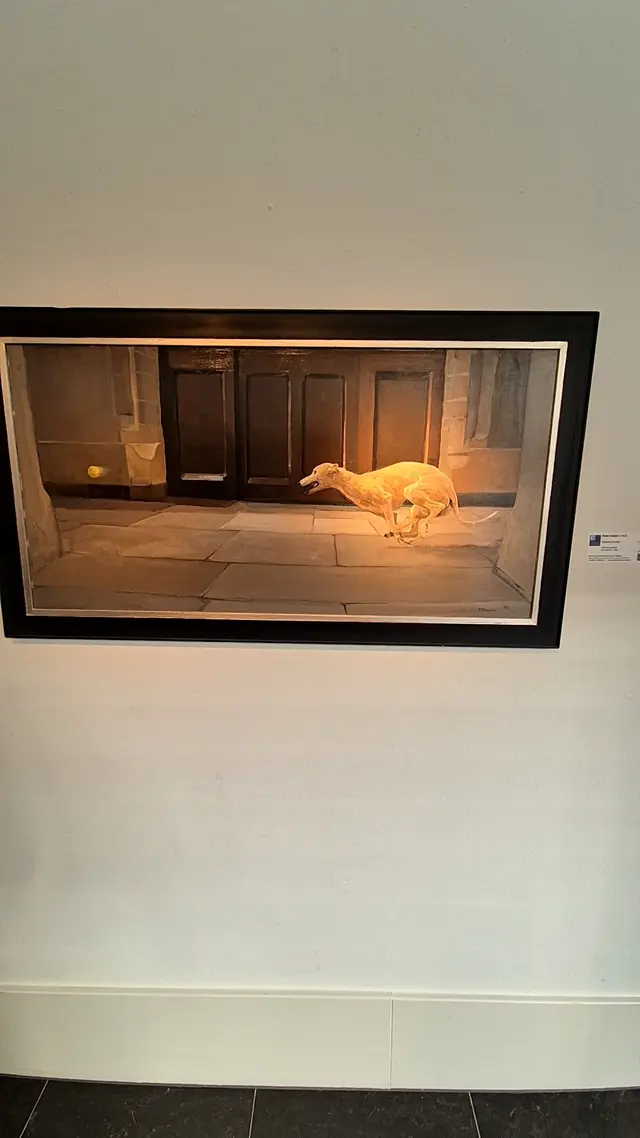
Contemporary Oil Painting of a Running Whippet or Greyhound
Same category
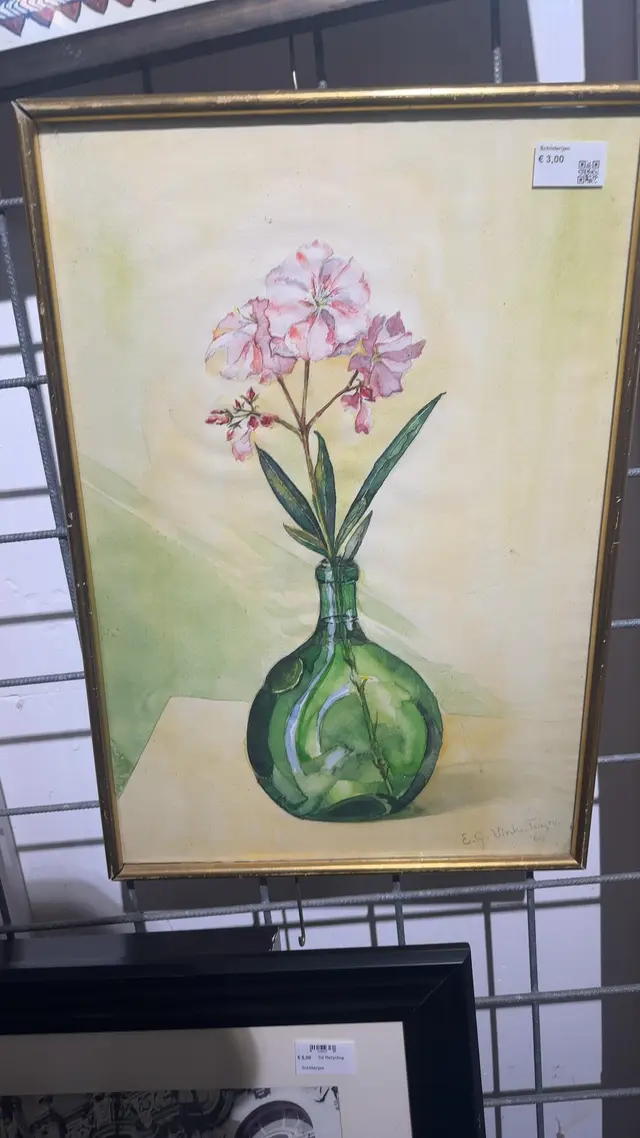
Floral Still Life in Green Bottle, Watercolor
Same category
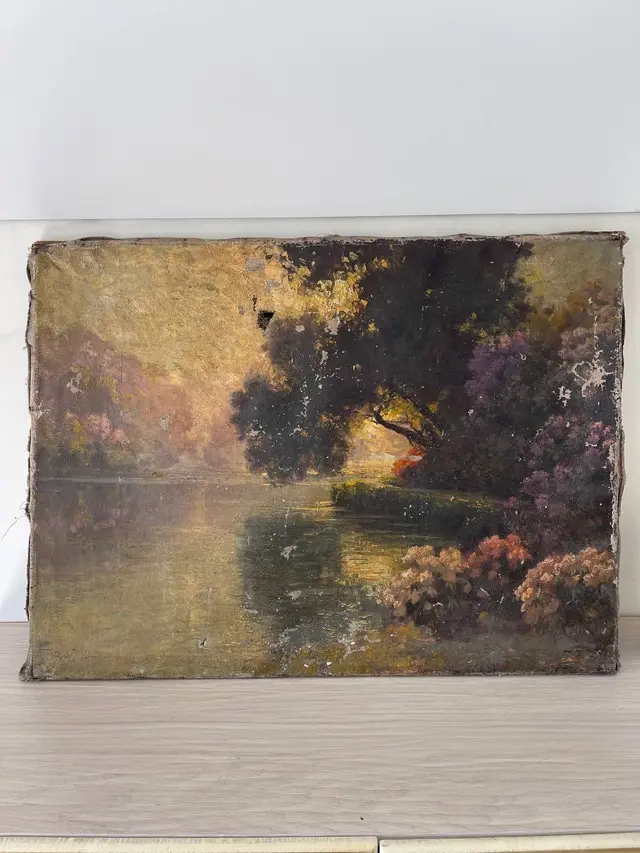
Unstretched Turn-of-the-Century Austrian Landscape Oil Painting
Same category
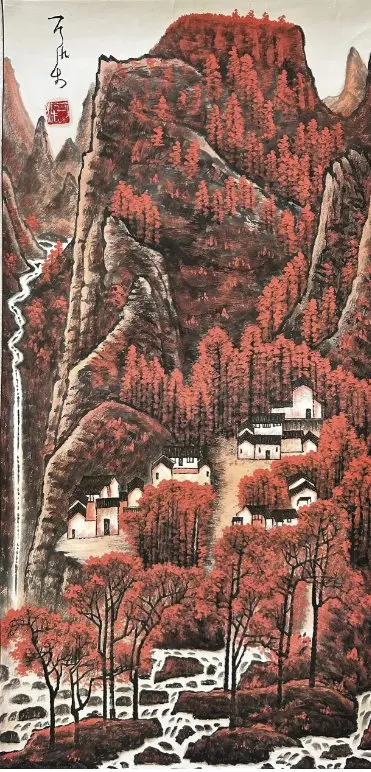
Chinese Shanshui Landscape Painting in the Style of Li Keran
Same category
Explore Paintings
Oil paintings, watercolors, acrylics, and painted works on canvas, panel, and paper.
Paintings value and rarity guideShare this find
A place for your paintings
Keep its photographs, maker’s marks and the story you know in one object record. Start with a photo.
Create an account for 10 free scans. No credit card needed.
Join the conversation
Recognise a detail or have a question? Add what you know and cite your source. Suggested corrections stay in the discussion for the owner or a moderator to review.
Sign in to leave a comment
Sign in