Vintage fashion and couture identification guide

Gowns that swept across ballroom floors. Uniforms that marched through history. Fabrics that absorbed the perfume, sweat, and secrets of their wearers. Fashion is the most intimate of collectibles - clothes shaped by the bodies they adorned, carrying the ghost of movement, posture, and presence long after their owners turned to dust.

Browse Curiosities
Rarity:

Page 3 of 6 (64 objects)

Have a fashion to identify?

Scan yours with identification

Vintage couture and designer resale

What this category includes

Fashion encompasses vintage and antique clothing, haute couture garments, designer ready-to-wear, textiles, embroidery, lace, and fashion accessories including hats, gloves, scarves, and shoes. The category spans from 18th-century court dress and Victorian mourning wear through to 1960s space-age fashion, 1970s disco, 1980s power dressing, and contemporary designer archive pieces. Both high fashion by named houses and vernacular everyday clothing of historical interest are included.

Read more

What makes fashion valuable

Designer label and period are primary value drivers, a documented Balenciaga from the 1950s, a Halston from Studio 54's heyday, or an early Alexander McQueen runway piece can command five figures or more. Condition is uniquely challenging for textiles: fabric deterioration, staining, and alterations all reduce value, while original construction with intact labels, linings, and closures increases it. Runway provenance, a garment from a specific documented collection or show, adds significant premium over diffusion or retail pieces. Cultural moment matters: a dress worn by a notable figure or featured in a landmark editorial multiplies value. For antique textiles, thread count, dye quality, weave complexity, and survival rarity determine worth.

Popular subcategories

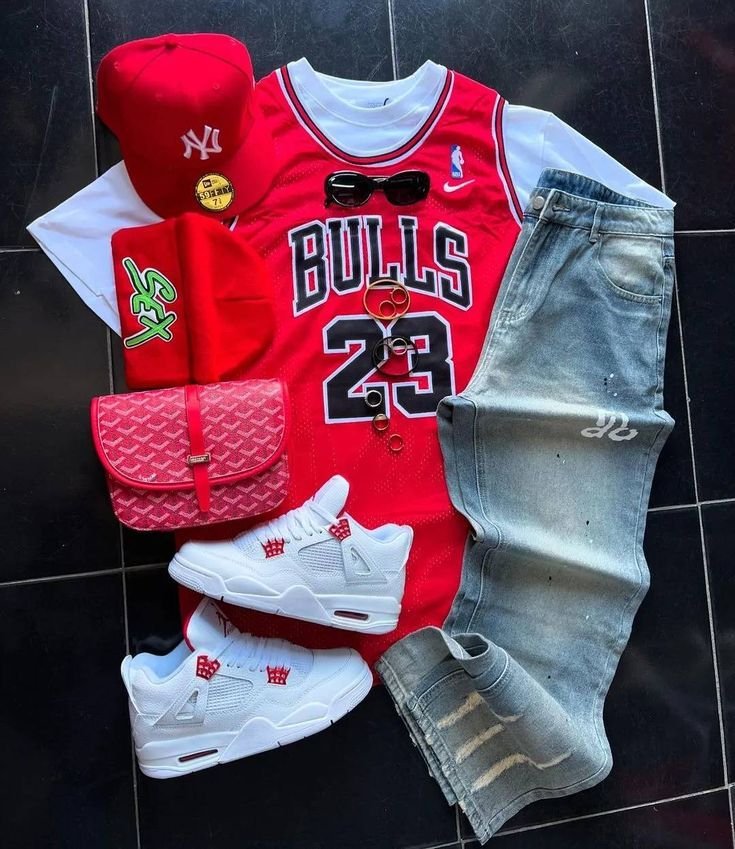
The most collected areas include haute couture by Chanel, Dior, Givenchy, and Saint Laurent, designer bags and accessories, vintage denim (especially pre-1970s Levi's), mid-century fashion (1950s-60s), punk and subcultural fashion, vintage band and concert t-shirts, and antique textiles including samplers, quilts, and embroidery. Sneaker collecting has exploded into a major market with rare Air Jordans and collaborations commanding thousands. Vintage jewelry worn as fashion accessories bridges both categories. Military and workwear-inspired vintage (flight jackets, naval peacoats) has strong crossover appeal.

Frequently asked questions about fashion

How do I authenticate a vintage Chanel piece?

Authentic vintage Chanel garments have specific markers by era. Pre-1971 pieces have woven labels reading 'CHANEL' in block letters. Chain-weighted hems (a signature feature since the 1950s) should use fine-link chains hand-stitched into the lining. Interior seams are finished with silk bias tape. Buttons should feature the interlocking CC logo (post-1925) or Chanel's name, and replacement buttons significantly reduce value. The serial number system for handbags began in the mid-1980s with hologram stickers. For pieces pre-dating serial numbers, construction quality, lining fabric, and hardware type are the primary authentication points. Vintage Chanel suits from the 1960s in good condition sell for 3,000 to 15,000 dollars at auction.

What makes vintage denim valuable?

Pre-1971 Levi's 501s with the capital 'E' on the red tab are the most sought-after denim. Earlier pairs with selvedge denim, hidden rivets (removed in 1966), and single-stitched back pockets command higher prices. A pair of unworn 1950s Levi's 501XX in deadstock condition sold at auction in 2023 for over 100,000 dollars. The market values natural fade patterns, intact leather patches, original buttons, and absence of repairs. Japanese collectors drive significant demand for American vintage denim. Lee and Wrangler vintage pieces are also collected but typically sell for 30 to 50 percent less than equivalent Levi's. Vintage denim jackets follow similar valuation principles.

Are vintage band t-shirts really worth hundreds or thousands of dollars?

Yes, original tour merchandise from the 1970s and 80s commands serious prices. A genuine 1975 Led Zeppelin tour shirt in wearable condition sells for 3,000 to 8,000 dollars. The most valuable are single-stitch construction (pre-1990s), printed on American-made blanks (Hanes Beefy-T, Screen Stars), with specific tour dates on the back. The record holder is a 1979 Black Flag 'Nervous Breakdown' shirt that sold for over 50,000 dollars due to extreme rarity. Authentication involves checking tag styles against known manufacturer timelines, examining print technique (plastisol versus water-based ink), and verifying that designs match documented tour merchandise catalogs. Fakes are extremely common.

What vintage designer pieces are best for investment?

Hermès Birkin and Kelly bags have the strongest track record, with certain configurations appreciating 10 to 14 percent annually over 20 years. Vintage Yves Saint Laurent (pre-2002 name change) evening wear and Le Smoking tuxedos have appreciated as the house's archives gain institutional recognition. Early Alexander McQueen runway pieces, especially from the 'Highland Rape' (1995) and 'Plato's Atlantis' (2010) collections, have seen values triple since his death in 2010. Vintage Alaïa from the 1980s has nearly doubled in value since Azzedine Alaïa's death in 2017. As with all fashion investment, condition and provenance from documented collections are essential.

How do vintage sneakers compare to other fashion collectibles?

The sneaker resale market, valued at approximately 10 billion dollars globally as of 2025, operates differently from traditional vintage fashion. Nike Air Jordan 1s from 1985 in wearable condition sell for 10,000 to 40,000 dollars. The 2021 market peak saw pairs reaching over 100,000 dollars. By 2026, the market has matured with StockX and GOAT providing price transparency. Key differences from traditional fashion collecting: sneakers are graded primarily on 'deadstock' (unworn) versus 'used' condition, original packaging matters enormously, and value is heavily influenced by celebrity association and limited release quantities. Vintage Nike Dunks and Adidas collaboration pieces represent more affordable entry points.

What should I know about collecting vintage textiles?

Textile conservation is the biggest challenge in this category. Silk degrades fastest, with shattering (fabric literally falling apart along fold lines) common in pieces over 100 years old. Wool survives better but is vulnerable to moth damage. Cotton and linen are the most durable natural fibers. Storage must be flat (never folded) in acid-free tissue in a dark, climate-controlled environment. For valuation, hand-woven and hand-embroidered textiles command premiums over machine-made equivalents. Provenance to specific regions, workshops, or documented owners adds value. Antique samplers in original frames with dates and maker names sell for 200 to 5,000 dollars. Museum-quality tapestries can reach six figures.