
Chinese Blue and White 'Boys at Play' Porcelain Bowl
Estimated value
$150 - $450Rarity
Average(4/10)Category
Ceramics & PotteryEra
Late 19th to early 20th centuryOrigin
ChinaVisual assessment
Photo analysis
Save to revisit in your watchlist. This does not add the object to your own collection.
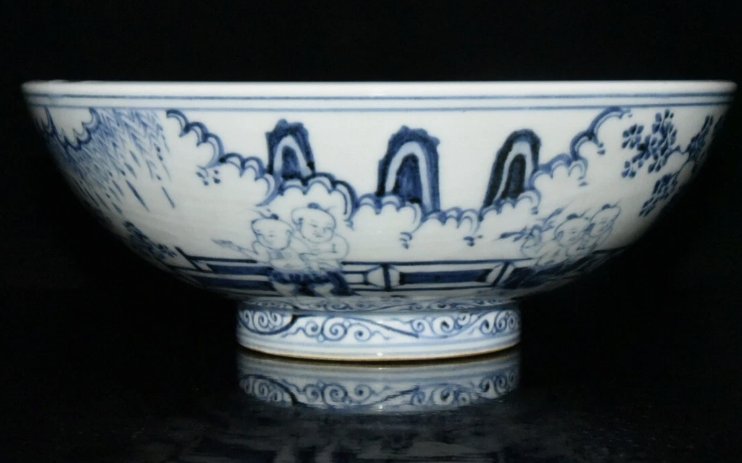
Chinese Blue and White 'Boys at Play'
A blue and white porcelain bowl featuring the 'Hundred Boys' (baizi) motif, executed in underglaze cobalt blue. The exterior depicts children in a garden setting with stylized rocks and scrolling clouds. The base bears a six-character apocryphal mark 'Da Ming Xuan De Nian Zhi' enclosed in a double circle, referencing the Xuande reign of the Ming Dynasty.
Related traditions
Ming Dynasty
1426–1435
The original era of the Xuande mark, known for technical mastery in underglaze blue and the use of heavy imported cobalt.
Use and ceremony
Ming Dynasty
Symbol of imperial power and technical achievement.
Late Qing/Republic
Venerated antique style produced for an emerging collector market.
Origins and context
The 'Boys at Play' theme signifies a wish for many male offspring and was popularized during the Ming Dynasty, specifically under the Jiajing and Wanli emperors. While the mark references the Xuande period (1426–1435), the style of the cobalt painting and the presence of 'heaping and piling' effects are indicative of Qing Dynasty revivals or early 20th-century productions that frequently used earlier reign marks as a sign of respect or to satisfy market demand for classic styles.
Further details
The 'Boys at Play' motif is a visual pun representing the wish for generations of descendants to achieve high rank in the imperial examinations.
The Xuande reign is considered the pinnacle of Chinese blue and white porcelain, leading later potters for over 500 years to replicate its specific 'orange peel' glaze texture.
Attribution and evidence
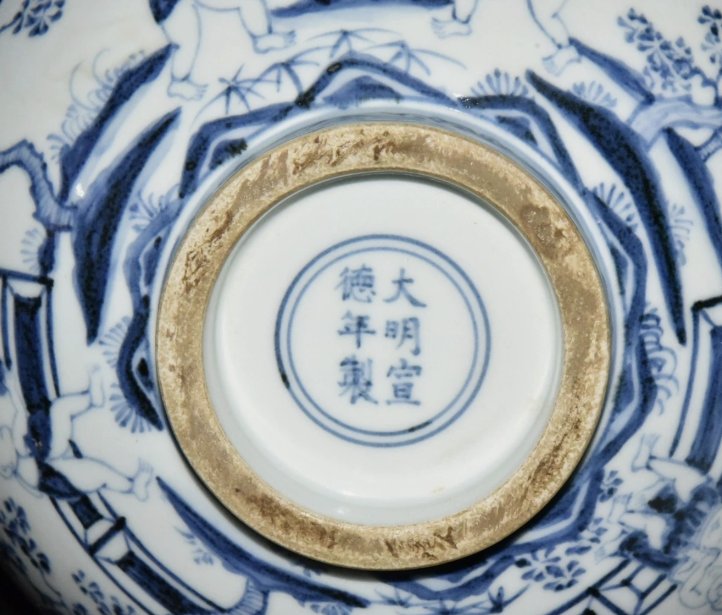
The identification of the motif and the apocryphal nature of the mark is clear, but exact dating between late 19th and mid-20th century is difficult without physical handling of the paste.
Identifying details
- 1Six-character kaishu reign mark 'Da Ming Xuan De Nian Zhi' on base.
- 2Browning and grit on the unglazed footrim characteristic of Jingdezhen production.
- 3Traditional 'Baizi' (Hundred Boys) iconography.
- 4Glaze exhibits a slight 'mutton fat' opacity rather than the high translucency of period Xuande porcelain.
Open questions
- •The calligraphic style of the mark is too stiff for the Xuande period.
- •The 'heaping and piling' of the blue pigment looks intentionally applied rather than a natural result of high-iron cobalt.
- •Lack of 'orange peel' texture typical of genuine 15th-century imperial glazes.
Photographs that would help
- High-resolution close-up of the rim to check for 'fritting' or small chips.
- Transmitted light test to observe the color and opacity of the porcelain paste.
- Wash test with warm water to see if the footrim browning is surface dirt or fired-in oxidation.
Terms in this record
- Apocryphal Mark
- A reign mark on a piece of pottery that refers to an earlier period than the one in which it was actually made.
- Heaping and Piling
- An effect in early blue and white porcelain where cobalt concentrates in certain areas, turning black or dark blue and sometimes breaking through the glaze.
- Footrim
- The unglazed circular base of a ceramic vessel that rests on the table.
Wear and preservation
The footrim reveals consistent wear and oxidized paste. There is no visible restoration under standard lighting, though the cobalt is somewhat 'flat' compared to imperial examples.
The footrim shows significant grit and browning from kiln firing. There is visible surface wear consistent with age, but no immediate signs of hairline fractures or rim chips in the provided views.
Glaze and painted decoration
The glaze shows a slightly blue-white tint with visible iron-spotting in the cobalt, intending to mimic the 'heaping and piling' effect of early 15th-century cobalt.
Recorded physical details
Substantial for its size, suggesting a dense kaolin-rich porcelain paste common in late Qing provincial or export wares.
Scarcity and surviving examples
Average · 4/10 estimated rarity
This is a qualitative collection score, not a measured survival count, market percentile or proof of authenticity.
What the photographs establish
Interpretation of the photographs and supplied context. This does not authenticate the object.
- Presence of an apocryphal Xuande mark on a later stylistic body
- Cobalt blue application lacks the three-dimensional depth of genuine 15th-century 'Su-Ni-Po' blue
- Footrim browning appears artificially enhanced rather than naturally aged
Value and its basis
Estimate recorded: May 11, 2026
How we estimate value
Estimate context (not a documented sale): Similar late Qing/Republic period 'Boys' bowls have consistently sold for $200–$500 at regional auction houses such as Christie's South Kensington or local European estate sales.
Collectors and interest
Collectors of later Chinese export porcelain and entry-level Asian art enthusiasts.
What supports the estimate
- •Clarity of the boy motif
- •Presence of the double-circle reign mark
- •Overall size and lack of major structural damage
What could change it
- •Identification as a modern reproduction rather than an antique
- •Detection of hidden hairlines or professional repairs
Comparing quality
- •Vibrant, multi-tonal cobalt blue
- •Authentic period-specific glaze contraction (orange peel)
- •Refined calligraphy in the mark
The effect of condition
Condition of the rim, vibrancy of the blue pigment, and age of the porcelain body.
Market interest
For informational purposes only, not a formal appraisal.
Related objects
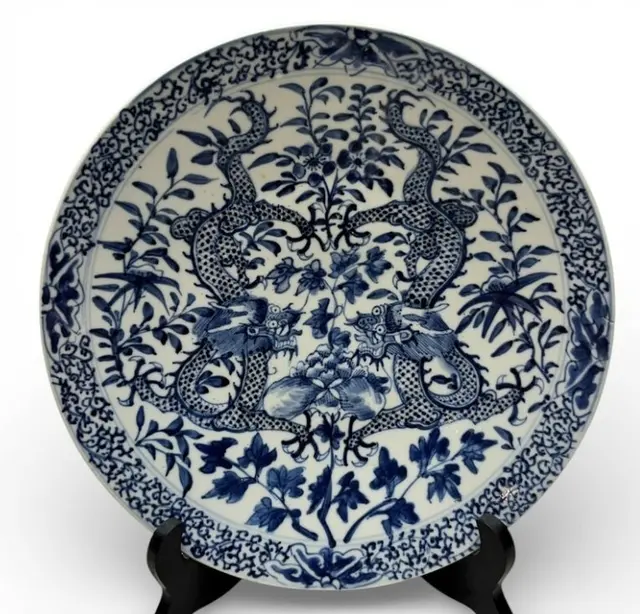
Chinese Blue and White Porcelain 'Dragon and Phoenix' Charger
Shared title details
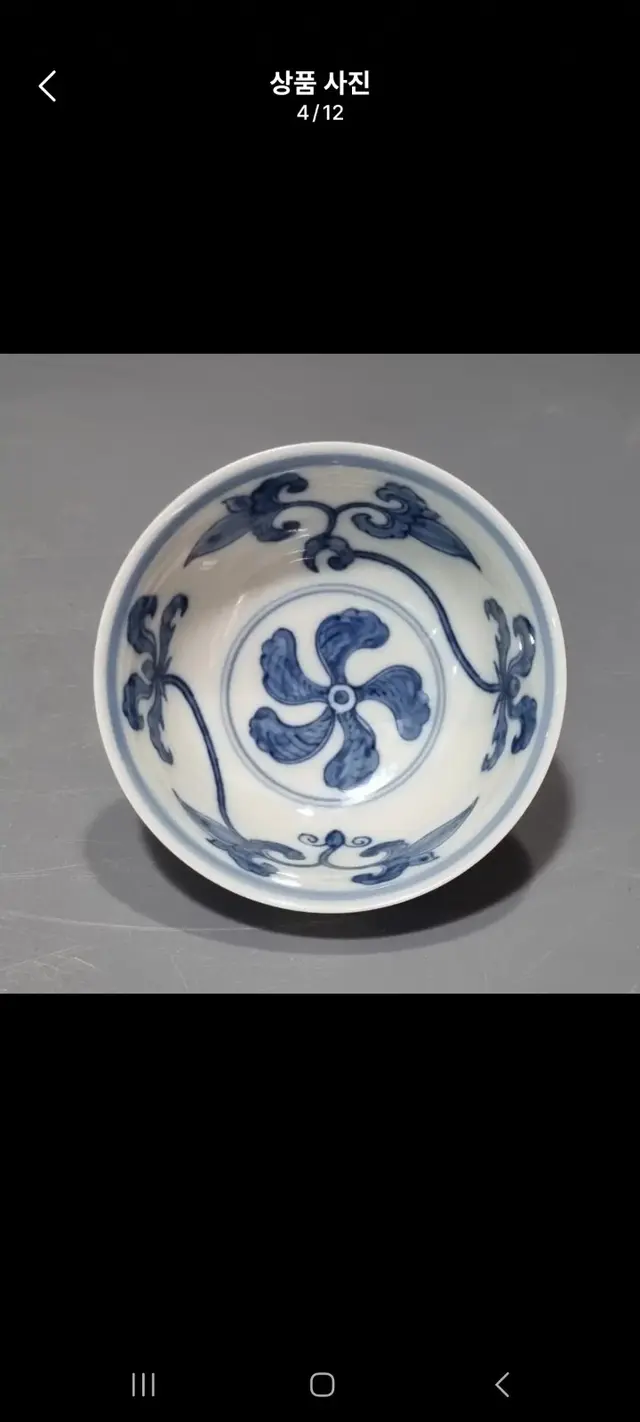
Blue and White Porcelain Small Bowl with Apocryphal Chenghua Mark
Shared title details
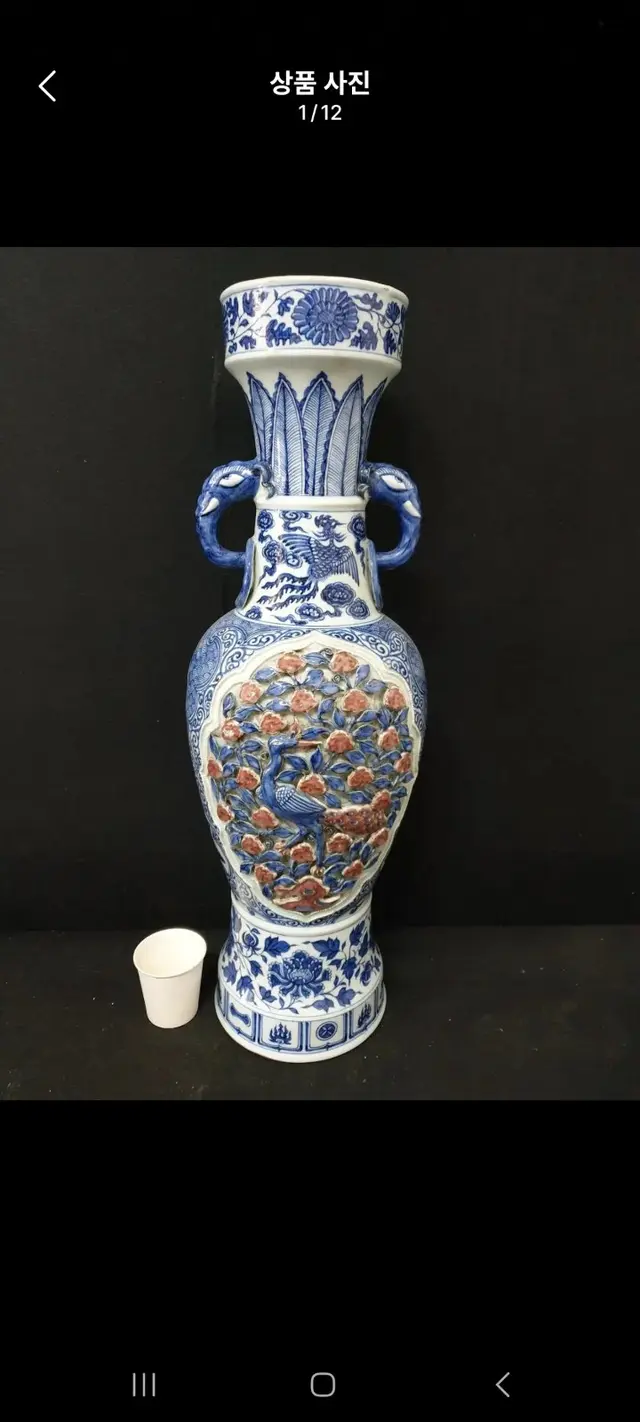
Chinese Blue and White Porcelain 'Peacock' Vase with Reticulated Openwork
Shared title details
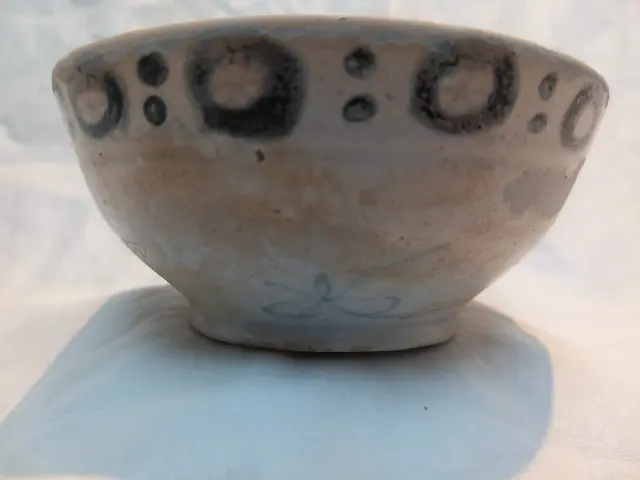
Chinese Blue and White 'Ring and Dot' Swatow Bowl, late Ming Dynasty (ca. 1570-1644)
Shared title details
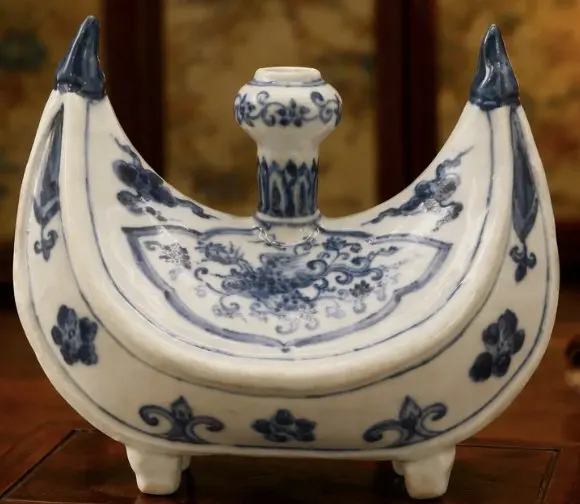
Blue and White Porcelain Crescent-Shaped Vessel
Shared title details
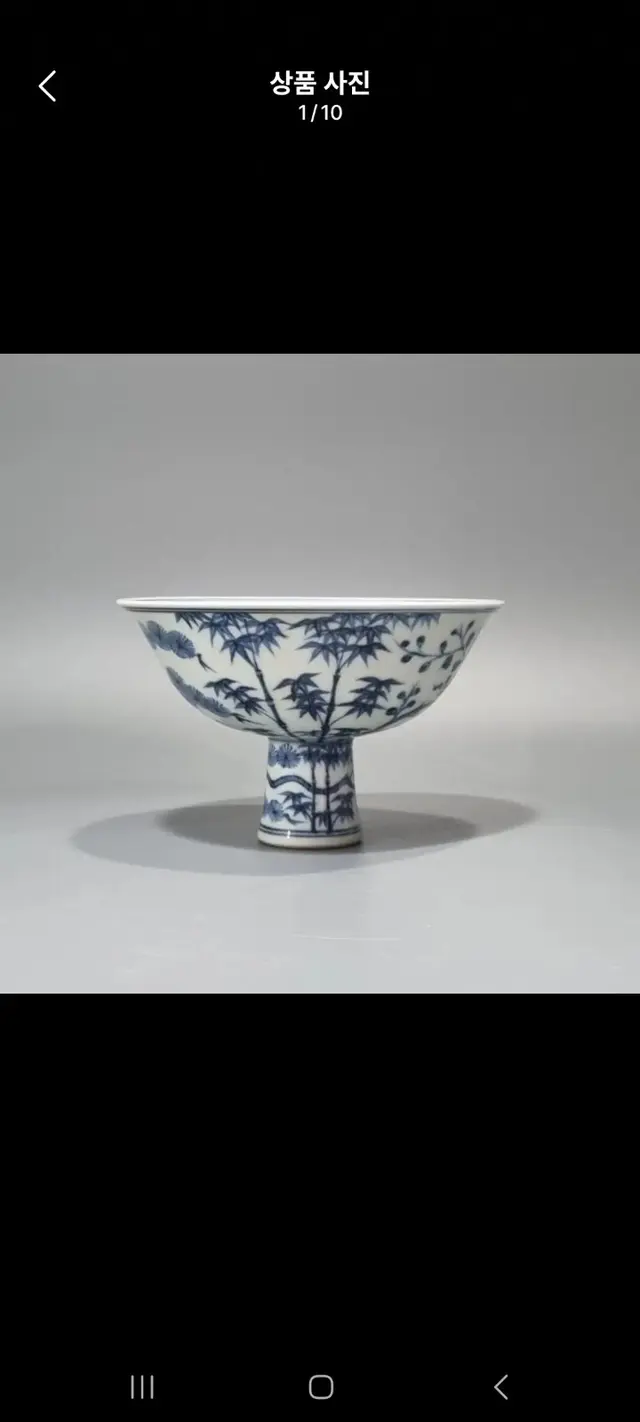
Chinese Blue and White 'Three Friends of Winter' Stem Cup, Ming Style
Shared title details
Explore Ceramics & Pottery
Pottery, porcelain, stoneware, earthenware, and kiln-fired objects.
Ceramics & Pottery value and rarity guideShare this find
A place for your ceramics
Keep its photographs, maker’s marks and the story you know in one object record. Start with a photo.
Create an account for 10 free scans. No credit card needed.
Join the conversation