Sports memorabilia and collectibles value guide

Medals earned in battles long forgotten. Trading cards that sparked childhood obsessions. Jerseys worn in moments of glory and defeat. These fragments of fame and history seem trivial until you consider what they represent: the human need to commemorate, to celebrate, and to hold onto moments that slip away like sand.

Browse Curiosities

Rarity:

Highest rated Memorabilia

Page 12 of 27 (313 objects)

Have a memorabilia to identify?

Scan yours with identification

The value of cultural memory

What this category includes

Memorabilia covers objects connected to notable events, people, and cultural moments, sports jerseys, game-used equipment, autographed items, Olympic medals, concert memorabilia, film props, political campaign items, and ephemera from significant historical events. This includes both professionally authenticated pieces and personal collections with family provenance. The category bridges sports, entertainment, military, and cultural history.

Read more

What makes memorabilia valuable

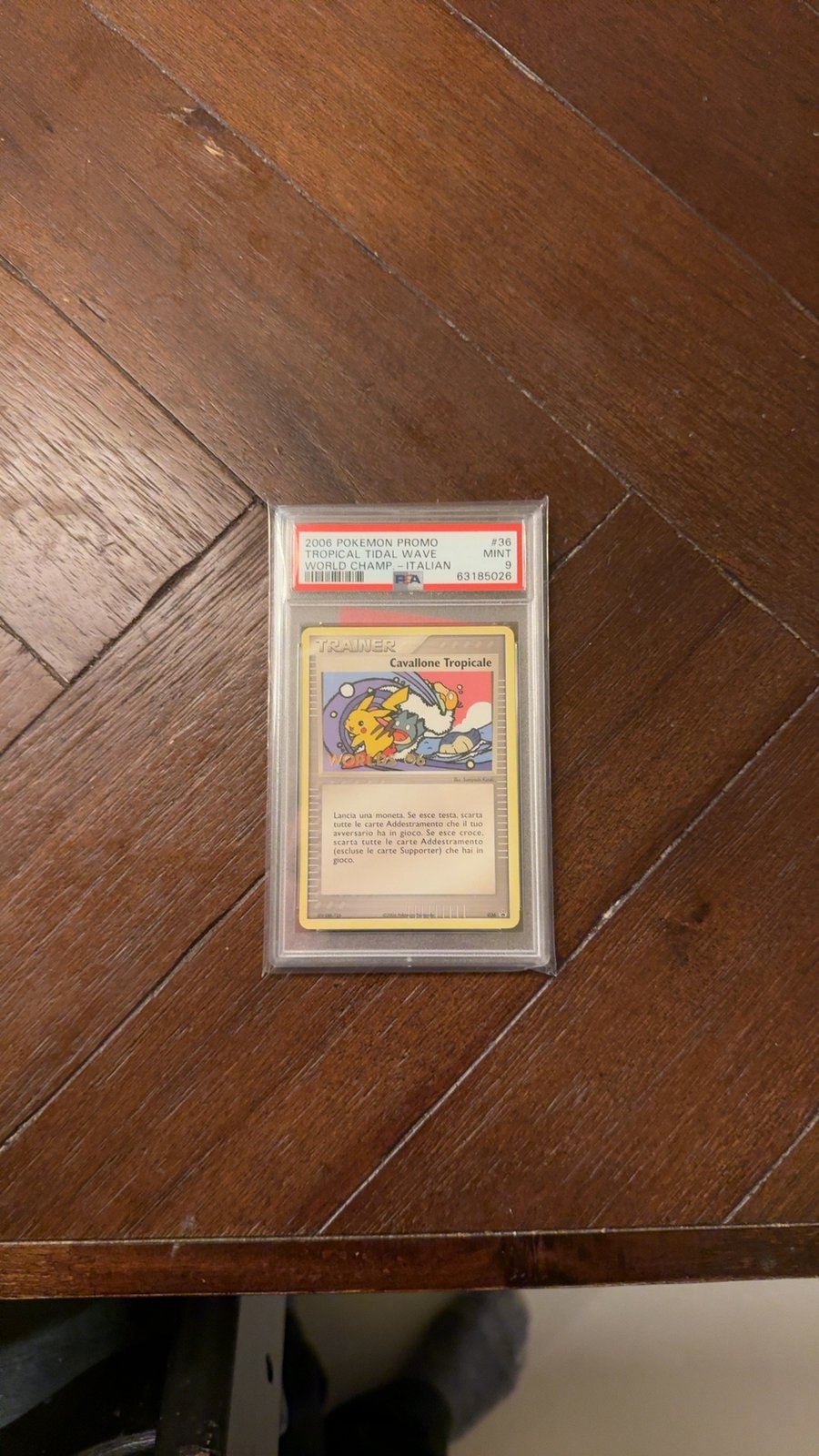
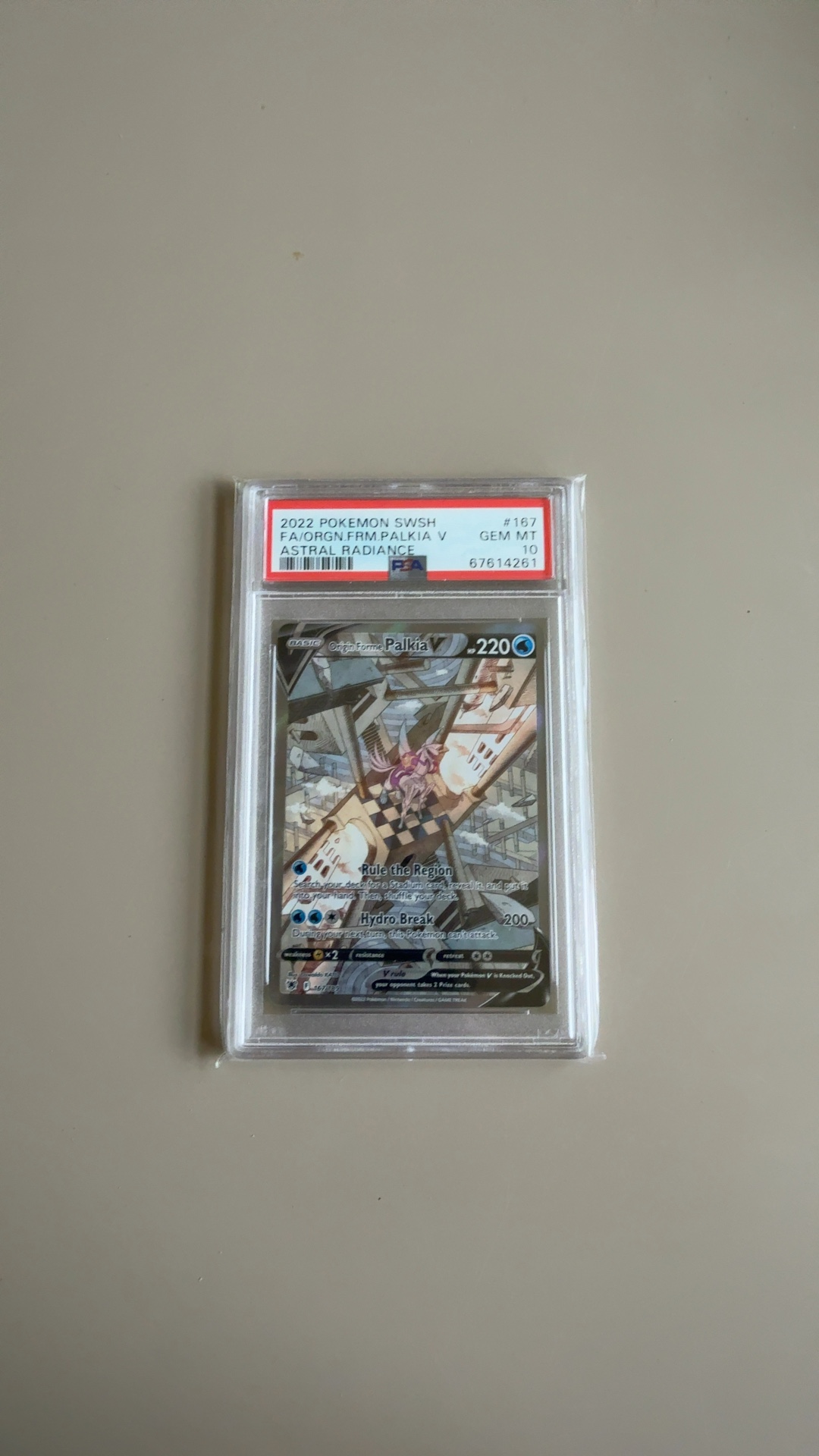
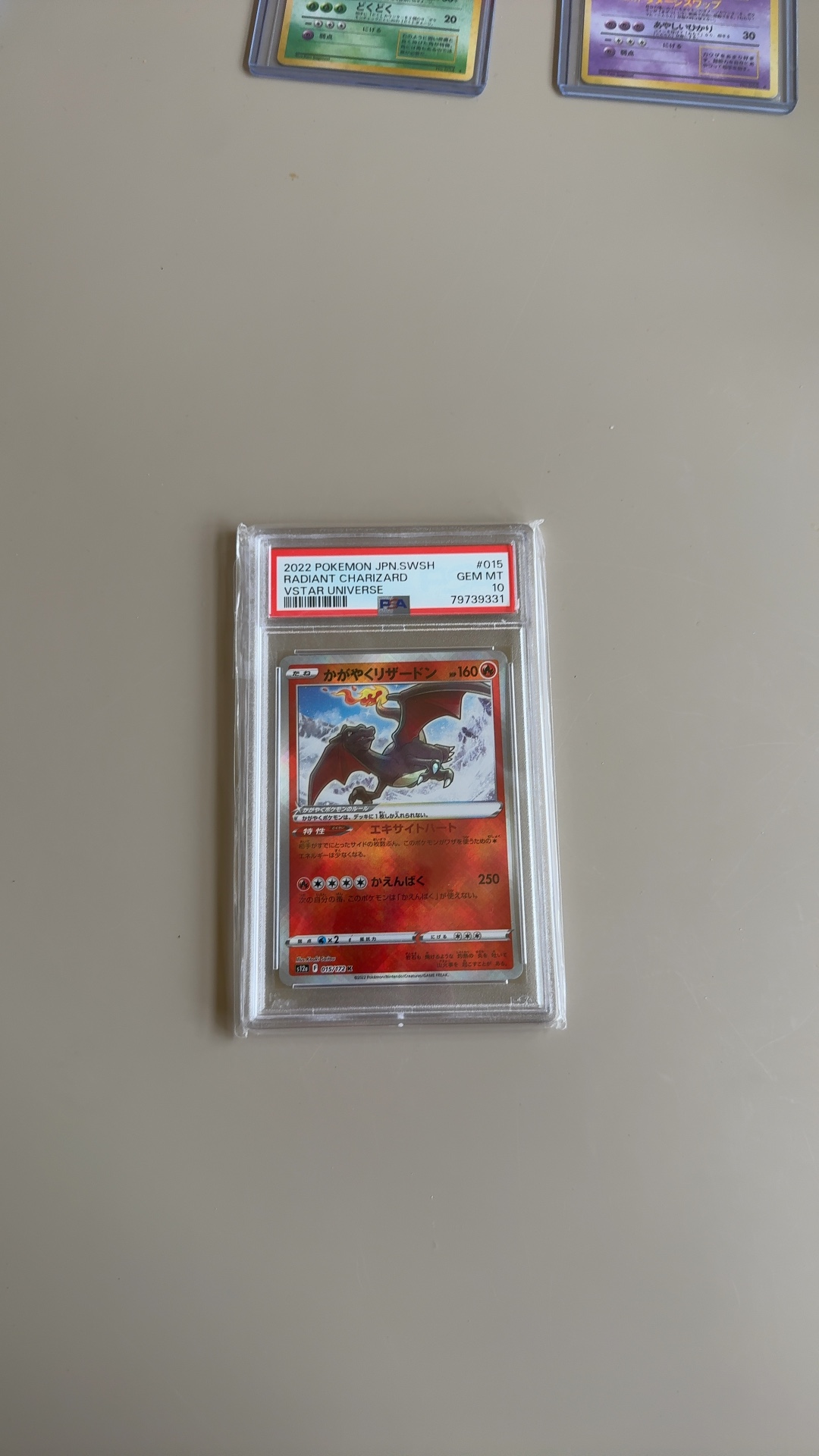
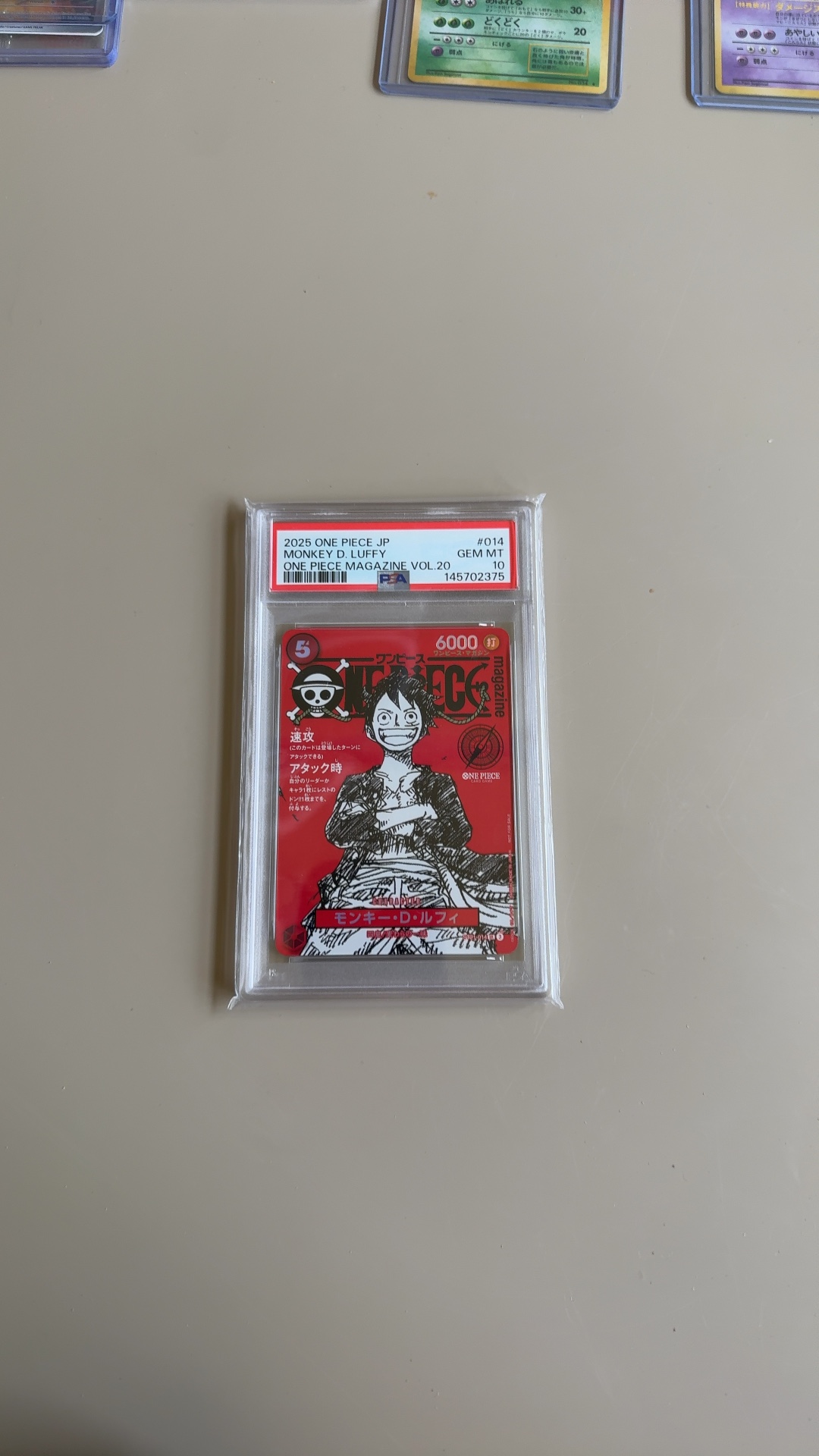
Authentication is everything in memorabilia, the difference between a genuine game-worn Michael Jordan jersey and a replica is six figures. Third-party authentication services (PSA, JSA, Beckett for autographs; MeiGray, Resolution Photomatching for game-used items) are essential for establishing value. Moment significance drives prices: a ball from a record-breaking home run, a jersey from a championship game, or a ticket stub from a historic concert. Condition grading follows specific standards per subcategory. Rarity naturally drives value, one-of-one items like trophies, unique prototypes, or personal effects of notable figures command the highest prices. Provenance chain from the athlete, performer, or event to the current owner must be documented.

Popular subcategories

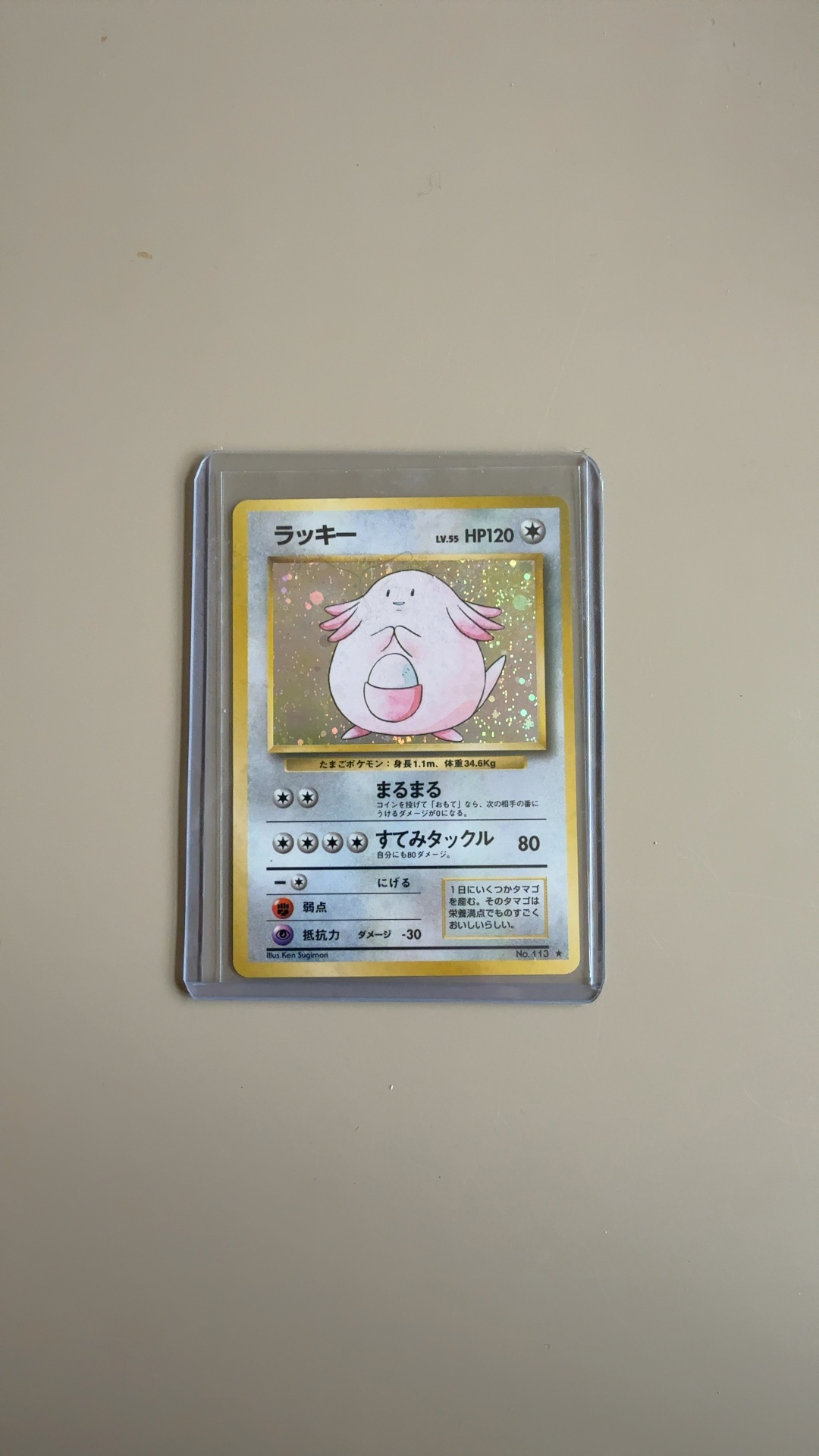
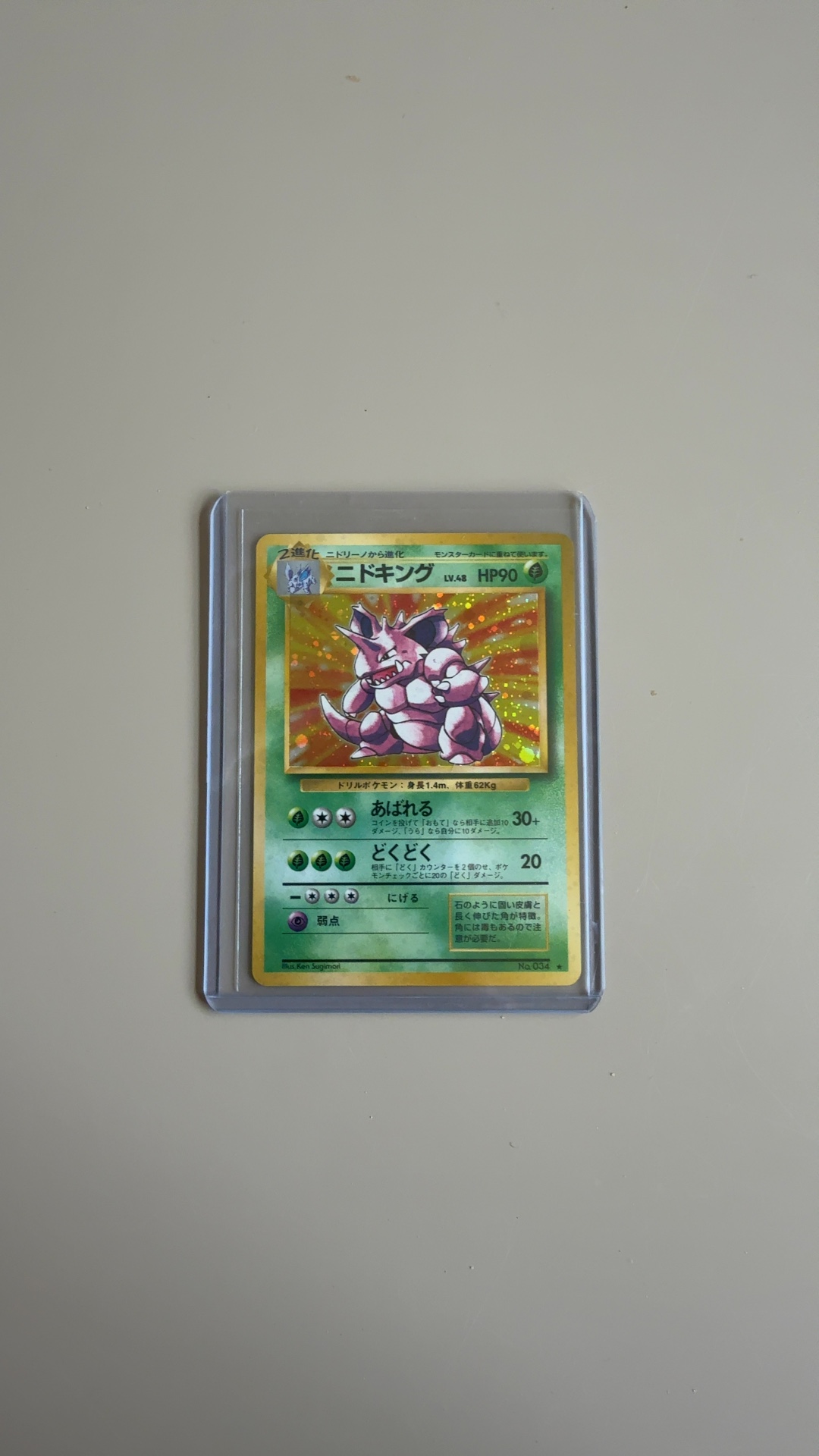
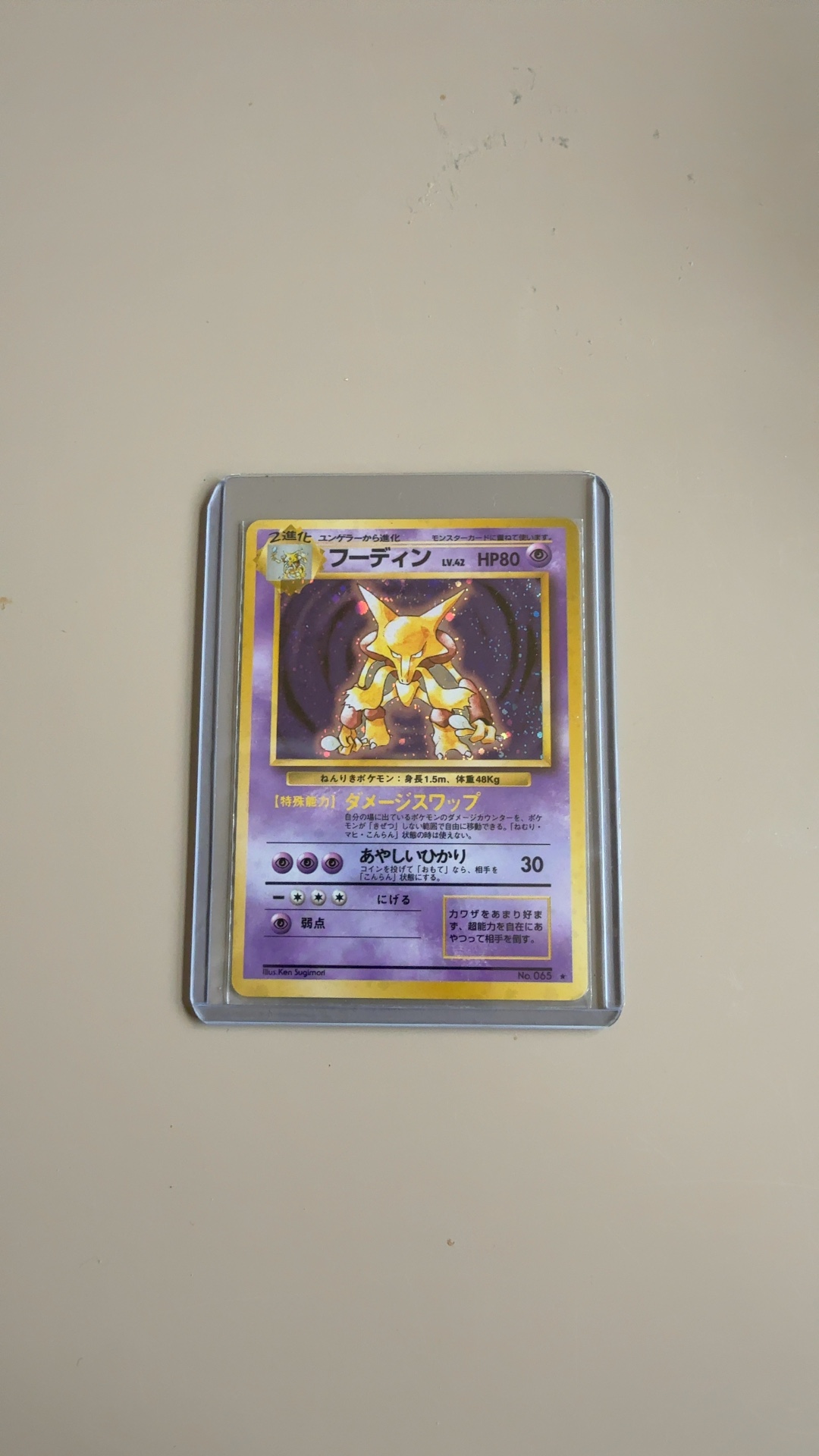
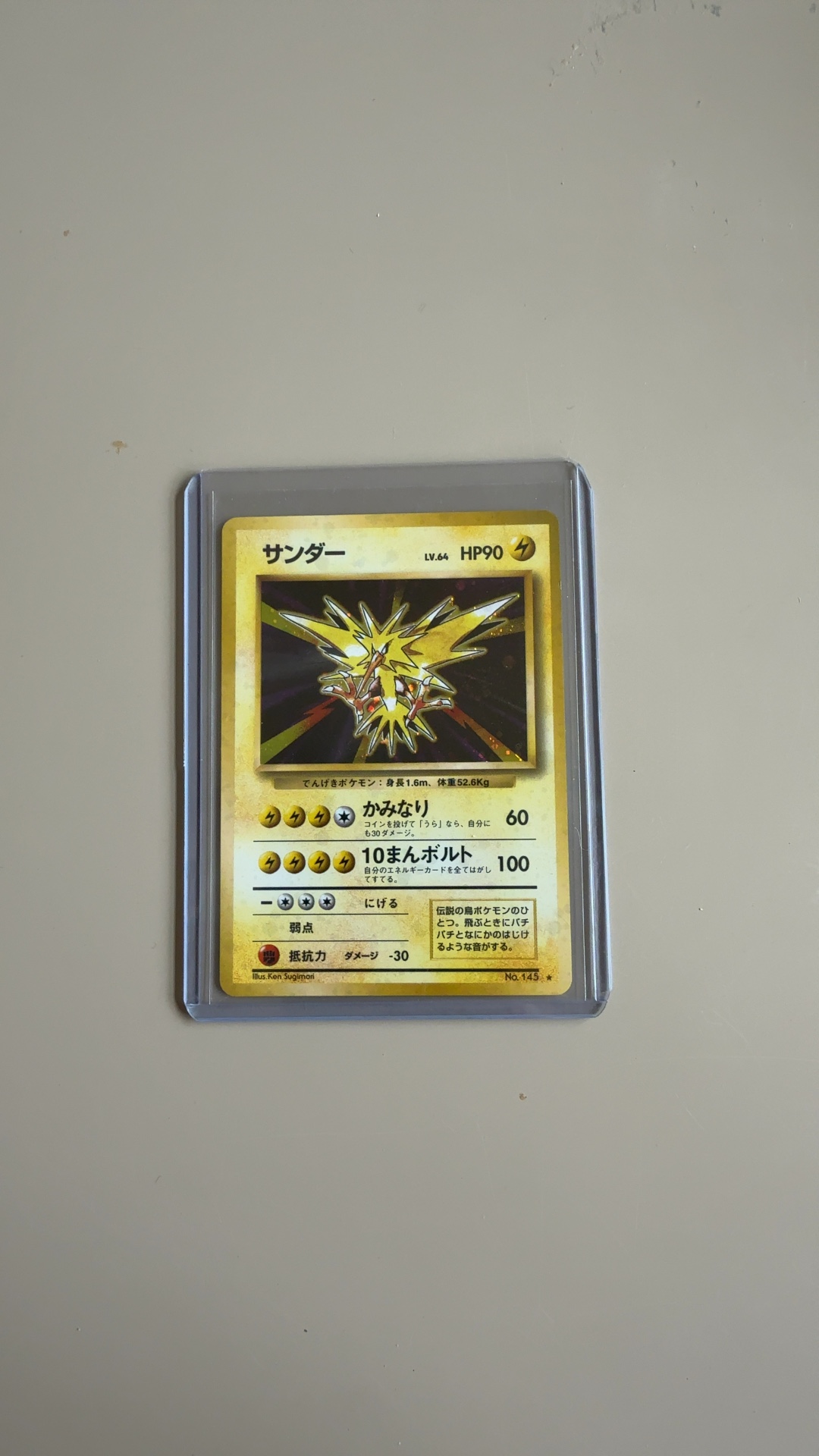
The most actively traded areas include game-worn sports jerseys and equipment, trading cards (covered in their own dedicated category), autographed items with PSA/JSA authentication, Olympic and sports medals, vintage concert posters and music memorabilia, film and television props, and military medals and decorations. Political memorabilia, campaign buttons, posters, and signed documents, has a dedicated collecting community. Space memorabilia (NASA artifacts, astronaut-signed items) consistently commands strong prices. Celebrity personal effects and wardrobe pieces bridge entertainment and fashion collecting.

Frequently asked questions about memorabilia

How do authentication services like PSA and JSA actually verify autographs?

PSA (Professional Sports Authenticator) and JSA (James Spence Authentication) employ teams of forensic handwriting experts who compare submitted autographs against exemplar databases containing thousands of verified signatures for each athlete or celebrity. They analyze letter formation, pen pressure, stroke sequence, and ink characteristics. The process takes 2 to 6 weeks for standard submissions. Both services assign an unique certification number and encapsulate items in tamper-evident holders. Acceptance rates vary: PSA reports rejecting approximately 15 to 20 percent of autograph submissions as not genuine. A PSA or JSA authenticated item typically sells for 2 to 5 times more than an unauthenticated equivalent.

What sports memorabilia categories offer the best value right now?

As of early 2026, game-used equipment from the 1990s and 2000s represents strong value. Michael Jordan game-worn jerseys from non-championship seasons sell for 20,000 to 80,000 dollars, a fraction of his championship-season equivalents (500,000 dollars and up). Soccer and rugby memorabilia remain undervalued relative to North American sports, with match-worn international jerseys from players available for 2,000 to 15,000 dollars. Olympic memorabilia, particularly participation medals and torches from pre-2000 games, offers a well-documented, global collector base with moderate pricing at 1,000 to 10,000 dollars.

Can I collect NASA space memorabilia legally?

Yes, though the market requires careful navigation. NASA-owned items that were officially disposed of through surplus sales or gifted to astronauts are legal to buy and sell. Items that astronauts personally carried to space and retained are legal. However, items still classified as NASA property that were not officially deaccessioned are illegal to sell, as demonstrated by several DOJ prosecutions. Auction houses like Heritage Auctions and RR Auction specialize in space memorabilia with verified provenance. A flown Apollo 11 Lunar Module Identification Plate sold for over 468,000 dollars in 2020. Astronaut-signed photographs with certificates start at 100 to 500 dollars.

How do photo-matching services verify game-used equipment?

Photo-matching uses high-resolution game photographs to match specific characteristics of equipment (jersey fabric pulls, unique stains, equipment damage) to the item being authenticated. Companies like MeiGray and Resolution Photomatching compare items against broadcast footage and professional photography archives. A jersey that can be conclusively matched to a specific game via photographic evidence commands a 200 to 500 percent premium over a team-issued or game-ready equivalent. The process documents specific identifiers: mesh pattern alignment, unique wear marks, and manufacturer tags. Photo-matched items from championship games or record-breaking performances represent the pinnacle of sports memorabilia collecting.

What concert and music memorabilia is most collectible?

Handwritten lyrics by major artists represent the highest tier: John Lennon's handwritten 'A Day in the Life' lyrics sold for 1.2 million dollars in 2010. Stage-played guitars and instruments by musicians range from 50,000 to over 6 million dollars (Kurt Cobain's 'Unplugged' Martin sold for that figure in 2020). Original concert posters are a strong mid-market category. Backstage passes, setlists, and tour itineraries are accessible at 50 to 1,000 dollars. Gold and platinum record awards, once common, have become more collectible as the recording industry shifted to digital. RIAA-certified awards from the 1960s and 70s sell for 500 to 5,000 dollars.

Are political memorabilia and campaign items worth collecting?

Political memorabilia has a passionate collector base, with presidential campaign items from the 19th century commanding the strongest prices. Abraham Lincoln campaign ribbons and ferrotypes sell for 1,000 to 20,000 dollars. Early campaign buttons (pre-celluloid era, before 1896) are rare and valuable at 200 to 5,000 dollars. JFK campaign materials remain perpetually popular. Signed presidential documents range widely: routine presidential signatures sell for 500 to 2,000 dollars, while significant historical documents command six figures. The market is bipartisan and driven by historical significance rather than political affiliation.