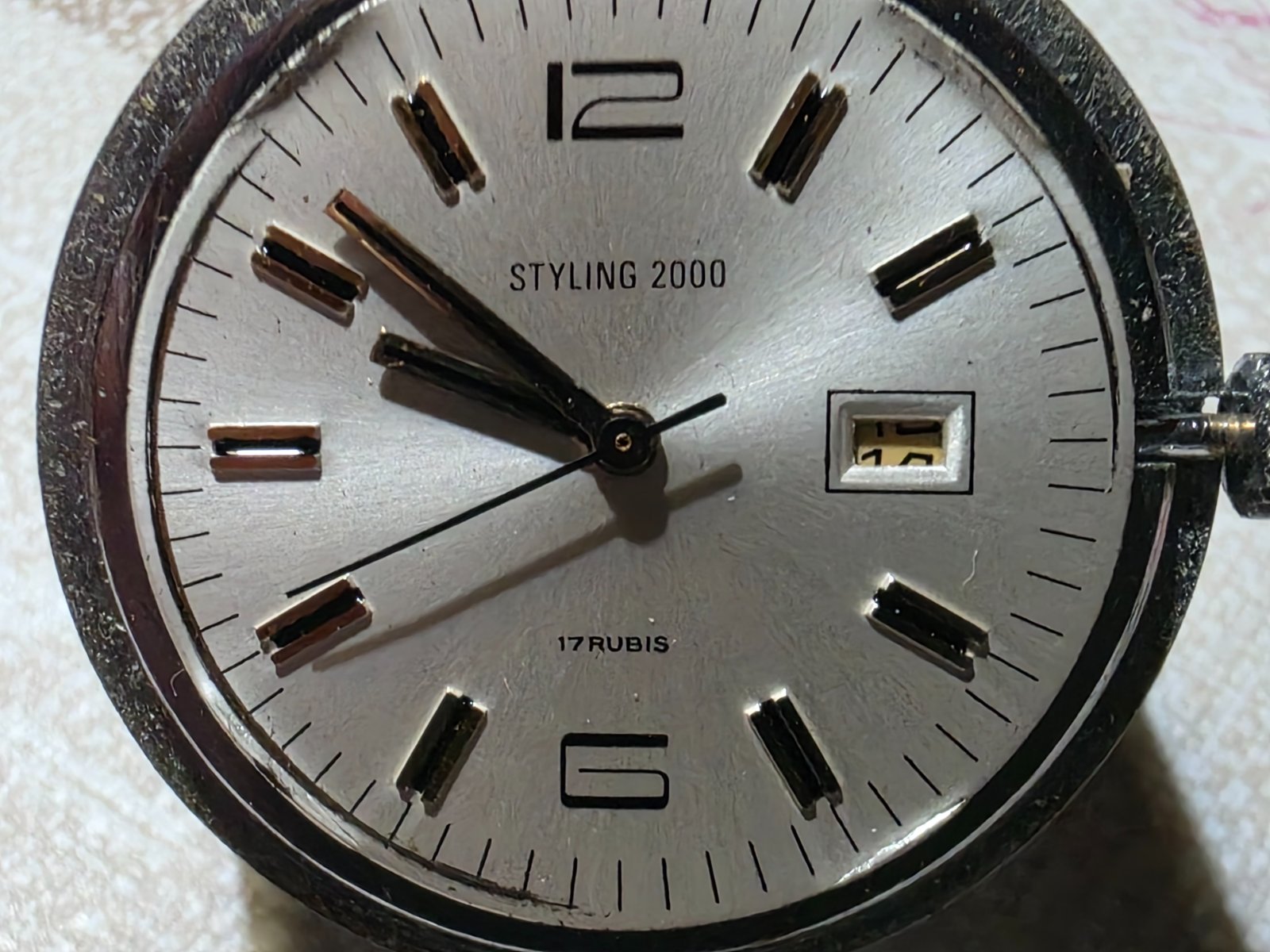
Styling 2000 17 Rubis Mechanical Travel Clock
Estimated value
$40 - $120Rarity
Ordinary(3/10)Category
Mechanical & IndustrialBrand
Styling 2000Era
1960s-1970sOrigin
🌍 InternationalAuthenticity
STYLING 2000 17 RUBIS MECHANICAL TRAVEL CLOCK: IDENTIFICATION
This appears to be a vintage mechanical travel clock, presenting a silver-toned dial with applied baton hour markers and prominent numerals at 12 and 6 o'clock. The dial is marked 'STYLING 2000' and '17 RUBIS', indicating a mechanical movement with 17 jewels. A date aperture is visible at the 3 o'clock position. The clock is housed in a cylindrical, polished metal case, likely chrome-plated brass or steel, with a faceted winding/setting crown.
Compare with other mechanical pieces in the archive: Bang & Olufsen BeoLab 8000 Loudspeaker, Forestville - Tambour Mantel Clock (c.1945-1955) Bim-Bam 8-Day Movement, Martens Doetinchem Promotional Cast Aluminum Clock.
PRODUCTION PERIOD
SCARCITY
Standard antiques commonly found at estate sales and flea markets. Plentiful supply meets modest demand.
Rarity 3/10. Curiosa currently catalogues 6 mechanical items at rarity 3 or higher.
Typical Characteristics
- Moderate production runs
- Common at estate sales
- Entry-level collectibles
Confidence Factors
- Item type is not commonly faked due to low value.
- No complex or high-value marks to be counterfeited.
- Vintage aesthetics consistent with the stated era.
ENGINEERING APPRAISER'S TAKE
Decorative Arts Specialist
Confidence is high based on clear visual identification of the object type, movement indicators ('17 Rubis'), and stylistic cues pointing to a specific era. The lack of distinct maker's marks prevents full attribution.
KEY EVIDENCE
- 1Dial markings 'STYLING 2000' and '17 RUBIS' identify it as a mechanical, jeweled movement clock.
- 2Applied baton markers and numerals at 12 and 6 o'clock are characteristic of mid-century design.
- 3Date aperture at 3 o'clock is a common watch/clock feature.
- 4Cylindrical metal case with wear and tarnishing consistent with a vintage item of this type.
UNCERTAINTIES
- •No visible maker's mark or country of origin on the dial or case to accurately pinpoint its manufacturing location.
- •The operational status of the mechanical movement is unknown from images alone.
WHAT WOULD IMPROVE CERTAINTY
- →Examine the clock's case back for any additional markings, serial numbers, or country of origin.
- →Open the case to inspect the movement for a caliber number or maker's stamp.
- →Test winding and setting functions, and observe timekeeping over 24-48 hours.
- →Use a loupe to inspect the dial and hands more closely for any micro-signatures or pristine condition beneath the dust.
CONDITION & GRADE
Condition
The overall condition appears fair to good for its age. The case shows significant surface wear, suggesting heavy use or prolonged storage without protection. The dial and hands show some visible dust and potential minor oxidation. The functionality of the movement (winding, setting, and date change) cannot be assessed from images, but the presence of dust and grime suggests it may benefit from a service.
INDUSTRIAL ARTIFACT VALUE
Updated: Feb 27, 2026
- Market comparables from auctions & retail
- Condition, completeness & craftsmanship
- Current collector demand & trends
- Low = quick sale, high = patient seller
For informational purposes only, not a formal appraisal.
SIMILAR CURIOSITIES
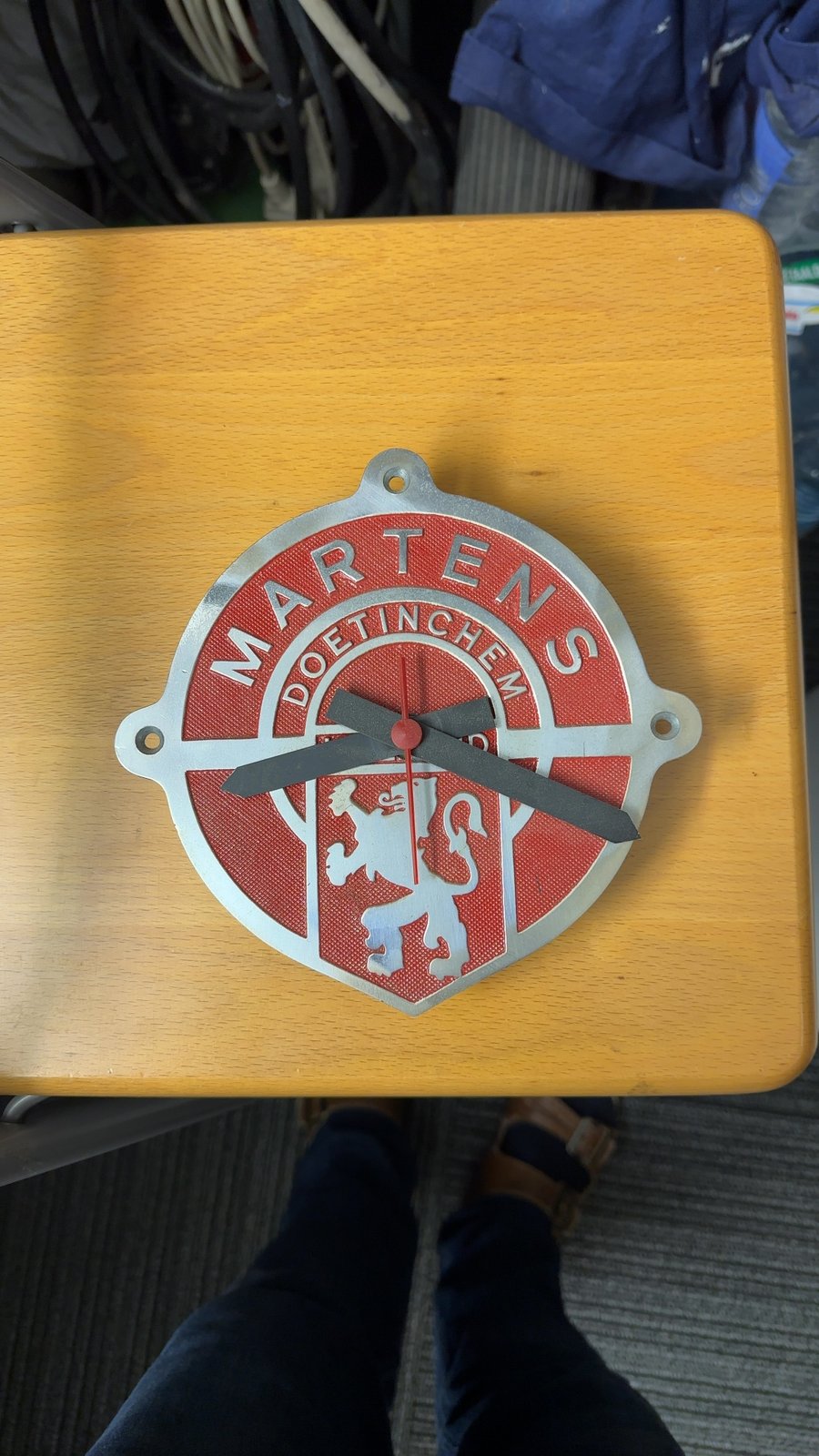
Martens Doetinchem Promotional Cast Aluminum Clock
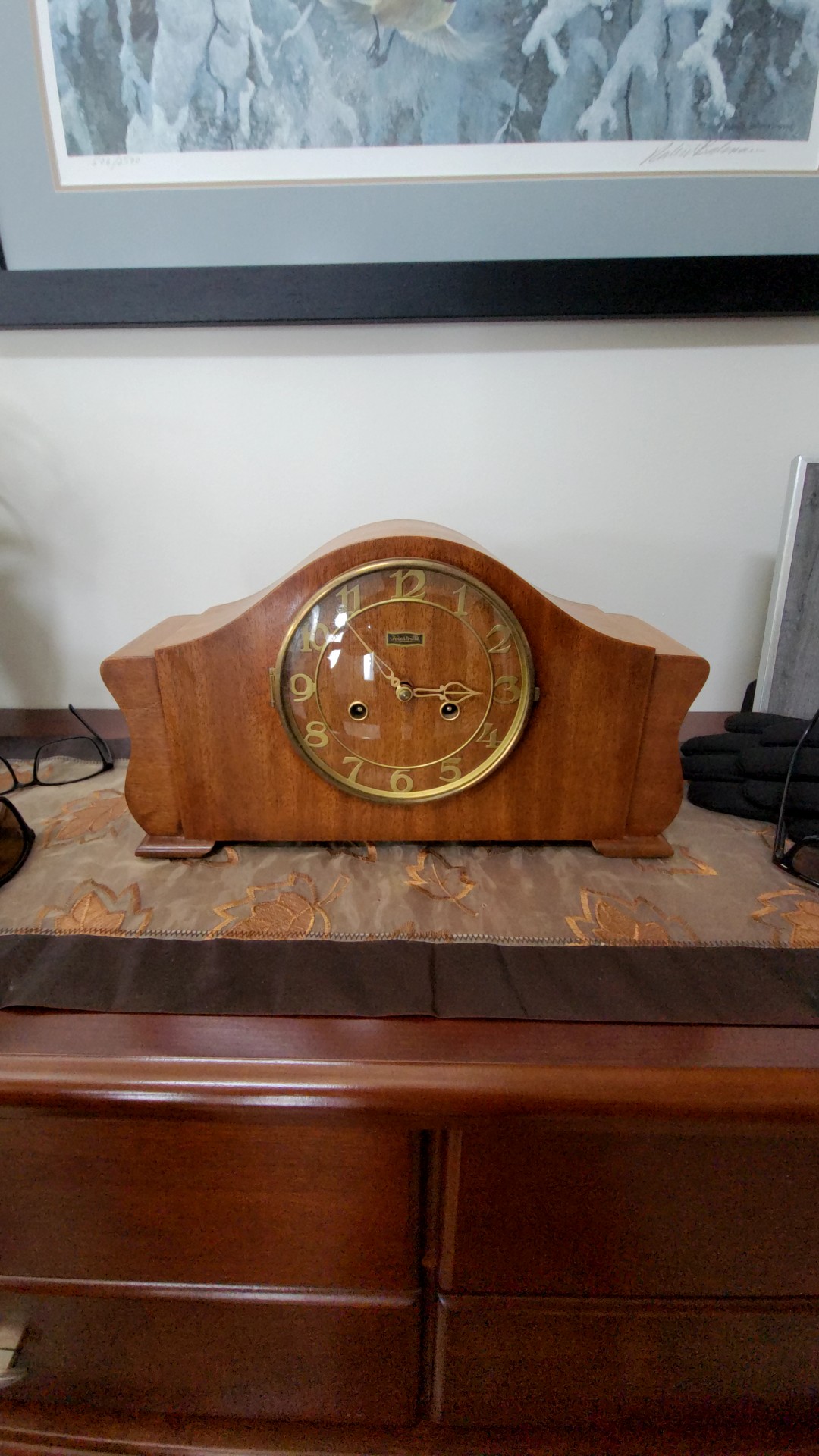
Forestville - Tambour Mantel Clock (c.1945-1955) Bim-Bam 8-Day Movement
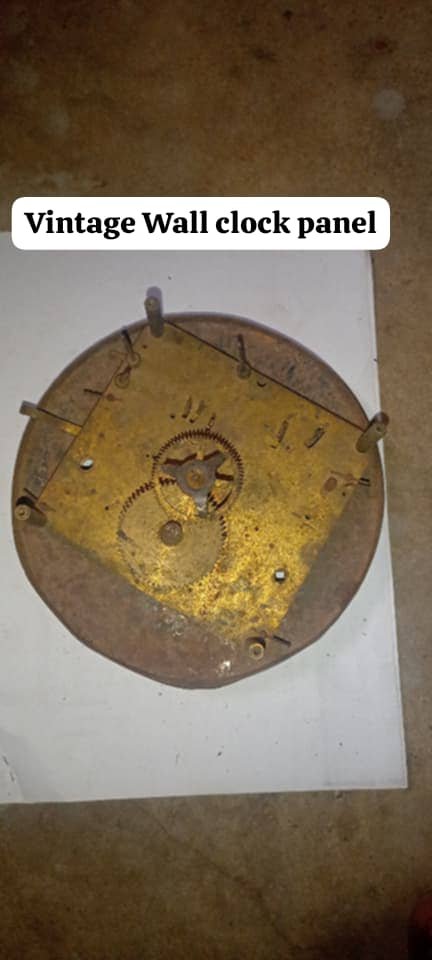
American 30-Hour Brass Wall or Shelf Clock Movement (c. 1850-1880)
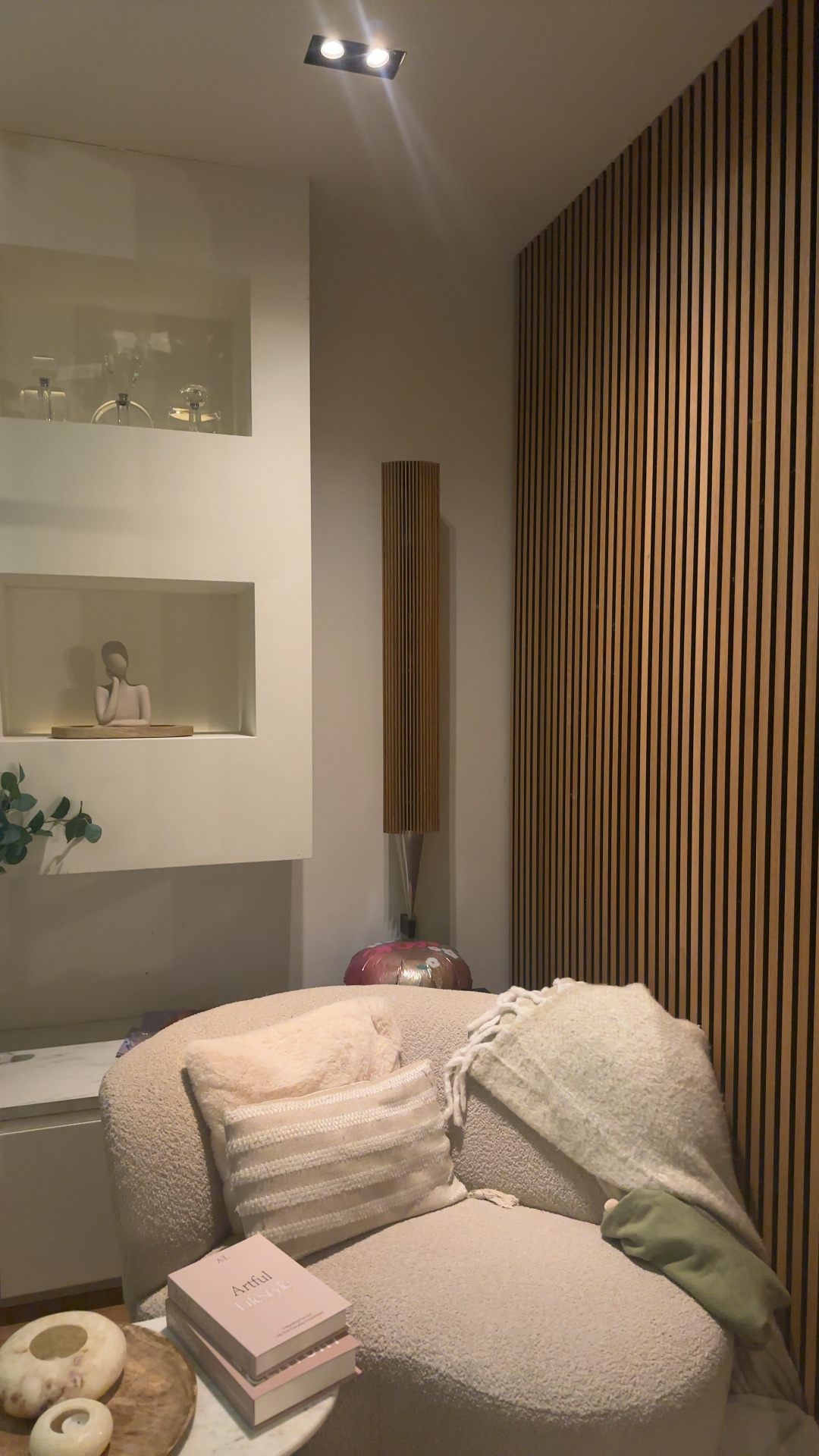
Bang & Olufsen BeoLab 8000 Loudspeaker
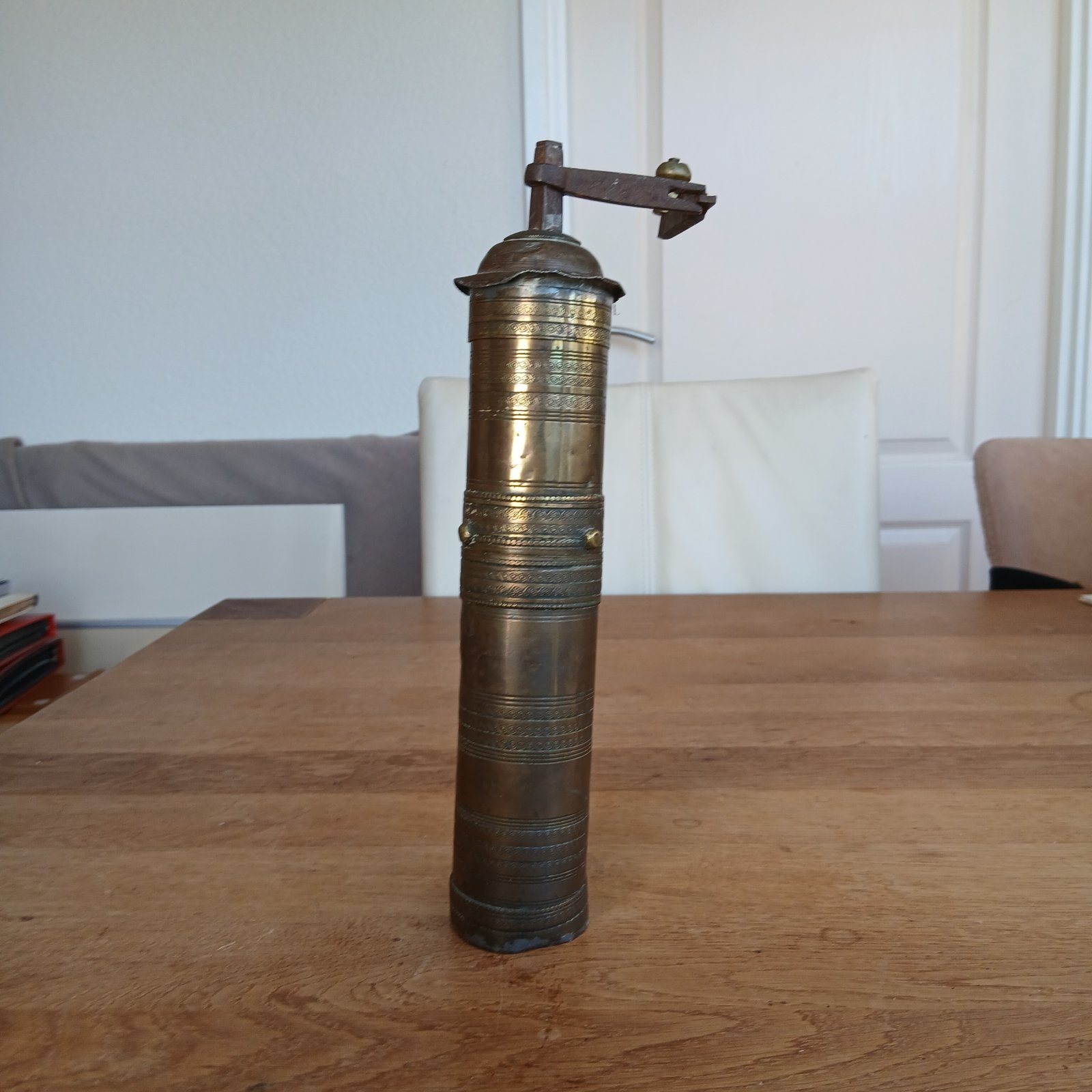
Zassenhaus - Ottoman Style Cylinder Coffee/Pepper Mill (c. 1920-1950)
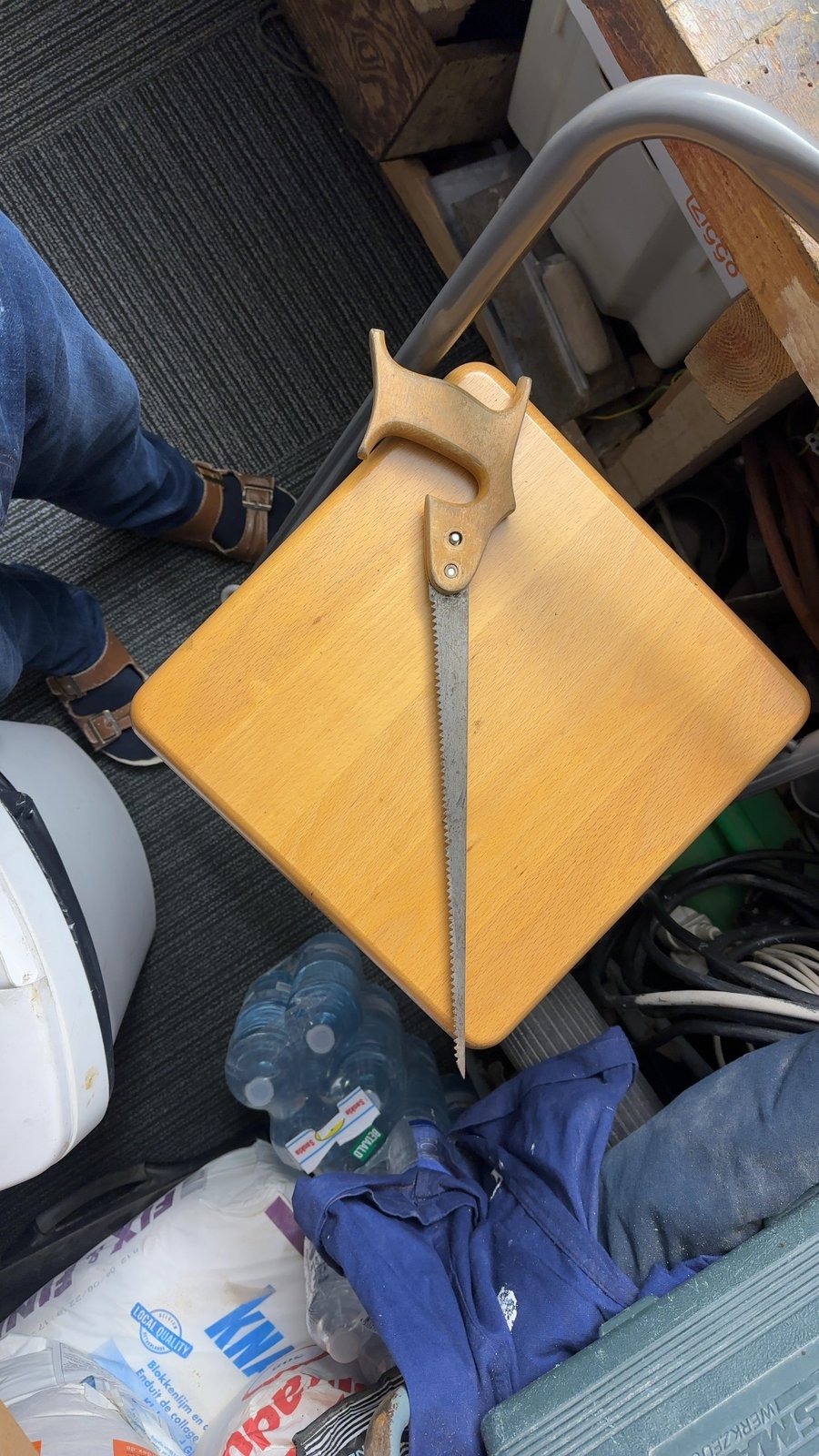
Mid-Century Compass Saw (Keyhole Saw) with Molded Bakelite or Resin Handle
ABOUT MECHANICAL & INDUSTRIAL
Vintage machines, industrial objects, tools, and mechanical curiosities.
Mechanical & Industrial value and rarity guideSHARE THIS CURIOSITY
Have your own curiosities to discover?
Scan Your Curiosity
COMMENTS
No comments yet. Be the first to share your thoughts!
Sign in to leave a comment