
Global Philatelic Packet - 200 Verschiedene Aller Welt
Visual assessment
Photo analysis
Save to revisit in your watchlist. This does not add the object to your own collection.
Global Philatelic Packet - 200 Verschiedene Aller
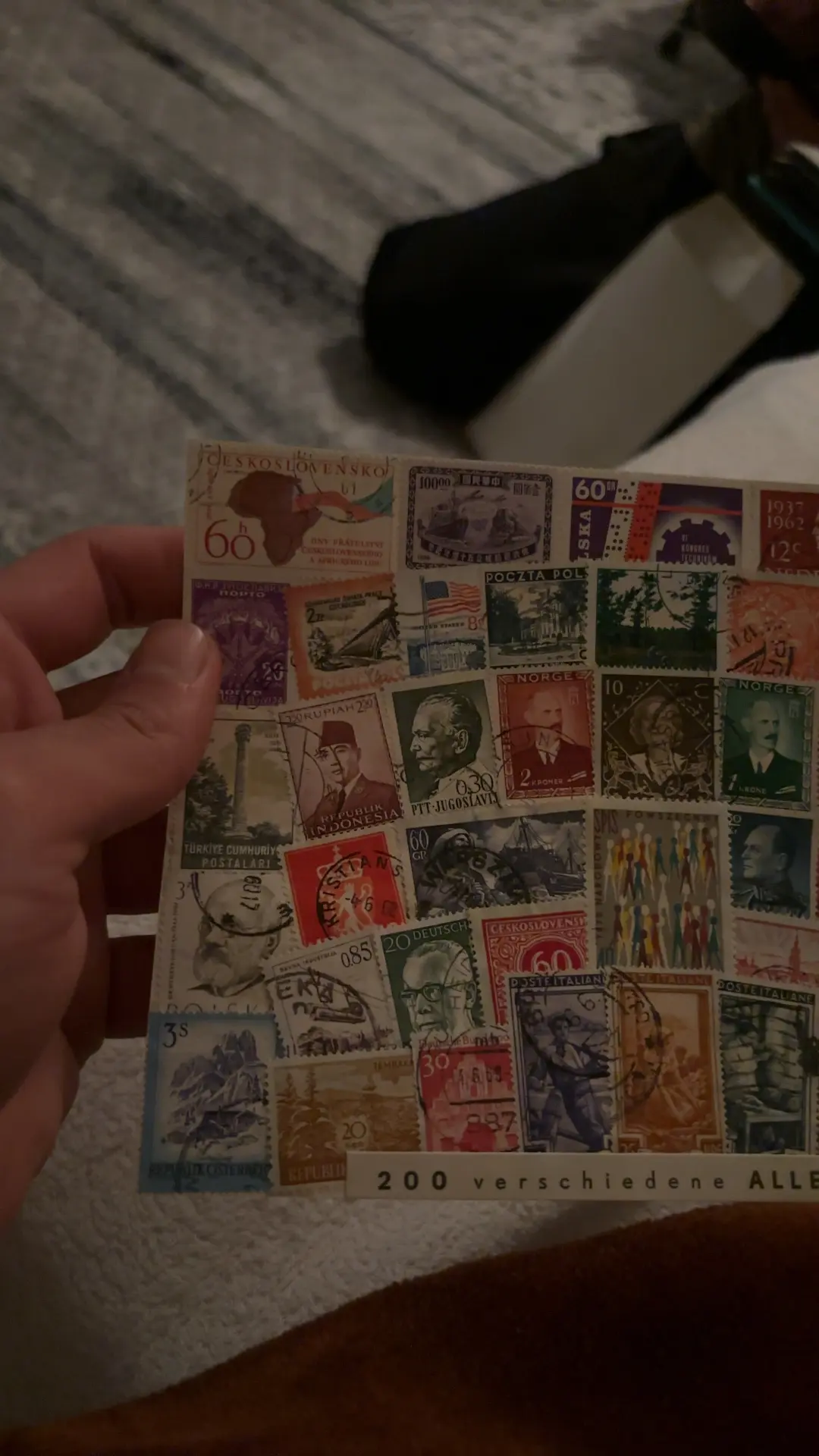
This is a commercial 'kiloware' variety pack of 200 different cancelled postage stamps from worldwide issuing authorities. The stamps are mounted onto a display card under a protective cellophane wrap, featuring a German-language header '200 verschiedene ALLER WELT'. Visible issues include a 1961 Czechoslovakia 60h 'Friendship with African Peoples' lithograph, several Indonesian 'Republik Indonesia' portraits from the late 1950s, a 1962 Netherlands 12c Wilhelmina-Juliana issue, and various mid-century definitives from Norway, Italy, and Yugoslavia.
The assembly is designed for entry-level collectors, providing a broad geographical spread of common 20th-century postal issues.
Related traditions
West German Consumerism
1960s
The 'Hobby' brand reflects the structured leisure time and educational focused play prevalent in Post-War West Germany.
Use and ceremony
Mid-20th Century
Stamps served as widely accessible educational tools for teaching world geography and politics.
Origins and context
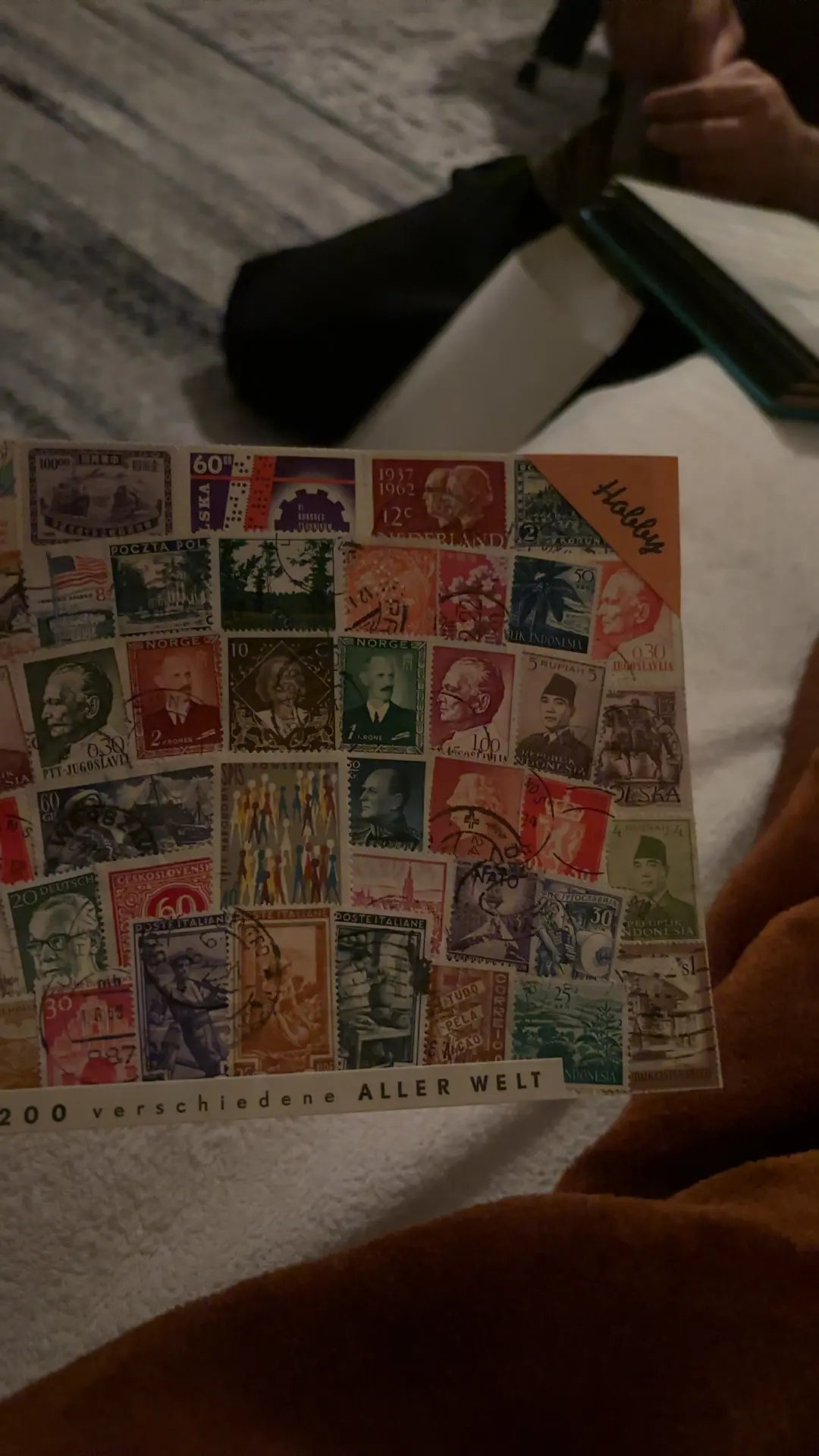
Following World War II, the 'stamps-on-paper' and packet trade became a significant industry in Europe, particularly in West Germany, to satisfy the surge in hobbyist collecting. Manufacturers like the one behind this 'Hobby' branded packet purchased massive quantities of commercial mail from businesses and charities, which were then sorted, cleaned, and repackaged for retail sale. This specific grouping contains issues primarily from the 1950s and 1960s, reflecting the geopolitical landscape of the Cold War era, including stamps from the Soviet Bloc and newly independent post-colonial nations like Indonesia.
Further details
The 1962 Netherlands 12c stamp visible on the top right commemorates the silver wedding anniversary of Queen Juliana and Prince Bernhard.
The Czechoslovakian stamp at the top left (Scott #1066) was issued in 1961 as part of a series promoting diplomatic and social ties with African nations during the decolonization period.
Attribution and evidence
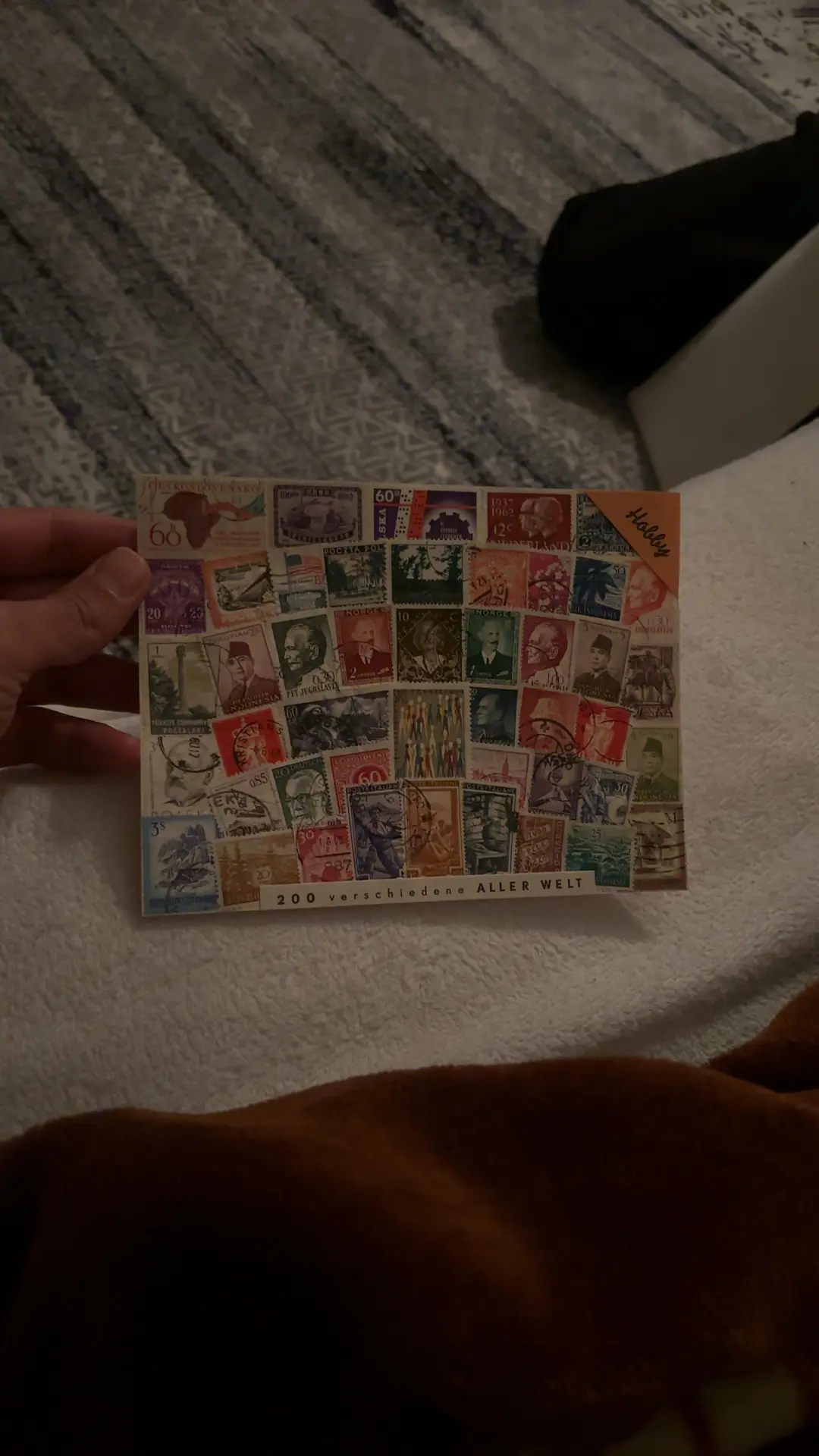
The identification is based on clear visual evidence of several well-documented 20th-century issues and standard commercial packaging common in the philatelic trade.
Identifying details
- 1Presence of 1962 Netherlands Silver Wedding issue (Scott #398)
- 2German text '200 verschiedene Aller Welt' indicates West German distribution
- 3Stamps include common definitives from Norway, Yugoslavia, and Indonesia typical of 1960s kiloware
- 4Circular date stamps (CDS) on several issues confirm commercial use
Photographs that would help
- Remove from cellophane to inspect individual stamp gum and reverse side thins
- Check the Czechoslovakia 60h for specific watermark varieties if applicable
- Scan the backs of early Indonesian stamps for potential expert marks
Terms in this record
- Kiloware
- A bulk quantity of stamps, usually sold by weight, typically still on the original paper.
- Definitive
- A stamp issued for regular postal use, typically over a long period, unlike a commemorative issue.
- CDS
- Circular Date Stamp; a common form of handstamp cancellation.
Wear and preservation
Most examples show average centering with standard commercial cancellations; the 'Hobby' assembly suggests these were not graded for individual rarity but for a varied visual collection.
The stamps are primarily used (cancelled), with visible circular date stamps (CDS) and wavy line machine cancellations. Most appear to be in Fine-Very Fine (F-VF) condition for the issue, though some exhibit minor perforation irregularities typical of mass-sorted packets. The outer packaging shows minor corner wear but the cellophane remains intact.
Scarcity and surviving examples
Common · 2/10 estimated rarity
This is a qualitative collection score, not a measured survival count, market percentile or proof of authenticity.
What the photographs establish
Interpretation of the photographs and supplied context. This does not authenticate the object.
- Commonality of issues makes forgery economically non-viable
- Packaging is consistent with mid-20th-century German retail hobby supplies
Value and its basis
Estimate recorded: May 10, 2026
How we estimate value
Estimate context (not a documented sale): Similar worldwide packets from the 1960s-70s are frequently found on eBay and at local stamp clubs for $5 to $15.
Collectors and interest
Beginner collectors and thematic specialists looking for inexpensive worldwide starter sets.
What supports the estimate
- •Completeness of the original 200-count packet
- •Presence of specific color varieties or minor plate flaws inside the bulk mix
What could change it
- •Hidden thins or tears caused by aggressive removal from paper
- •Common 'packet' issues rarely carry individual value over $1
Comparing quality
- •Light, non-obscuring cancellations that leave the design visible
- •Intact perforations and fresh original colors
The effect of condition
Centering of the design within the perforations and the aesthetic quality of the cancellation.
Market interest
For informational purposes only, not a formal appraisal.
Related objects
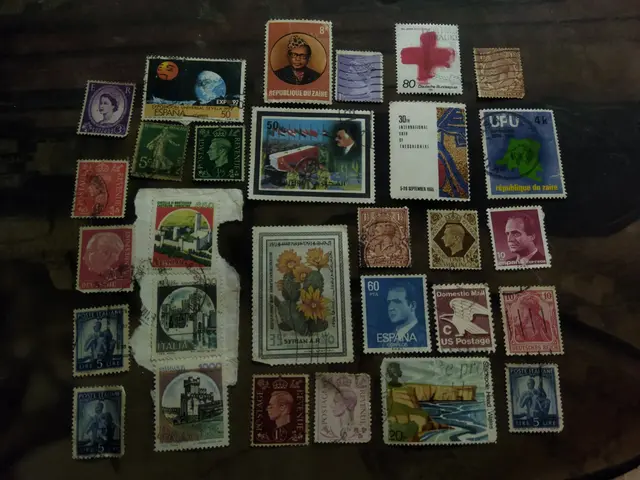
Mixed Global Philatelic Assemblage (20th Century)
Shared title details
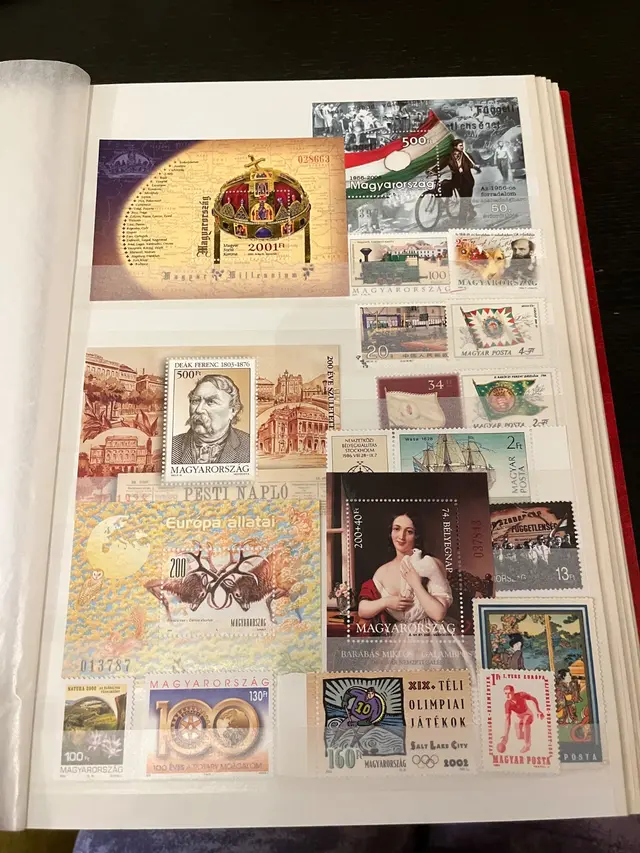
Global Philatelic Collection - Mixed Hungary, USSR, and International Issues
Shared title details

1920s Saargebiet and Czechoslovakia Philatelic Approval Packets
Same category
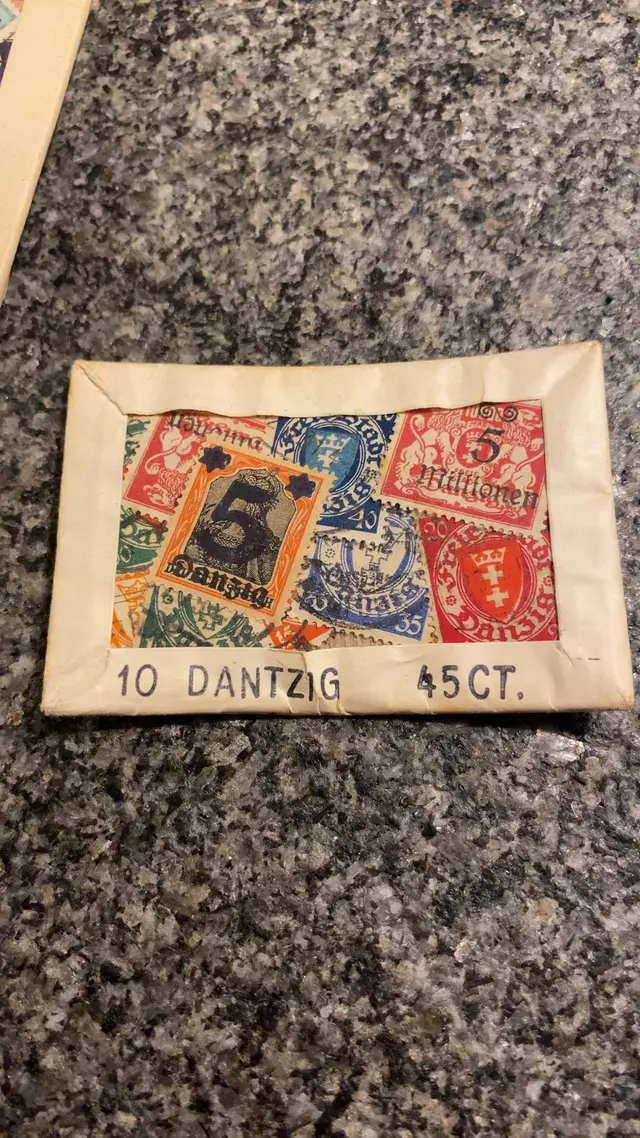
Danzig Hyperinflation Stamp Approval Packet (1920-1923)
Same category
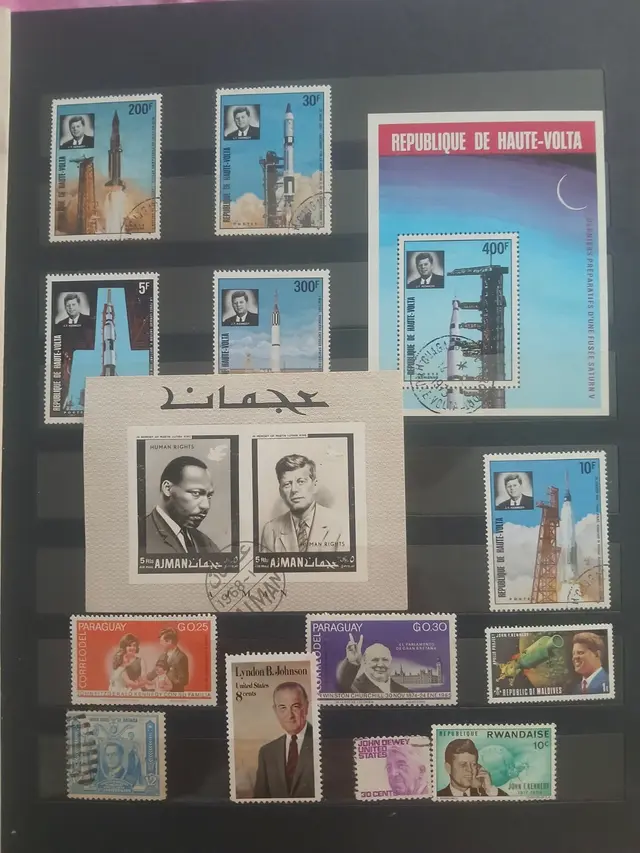
Global Commemorative Stamp Collection focusing on John F. Kennedy and U.S. Presidents
Same category
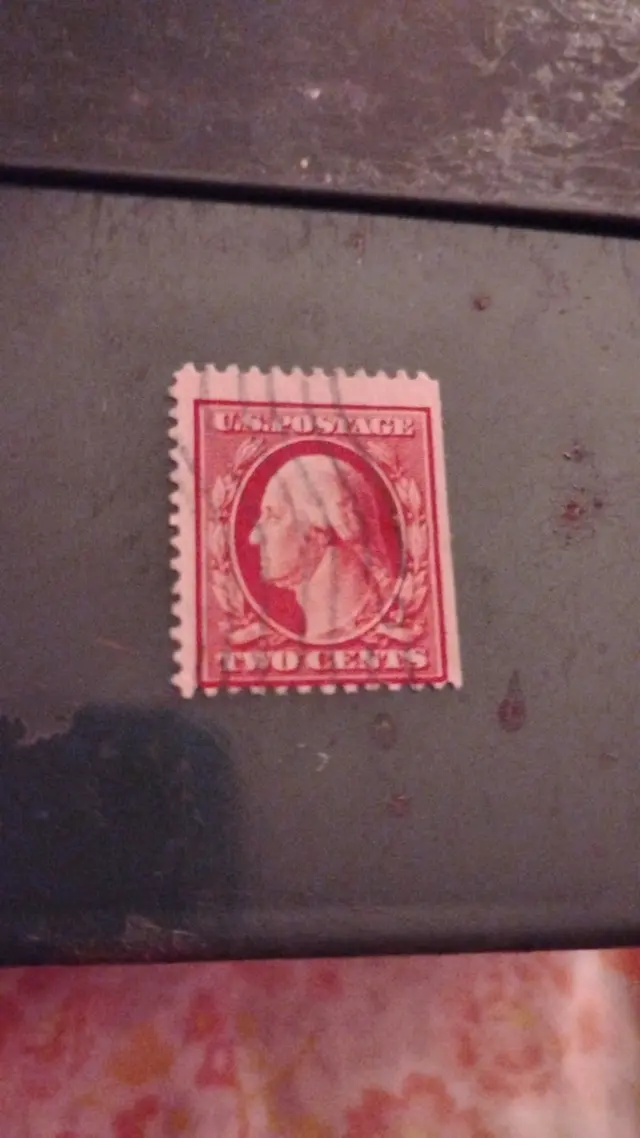
US 2-Cent Washington "First Bureau Issue"
Same category
Explore Stamps
Rare stamps, postal history, first day covers, and philatelic treasures.
Stamps value and rarity guideShare this find
A place for your stamps
Keep its photographs, maker’s marks and the story you know in one object record. Start with a photo.
Create an account for 10 free scans. No credit card needed.
Join the conversation
Recognise a detail or have a question? Add what you know and cite your source. Suggested corrections stay in the discussion for the owner or a moderator to review.
Sign in to leave a comment
Sign in