
US 2-Cent Washington "First Bureau Issue"
Visual assessment
Photo analysis
Save to revisit in your watchlist. This does not add the object to your own collection.
US 2-Cent Washington "First Bureau Issue"
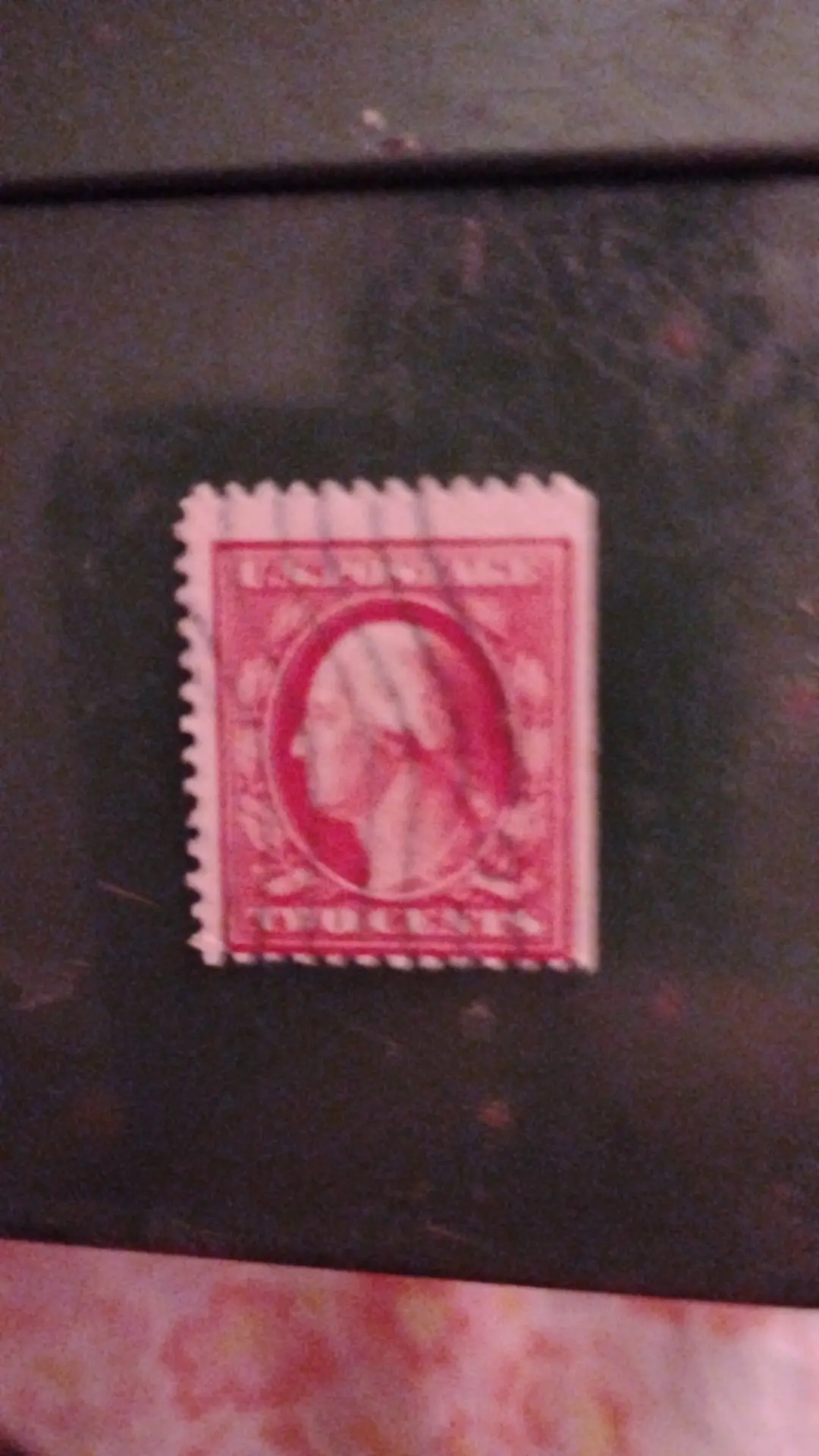
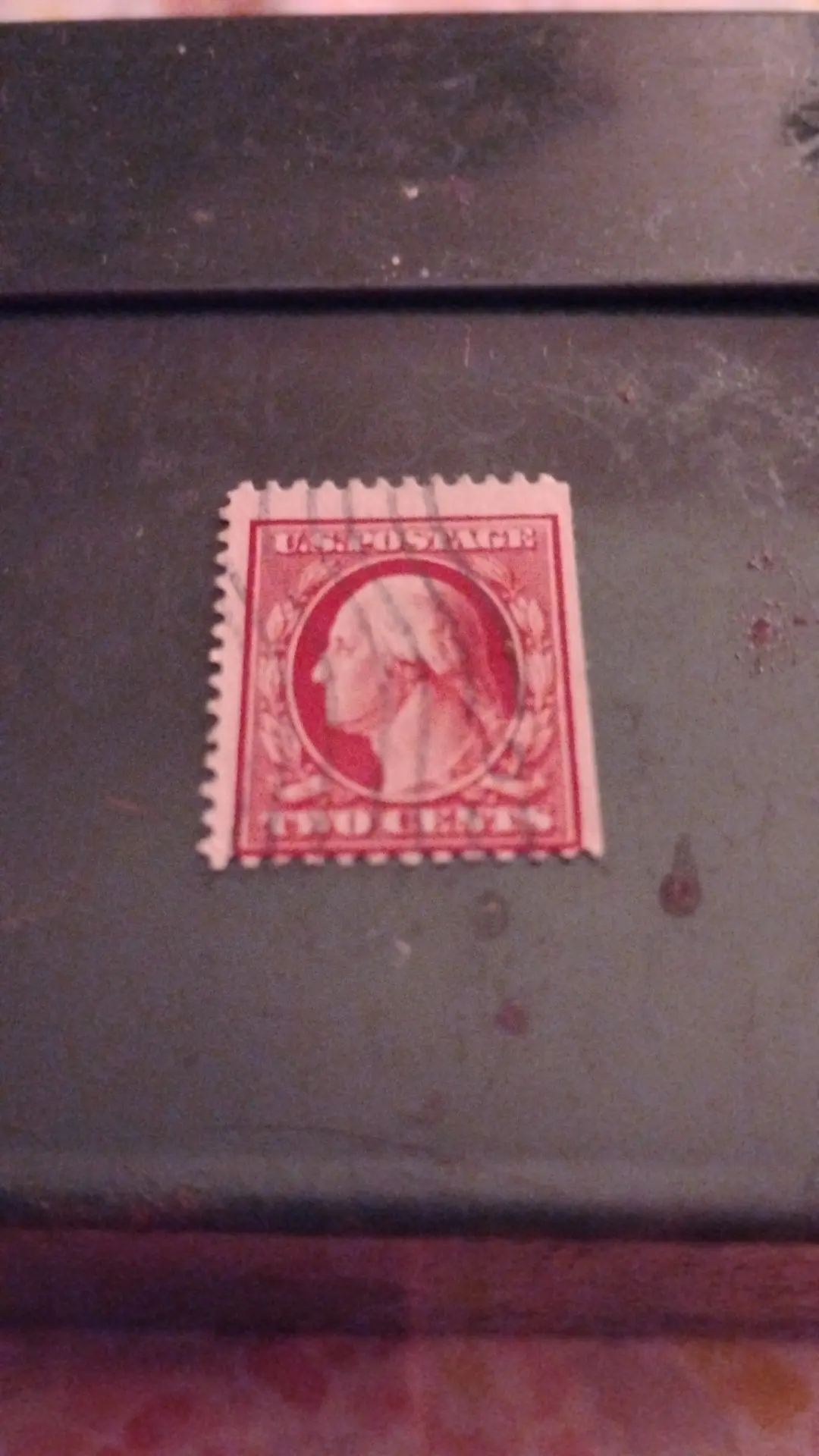
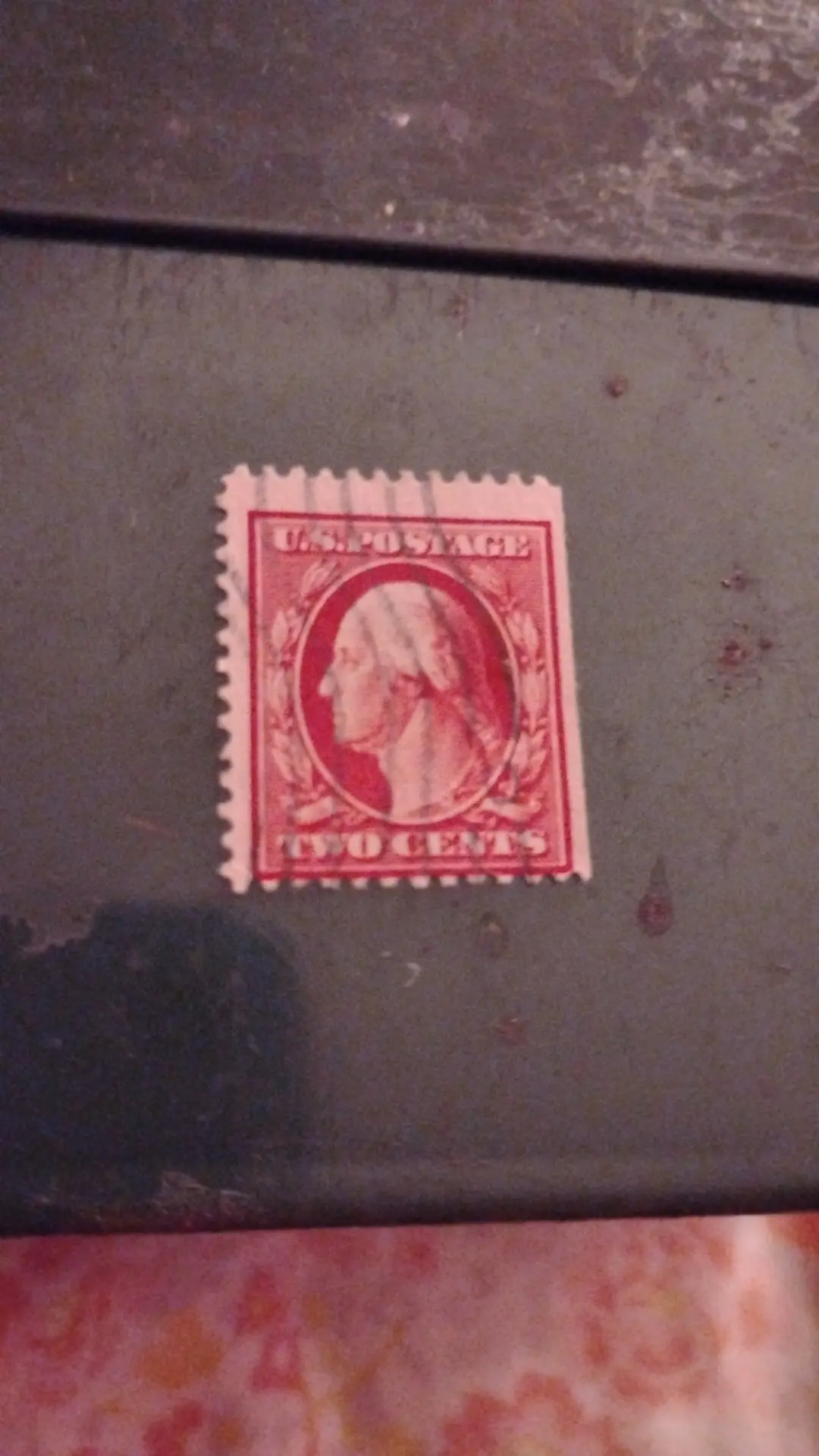
A United States 2-cent carmine postage stamp featuring a left-facing profile of George Washington. The presence of triangular ornaments in the upper corners identifies this as a First Bureau Issue, printed between 1894 and 1898. The stamp bears a black wavy-line machine cancellation across the upper portion, indicating postal use.
Related traditions
British Empire
Late 19th Century
The use of the current head of state or founding figure on standard domestic postage, mirroring the UK's 'Penny Red' Victoria issues.
Use and ceremony
1890s
A receipt for the standard first-class domestic postage rate of two cents per ounce.
Origins and context
The Bureau of Engraving and Printing took over US stamp production from the American Bank Note Company in 1894. To distinguish their work from previous contractors, the Bureau modified the existing 1890 dies by adding distinctive triangular ornaments to the upper corners of the design.
Further details
The Bureau of Engraving and Printing produced over 5 billion copies of the Type I watermarked 2-cent Washington (Scott #267) between 1895 and 1898.
Specialists use watermark fluid to detect the double-lined 'USPS' letters embedded in the paper of these issues, which separates the 1895 printings from the unwatermarked 1894 series.
Attribution and evidence
While the series and era are easily identified by the design and corner triangles, the exact catalog number cannot be confirmed without watermark fluid testing and high-magnification review of the engraving lines.
Identifying details
- 1Triangular ornaments in the upper corners confirm it is a First Bureau issue rather than the 1890 unornamented release.
Wear and preservation
Centering is shifted bottom right, and the cancellation is moderately heavy but does not completely obscure the central portrait.
The stamp is used with a black machine cancellation. Centering is shifted slightly to the bottom right, with perforations cutting close to the design on the lower edge. Margins are relatively narrow.
Scarcity and surviving examples
Common · 2/10 estimated rarity
This is a qualitative collection score, not a measured survival count, market percentile or proof of authenticity.
What the photographs establish
Interpretation of the photographs and supplied context. This does not authenticate the object.
What photo analysis can and cannot establishValue and its basis
Estimate recorded: Aug 22, 2026
How we estimate value
- No documented comparable sales are shown for this estimate
- Condition, completeness & craftsmanship
- Demand assumptions may not reflect current transactions
- The range is an estimate, not an asking price or sale result
For informational purposes only, not a formal appraisal.
The collector’s account
Supporting details
- User stated 'Original/Authentic' - visual characteristics match genuine intaglio-printed First Bureau issues.
- User noted 'Minor wear' - consistent with the surviving condition of a postally used 19th-century stamp.
Related objects
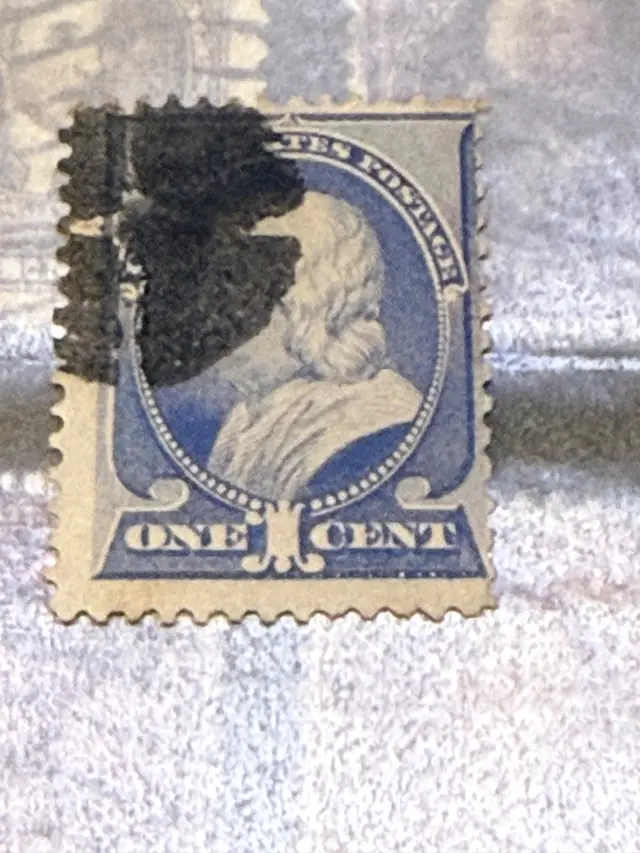
U.S. 1894-1898 Bureau Issues and 1908 Washington-Franklin Stamps
Same brand: Bureau of Engraving and Printing
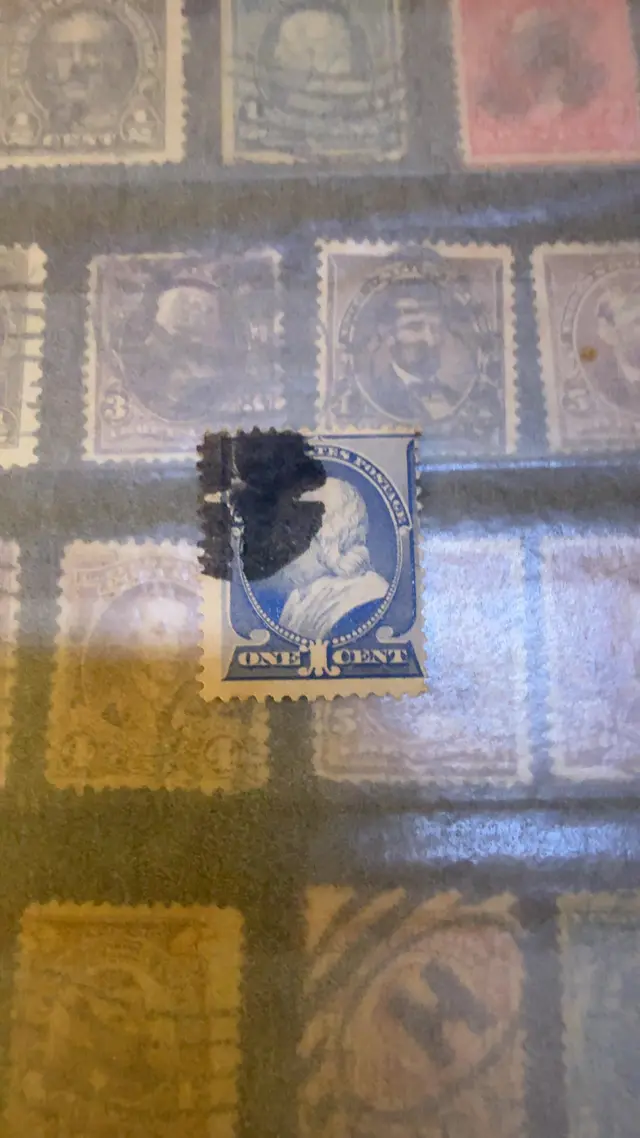
United States 1898 Trans-Mississippi Exposition Issue (Scott #285-293)
Same brand: Bureau of Engraving and Printing
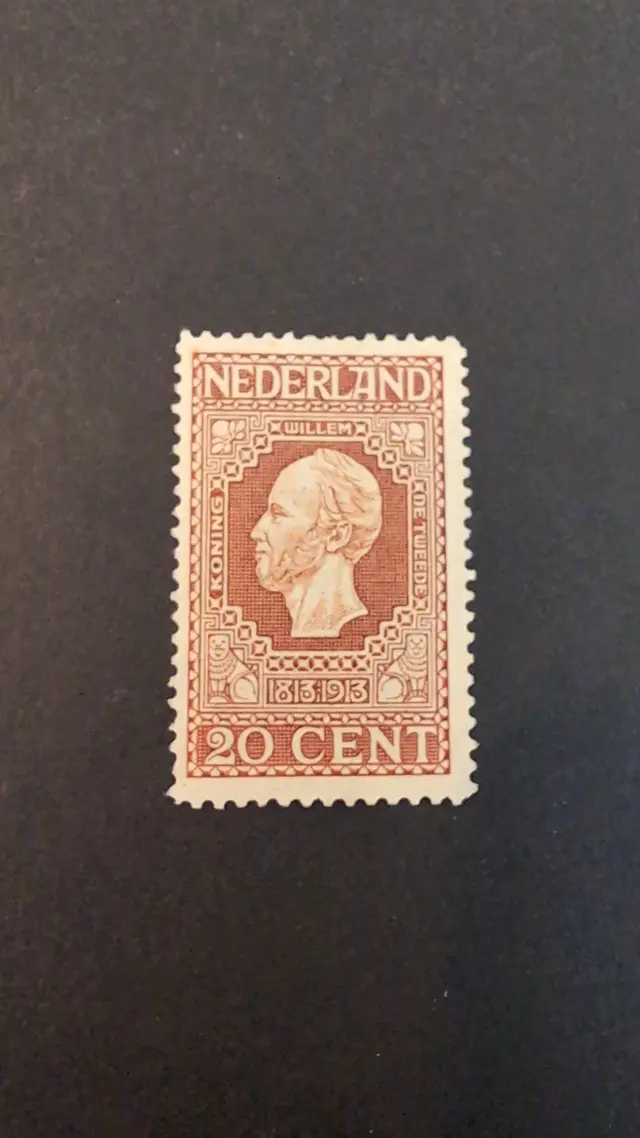
Netherlands King William II Centenary Issue (Scott #101) 1913 - 20 Cent
Shared title details
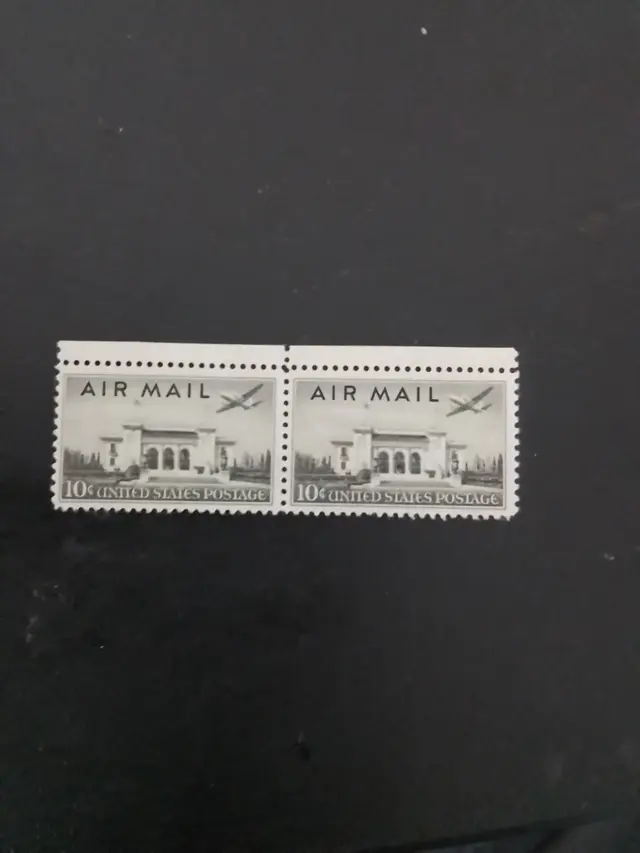
10-Cent Pan-American Union Air Mail Stamp (Scott #C25)
Same category
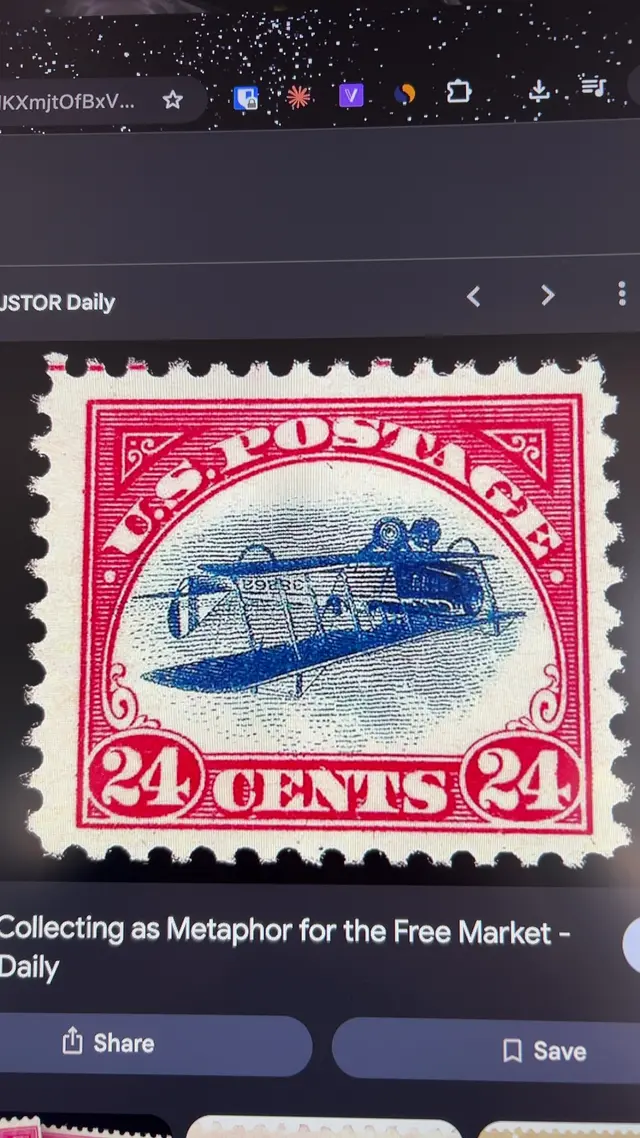
Inverted Jenny 24-cent stamp design shown on screen
Same category
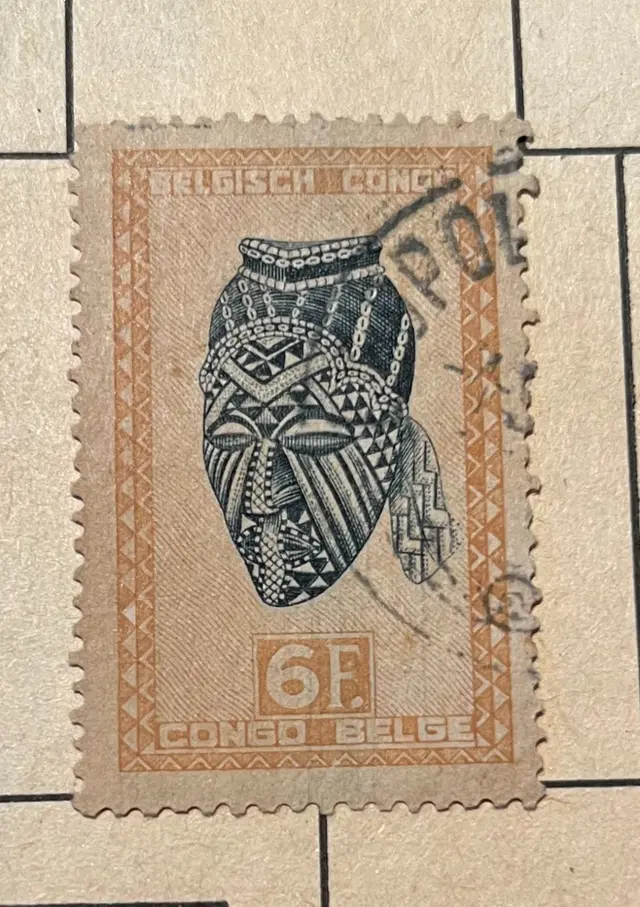
Belgian Congo, Queen Elisabeth Mask Issue (1928-1930) - 6 Francs
Same category
Explore Stamps
Rare stamps, postal history, first day covers, and philatelic treasures.
Stamps value and rarity guideShare this find
A place for your stamps
Keep its photographs, maker’s marks and the story you know in one object record. Start with a photo.
Create an account for 10 free scans. No credit card needed.
Join the conversation
Recognise a detail or have a question? Add what you know and cite your source. Suggested corrections stay in the discussion for the owner or a moderator to review.
Sign in to leave a comment
Sign in