
Chinese Freshwater Baroque Pearl Loose Parcel (500g)
Curiosa does not handle the sale. Visit the owner's cabinet to get in touch.
Visual assessment
Photo analysis
Save to revisit in your watchlist. This does not add the object to your own collection.
Chinese Freshwater Baroque Pearl Loose Parcel
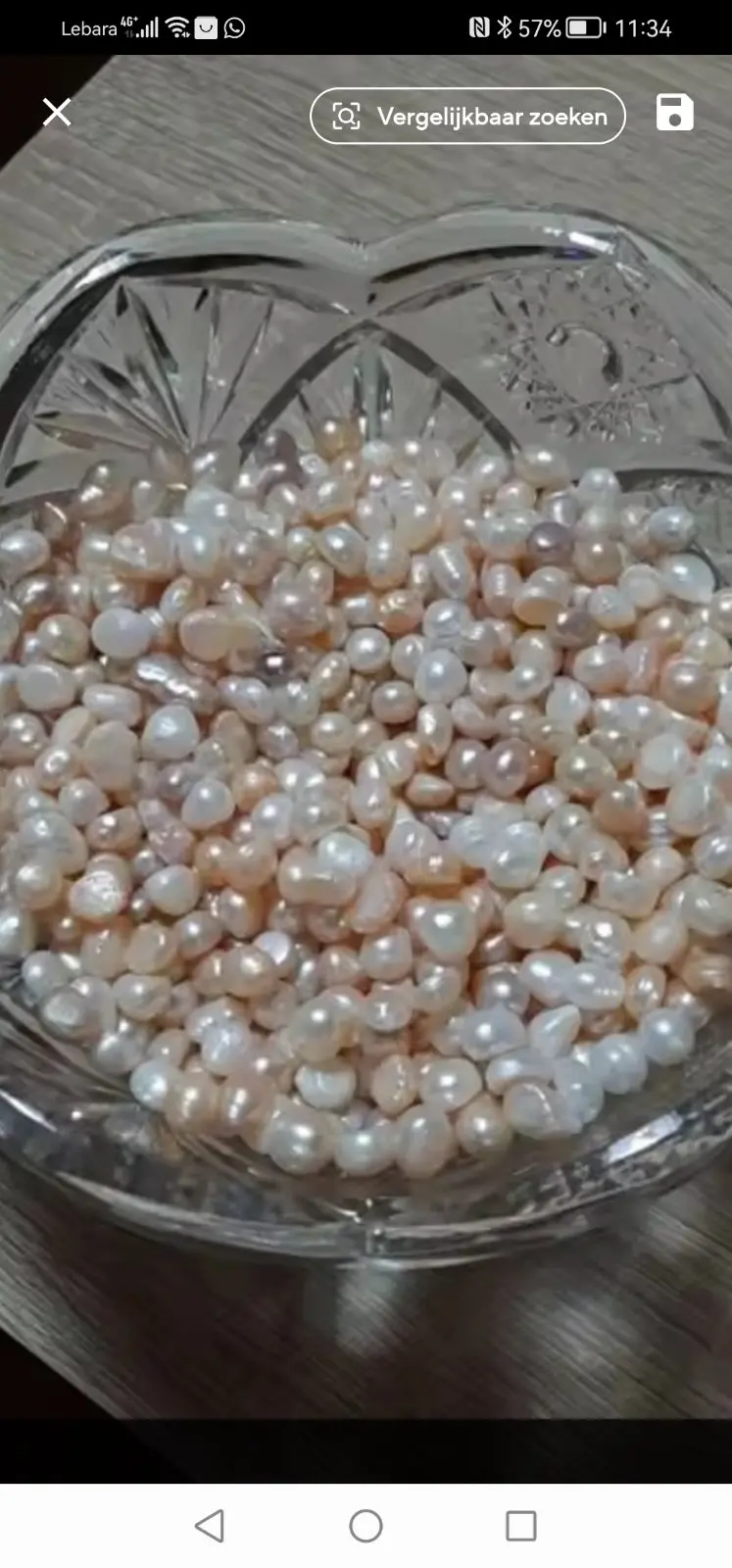
A bulk parcel of loose, undrilled freshwater pearls sourced from Chinese aquaculture. The lot consists of mixed natural pastel shades including cream, peach, lavender, and white. These specimens exhibit characteristic 'baroque' or 'biwa' irregular shapes with high orient (iridescence) and varied surface textures. Size distribution ranges from 4mm up to approximately 9mm. These are tissue-nucleated pearls, which account for their irregular geometry and solid nacre composition without a bead center.
Related traditions
Japanese Pearl Industry
1920s-1960s
The technology for freshwater cultivation was pioneered at Lake Biwa, creating the standard for tissue-nucleated pearls.
Use and ceremony
Pre-1900
Extreme wealth and royalty, as all pearls were natural 'accidents' found in the wild.
Post-1970
Democratized luxury; the industrialization of freshwater farming made pearls accessible to the middle class.
Origins and context
China has dominated the freshwater pearl market since the early 1970s, specifically in the Zhejiang and Jiangsu provinces. Unlike Akoya pearls that use a bead nucleus, Chinese freshwater pearls are typically tissue-nucleated, a process developed at the Lake Biwa nurseries in Japan before being industrialized in China. This technique results in a gem that is nearly 100% nacre. Large parcels like this are typically sold as raw material for jewelry designers or for traditional medicinal use (pearl powder).
Further details
Freshwater mussels used in Chinese aquaculture, such as Hyriopsis cumingii, can produce up to 50 pearls simultaneously, whereas saltwater oysters usually produce only one or two.
A 500g lot of 4-9mm pearls contains approximately 1,200 to 1,500 individual specimens depending on the specific density and shape distribution.
Attribution and evidence
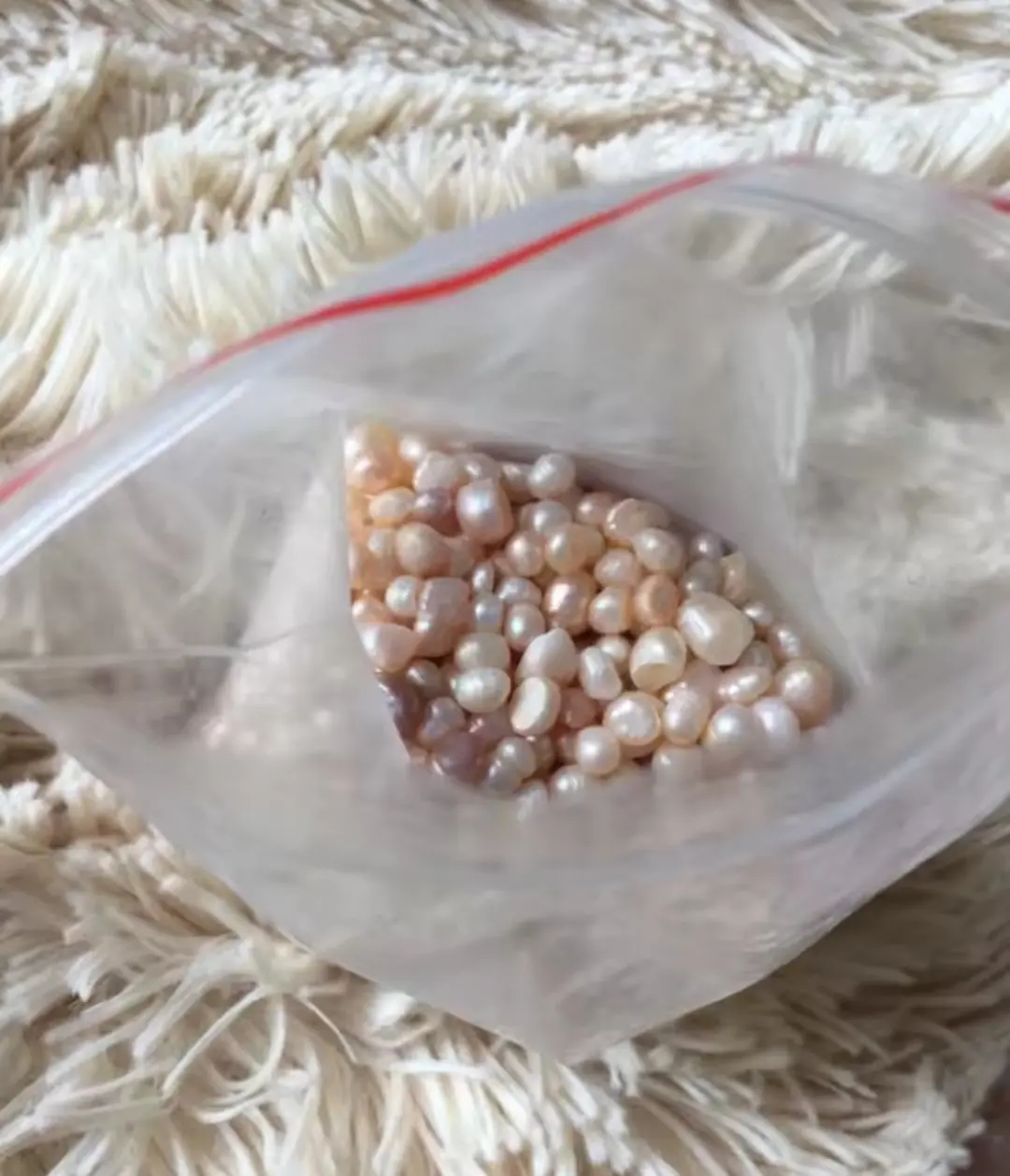
Higher confidence due to the alignment of visual evidence with specific user-provided details and the distinctive irregular morphology which is costly to fake for low-value bulk lots.
Identifying details
- 1Visual luster indicates genuine nacre rather than glass or plastic imitation
- 2Shape irregularity (baroque) is consistent with tissue-nucleation techniques
- 3Color palette is representative of the natural range of freshwater mussels from China
- 4Bulk quantity and packaging are standard for wholesale trade lots
Open questions
- •Surface luster variations suggest a mixed-grade lot
Photographs that would help
- Perform the 'tooth test' (rub pearls against front teeth; genuine nacre feels gritty)
- Check individual pearls under a 10x loupe for characteristic growth rings
- Verify certificate serial number against issuing laboratory's digital database
Terms in this record
- Baroque
- An irregular, non-symmetrical shape in a pearl.
- Nacre
- The iridescent calcium carbonate material secreted by mollusks to form a pearl.
- Tissue-nucleated
- A farming method where a piece of donor mantle tissue, rather than a bead, is used to trigger pearl growth.
- Orient
- The shimmering iridescence caused by the refraction of light through layers of nacre.
Wear and preservation
Mixed quality ranging from high-luster semi-round specimens to lower-grade irregular baroque shapes; color appears consistent with natural non-dyed freshwater mollusks.
Loose undrilled stock with minor surface pits and growth ripples characteristic of the baroque grade; no visible chemical bleaching or artificial coating peeling.
Materials and construction
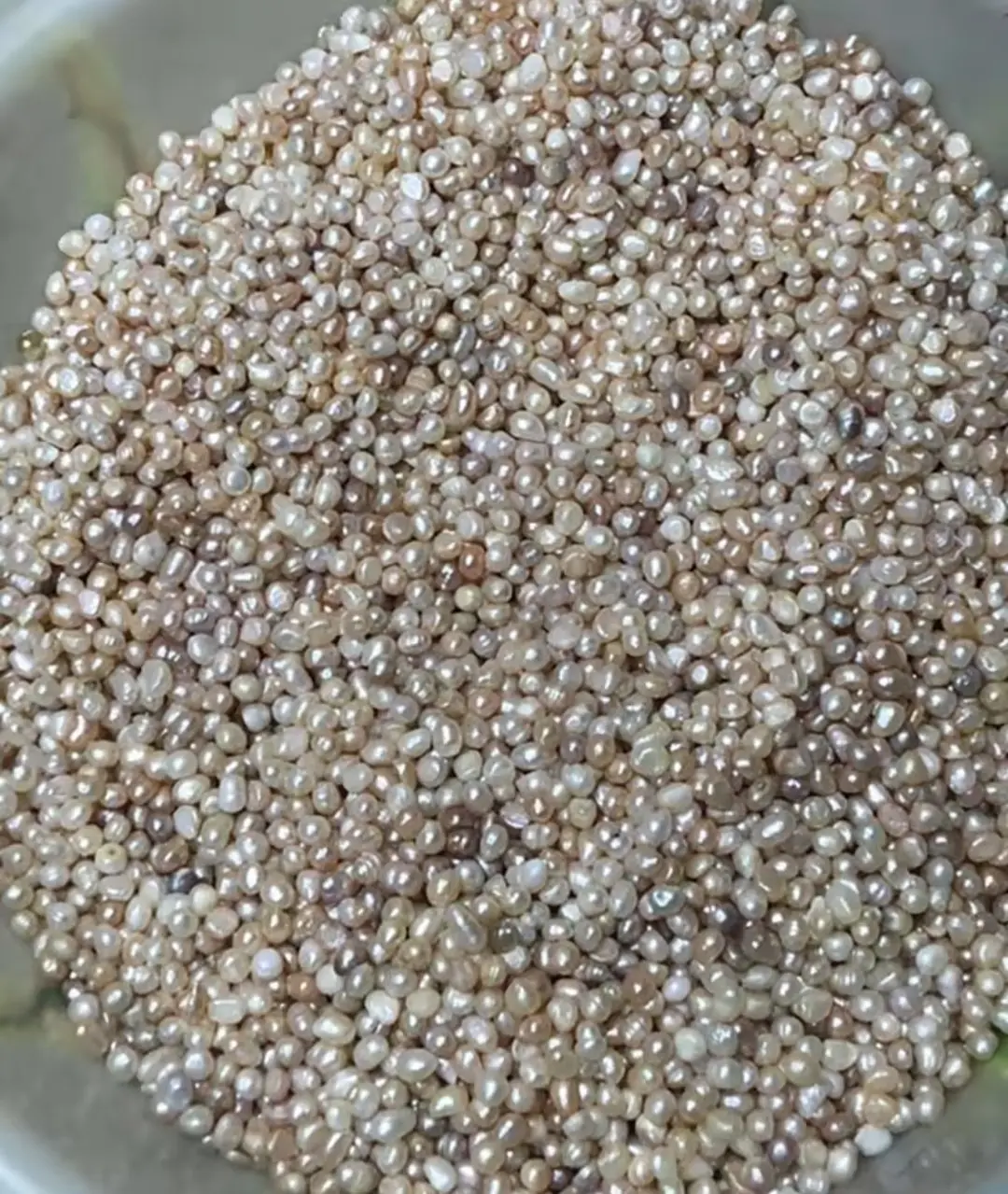
Mixed surface quality from smooth to moderately ringed/circlé; visual evidence of high luster and varied orient typical of solid nacre freshwater specimens.
Recorded physical details
The lot is stated at 500 grams, which feels substantial (approx. 1.1 lbs) and dense when handled as a bulk mass.
Scarcity and surviving examples
Common · 2/10 estimated rarity
This is a qualitative collection score, not a measured survival count, market percentile or proof of authenticity.
What the photographs establish
Interpretation of the photographs and supplied context. This does not authenticate the object.
- Visual characteristics perfectly align with mass-produced Chinese freshwater aquaculture
- Irregular shapes and naturally occurring colors are difficult and expensive to simulate convincingly
- Presence of an authentication certificate (per user context)
Value and its basis
Estimate recorded: Jun 9, 2026
How we estimate value
Estimate context (not a documented sale): Etsy and eBay wholesale listings for 500g Chinese freshwater pearls typically range from $75 to $200 depending on blemish grade and average diameter.
Collectors and interest
Jewelry hobbyists, independent artisanal designers, and gemstone wholesalers looking for bulk production material.
What supports the estimate
- •Proportion of 9mm+ sized pearls in the lot
- •Surface cleanliness (lack of deep pits or blemishes)
- •Intensity of the 'lavender' and 'peach' luster
What could change it
- •High percentage of chalky or low-luster specimens
- •Presence of heavily ringed or 'circlé' pearls which are harder to set
Comparing quality
- •Metallic luster that appears mirror-like
- •Perfectly round specimens (extremely rare in freshwater parcels)
- •Clean surfaces without visible growth marks
The effect of condition
Luster, shape symmetry, and surface blemish count determine the value of individual pearls within the parcel.
Market interest
For informational purposes only, not a formal appraisal.
The collector’s account
Supporting details
- User stated 'mixed colors' - images show natural white, peach, and lavender hues consistent with Hyriopsis cumingii production.
- User stated 'undrilled' - images confirm lack of drill holes for stringing.
- User stated 'irregular shape' - visual evidence shows baroque and potato-shaped pearls.
- User stated '500g' - volume in container/bag is consistent with that weight.
Related objects
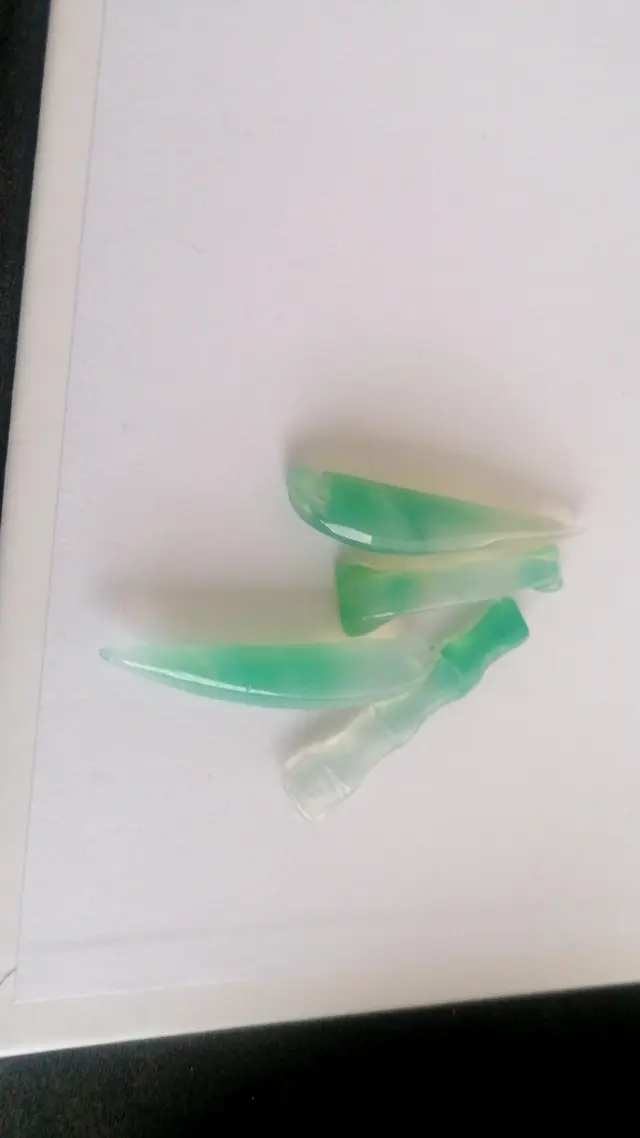
Chinese Jadeite or Chalcedony Tools/Ornaments
Same category
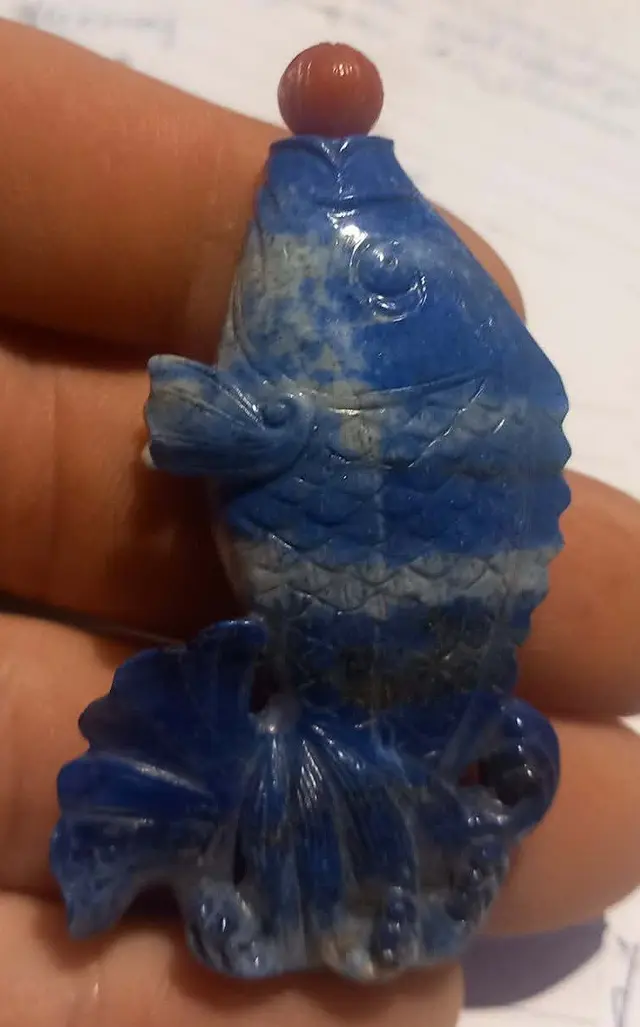
Chinese Lapis Lazuli Carp Pendant with Carnelian Bead
Same category
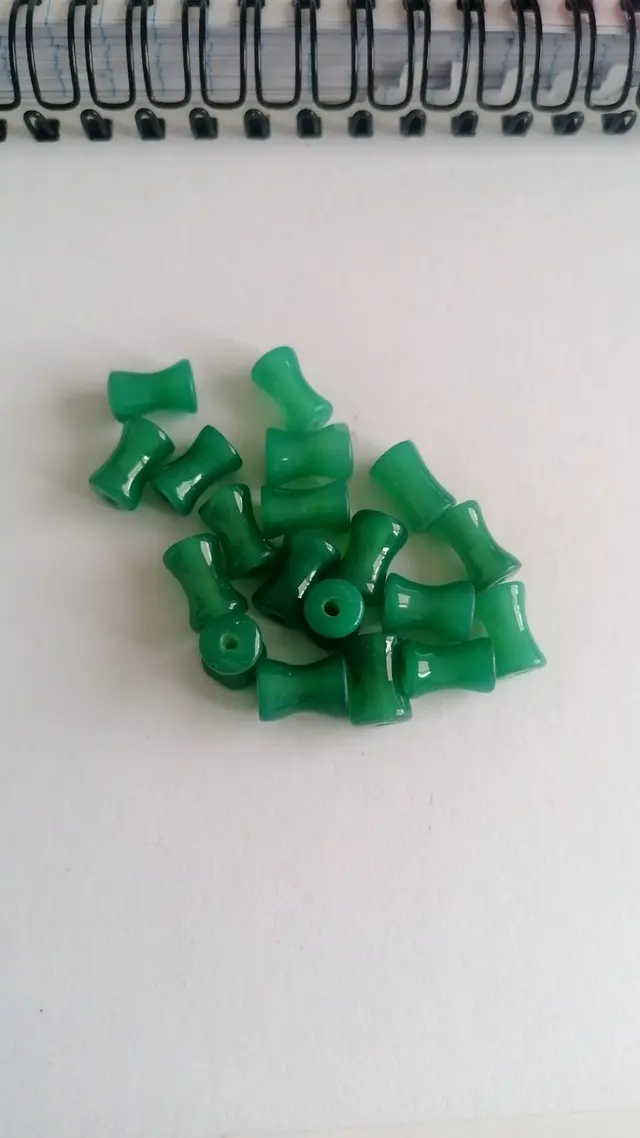
Green Agate Bi-Cone Beads
Same category
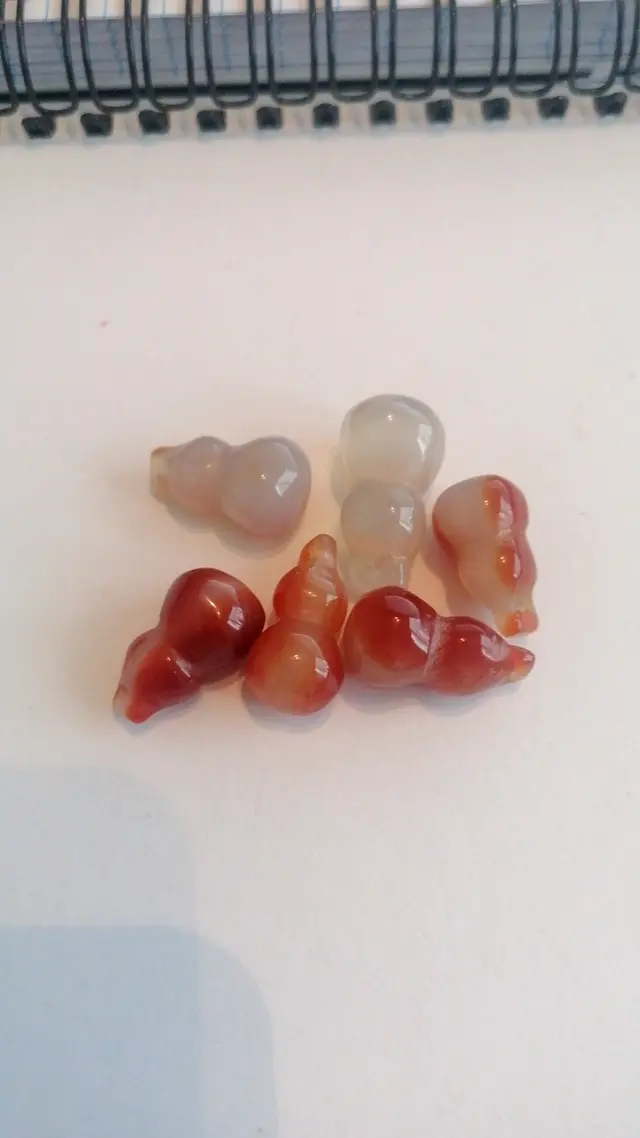
Carved Agate Gourd (Hulu) Beads/Charms
Same category
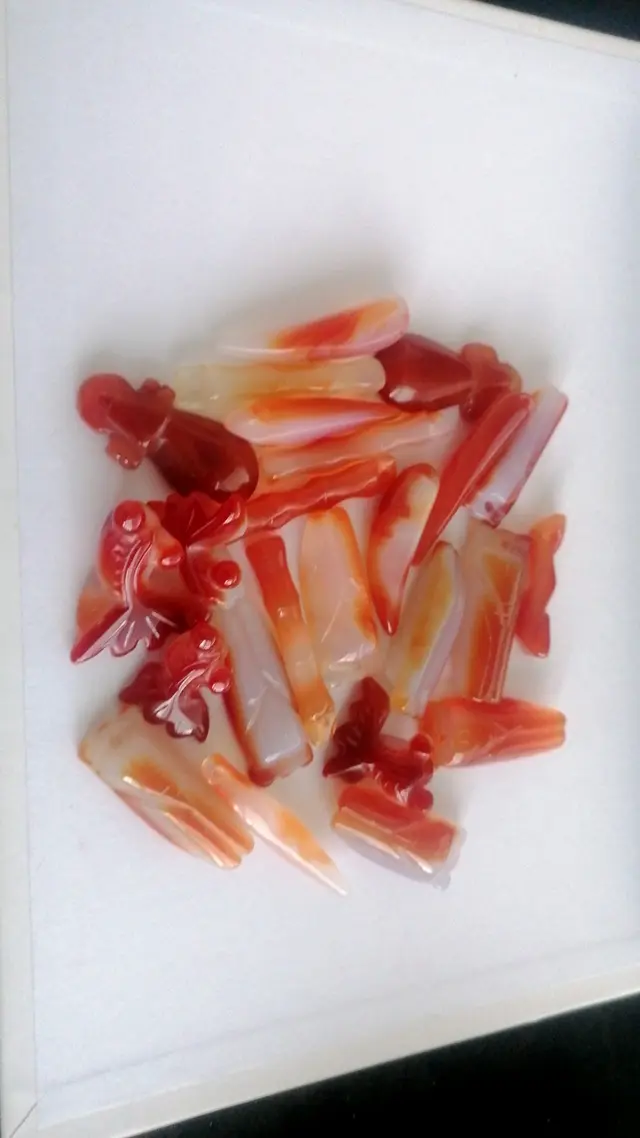
Mixed Lot of Carved Carnelian and Agate Cabochons/Pendant Blanks
Same category
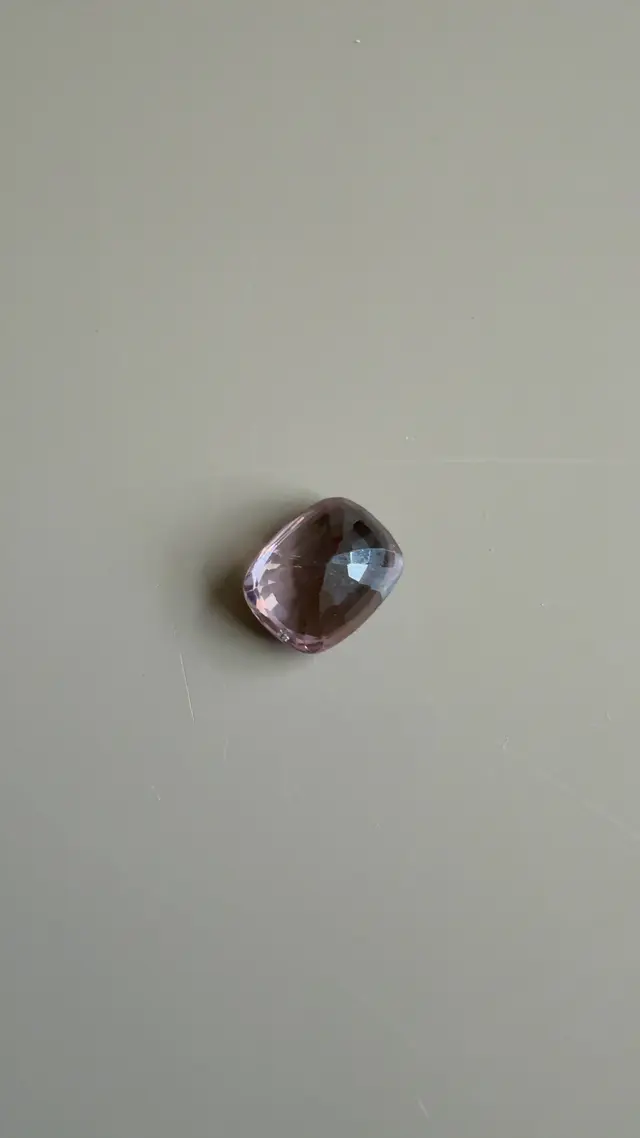
Pink cushion-cut stone, described as spinel by ALGT
Same category
Explore Gemstones
Precious stones, semi-precious gems, minerals, crystals, and geological specimens.
Gemstones value and rarity guideShare this find
A place for your gemstones
Keep its photographs, maker’s marks and the story you know in one object record. Start with a photo.
Create an account for 10 free scans. No credit card needed.
Join the conversation
Recognise a detail or have a question? Add what you know and cite your source. Suggested corrections stay in the discussion for the owner or a moderator to review.
Sign in to leave a comment
Sign in