
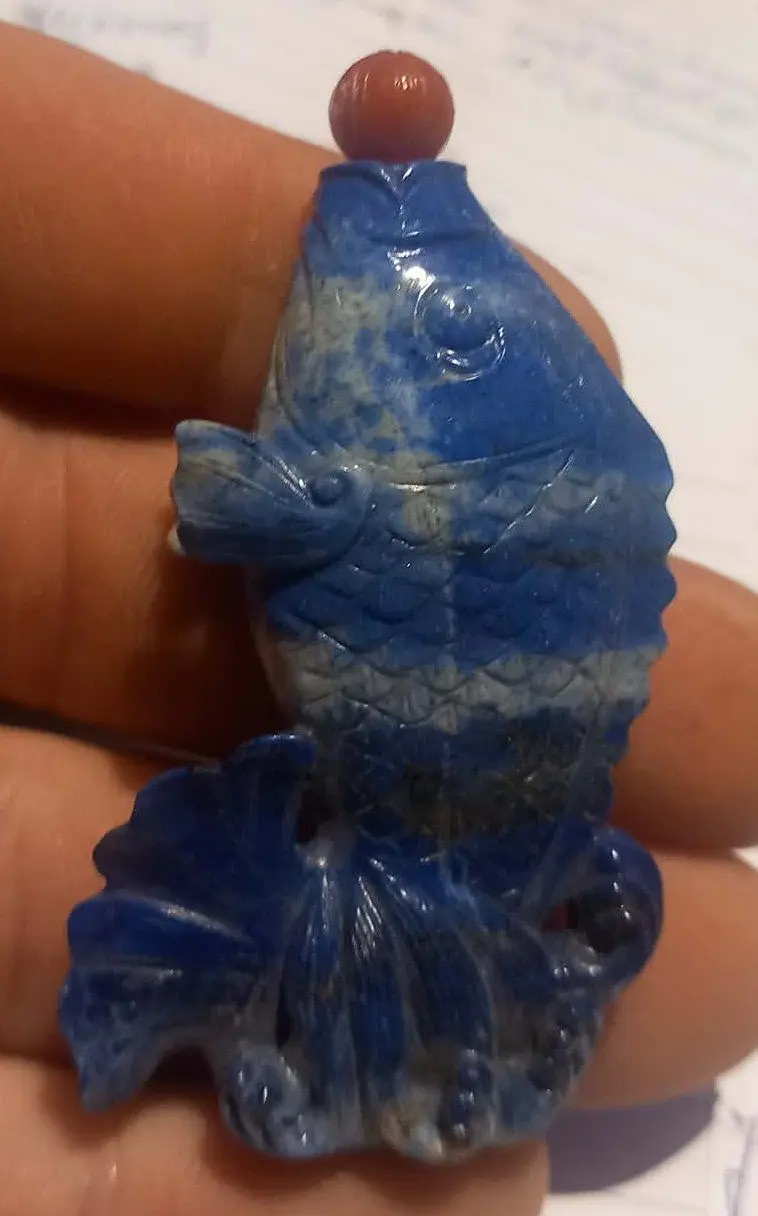
Chinese Lapis Lazuli Carp Pendant with Carnelian Bead
Estimated value
$35 - $85Rarity
Ordinary(3/10)Category
GemstonesEra
circa 1970-1990Origin
ChinaArtist / Creator
chinese snuifflesVisual assessment
Photo analysis
Save to revisit in your watchlist. This does not add the object to your own collection.
Chinese Lapis Lazuli Carp Pendant
A hand-carved pendant fashioned from lapis lazuli in the form of a leaping carp, measuring approximately 4 cm in height. The lapis displays a deep ultramarine color with significant grey-white calcite inclusions and visible flecks of brassy pyrite. A faceted or ribbed carnelian bead is mounted at the apex, likely concealing a drill hole for suspension. The carving employs a traditional 'yue long men' (carp jumping over the dragon gate) motif, featuring incised scales and a fan-shaped tail associated with mid-to-late 20th-century Chinese export lapidary work.
Related traditions
Chinese
Ming to Modern
The 'Carp jumping over the Dragon Gate' symbol is a traditional metaphor for academic and professional success.
Use and ceremony
BCE
Lapis was a luxury material reserved for high-ranking royalty due to its scarcity.
20th Century
Becomes a common material for decorative export items and wellness-oriented jewelry.
Origins and context
Lapis lazuli carving saw a major resurgence in the People's Republic of China during the 1970s and 1980s as the government-subsidized craft factories for the export market. The carp motif represents perseverance and success in Chinese culture, specifically referencing the legend of the Yellow River carp transforming into a dragon after leaping over the Dragon Gate. The inclusion of visible pyrite and calcite suggests the material grade was selected for mass-market decorative goods rather than high-jewelry artistic specimens common in the Qing dynasty.
Further details
The presence of pyrite flecks in the blue stone was historically called 'stars in the sky' and was used by ancient Egyptian pharaohs for amulets over 5,000 years ago.
During the 1970s export boom, Chinese craft factories produced thousands of these specific animal pendants for the Western 'New Age' and costume jewelry markets.
Attribution and evidence
Identification is high based on clear mineralogical markers (pyrite and calcite) and regional carving style, though the possibility of dye treatment cannot be ruled out from the image alone.
Identifying details
- 1Brassy pyrite inclusions visible on the fish head are diagnostic markers of genuine lapis lazuli over synthetic glass or plastic
- 2Stylized fan-tail carving and concentric eye rings are hallmarks of 20th-century Chinese lapidary workshops
- 3The 2.7-2.9 specific gravity feel is consistent with the lazurite/calcite/pyrite matrix
- 4Surface wear on high points indicates the item has been handled or worn as jewelry
Open questions
- •High calcite-to-lazurite ratio (the amount of white/grey) lowers the commercial gemstone grade considerably
- •Potential for blue dye enhancement to mask the grey calcite patches
Photographs that would help
- Acetone swab test in an inconspicuous area to check for blue dye transfer
- Verification under 10x magnification to confirm pyrite crystals are embedded and not painted
- Observation under UV light; calcite often fluoresces pink or orange, while lazurite remains inert
Terms in this record
- Calcite Inclusions
- The white or greyish mineral patches often found within lower-grade lapis lazuli.
- Pyrite
- Iron disulfide that appears as gold-colored flecks in lapis, often used to aid in authentication.
- Lapidary
- The art of cutting and polishing stones.
Wear and preservation
The carving exhibits a stable fracture line across the upper tail section and minor surface abrasions consistent with wear. The carnelian bead shows slight misalignment where it is glued to the lapis base.
Materials and construction
The surface is polished to a moderate gloss, showing a waxy luster characteristic of lapis lazuli. Significant calcite veining disrupts the blue lazurite ground, and micro-pitting is visible where softer minerals have eroded during the polishing process.
Recorded physical details
Estimated mass of 12-18 grams; the stone feels dense and cool to the touch, consistent with the specific gravity of lazurite at approximately 2.7 to 2.9.
Scarcity and surviving examples
Ordinary · 3/10 estimated rarity
This is a qualitative collection score, not a measured survival count, market percentile or proof of authenticity.
What the photographs establish
Interpretation of the photographs and supplied context. This does not authenticate the object.
- Common use of dyed sodalite as a lapis substitute in mass-market carvings
- Visible joinery for the red bead suggests modern adhesive use
- Natural calcite and pyrite suggest genuine stone, but lack of magnification prevents confirmation of dye treatment
Value and its basis
Estimate recorded: May 10, 2026
How we estimate value
Estimate context (not a documented sale): Similar 4-5cm Chinese lapis animal pendants sell regularly on eBay and Etsy in the $40–$75 range.
Collectors and interest
Collectors of mid-century Chinese export carvings and enthusiasts of symbolic semi-precious stone jewelry.
What supports the estimate
- •Intensity of the blue lazurite color (darker holds higher value)
- •Intricacy of the carving on the tail and fins
- •Authenticity of the carnelian accent stone
What could change it
- •Excessive grey/white calcite coverage compared to blue fields
- •Chips or cracks in the brittle lapis material
- •Evidence of synthetic dye treatments
Comparing quality
- •Uniform 'royal blue' color with zero visible calcite
- •Finely dispersed 'golden' pyrite
- •Detailed undercutting in the carving work
The effect of condition
Color saturation, mineral purity (minimal calcite), and crispness of the carving lines.
Market interest
For informational purposes only, not a formal appraisal.
Related objects
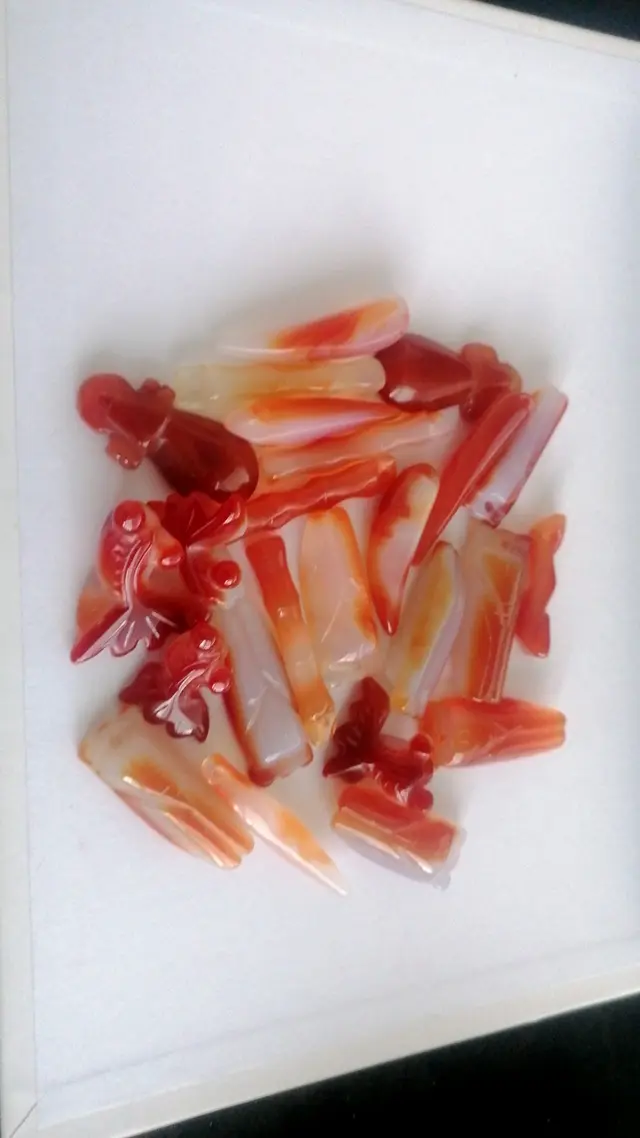
Mixed Lot of Carved Carnelian and Agate Cabochons/Pendant Blanks
Shared title details
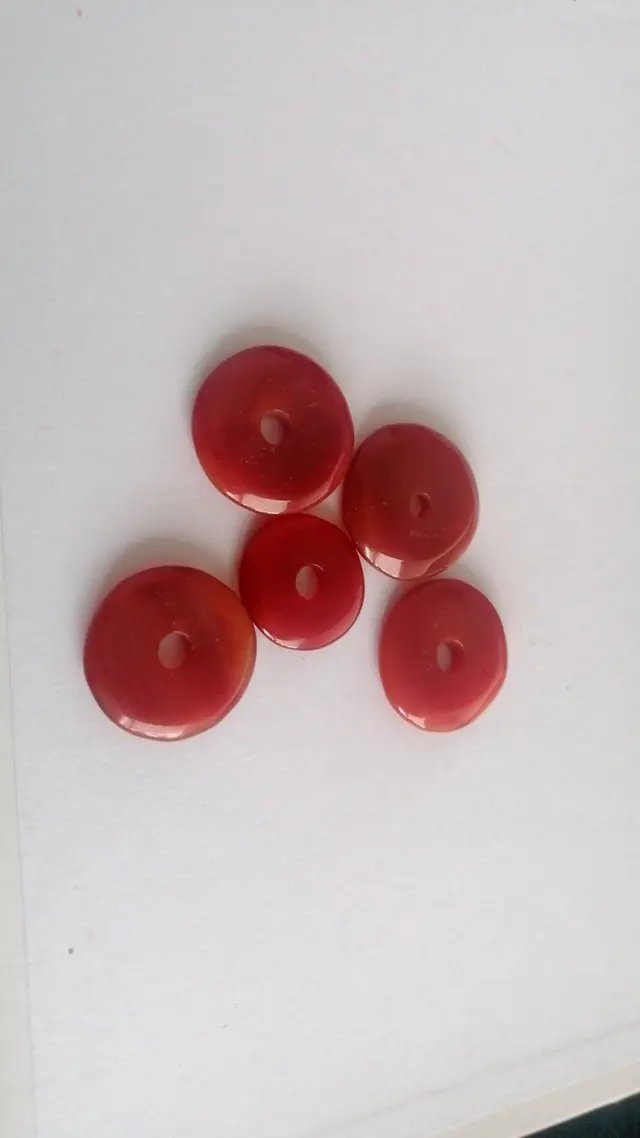
Carnelian Donut Beads
Same category
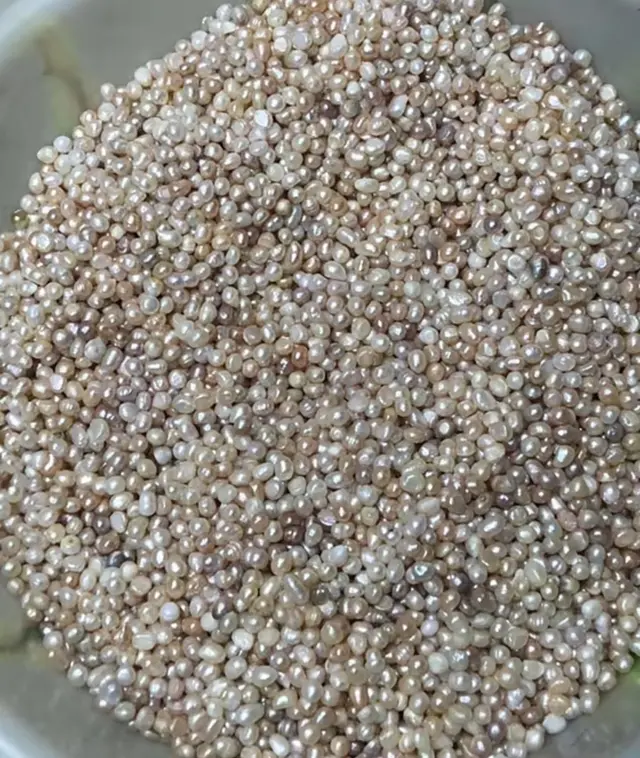
Chinese Freshwater Baroque Pearl Loose Parcel (500g)
Same category
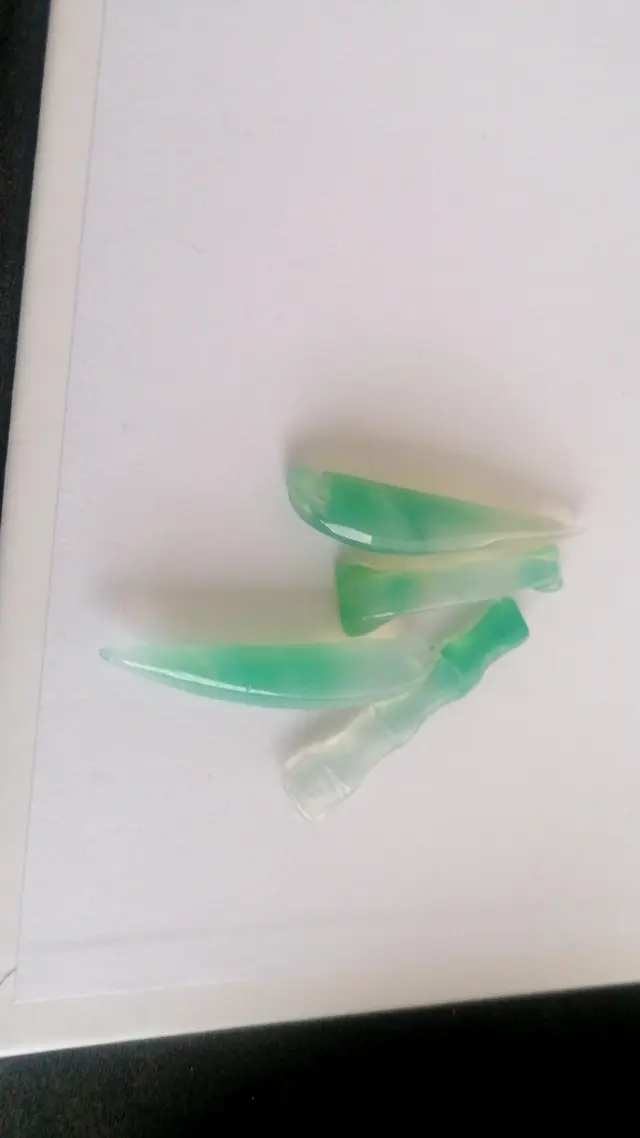
Chinese Jadeite or Chalcedony Tools/Ornaments
Same category
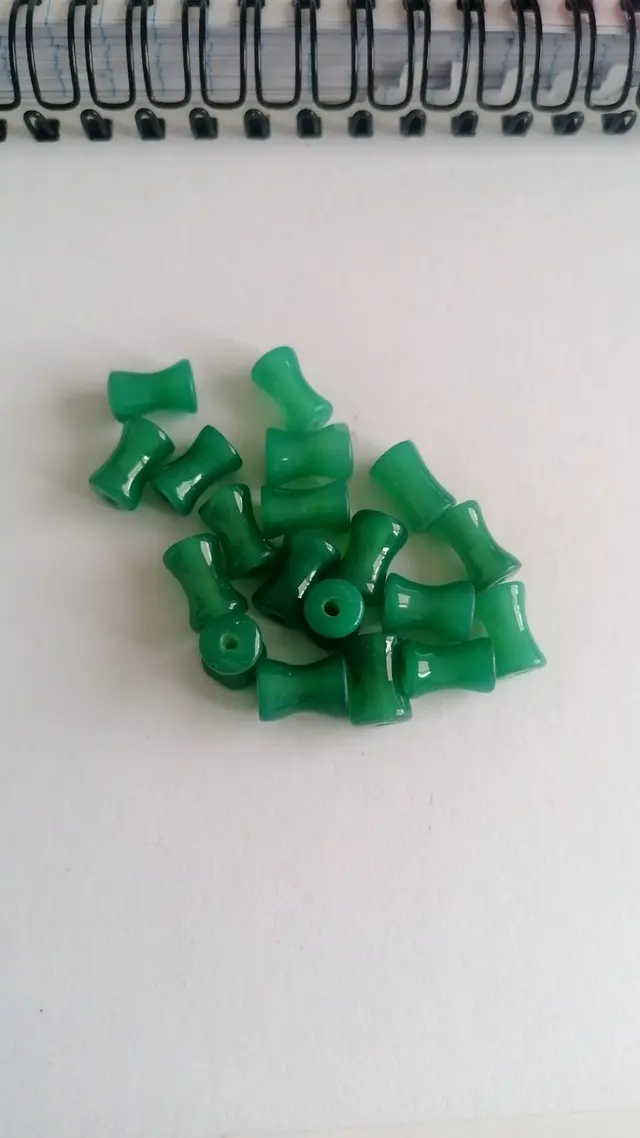
Green Agate Bi-Cone Beads
Same category
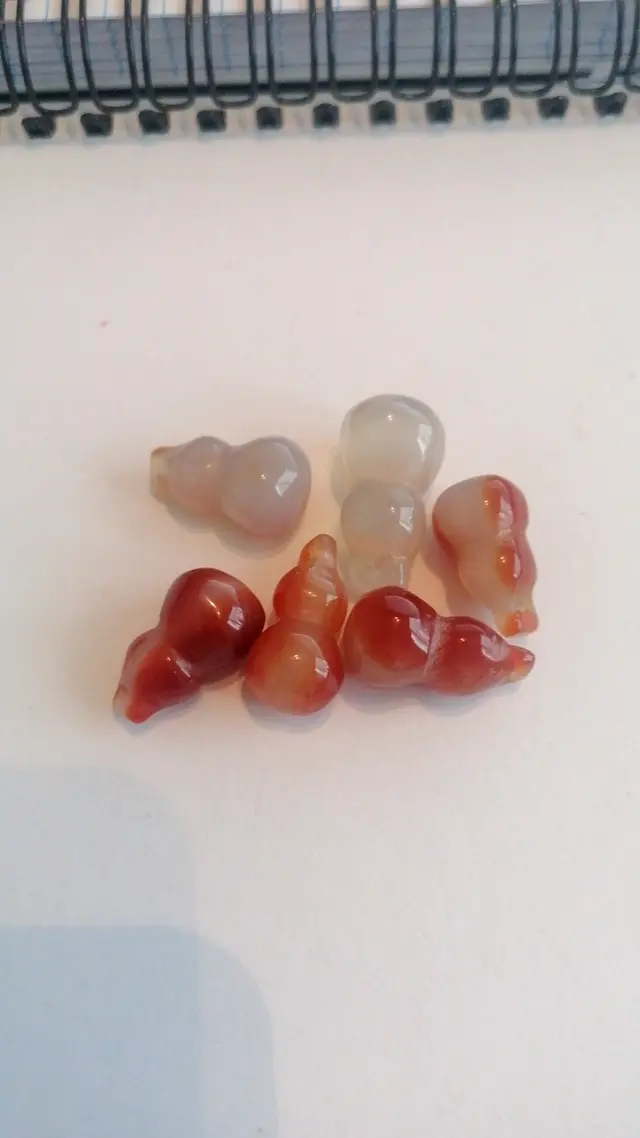
Carved Agate Gourd (Hulu) Beads/Charms
Same category
Explore Gemstones
Precious stones, semi-precious gems, minerals, crystals, and geological specimens.
Gemstones value and rarity guideShare this find
A place for your gemstones
Keep its photographs, maker’s marks and the story you know in one object record. Start with a photo.
Create an account for 10 free scans. No credit card needed.
Join the conversation
Recognise a detail or have a question? Add what you know and cite your source. Suggested corrections stay in the discussion for the owner or a moderator to review.
Sign in to leave a comment
Sign in