How do I identify genuine Tiffany Studios metalwork?
Tiffany Studios (active 1902 to 1932) marked most pieces with 'TIFFANY STUDIOS NEW YORK' followed by a model number. The stamp is typically found on the base of desk sets, candlesticks, and lamp bases. Bronze pieces have a characteristic dark patina (usually brown-green) that develops naturally over time. Genuine Tiffany bronze uses a specific alloy that produces fine, detailed casting. Desk set pieces (blotter ends, pen trays, letter racks) in the 'Zodiac,' 'Pine Needle,' or 'Grapevine' patterns sell for 200 to 3,000 dollars per piece. Complete desk sets of 8 to 12 pieces can reach 5,000 to 20,000 dollars. Lamp bases without shades sell for 1,000 to 10,000 dollars depending on model complexity.
What silver hallmarks should I learn first?
Start with the three most common systems. British hallmarks: lion passant (sterling silver,.925 purity), anchor (Birmingham assay office), leopard's head (London), date letter (changes annually, different font series by assay office). Continental European: '800' or '925' purity numbers, country-specific marks (French Minerva head for.950 silver). American: 'STERLING' or '925' stamp, plus maker's mark (Tiffany & Co., Gorham, Reed & Barton). The most useful reference is 'Bradbury's Book of Hallmarks' for British silver. For dating, the British date letter system is extremely precise, allowing identification to a specific year. Learning to read hallmarks is the single most valuable skill for silver collectors.
Is Murano glass still collectible in 2026?
Murano glass from the 1950s through 1970s by top maestros remains collectible. Venini pieces designed by Paolo Venini, Fulvio Bianconi, and Tapio Wirkkala sell for 2,000 to over 50,000 dollars. Seguso, Barovier & Toso, and Archimede Seguso pieces are strong in the 5,000 to 30,000 dollar range for important forms. The market differentiates sharply between documented studio glass by known masters and the tourist-grade Murano production that flooded the market. Authentication relies on recognizing specific techniques (sommerso, zanfirico, murrine) combined with form identification against published catalogs. Modern Murano production continues but rarely achieves the artistic ambition of the mid-century golden age.
How should I care for antique silver?
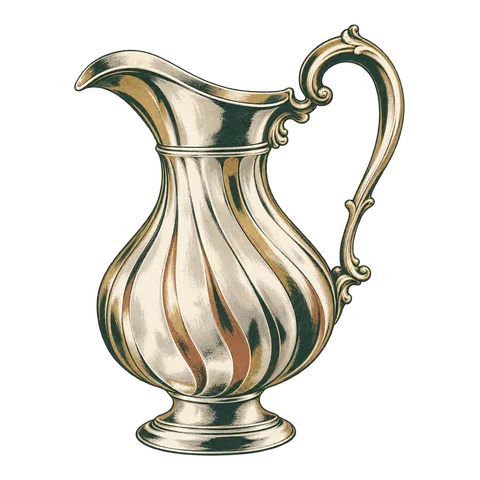
Regular gentle polishing with a quality silver cream (Hagerty, Goddard's, Wright's) prevents heavy tarnish buildup that requires abrasive cleaning. Never use dip solutions on antique silver, as they strip patina from hallmarks and decorative details. Never put antique silver in a dishwasher. Store in acid-free tissue or Pacific Silvercloth anti-tarnish bags. For display, maintain 40 to 50 percent relative humidity. Avoid rubber bands, which cause irreversible black sulfide staining. Do not attempt to remove dents yourself: professional silversmith repairs maintain value while amateur hammering can cause stress fractures. For heavily tarnished pieces with historical patina, consult a conservator before polishing, as the patina may have value in itself.
What Art Nouveau decorative objects are most sought after?
Émile Gallé cameo glass vases (acid-etched multilayer glass, produced 1885 to 1904) lead the Art Nouveau decorative market at 1,000 to over 100,000 dollars depending on complexity and size. Daum Nancy glass, particularly items with applied decoration (snails, insects, berries), sells for 2,000 to 50,000 dollars. René Lalique pre-war glass (before his shift to industrial production) commands 3,000 to over 100,000 dollars for rare forms. In metalwork, WMF (Württembergische Metallwarenfabrik) Art Nouveau pewter and silver plate is accessible at 200 to 3,000 dollars. Loetz iridescent glass competes with Tiffany Favrile at lower price points. Liberty & Co. Tudric pewter (designed by Archibald Knox) is a strong mid-market category at 200 to 5,000 dollars.
How do I tell pressed glass from hand-blown glass?
Pressed glass (made by forcing molten glass into a mold) has telltale seam lines where mold sections meet, a stippled or textured background (designed to imitate cut glass), and uniform thickness throughout the piece. Hand-blown glass shows slight irregularities: small air bubbles, uneven thickness, a polished pontil mark on the base (where the blowing rod was detached), and no mold seams. Cut glass has sharp edges on the decorative patterns (pressed glass patterns feel smooth or rounded). The distinction matters enormously for value: a hand-blown 18th-century wine glass can be worth 500 to 5,000 dollars, while a pressed glass imitation from 50 years later might sell for 20 to 50 dollars. Holding glass to light reveals internal bubble patterns and thickness variations.