What is the difference between PSA, BGS, and CGC grading?
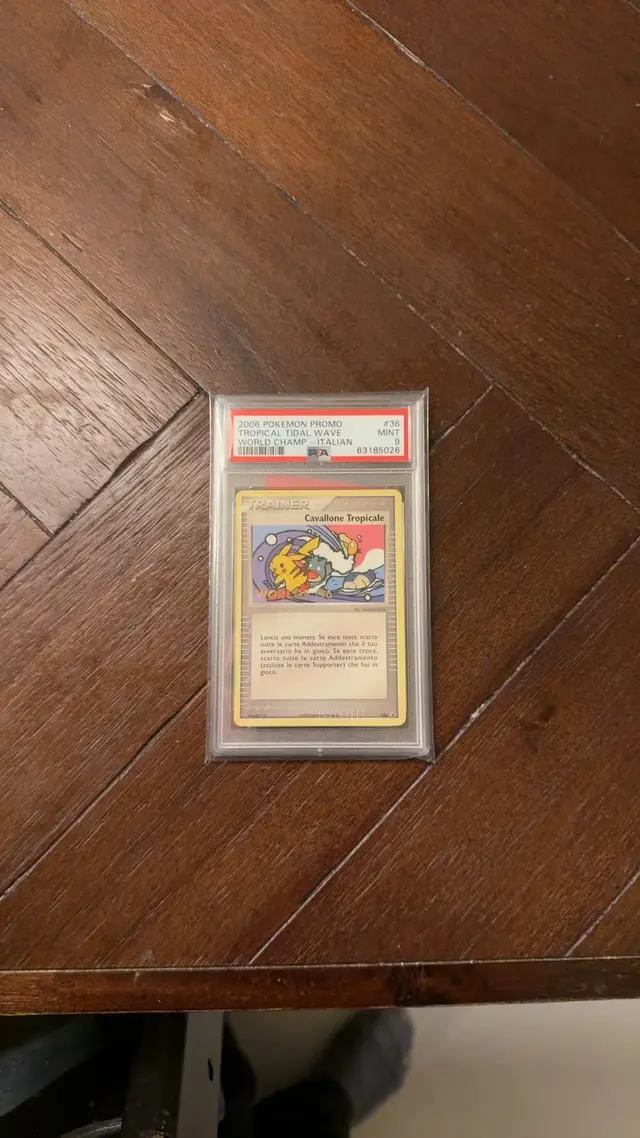
PSA (Professional Sports Authenticator) uses a 1 to 10 scale and dominates the sports card market with the highest liquidity and price premiums. BGS (Beckett Grading Services) uses a 1 to 10 scale with half-point increments and provides sub-grades for centering, corners, edges, and surface. A BGS 10 'Pristine' (also called 'Black Label' when all sub-grades are 10) commands the highest premiums across all services. CGC (Certified Guaranty Company, traditionally for comics) entered the card market in 2020 and uses a 1 to 10 scale. As of 2026, a PSA 10 typically sells for 10 to 30 percent more than a CGC 10 of the same card. BGS 9.5 is roughly equivalent to PSA 10 in market value. Turnaround times range from 5 days (express) to 6 months (economy).
How do I identify first edition Pokémon cards?
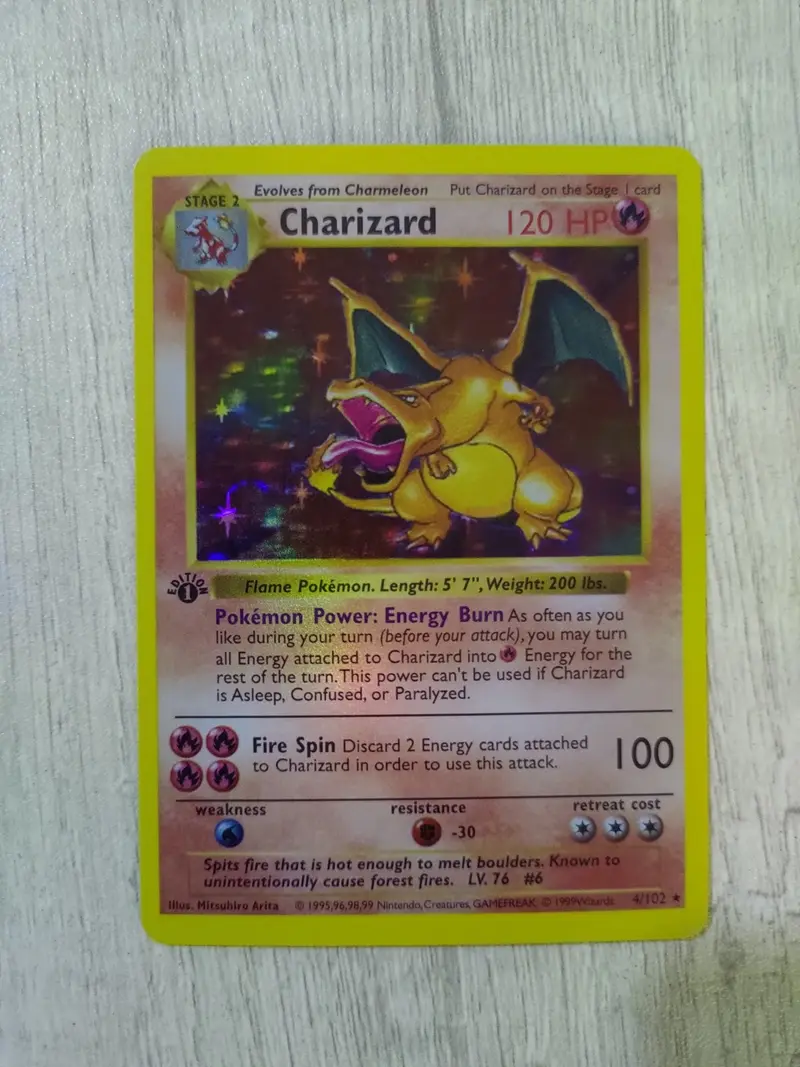
First edition Base Set cards (released January 1999 in English) are identified by a small '1st Edition' stamp on the left side of the card, below the illustration frame. The stamp appears as a black circle with '1' inside and 'EDITION' below. Shadowless cards (also early printing, slightly later than 1st Edition) lack the drop shadow on the right side of the illustration box that appears on unlimited printings. The most valuable is the 1st Edition Base Set Charizard (Holo, card number 4/102): PSA 10 examples have sold for over 400,000 dollars. Japanese 1st Edition Base Set cards predate the English release and have a different market with prices 20 to 40 percent lower than English equivalents for comparable grades.
Are modern Pokémon cards worth collecting?
Modern Pokémon sets (2020 onward) have produced individually valuable cards, but the market is fundamentally different from vintage. The Illustration Rare and Special Art Rare cards introduced in the Sword & Shield and Scarlet & Violet eras can reach 100 to 500 dollars in PSA 10. However, print runs are vastly larger than vintage sets, limiting long-term scarcity. The most investment-worthy modern strategy is sealed product: booster boxes of popular sets (Evolving Skies, 151, Obsidian Flames) appreciate once out of print. A sealed Evolving Skies booster box, which retailed for 144 dollars, sells for over 400 dollars in 2026. Japanese cards consistently command premiums for their superior print quality and more limited distribution.
What makes a Magic: The Gathering card valuable?
The earliest sets define the MTG market. Alpha (1993, approximately 1,100 of each rare printed) and Beta (1993, approximately 3,200 of each rare) cards are the most valuable. A BGS 9.5 Alpha Black Lotus has sold for over 500,000 dollars. The Power Nine (Black Lotus, five Mox cards, Time Walk, Timetwister, Ancestral Recall) are the most sought-after cards. Beyond Alpha and Beta, Unlimited, Arabian Nights, Antiquities, and Legends contain key cards worth thousands. Reserved List cards (cards Wizards of the Coast promised never to reprint) maintain scarcity-driven value. The playability factor also matters: cards legal in competitive formats (Legacy, Commander) have demand from both collectors and players, supporting prices.
How do I protect my trading card collection from damage?
Use penny sleeves (soft clear plastic) as the innermost protection, then rigid toploaders or semi-rigid holders for valuable singles. For cards worth over 50 dollars, consider one-touch magnetic cases. Store in temperature and humidity controlled environments (65 to 70 degrees Fahrenheit, 40 to 50 percent humidity). Avoid binders with ring mechanisms that can dent cards. Use side-loading binder pages to prevent top-sliding. Never rubber-band cards together. For long-term storage, use BCW or Ultra Pro card storage boxes with dividers. Keep away from sunlight (UV damage fades ink and yellows card stock within weeks). Handle valuable cards by the edges only, using clean, dry hands or cotton gloves. Sealed product should be stored in boxes to prevent shelf wear.
What sports cards should a new collector focus on?
Start with rookie cards of active players you follow, in the 50 to 500 dollar range for PSA 8 or 9 graded examples. Basketball offers strong entry points: Panini Prizm base rookies of promising players are accessible at 20 to 100 dollars in raw (ungraded) condition. Baseball's Topps Chrome and Bowman Chrome lines are the modern standard. Football's Prizm Silver parallels have become the default rookie card to own. Avoid 'investing' in unproven rookies based on hype. Instead, buy players with 3 to 5 years of established performance whose cards have stabilized in price. Vintage collectors should consider 1970s and 80s stars in PSA 7 or 8, which offer affordability (50 to 300 dollars) with stable long-term value.