
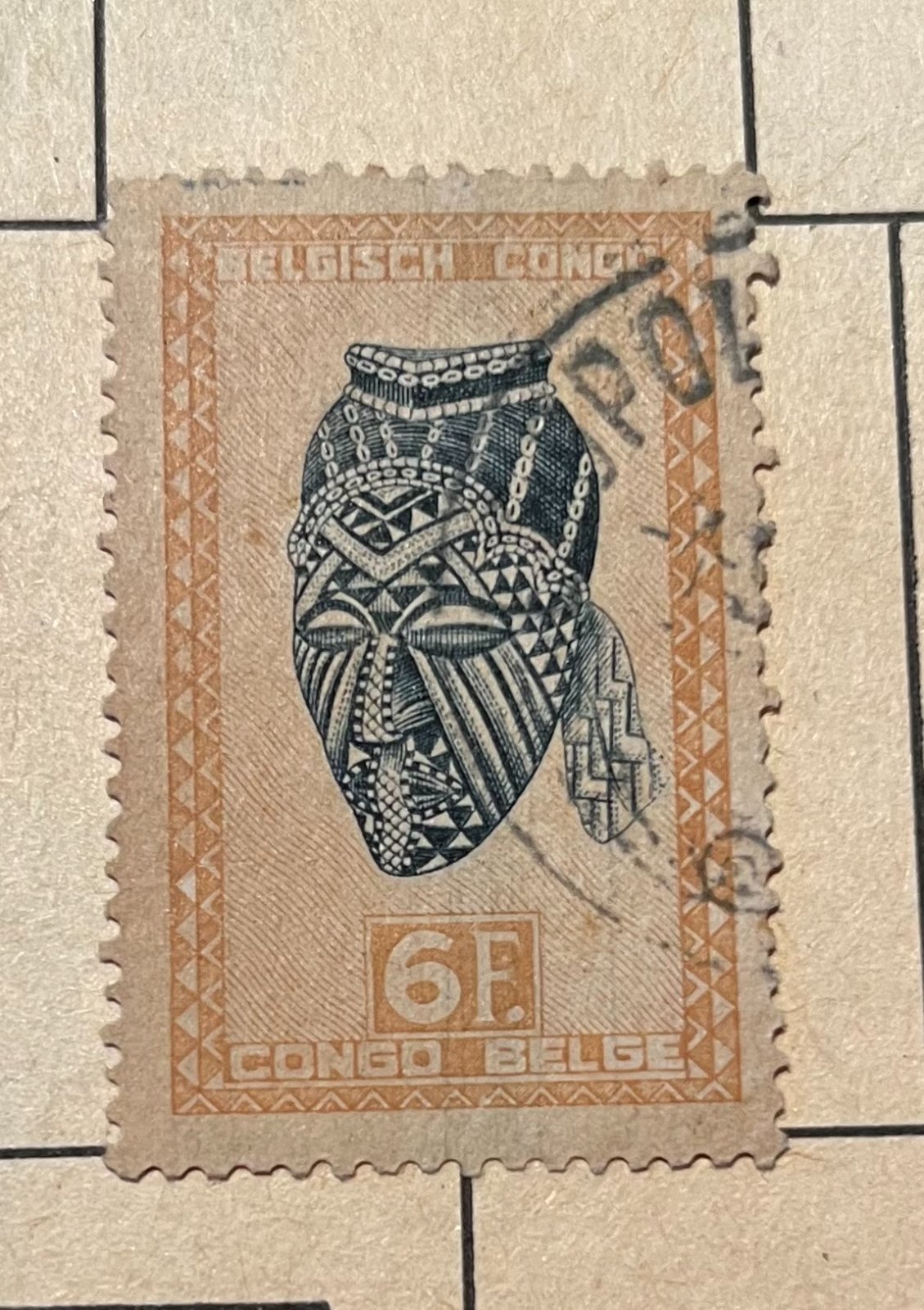
Belgian Congo, Queen Elisabeth Mask Issue (1928-1930) - 6 Francs
Estimated value
$10 - $30Rarity
Average(4/10)Category
StampsBrand
Belgian Congo Postal AdministrationEra
1928-1930Origin
CDVisual assessment
Photo analysis
Save to revisit in your watchlist. This does not add the object to your own collection.
Belgian Congo
This is a postal stamp issued by the Belgian Congo, featuring a stylized African tribal mask within a decorative border. The denomination '6F' for 6 Francs is prominently displayed at the bottom, and 'BELGISCH CONGO' and 'CONGO BELGE' (Dutch and French for Belgian Congo) are visible at the top and bottom respectively. The stamp features perforations on all four sides. There appears to be a partial cancellation mark, indicating it was used for postage.
Related traditions
Colonial Philately
Late 19th - Mid 20th Century
Many colonial powers issued stamps celebrating the 'exotic' nature of their territories, often depicting local art, wildlife, and landscapes, which served both as revenue generation and a form of soft power.
African Art (Luba, Kuba, Hemba)
The mask depicted on the stamp draws from the rich traditions of Central African tribal art, where masks are integral to ceremonies, rituals, and social life, representing ancestral spirits or deities. While generalized here, careful study could link it to specific ethnic group motifs.
Use and ceremony
Colonial Period (Late 19th - Mid 20th Century)
These stamps represented the Belgian colonial government's presence and authority, while simultaneously depicting elements of the indigenous culture they governed.
Post-Colonial Era (Late 20th Century Onwards)
These stamps are now viewed as historical artifacts, subject to re-evaluation in the context of decolonization and the historical impact of European rule on African nations.
Origins and context
The Belgian Congo issues of 'Native Masks' featuring Queen Elisabeth and various tribal masks were released between 1928 and 1930. These stamps are notable for their depiction of local culture, a common theme in colonial issues, often serving to highlight the 'exotic' nature of the territories. This particular design, featuring the mask, was part of a broader set that included various denominations and designs.
Further details
The 'Queen Elisabeth Mask' series controversially combined the image of the European monarch with indigenous African art, reflecting the complex colonial identity of the era.
This series was part of a larger trend in philately where colonial powers would depict local flora, fauna, and cultural elements on their stamps, often for propaganda and revenue generation.
Attribution and evidence
Confidence is high due to the clear identification of the issuing entity, denomination, and specific design characteristic of the Belgian Congo 'Mask' series. Further details such as exact catalog variant and paper characteristics would require physical inspection.
Identifying details
- 1Clear 'BELGISCH CONGO' and 'CONGO BELGE' text identifies the issuing authority.
- 2The '6F' denomination is visible.
- 3The design featuring a tribal mask is characteristic of the 1928-1930 issues.
- 4The presence of perforations suggests a genuine postage stamp.
- 5A partial cancellation mark indicates it has been used postally.
Open questions
- •The exact year of issue within the 1928-1930 range cannot be determined from the images alone without examining the catalog number.
- •The quality and type of paper, as well as the presence of any watermarks, are not discernible from the provided images.
- •The cancellation mark is partial, preventing identification of the postmark details which could aid in dating and authenticity.
Photographs that would help
- Use a perforation gauge to accurately measure the perforations.
- Perform a watermark test to identify any watermarks on the paper.
- Check the reverse side for gum condition (Original Gum, Never Hinged, heavily hinged, regummed).
- Consult a specialized Scott, Stanley Gibbons, or Michel catalog for the Belgian Congo issues to pinpoint the exact catalog number, color variety, and specific issue date based on the image and known variants.
Terms in this record
- Perforation Gauge
- A tool used by philatelists to measure the number of perforations (teeth) per two centimeters along the edge of a stamp, classifying it into specific catalog varieties.
- Watermark
- A faint design impressed into paper during manufacturing, often used as a security feature on stamps. It can indicate the age and origin of the stamp and is detected by holding the stamp up to light or using a specialized fluid.
- Cancellation
- A mark applied by a postal authority to a postage stamp to indicate that it has been used and prevent its reuse. It can be a postmark with date and location, or a purely defacing mark.
Wear and preservation
The stamp exhibits good, even perforations on all sides. Centering appears to be decent, with the design roughly equidistant from the perforations. A partial cancellation mark is present, obscuring the upper right portion, which indicates it is a 'used' stamp. There are no visible tears or major creases, though handling marks or minor toning due to age might be present upon closer inspection.
Scarcity and surviving examples
Average · 4/10 estimated rarity
This is a qualitative collection score, not a measured survival count, market percentile or proof of authenticity.
What the photographs establish
Interpretation of the photographs and supplied context. This does not authenticate the object.
- The design is consistent with known issues for Belgian Congo.
- The partial cancellation reduces the likelihood of it being a modern forgery printed as unused.
- This particular denomination and series is not among the highest-value stamps, making large-scale forgery less profitable.
Value and its basis
Estimate recorded: Feb 27, 2026
How we estimate value
- No documented comparable sales are shown for this estimate
- Condition, completeness & craftsmanship
- Demand assumptions may not reflect current transactions
- The range is an estimate, not an asking price or sale result
For informational purposes only, not a formal appraisal.
Related objects
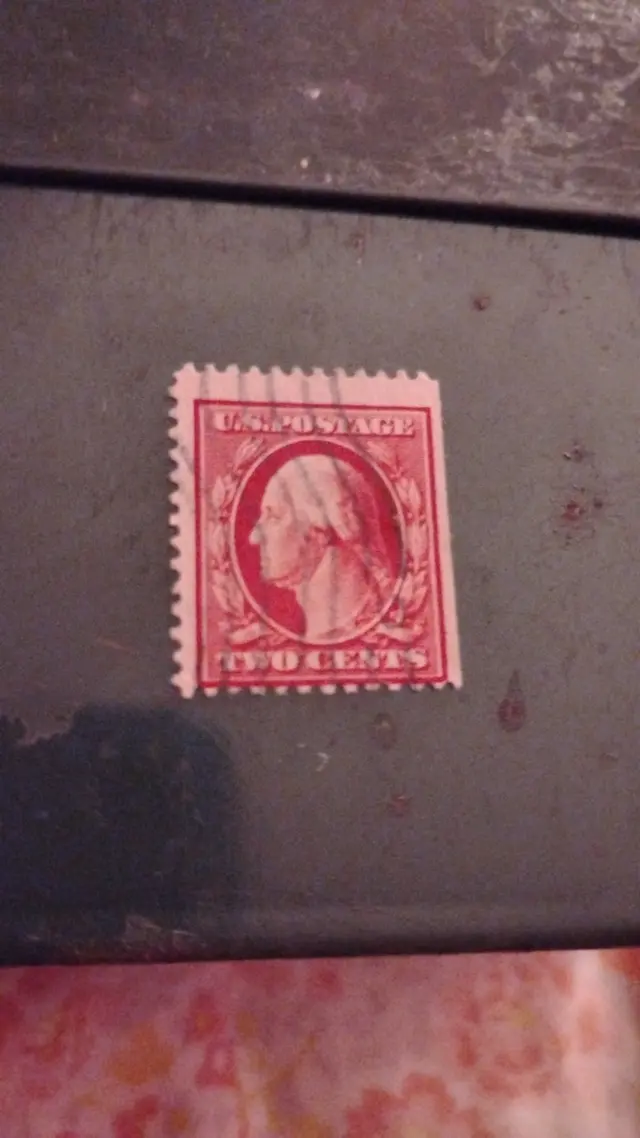
US 2-Cent Washington "First Bureau Issue"
Same category
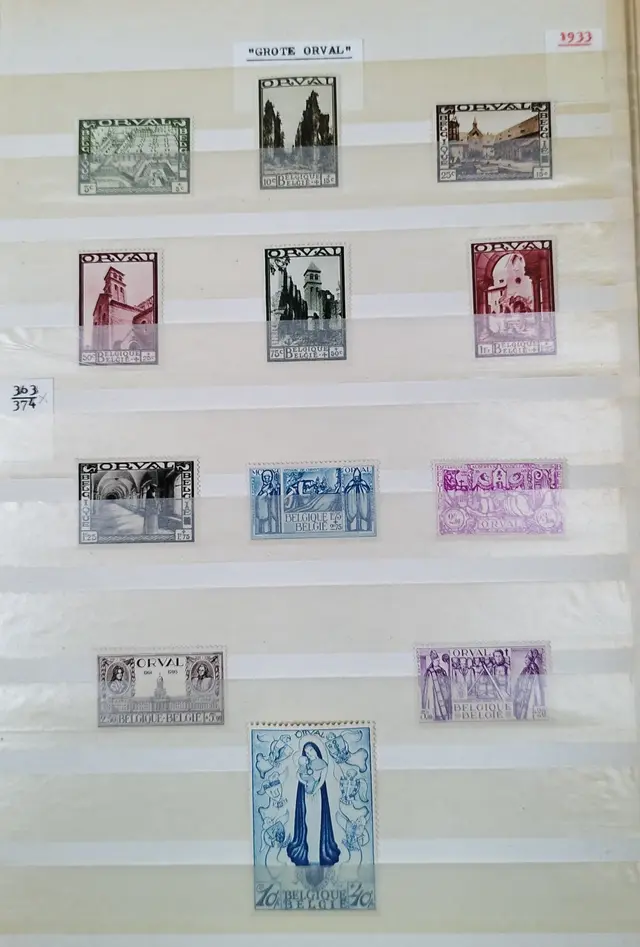
Belgian Postal Collection (1918-1933 Issues)
Same category
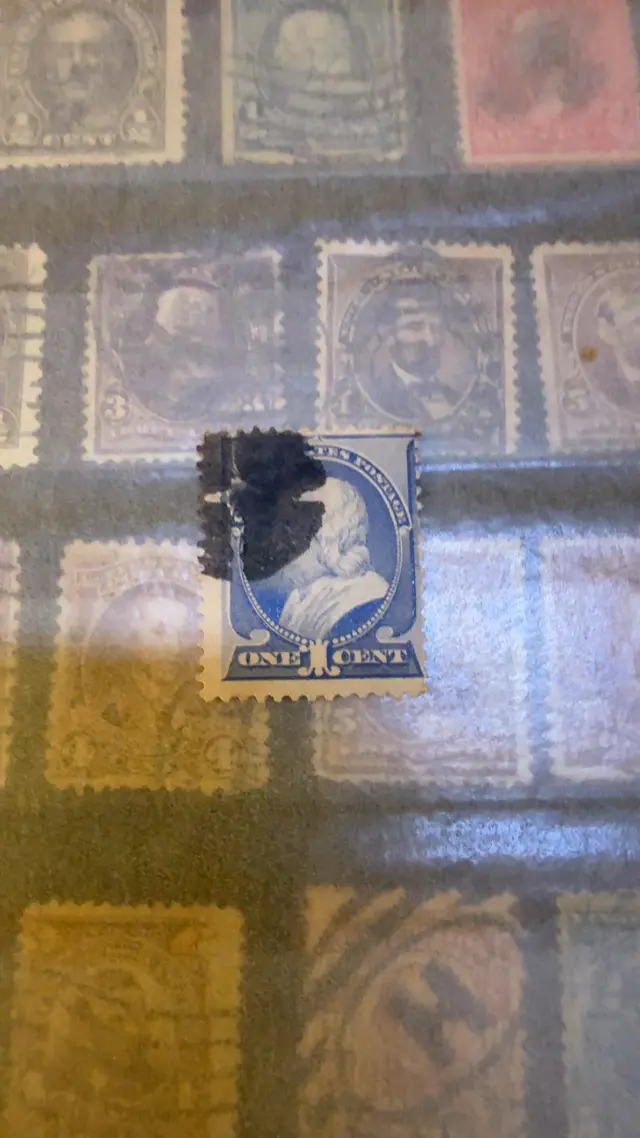
United States 1898 Trans-Mississippi Exposition Issue (Scott #285-293)
Same category
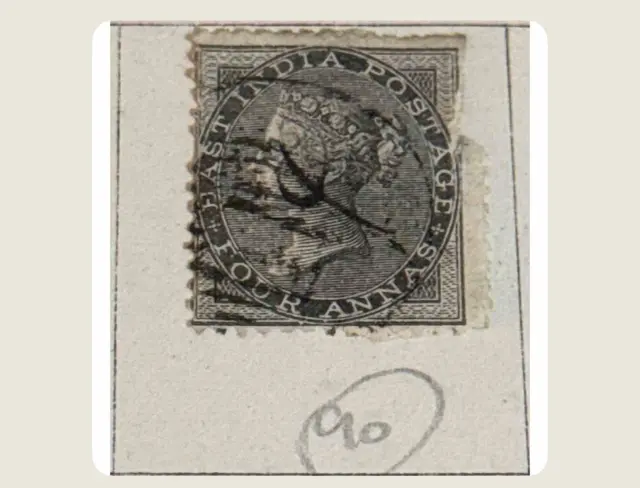
British India Queen Victoria Stamps & Postal Stationery Cut-Squares
Same category
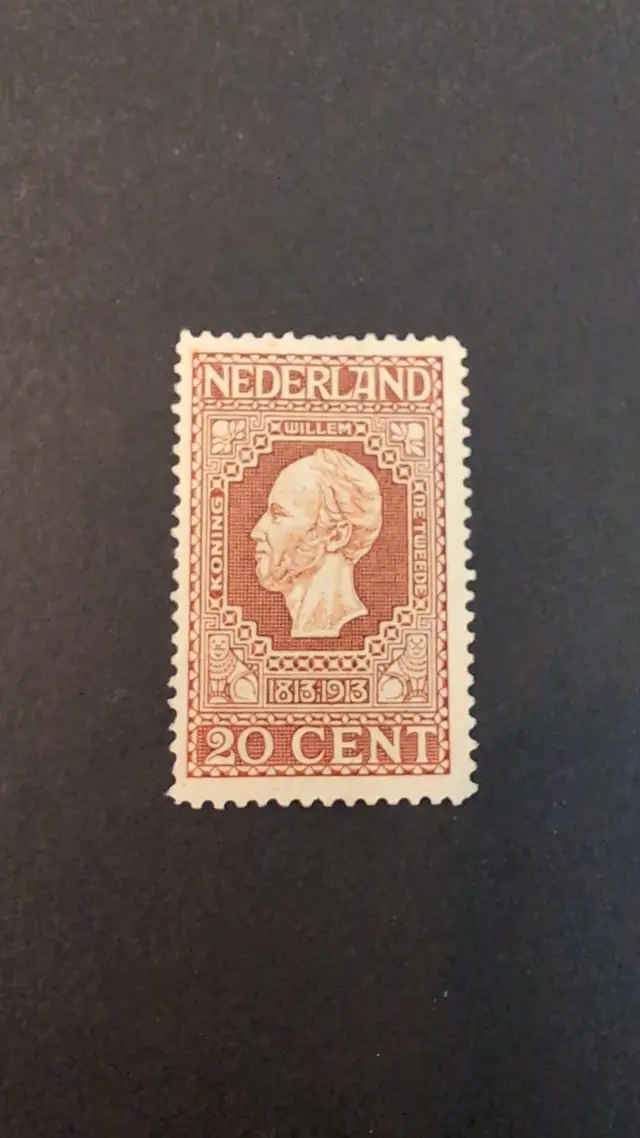
Netherlands King William II Centenary Issue (Scott #101) 1913 - 20 Cent
Same category
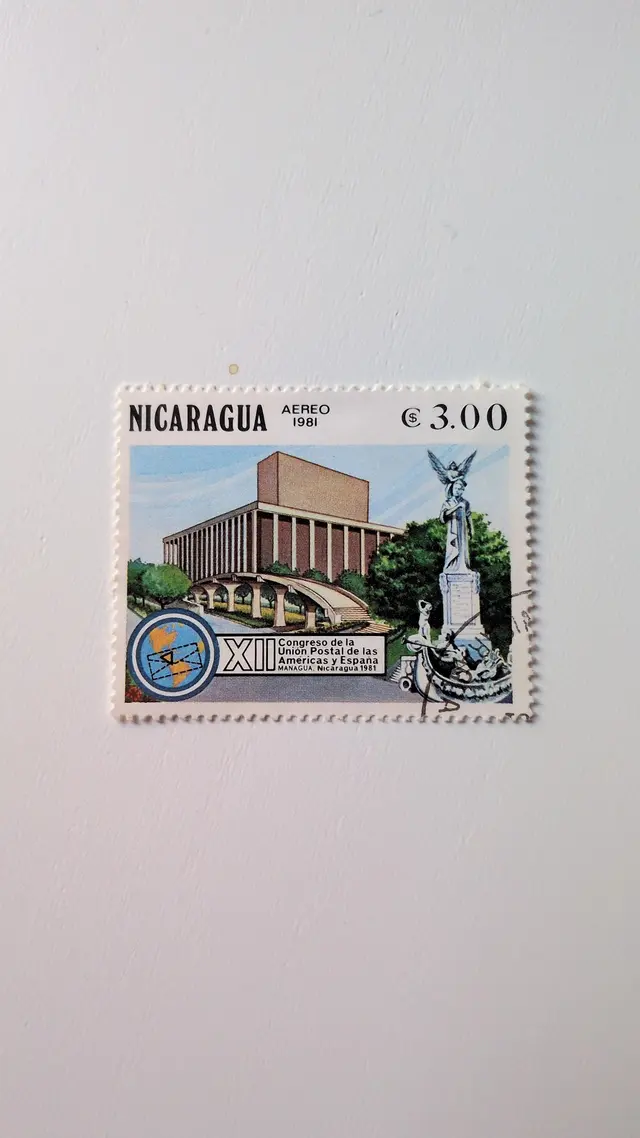
Nicaragua Aereo 1981 Postal Union Congress Commemorative Stamp
Same category
Explore Stamps
Rare stamps, postal history, first day covers, and philatelic treasures.
Stamps value and rarity guideShare this find
A place for your stamps
Keep its photographs, maker’s marks and the story you know in one object record. Start with a photo.
Create an account for 10 free scans. No credit card needed.
Join the conversation