
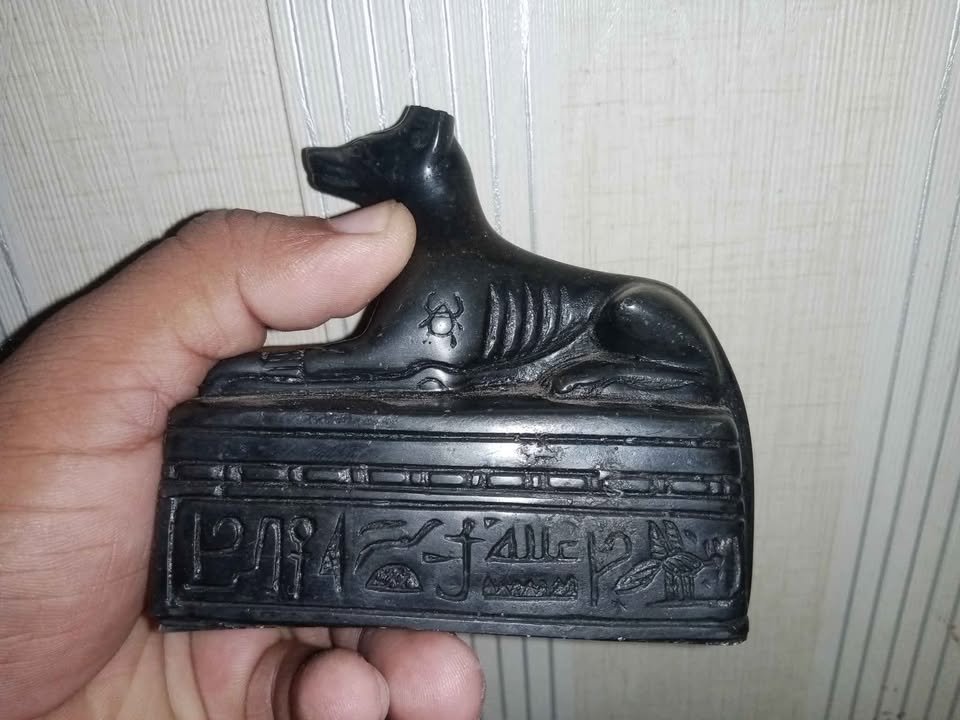
Egyptian-style recumbent jackal figure on inscribed base
Visual assessment
Photo analysis
Save to revisit in your watchlist. This does not add the object to your own collection.
Egyptian-style recumbent jackal figure on inscribed base
A recumbent black jackal rests on a rectangular base decorated with hieroglyph-like signs. The pose recalls Egyptian depictions of Anubis, the jackal-associated funerary deity. A beetle motif appears on the figure's shoulder. The dark material and the function of the base are not established by the photograph. The signs are visible but not read here, so their meaning and whether they form a real inscription cannot be confirmed from the photograph alone.
Origins and context
In ancient Egyptian imagery, Anubis was associated with embalming and the protection of the dead and could be represented as a recumbent jackal. Egyptian-style figures and bases sometimes include hieroglyphic inscriptions or pseudo-hieroglyphic decoration, but the visible signs here are not legible enough to identify or translate from the photograph alone.
Attribution and evidence
The jackal form and Egyptian-style ornament make the subject reasonably clear, but the photograph does not identify the maker, material or age. The exact object's scarcity is also unestablished, so the rarity assessment is cautious.
Identifying details
- 1The reclining canine and Egyptian-style signs support an Anubis-inspired identification.
- 2A beetle is visible on the shoulder, but its presence does not identify a maker or period.
- 3No maker's mark or construction view is visible.
Open questions
- •Whether the base opens or has another function is not visible.
- •The composition and date of the dark material remain unresolved.
Photographs that would help
- Photograph the underside, reverse and both ends, including any marks or joins.
- Provide close, evenly lit photographs of the head and inscription to clarify the edge and individual signs.
- If an ancient origin is claimed, seek a qualified specialist's examination and review of any provenance documents.
Wear and preservation
A provisional visual judgment of the exposed side only; no independent condition grade is supplied.
Small light-colored scuffs and irregularities are visible on the base and figure. The top of the head has an uneven edge, but the view does not establish whether it is damaged or part of the design. The underside, reverse and other side are not shown.
Materials and construction
The dark, glossy surface carries raised and recessed ornament, including the shoulder beetle and signs on the base. The photograph does not resolve whether these details were molded, carved or worked by another method.
Scarcity and surviving examples
Ordinary · 3/10 estimated rarity
This is a qualitative collection score, not a measured survival count, market percentile or proof of authenticity.
What the photographs establish
Interpretation of the photographs and supplied context. This does not authenticate the object.
- The age, material and maker are unverified; Egyptian-style imagery alone cannot distinguish an older object from a later decorative piece.
- The base inscription is not sufficiently clear to establish a reading or date.
Value and its basis
Estimate recorded: Nov 14, 2026
How we estimate value
Collectors and interest
Collectors of Egyptian-inspired decorative objects may be interested in the jackal motif.
What supports the estimate
- •Recognizable Anubis-inspired subject and complete-looking base composition
- •A legible maker's mark or reliable documentation could support a more specific attribution
What could change it
- •The indicative estimate assumes an ordinary decorative object, not a documented ancient artifact or precious material.
- •Unseen damage, an incomplete head or a common modern material could reduce value; the range is not based on supplied comparable sales.
Comparing quality
- •Documented maker and age
- •Complete figure with intact details and minimal surface loss
The effect of condition
Condition depends on whether the head edge is intact, the extent of scuffs or losses, and the condition of the unseen base and reverse. The indicative range is conditional on ordinary decorative manufacture and visible condition.
Market interest
For informational purposes only, not a formal appraisal.
Related objects
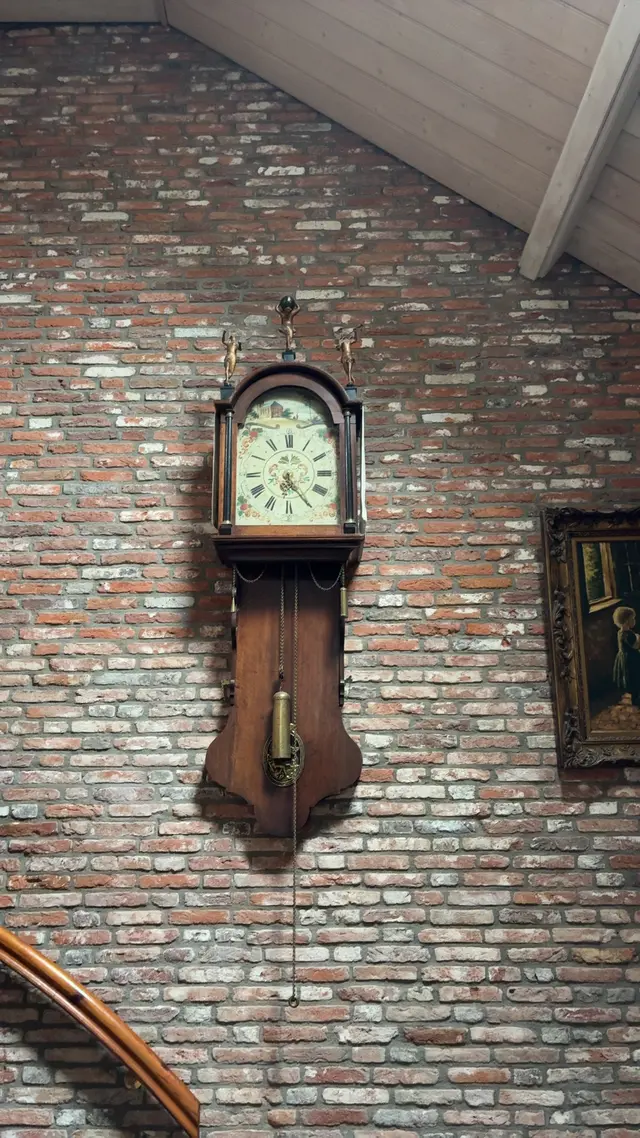
Dutch or German Wall Clock (Laterndluhr Style) with Painted Dial
Same category
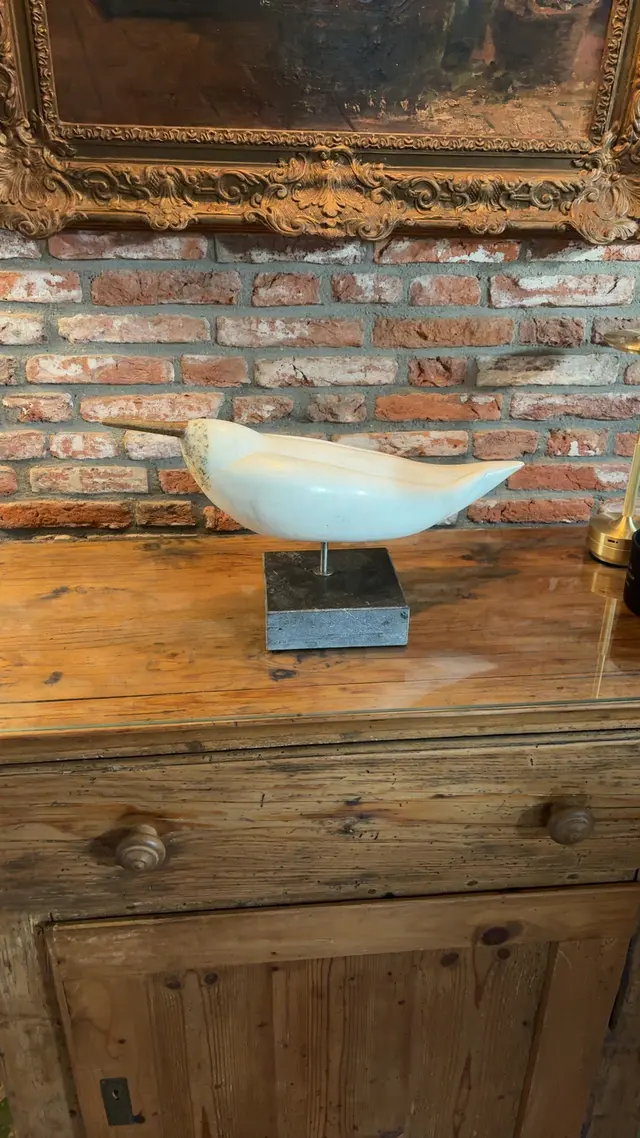
Marble Bird Sculpture on Marble Base
Same category
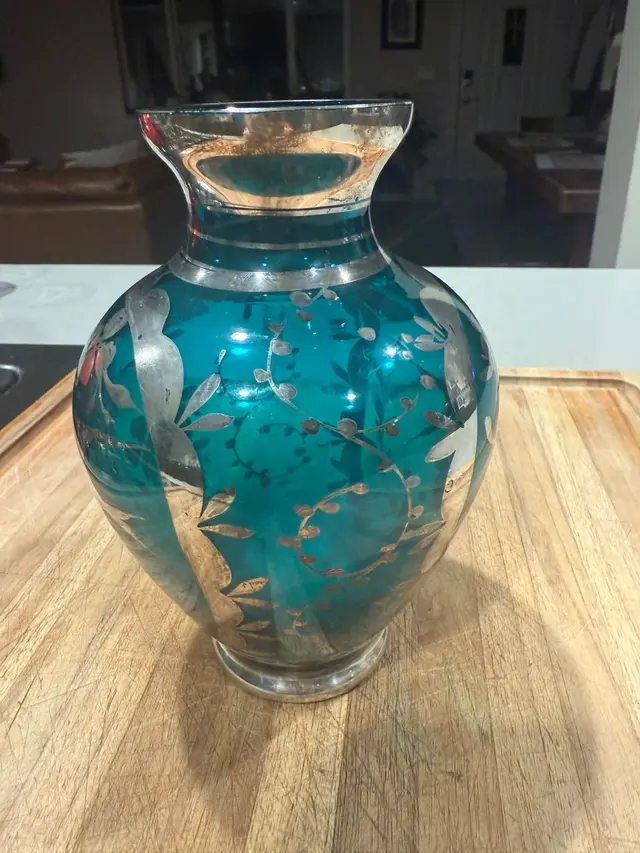
Silver Overlay Teal Glass Vase - Art Nouveau Style Floral Motif
Same category

Moai-style head sculpture
Same category
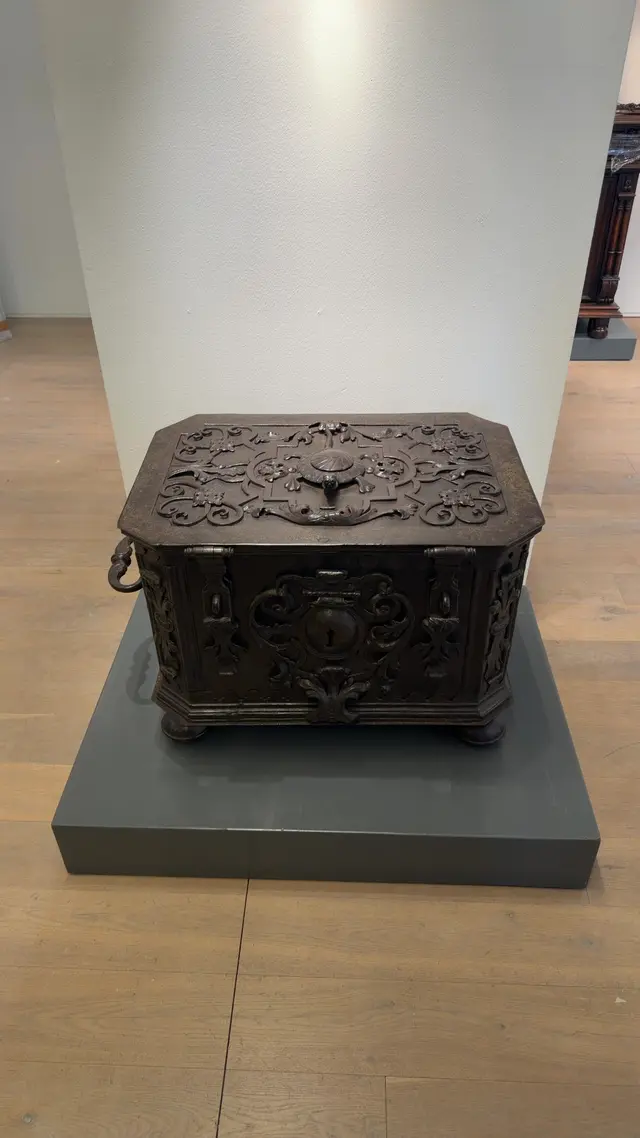
German Renaissance-Style Pierced Iron Strongbox
Same category
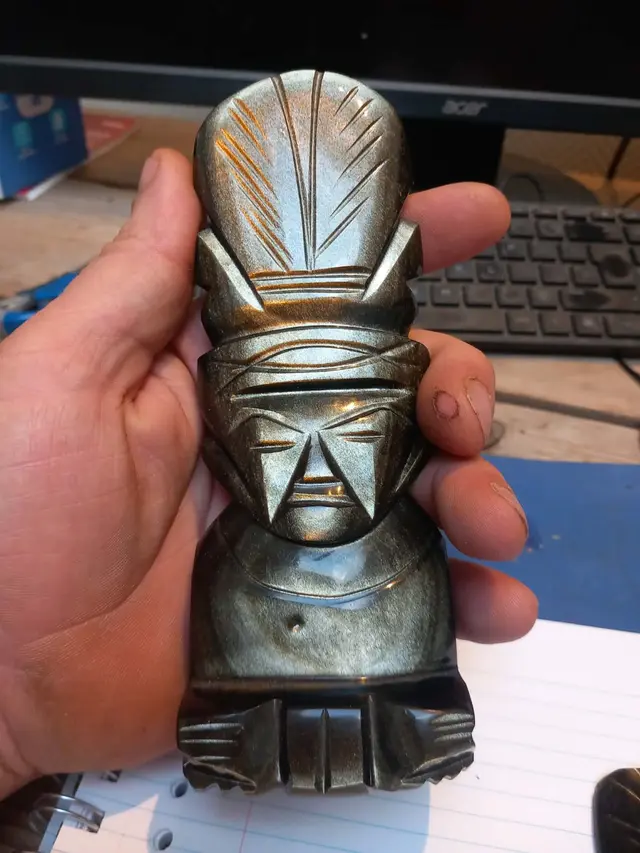
Mesoamerican Style Obsidian Carving, Gold Sheen Obsidian
Same category
Explore Decorative Objects
Silver, glassware, metalwork, enamelwork, and decorative arts.
Decorative Objects value and rarity guideShare this find
A place for your decorative
Keep its photographs, maker’s marks and the story you know in one object record. Start with a photo.
Create an account for 10 free scans. No credit card needed.
Join the conversation