
Tang-Style Sancai Glazed Earthenware Horse
Estimated value
$40 - $120Rarity
Common(2/10)Category
Ceramics & PotteryEra
Late 20th Century (post-1970)Origin
ChinaVisual assessment
Photo analysis
Save to revisit in your watchlist. This does not add the object to your own collection.
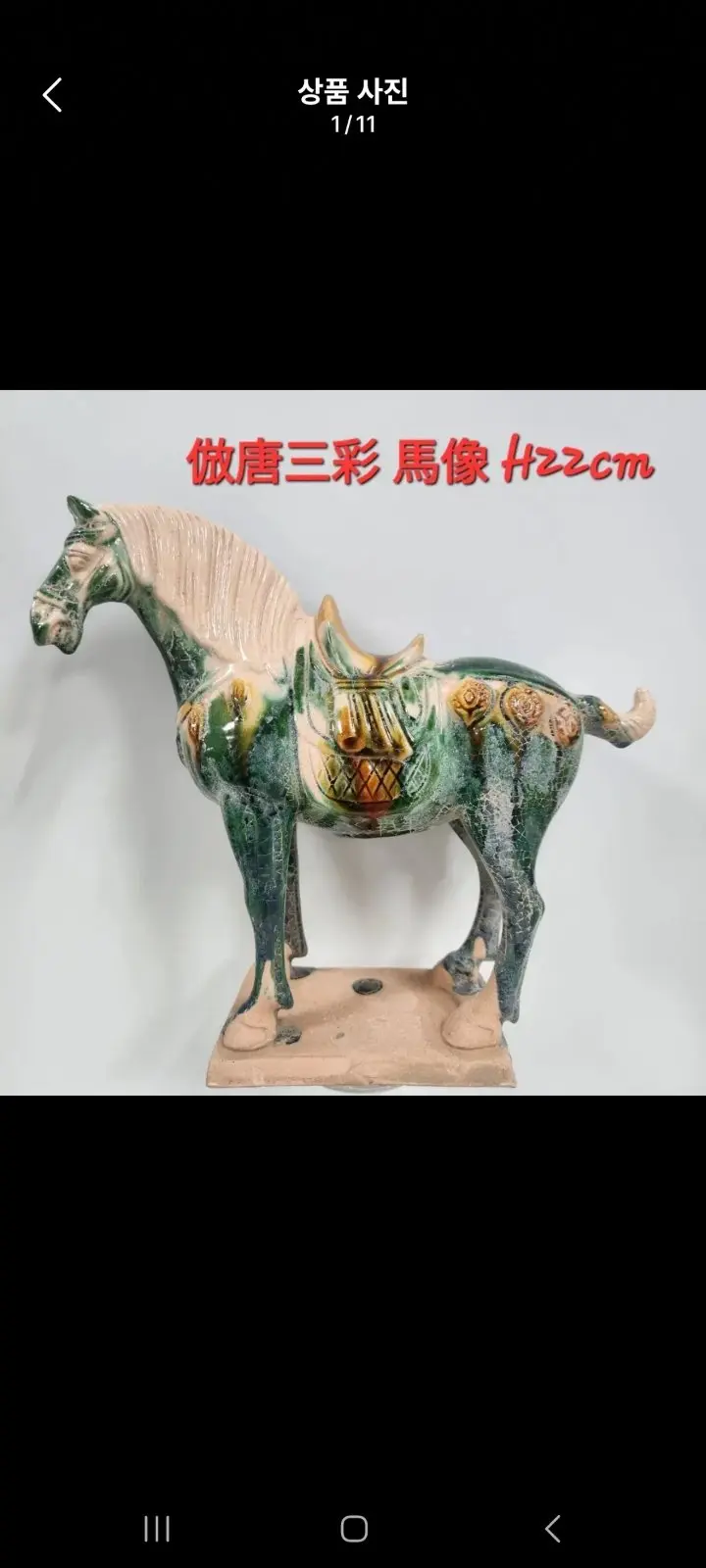
Tang-Style Sancai Glazed Earthenware Horse
A 22 cm tall polychrome lead-glazed earthenware figure of a horse, modeled after 8th-century Tang Dynasty funerary sculptures. The body is finished in a mottled green glaze with amber/ochre accents on the saddle and medallions, while the mane and base remain unglazed, exposing a pale, buff-white clay body. The construction exhibits a slab-built rectangular base with a central drainage/firing hole. The glaze shows wide-grid crazing across the flank and neck, intended to mimic antique crackle patterns.
Related traditions
Tang Dynasty China
618–907 AD
The horse symbolized status and military power, often buried with the elite to accompany them in the afterlife.
Use and ceremony
8th Century
A sacred funerary vessel meant to never be seen by the living once interred.
21st Century
An ubiquitous decorative symbol of Chinese heritage and standard tourist lacquerware.
Origins and context
The original Sancai (three-color) technique utilized lead-based glazes fired at approximately 800-900 degrees Celsius during the Tang Dynasty (618-907 AD) for 'mingqi' burial goods. Production of these figures saw a significant revival in the early 20th century (c. 1910-1920) following the excavation of the Longhai Railway, and mass production has since continued in the Luoyang region of Henan Province. This specific 22 cm example follows the standardized 'imitation' category, indicated by the Hanzi text '仿唐三彩' which explicitly translates to 'Imitation Tang Sancai'.
Further details
Most authentic Sancai glaze colors were derived from copper for green, iron for amber, and manganese for purple, often applied over a white slip to brighten the final hue.
True Tang Dynasty earthenware possesses a distinct 'silky' feel to the crackle glaze, whereas modern reproductions like this one often show sharper, more uniform crazing due to accelerated cooling.
Attribution and evidence
The item is self-identified as an imitation in the provided text overlays, and the visual characteristics (glaze pooling, base formation) perfectly match modern export Sancai ware.
Identifying details
- 1Presence of Hanzi '仿唐三彩' (Imitation Tang Three-Color) confirming reproduction status.
- 2Glaze pooling at the lower legs shows modern high-gloss consistency rather than 1,000-year-old degradation.
- 3Slab-built rectangular base with a clean, circular firing hole typical of mid-to-late 20th-century workshop production.
- 4Dimensions (22cm) align with standard contemporary export size brackets.
Open questions
- •The 'antiquing' on the base is surface coloration rather than deep-seated archaeological encrustation.
- •Crazing lines are dark and uniform, suggesting they were intentionally stained with ink or carbon after firing.
Photographs that would help
- Check the underside of the base for any stamped workshop marks or 'Made in China' gold foil residue.
- Inspect the unglazed mane under 10x magnification for any modern tool marks from the molding process.
Terms in this record
- Sancai
- A lead-glaze technique using three colors (typically green, amber, and cream) popular in the Tang Dynasty.
- Crazing
- A network of fine cracks in the glaze caused by the glaze shrinking more than the clay body during cooling.
- Mingqi
- Chinese burial goods, often earthenware figures, created specifically for interment with the dead.
Wear and preservation
Glaze integrity appears intact with no visible chipping on the ears or tail, which are common failure points. The base shows minor surface discoloration consistent with shelf-wear.
Glaze and painted decoration
Glossy lead-glaze finish with prominent mechanical crazing; the unglazed mane and base show a dry, smooth, fine-grained earthenware texture.
Recorded physical details
Approximately 800-1,200 grams; the hollow-cast construction typically feels lighter than solid contemporary stoneware.
Scarcity and surviving examples
Common · 2/10 estimated rarity
This is a qualitative collection score, not a measured survival count, market percentile or proof of authenticity.
What the photographs establish
Interpretation of the photographs and supplied context. This does not authenticate the object.
- Text explicitly describes the item as '仿' (imitation/copy)
- Glaze crackle appears too uniform and lacks the 'silvering' or iridescent degradation of excavated lead glazes
- Pristine condition of the buff earthenware base lacks genuine soil mineralization
Value and its basis
Estimate recorded: May 11, 2026
How we estimate value
Estimate context (not a documented sale): Similar 20cm modern reproductions sell consistently on eBay and Etsy between $45 and $85 depending on color intensity.
Collectors and interest
Primarily sold as home decor or to entry-level collectors of chinoiserie-style objects.
What supports the estimate
- •Visual appeal of the green glaze distribution
- •Intact extremities (ears, mane, and tail)
What could change it
- •Oversupply of modern reproductions in the retail market
- •Small scale (22cm) compared to more desirable 40-50cm decorator pieces
Comparing quality
- •Evidence of early 20th-century provincial production (Republic Era)
- •Height exceeding 50cm with complex saddle articulation
The effect of condition
Completeness of appendages, vibrancy of lead glaze, and absence of modern epoxy repairs.
Market interest
For informational purposes only, not a formal appraisal.
Related objects
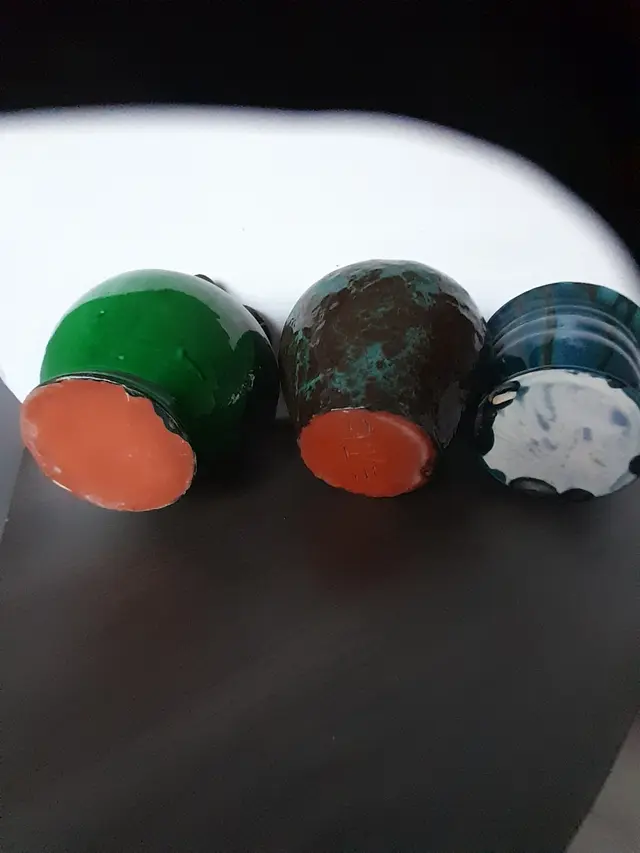
Mid-Century Modern Glazed Earthenware Jugs and Vase
Shared title details
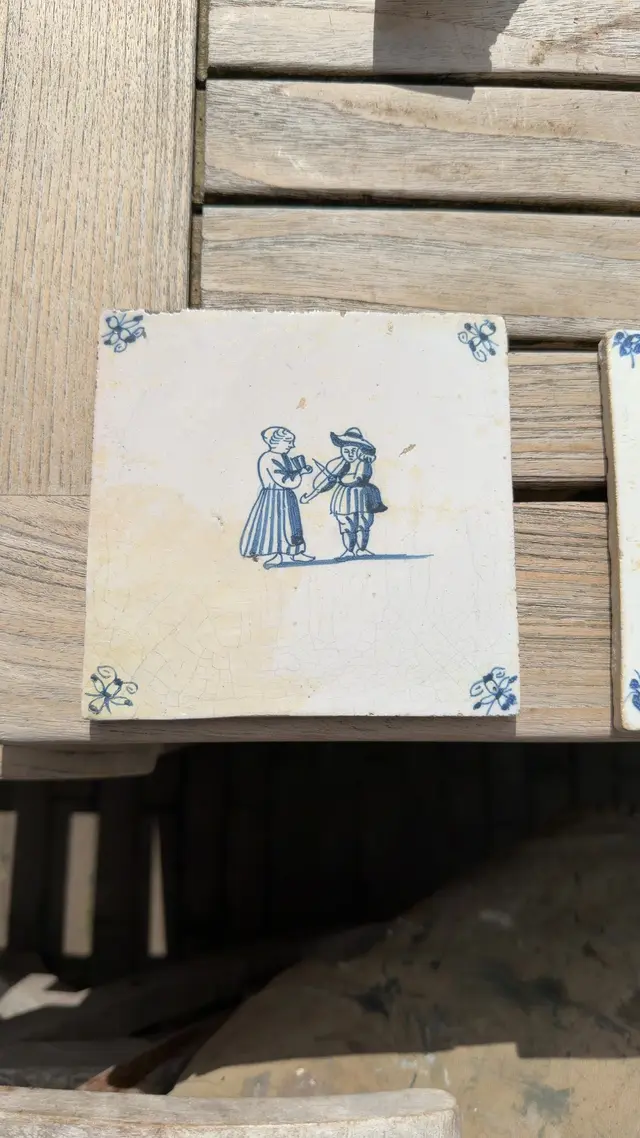
Delft Blue Tin-Glazed Earthenware Tile
Shared title details
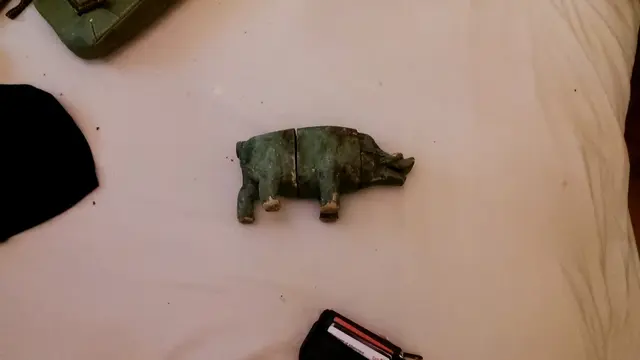
Han Dynasty Style Glazed Ceramic Boar Figurine
Shared title details
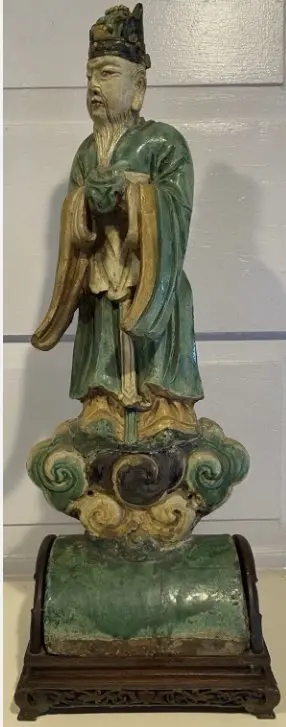
Chinese Shiwan Sancai Glazed Roof Tile Figure
Shared title details
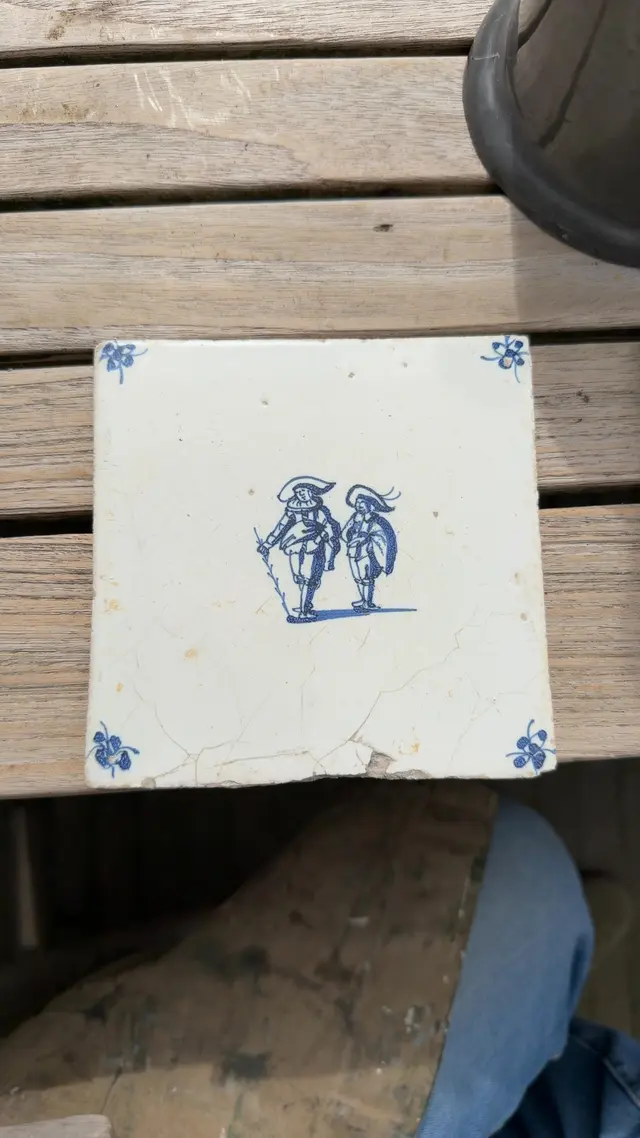
Delft Tin-Glazed Earthenware Tile
Shared title details
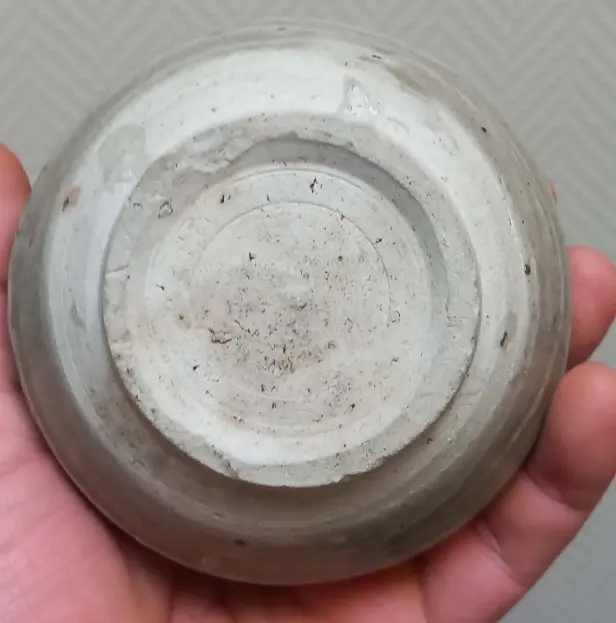
Korean Buncheong-style Glazed Stoneware Jar, Joseon Dynasty Type
Shared title details
Explore Ceramics & Pottery
Pottery, porcelain, stoneware, earthenware, and kiln-fired objects.
Ceramics & Pottery value and rarity guideShare this find
A place for your ceramics
Keep its photographs, maker’s marks and the story you know in one object record. Start with a photo.
Create an account for 10 free scans. No credit card needed.
Join the conversation
Recognise a detail or have a question? Add what you know and cite your source. Suggested corrections stay in the discussion for the owner or a moderator to review.
Sign in to leave a comment
Sign in