
Contemporary Asian Inspired Ceramic Figures
Estimated value
$15 - $50Rarity
Ordinary(3/10)Category
Ceramics & PotteryEra
Late 20th Century to Early 21st CenturyOrigin
InternationalVisual assessment
Photo analysis
Save to revisit in your watchlist. This does not add the object to your own collection.
Contemporary Asian Inspired Ceramic Figures
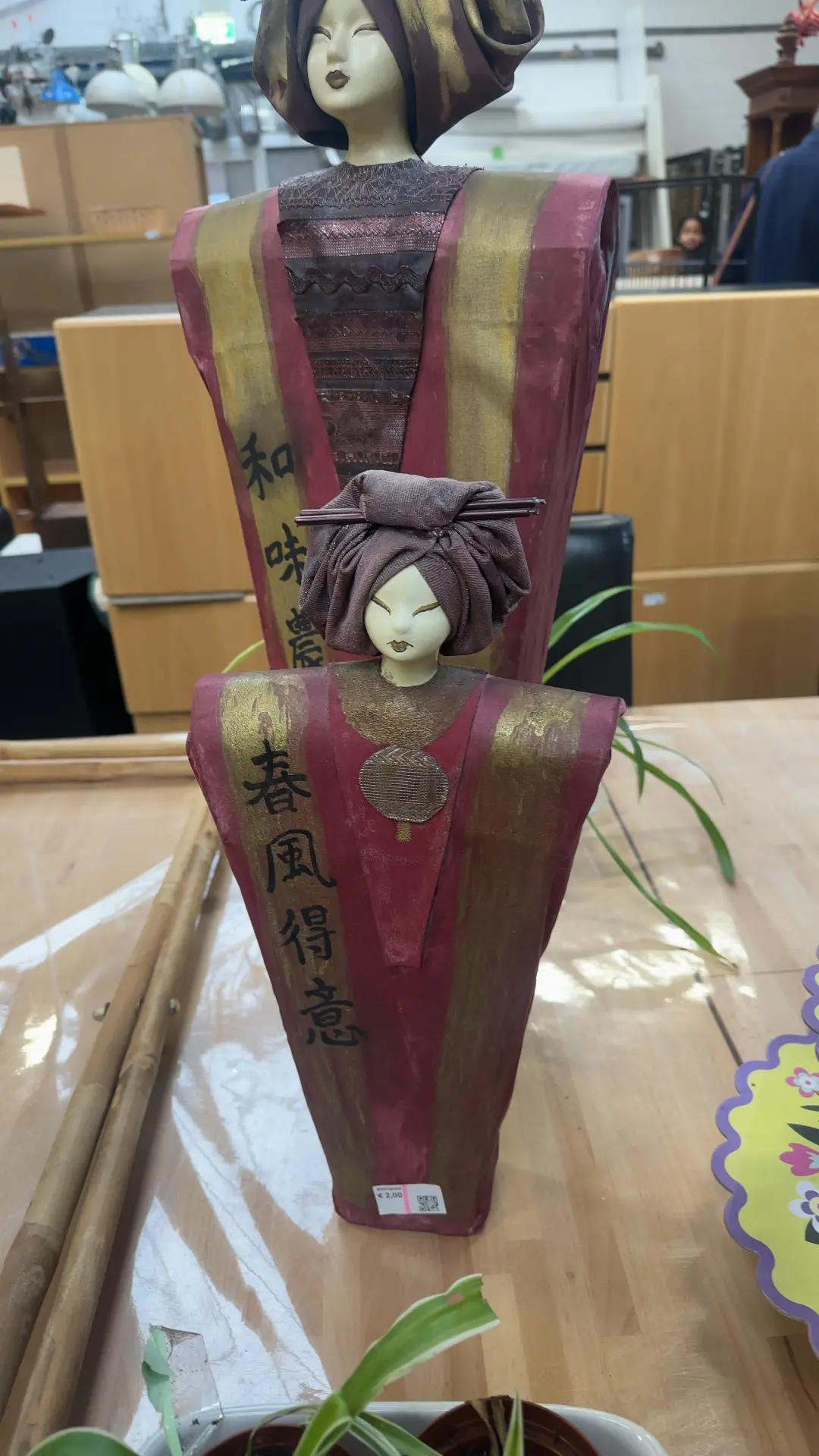
This appears to be a pair of contemporary decorative ceramic figures, inspired by traditional East Asian, likely Japanese, aesthetics. The figures are stylized, presenting as busts or truncated torsos, with sculpted faces and fabric-wrapped 'hair.' They are adorned with garments painted in rich red and gold tones, featuring pseudo-calligraphy that contributes to their decorative appeal. The forms are quite abstract, emphasizing the decorative surfaces rather than realistic bodily representation.
Related traditions
Japanese Decorative Arts
Edo period to Contemporary
The stylized figures and specific 'hair' arrangements are reminiscent of traditional Japanese dolls (ningyō) or theatrical masks, adapted for a modern decorative context.
Pan-Asian Aesthetics
Historically & Contemporary
The overall color palette (red and gold) and the use of calligraphy-like script are common decorative elements found across various East Asian cultures.
Origins and context
While decorative arts often draw heavily on historical motifs, these pieces lean towards a modern interpretation rather than a direct replication of antique forms. The use of ceramic for figures like these has a long history in East Asia, from ancient tomb figures to delicate porcelain dolls. However, the bold, almost rough-hewn texture, and the simplified facial features suggest a more recent, perhaps even mass-produced, decorative item intended for modern home décor, rather than a traditional folk art piece or fine antique porcelain.
Further details
The art of calligraphy, often seen in Asian decorative arts, is not merely writing but considered a high art form, where the brushstrokes themselves convey emotion and aesthetic balance.
While these figures are clearly decorative, traditional Japanese dolls (ningyō) have a rich cultural history, often used in festivals, as good luck charms, or for teaching children.
Attribution and evidence
My confidence is high regarding the identification as contemporary ceramic decorative figures due to their visible construction, aesthetic style, and general appearance. The lack of specific identifying marks prevents a higher confidence in precise origin or maker.
Identifying details
- 1Stylized ceramic forms and facial features indicating modern production.
- 2Fabric elements integrated into the 'costume' for textural contrast.
- 3Painted surfaces with a matte finish and pseudo-calligraphy, suggesting a decorative purpose.
- 4Lack of discernible factory marks or artist signatures visible in the images.
- 5The overall aesthetic points to an Asian 'inspired' theme rather than a precise cultural artifact.
Open questions
- •The text painted on the figures is not clearly identifiable as specific characters/phrases, making precise cultural attribution challenging without further examination.
- •Without a clear maker's mark or signature, exact origin and date are difficult to pinpoint beyond stylistic observations.
Photographs that would help
- Examine the base of each figure closely for any impressed marks, painted signatures, or paper labels that might provide manufacturer or artist information.
- Attempt to translate the painted text (if possible) to gain more insight into their specific cultural or thematic context.
- Inspect the ceramic body for specific clay types or firing characteristics that might indicate regional origin.
Terms in this record
- Pseudo-calligraphy
- Stylized writing that resembles traditional calligraphy but may not be actual legible characters, often used for decorative effect.
Wear and preservation
The figures appear to be in good, used condition. There are no immediately visible chips or cracks. The painted surfaces show some minor scuffs commensurate with age and handling, and the fabric elements are intact. The overall impression is one of well-preserved decorative items.
Materials and construction
The figures exhibit a matte, somewhat uneven painted surface, likely ceramic, with applied fabric elements for the headwear. The red and gold paint appears to be brushed on, giving a slightly rustic or hand-painted aesthetic. The 'garments' show some textural relief, possibly from impressed patterns or additional paint layers, with pseudo-calligraphy applied directly to the painted surface.
Recorded physical details
Given their ceramic construction and truncated form, these pieces would likely feel moderately weighty for their size, providing a sense of stability as decorative objects.
Scarcity and surviving examples
Ordinary · 3/10 estimated rarity
This is a qualitative collection score, not a measured survival count, market percentile or proof of authenticity.
What the photographs establish
Interpretation of the photographs and supplied context. This does not authenticate the object.
- No specific maker or artist claimed, reducing forgery potential.
- The style is decorative and contemporary, not attempting to replicate valuable historical artifacts.
- The 'pseudo-calligraphy' suggests an emphasis on aesthetic inspiration over precise historical or linguistic accuracy.
Value and its basis
Estimate recorded: Feb 27, 2026
How we estimate value
- No documented comparable sales are shown for this estimate
- Condition, completeness & craftsmanship
- Demand assumptions may not reflect current transactions
- The range is an estimate, not an asking price or sale result
For informational purposes only, not a formal appraisal.
Related objects
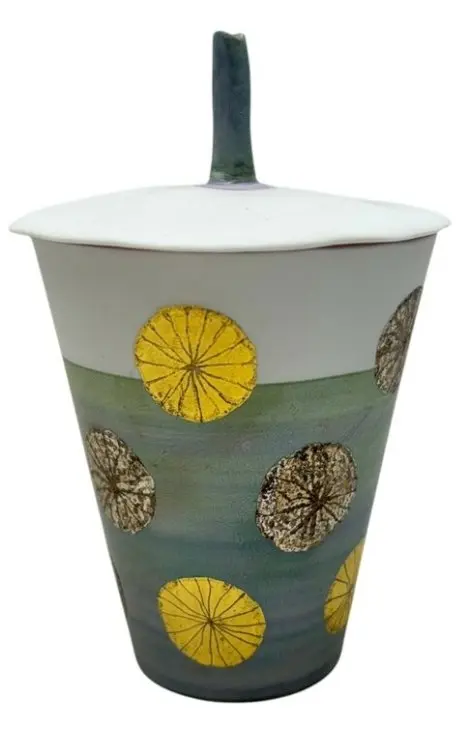
Arne Åse contemporary porcelain lidded vessel
Same category
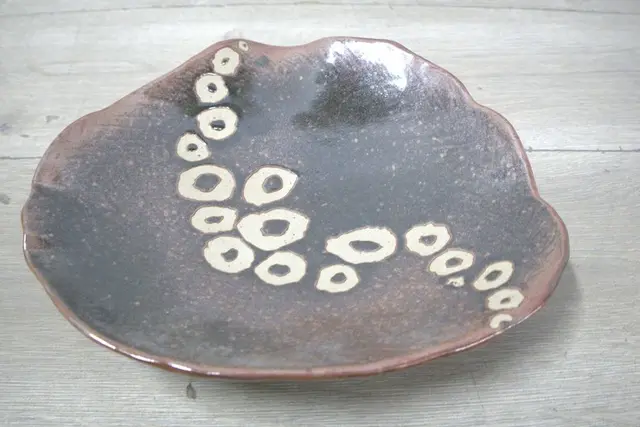
Signed glazed ceramic bowl with ring decoration
Same category
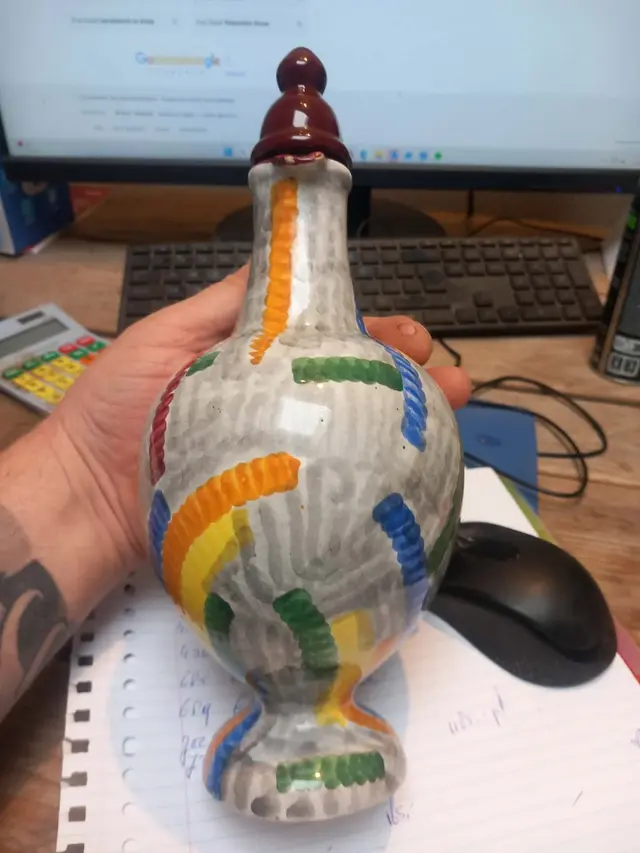
Mid-Century Modern Abstract Ceramic Decanter
Same category
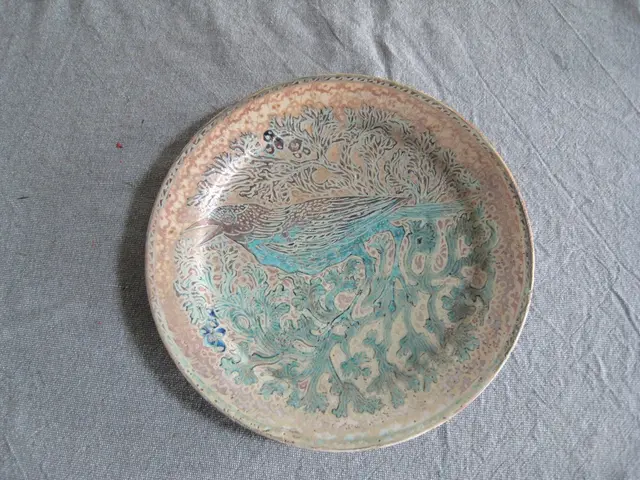
Hand-Decorated Ceramic Plate with Bird Motif
Same category
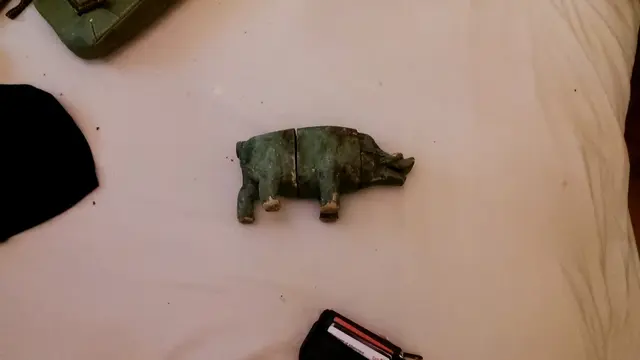
Han Dynasty Style Glazed Ceramic Boar Figurine
Same category
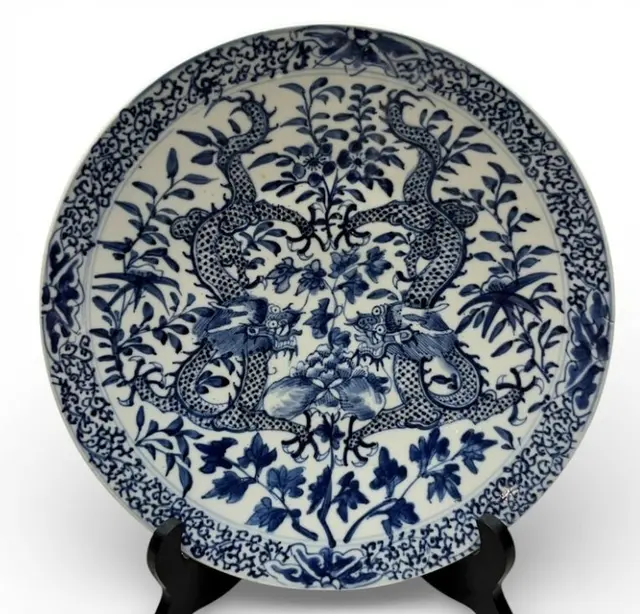
Chinese Blue and White Porcelain 'Dragon and Phoenix' Charger
Same category
Explore Ceramics & Pottery
Pottery, porcelain, stoneware, earthenware, and kiln-fired objects.
Ceramics & Pottery value and rarity guideShare this find
A place for your ceramics
Keep its photographs, maker’s marks and the story you know in one object record. Start with a photo.
Create an account for 10 free scans. No credit card needed.
Join the conversation