
Tapio Wirkkala 'Iceberg' Crystal Vase
Estimated value
$250 - $750Rarity
Uncommon(5/10)Category
Ceramics & PotteryBrand
IittalaEra
Mid-20th Century (1950s-1960s)Origin
FinlandArtist / Creator
Tapio WirkkalaVisual assessment
Photo analysis
Save to revisit in your watchlist. This does not add the object to your own collection.
Tapio Wirkkala 'Iceberg' Crystal Vase
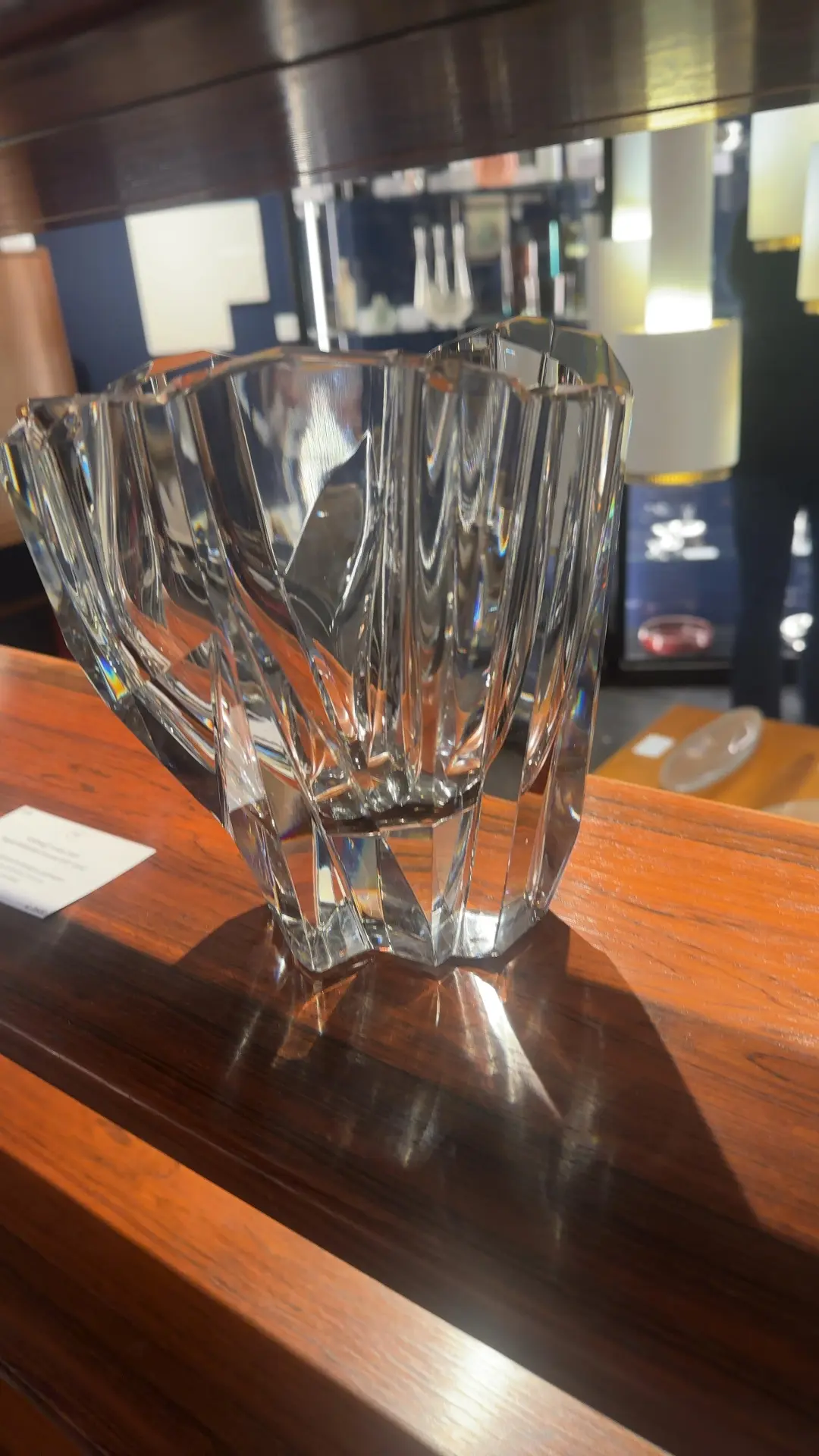
This appears to be a clear crystal vase, highly faceted and modernist in design, likely a 'Jäävuori' (Iceberg) model by Tapio Wirkkala. The geometric cuts and heavy lead content would create significant light refraction and sparkle. From a furniture perspective, such a piece would be a striking decorative accent on a Mid-Century Modern credenza or a minimalist shelf, contrasting beautifully with warm wood tones.
Related traditions
Scandinavian Modernism
Mid-20th Century
Characterized by functionalism, simplicity, and a close connection to nature, often reflecting the Nordic landscape and light conditions through materials like glass and wood.
Art Glass Movement
Mid-20th Century to Present
Emphasizing glass as a medium for artistic expression rather than mere utility, with designers in form, texture, and light manipulation.
Use and ceremony
Mid-20th Century (Post-War)
Represented optimism, modernity, and a departure from historical decorative styles, embodying a new elegance and appreciation for natural forms abstracted through craft.
Contemporary
as collector's items and design icons, representing aesthetic principles and superior craftsmanship, often integrating seamlessly into both traditional and modern interiors.
Origins and context
Tapio Wirkkala was a seminal figure in Finnish design, often associated with the 'golden age' of Scandinavian design in the mid-20th century. His works, particularly in glass, were for their organic forms and innovative techniques, often drawing inspiration from Finnish nature. The 'Iceberg' series specifically sought to capture the fractured, reflective qualities of ice. Pieces like this were crucial in establishing Finland's reputation for modern design excellence on the international stage during the post-war era.
Further details
Tapio Wirkkala's creative output was incredibly diverse, spanning not just glass, but also plywood, ceramics, silver, and even banknotes for the Finnish markka.
The 'Iceberg' (Jäävuori) series by Wirkkala was often created using a sand-blasting technique to create its signature rough, ice-like texture, although this piece appears to be highly polished.
Attribution and evidence
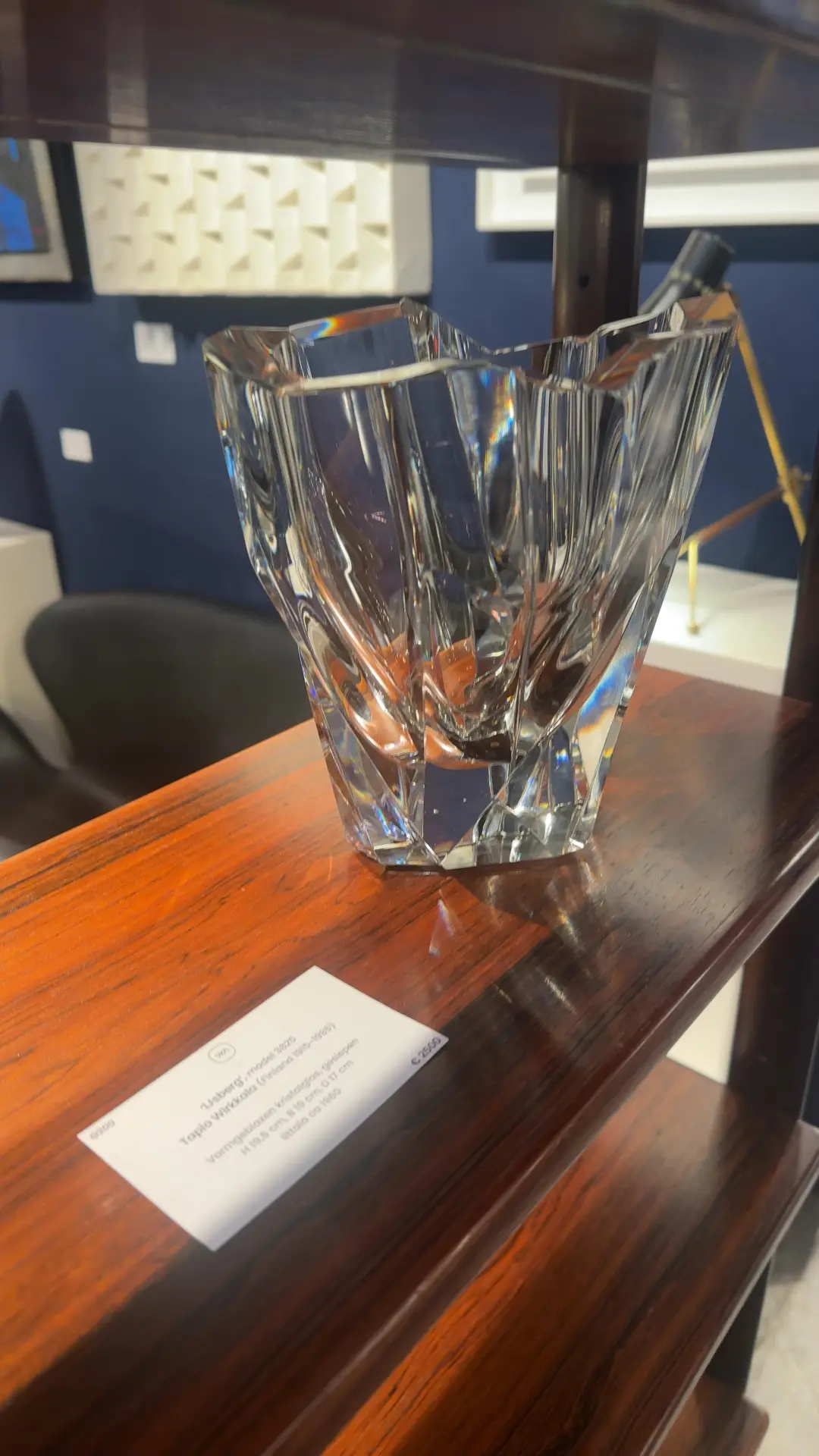
The strong visual evidence of the design style, combined with the corroborating label visible in the image, provides a high level of confidence in attributing this vase to Tapio Wirkkala and the 'Iceberg' series. The lack of a direct maker's mark on the item itself prevents even higher confidence.
Identifying details
- 1The distinct faceted design is characteristic of Tapio Wirkkala's 'Jäävuori' (Iceberg) series for Iittala.
- 2The clarity and refractive properties indicate high-quality lead crystal, consistent with Finnish art glass production.
- 3The presence of a label on the shelf explicitly naming Wirkkala and the model strengthens the identification.
- 4The aesthetic aligns perfectly with Mid-Century Modern Scandinavian design principles.
Open questions
- •No visible etched signature or maker's mark directly on the vase, which is common for some Iittala pieces but an attribution consideration without it.
- •Absence of images showing the underside of the vase, which could reveal a polished pontil mark or potential etched signature.
Photographs that would help
- Obtain clear images of the base of the vase, checking for an etched signature (e.g., 'Tapio Wirkkala') or a pontil mark.
- If possible, ascertain the exact dimensions to compare against known production specifications for the 'Iceberg' series.
- Inspect the crystal under UV light to check for any repairs or restorations that might not be visible to the naked eye.
Terms in this record
- Lead Crystal
- Glass containing lead oxide, which increases its density, refractive index, and brilliance, making it sparkle more than ordinary glass.
- Facet
- A small, flat surface on a gemstone or piece of glass created by cutting or polishing, designed to reflect light and enhance sparkle.
- Mid-Century Modern (MCM)
- An influential design movement from the mid-22th century (roughly 1945-1969) characterized by clean lines, organic and geometric forms, minimalist aesthetics, and functionality.
- Pontil Mark
- The scar left on an object of blown glass where the pontil or punty rod was broken off, often indicative of handmade glass.
Wear and preservation
The vase appears to be in excellent aesthetic condition, with no visible chips, cracks, or significant surface scratches that would detract from its reflective qualities. The clarity of the crystal is superb, indicating good care and minimal wear over time. Any minor shelf wear to the base would be expected.
Materials and construction
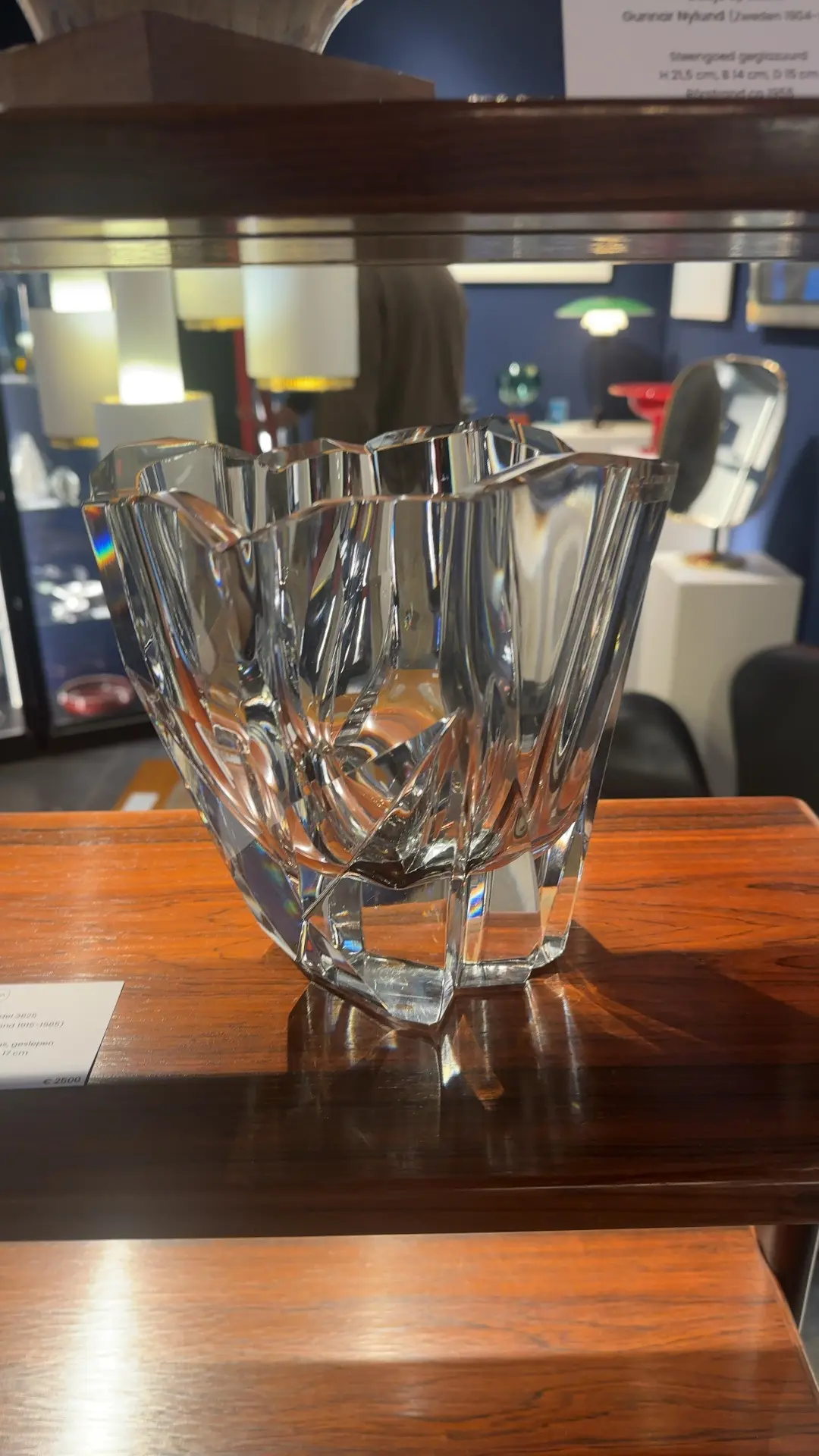
The surface is clear, polished lead crystal, characterized by numerous sharp, geometric cuts and facets that create a dynamic, light-refracting quality. The polished finish allows light to penetrate and bounce internally, creating rainbow effects as visible in the photographs.
Recorded physical details
Given the material is lead crystal and the substantial thickness apparent from the facets, this vase would feel significantly weighty and solid in hand, conveying a sense of quality and craftsmanship inherent to such glasswork.
Scarcity and surviving examples
Uncommon · 5/10 estimated rarity
This is a qualitative collection score, not a measured survival count, market percentile or proof of authenticity.
What the photographs establish
Interpretation of the photographs and supplied context. This does not authenticate the object.
- Visual identification strongly suggests a known design by a famous artist.
- The label in the image appears to corroborate the artist and model, though it's not a direct mark on the item.
- While the style is distinctive, high-quality crystal pieces can sometimes be challenging to attribute definitively without maker's marks or signatures.
Value and its basis
Estimate recorded: Feb 27, 2026
How we estimate value
- No documented comparable sales are shown for this estimate
- Condition, completeness & craftsmanship
- Demand assumptions may not reflect current transactions
- The range is an estimate, not an asking price or sale result
For informational purposes only, not a formal appraisal.
Related objects
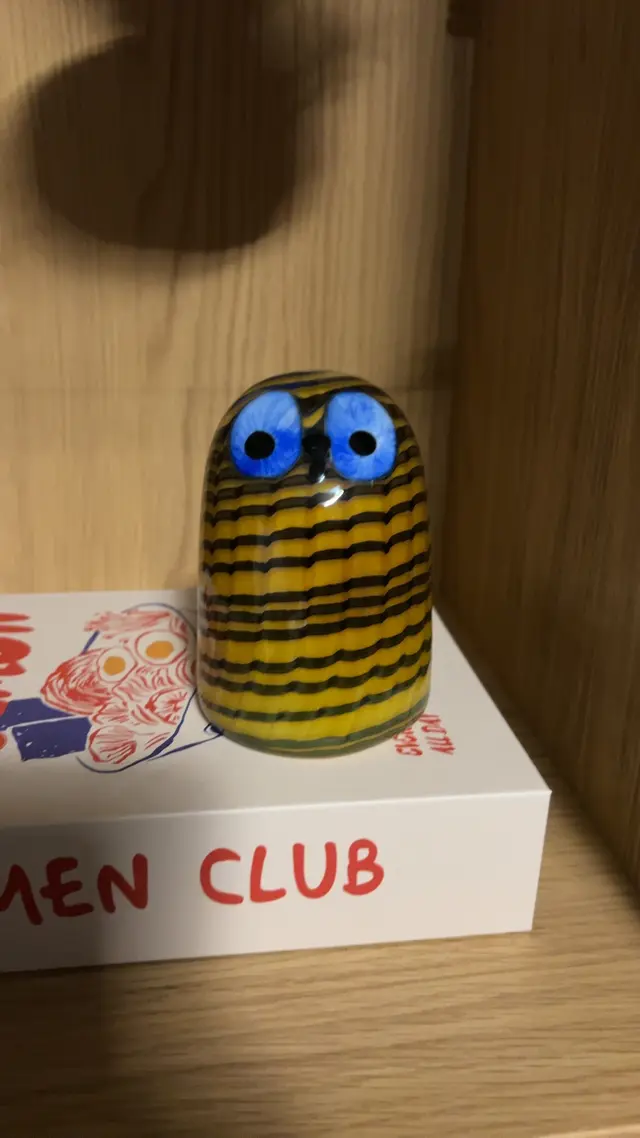
Iittala Nuutajärvi Oiva Toikka Glass Bird - 'Ugla' (Owl) Yellow and Black Striped
Same brand: Iittala
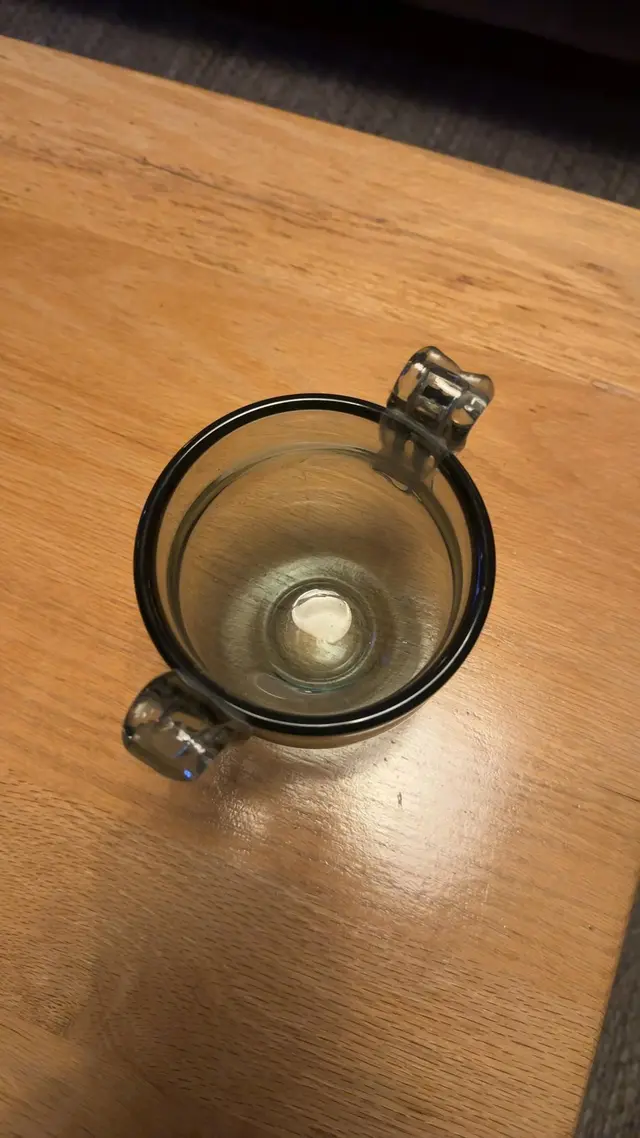
Iittala 'Kimara' Smoke Glass Bowl (Product No. 2011) c.1953-1960
Same brand: Iittala
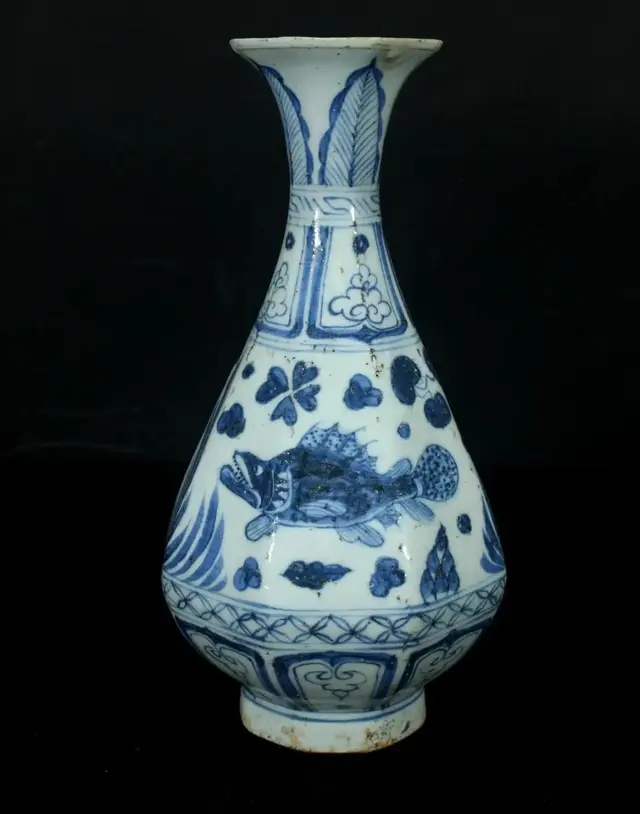
Octagonal Blue and White Pear-Shaped Vase (Yuhuchunping)
Same category
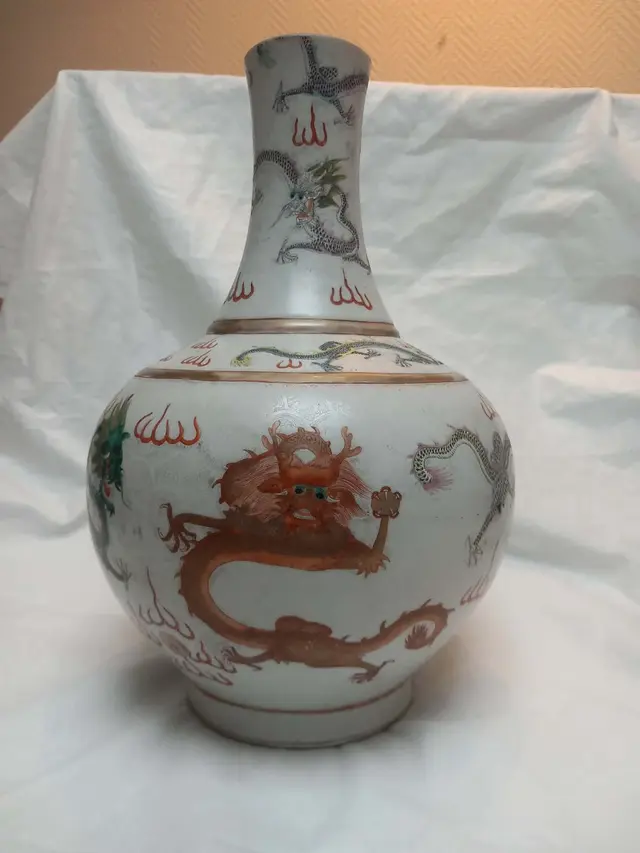
Chinese Famille Rose 'Dragon' Vase with Islamic Inscriptions, 20th Century
Same category
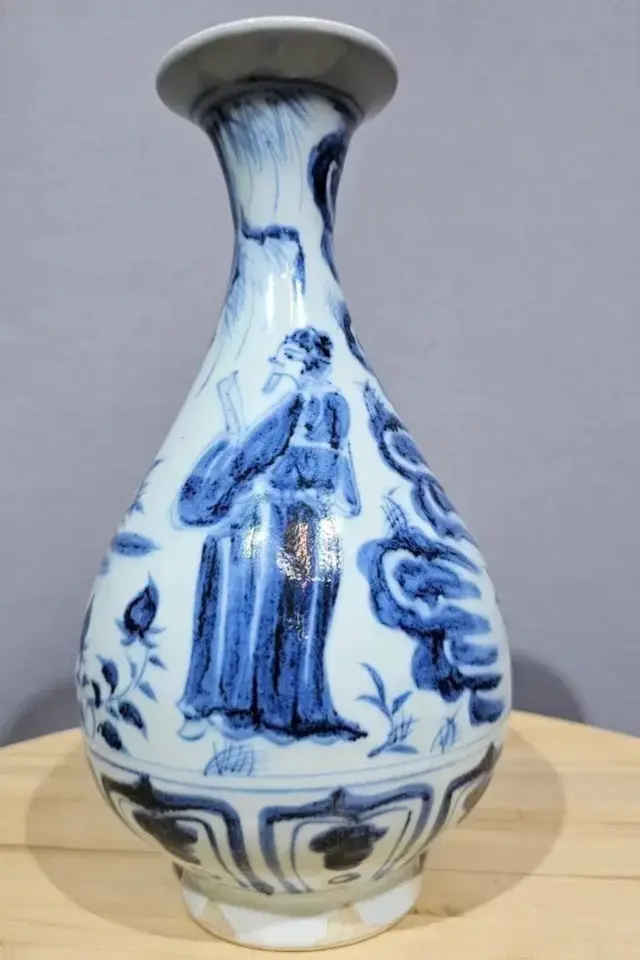
Blue and White Yuhuchunping (Pear-shaped Vase)
Same category
Chinese Shiwan Ware Figural Vase with Molded Luohan Relief, Late 19th Century
Same category
Explore Ceramics & Pottery
Pottery, porcelain, stoneware, earthenware, and kiln-fired objects.
Ceramics & Pottery value and rarity guideShare this find
A place for your ceramics
Keep its photographs, maker’s marks and the story you know in one object record. Start with a photo.
Create an account for 10 free scans. No credit card needed.
Join the conversation