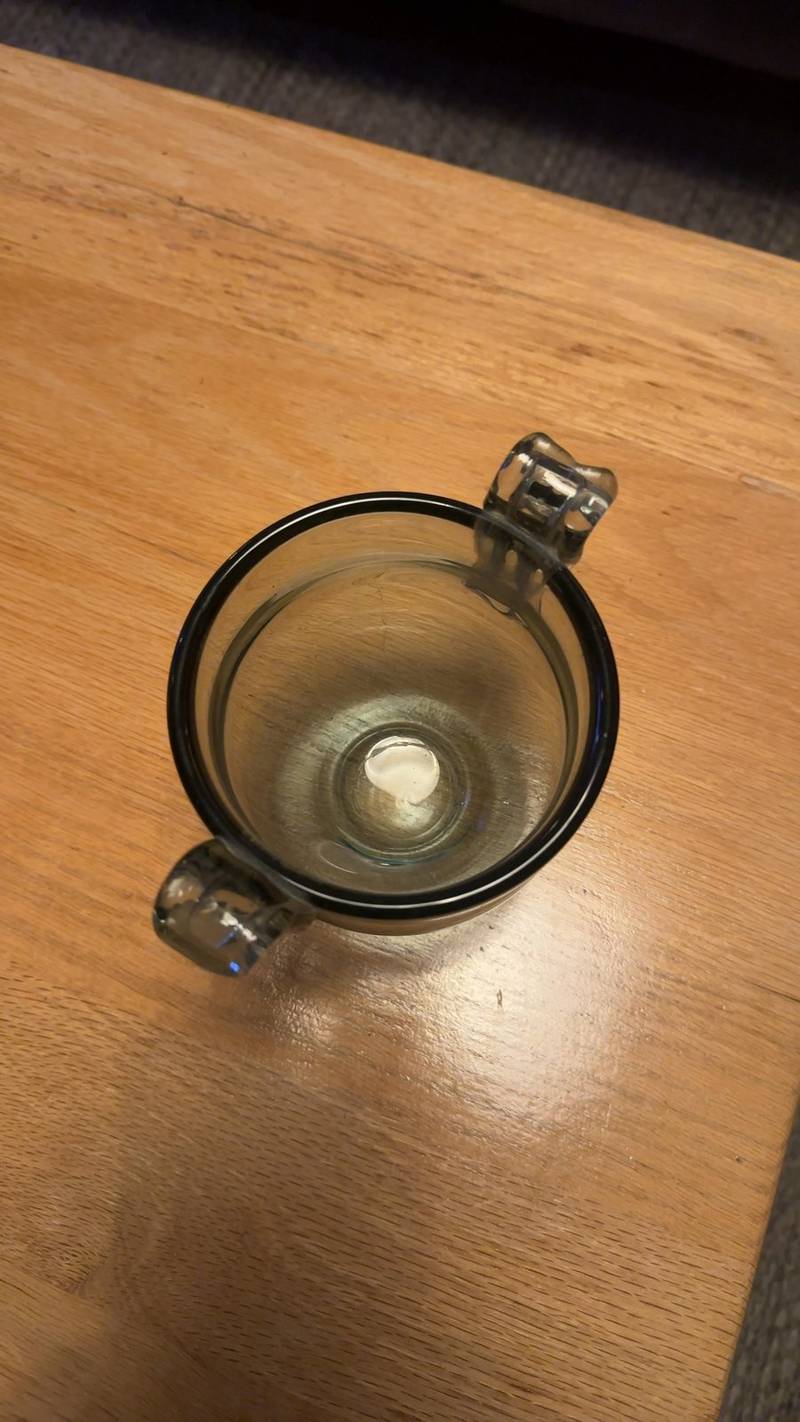
Iittala 'Kimara' Smoke Glass Bowl (Product No. 2011) c.1953-1960
Estimated value
$45 - $85Rarity
Average(4/10)Category
Decorative ObjectsBrand
IittalaEra
c. 1956-1960Origin
FinlandArtist / Creator
Saara HopeaAuthenticity
IITTALA 'KIMARA' SMOKE GLASS BOWL (PRODUCT NO. 2011) C.1953-1960: IDENTIFICATION
Hand-blown smoke grey (savunharmaa) glass bowl featuring two applied clear glass handles with a distinctive crimped or 'pleated' texture. The base exhibits a ground and polished pontil mark with a sandblasted lower-case 'i' logo within a square, a trademark designed by Timo Sarpaneva in 1956.
PRODUCTION PERIOD
Designed by Saara Hopea in 1953 for the Iittala glassworks in Finland, the Kimara series (meaning 'medley' or 'blend') remained in production until 1960. This specific color, produced by adding metal oxides to the glass melt, was a hallmark of the Finnish Modernist movement which prioritized clean lines and functional transparency.
COLLECTOR NOTES
The 'i' logo seen on the base was originally designed for the i-line glassware series in 1956 before becoming the company's permanent corporate trademark.
Designer Saara Hopea was awarded a silver medal at the X Triennale di Milano in 1954 for her glassware designs including elements of the Kimara line.
SCARCITY
Typical antique shop fare. Requires some searching but regularly available. This is where most genuine antiques fall.
Typical Characteristics
- Standard antique shop items
- Regularly available
- Moderate collector interest
Confidence Factors
- Acid-etched/sandblasted 'i' mark is consistent with late 1950s Iittala factory standards
- Color and handle application techniques align perfectly with Saara Hopea's documented Kimara 2011 design
DECORATIVE ARTS EXPERT'S TAKE
Decorative Arts Specialist
Identification is high due to the clear presence of the hallmark and the distinctive handle architecture specific to this Saara Hopea design.
KEY EVIDENCE
- 1Sandblasted lower-case 'i' logo in square identifies post-1956 Iittala production
- 2Applied 'crimped' handles are diagnostic for the Kimara series No. 2011
- 3Ground and polished pontil indicates hand-finished craftsmanship
- 4Smoke-grey coloration is a catalog-standard hue for Finnish glass of this era
UNCERTAINTIES
- •Heavy scratching on the underside may suggest frequent use, requiring a check for interior 'clouding' or water lime scale
WHAT WOULD IMPROVE CERTAINTY
- →Inspect handle attachment points under 10x magnification for hairline heat cracks
- →Examine inner rim for 'flea bite' chips not visible in top-down photos
CONDITION & GRADE
Grading breakdown
Deductions for visible surface scratching on the underside; price would be higher if original triangular 'i' sticker was present.
Condition
Significant shelf wear and circular scratching visible on the ground base ring; the upper rim appears intact without flea bites, though handle joins should be checked for stress fractures.
DECORATIVE ARTS VALUATION
Updated: May 11, 2026
Hagelstam or Bukowskis auction results frequently show Kimara items selling between €40 and €80 depending on size and color.
Who buys this
Collectors of Scandinavian mid-century modern design and Finnish glass enthusiasts specializing in Iittala or Saara Hopea.
What increases value
- •Presence of the sandblasted factory mark
- •Clarity of the smoke-grey color without internal clouding
- •Integrity of the crimped handles
What lowers value
- •Surface scratches on the body (not base)
- •Chips to the delicate pleats on the handles
What makes top-tier examples
- •Presence of the original red and white paper 'i' label
- •Larger size variants in rare colors like violet or sea green
Grade & condition
Surface clarity, presence of marks, and lack of chips on high-contact points like the handles.
Rarity & demand
For informational purposes only, not a formal appraisal.
ABOUT DECORATIVE OBJECTS
Silver, glassware, metalwork, enamelwork, and decorative arts.
Decorative Objects value and rarity guideSHARE THIS CURIOSITY
Have your own curiosities to discover?
Scan Your Curiosity
COMMENTS