Katinka Krijgsman

Dutch contemporary artist whose work explores the intersection of traditional techniques and modern subjects. Krijgsman's paintings often feature intricate detail and a distinctive approach to color.

Explore 1 object

1 object

1–1 of 1 objectsPage 1 of 1

About Katinka Krijgsman

ARTIST PROFILE

Years

Active

Nationality

Dutch

Movement

Contemporary Realism

Mediums

Oil Painting, Drawing

Known For

Art

Notable Works on this page

Contemporary paintings • Portrait series

Essential contemporary Dutch still lifes in the trompe l'oeil tradition

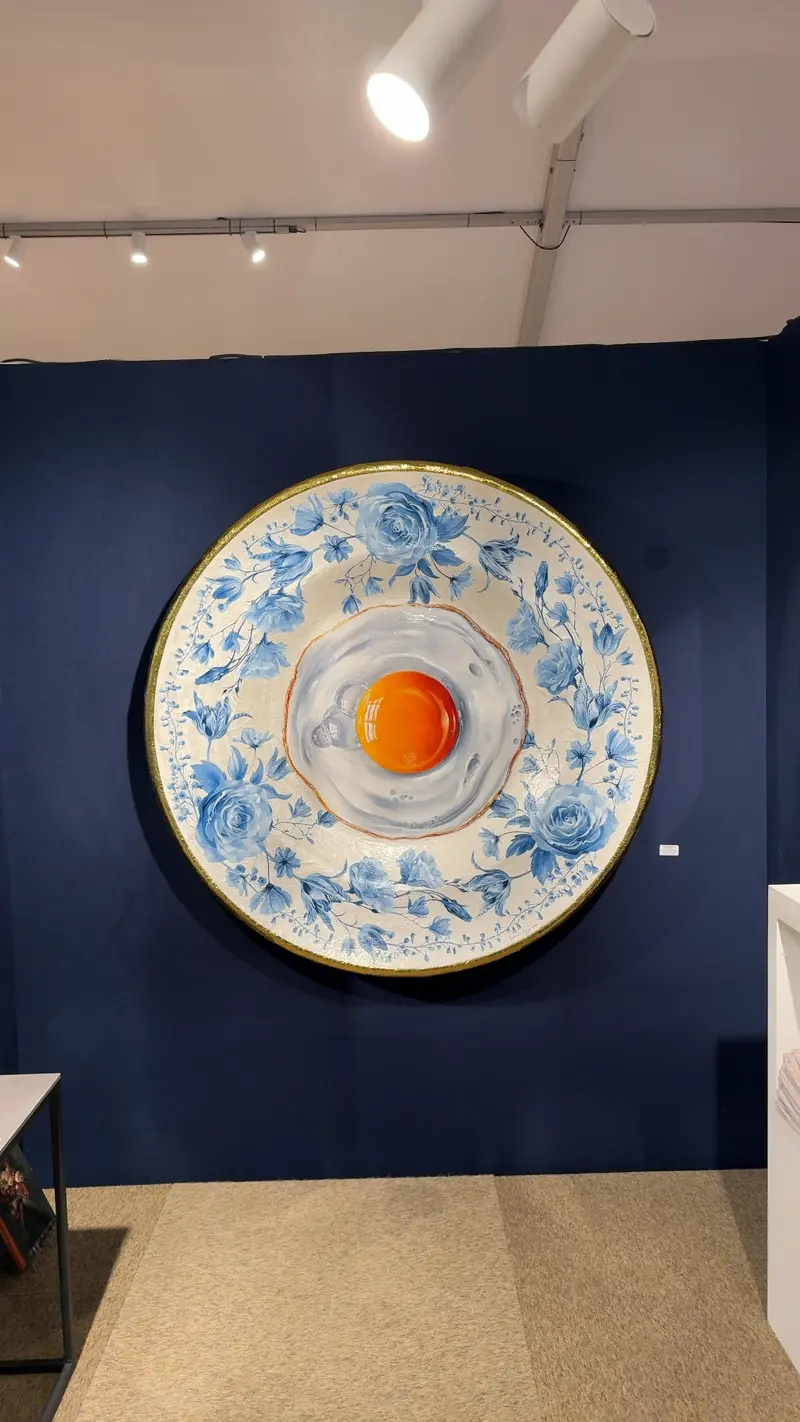
Frying Pan with Egg Painting

Executed in oil on a circular wood panel, this 2021 work applies historical glazing techniques to a mundane breakfast subject to create a hyper-realistic trompe l'oeil effect.

Show 2 more

Spoon with Reflection

Measuring 18 x 18 cm, this oil on panel depicts a silver spoon with distorted kitchen reflections, demonstrating the artist's focus on Dutch metallic textures.

Still Life with Lemon Slice

This 2022 composition focuses on the translucency of a lemon slice against a dark background, a direct reference to 17th-century 'pronkstilleven' or ostentatious still life paintings.

Questions about Katinka Krijgsman

What is the current market value of a Katinka Krijgsman painting?

Original oil paintings by this artist typically range from €1,200 to €3,500 depending on the complexity of the reflections and the size of the panel. Recent 2025 sales at Dutch galleries show a 15% price increase for works featuring metallic surfaces compared to 2022 data.

What painting techniques and materials does Katinka Krijgsman use?

She utilizes a traditional multi-layered oil technique on thin wooden panels, often finishing pieces with a high-gloss varnish to simulate the sheen of metal and ceramic. Her works are frequently small-scale, often presented in deep floating frames that emphasize the objecthood of the subject.

How can collectors verify the authenticity of a Krijgsman work?

Authentic pieces are signed on the reverse of the wooden panel and often include a gallery label from established Dutch contemporary art dealers. The level of detail in the highlights of reflections in metal objects serves as a primary marker of her specific hand.

How does her educational background influence her art style?

She graduated from the Fotoacademie Amsterdam in 2011, which informs her focus on lighting and depth of field in her later shift toward fine art painting. This photographic background is most evident in her treatment of out-of-focus backgrounds in her 21st-century still lifes.