
Sancai-style Caparisoned Horse Figurine
Estimated value
$40 - $120Rarity
Common(2/10)Category
Ceramics & PotteryEra
late 20th century (circa 1980-2000)Origin
ChinaVisual assessment
Photo analysis
Save to revisit in your watchlist. This does not add the object to your own collection.
Sancai-style Caparisoned Horse Figurine
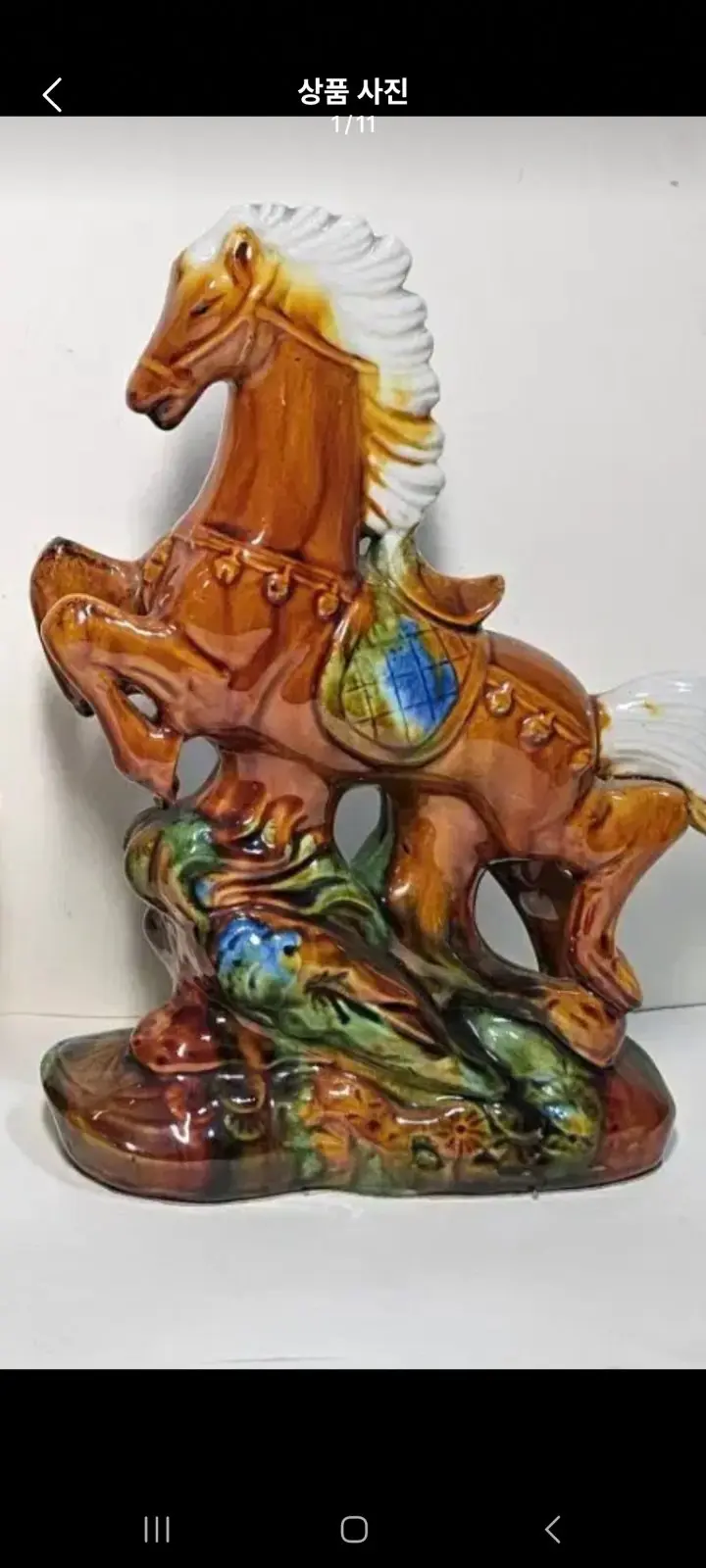
A ceramic figurine of a rearing caparisoned horse, modeled in a style derivative of Tang Dynasty funerary wares. The piece features a lead-based lead-oxide glaze in typical amber, green, and cream tones, known as sancai (three-color) palette. The horse is depicted with a docked tail and elaborate saddle trappings, specifically a saddle cloth with blue splashes and a breastplate with hanging bells or medallions. The flat, unglazed base shows a low-fired, porous earthenware body of buff coloration and bears a modern commercial stamp.
Related traditions
Tang Dynasty China
618–907 AD
The aesthetic directly mimics the 'mingqi' ceramic traditions of the 8th century Silk Road era.
Use and ceremony
Tang Dynasty
A symbol of military power, imperial prestige, and a vessel for the soul in the afterlife.
Modern Era
A decorative object representing Chinese cultural heritage and archaeological discovery.
Origins and context
While the form references the famous horse sculptures found in 7th–10th century Chinese elite burials, this specific object is a 20th-century decorative production. The use of vibrant blue splashes within the sancai palette was historically reserved for high-status wares due to the cost of cobalt. This figurine likely dates from the late 20th century, produced in specialized ceramic centers such as Luoyang, which has seen a revival in sancai techniques for the souvenir and export market since the 1980s.
Further details
The original Tang Dynasty sancai horses were strictly funerary items called 'mingqi,' designed to represent wealth and status for the deceased in the afterlife.
True Tang figurines used lead-fluxed glazes that fired at temperatures as low as 800°C, making them too fragile for daily use but perfect for burial purposes.
Attribution and evidence
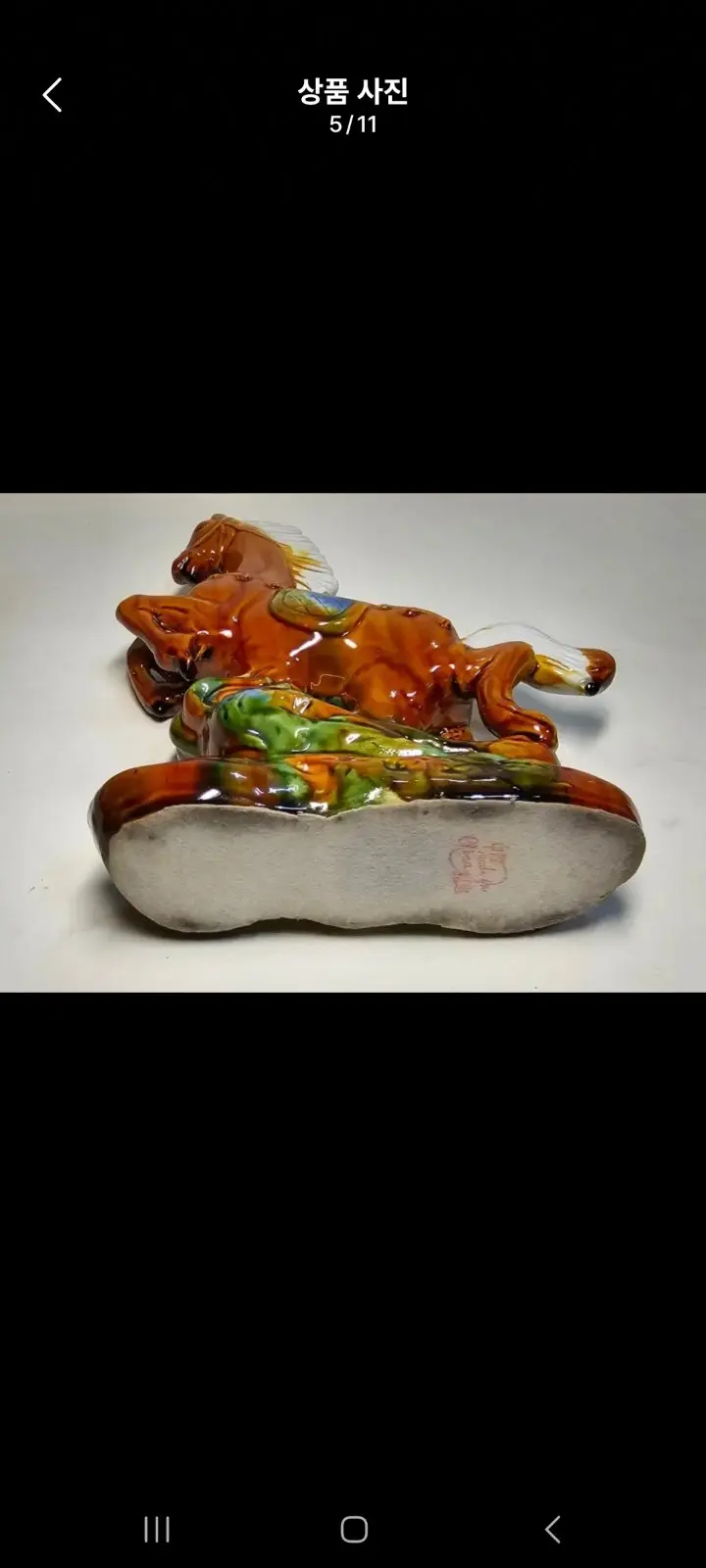
Identification as a 20th-century Sancai reproduction is near-certain due to the modern stamp and clean condition of the low-fired earthenware base.
Identifying details
- 1The 'sancai' glaze palette includes modern cobalt blue, which is applied in a controlled, decorative manner.
- 2The unglazed foot shows a clean, buff-colored earthenware paste lacking the degradation expected of an archaeological find.
- 3A clear red maker's stamp on the base indicates a workshop production, likely Luoyang or Jingdezhen region.
- 4The form is a standard 'rearing horse' type frequently produced for the export market since the late 20th century.
Open questions
- •The presence of the red stamp immediately precludes any claim of ancient origin.
Photographs that would help
- Examine the interior of the horse through a vent hole (if present) to check for modern slip-casting marks.
- Consult specialized catalogs for 'Luoyang Sancai' workshop marks to identify the specific manufacturer.
Terms in this record
- Sancai
- A lead-glazed polychrome ceramic style using three colors (typically amber, green, and cream) first popularized in the Tang Dynasty.
- Earthenware
- Pottery fired at relatively low temperatures (under 1200°C), resulting in a porous body that requires glaze to be waterproof.
- Caparisoned
- Refers to a horse wearing ornamental coverings or harness trappings.
Wear and preservation
The glaze exhibits high gloss and minimal surface abrasion; the unglazed base shows light scuffing and a red commercial maker's stamp. No visible chips, cracks, or professional restorations are evident from the provided angles.
Glaze and painted decoration
Glossy lead-oxide glaze showing characteristic pooling in the recesses of the mane and base; minor crazing is visible across the amber body surfaces.
Recorded physical details
Approximately 1.5 to 2.2 kg, suggesting a hollow-cast earthenware body of moderate density.
Scarcity and surviving examples
Common · 2/10 estimated rarity
This is a qualitative collection score, not a measured survival count, market percentile or proof of authenticity.
What the photographs establish
Interpretation of the photographs and supplied context. This does not authenticate the object.
- The presence of a modern red ink stamp on the base confirms 20th-century production
- Surface condition lacks the typical 'silvering' or iridescence found on authentic 1,000-year-old lead glazes
- Molding lines and sharp definition suggest modern slip-casting techniques
Value and its basis
Estimate recorded: May 11, 2026
How we estimate value
Estimate context (not a documented sale): Similar late 20th-century Chinese export horses typically sell for $50-$150 on platforms like eBay or at regional decorative art auctions (e.g., Leslie Hindman or local estate sales).
Collectors and interest
General collectors of Asian decorative arts and interior designers seeking Chinoiserie accents.
What supports the estimate
- •Condition of the glaze (lack of chips or flaking)
- •Vibrancy of the blue accents which are often preferred by modern buyers
- •Size and shelf-presence of the rearing pose
What could change it
- •High volume of similar reproductions suppresses individual rarity
- •Glaze chips or flaking common in low-fired earthenware drastically reduces appeal
Comparing quality
- •Intentional 'silvering' or fake patina on higher-end reproductions
- •Hand-carved detailing versus simple mold-casting
The effect of condition
Glaze integrity, presence of firing cracks, and clarity of the maker's mark.
Market interest
For informational purposes only, not a formal appraisal.
Related objects
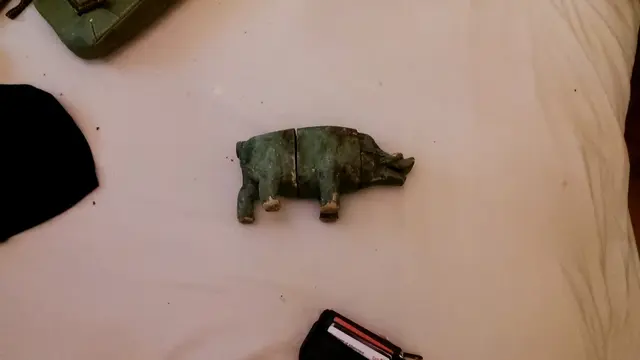
Han Dynasty Style Glazed Ceramic Boar Figurine
Shared title details
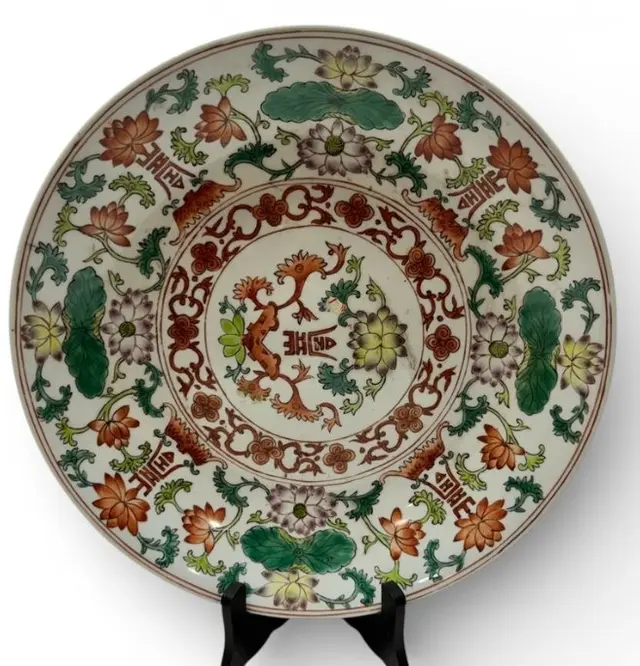
Chinese Wucai-style Famille Verte Porcelain Charger
Same category
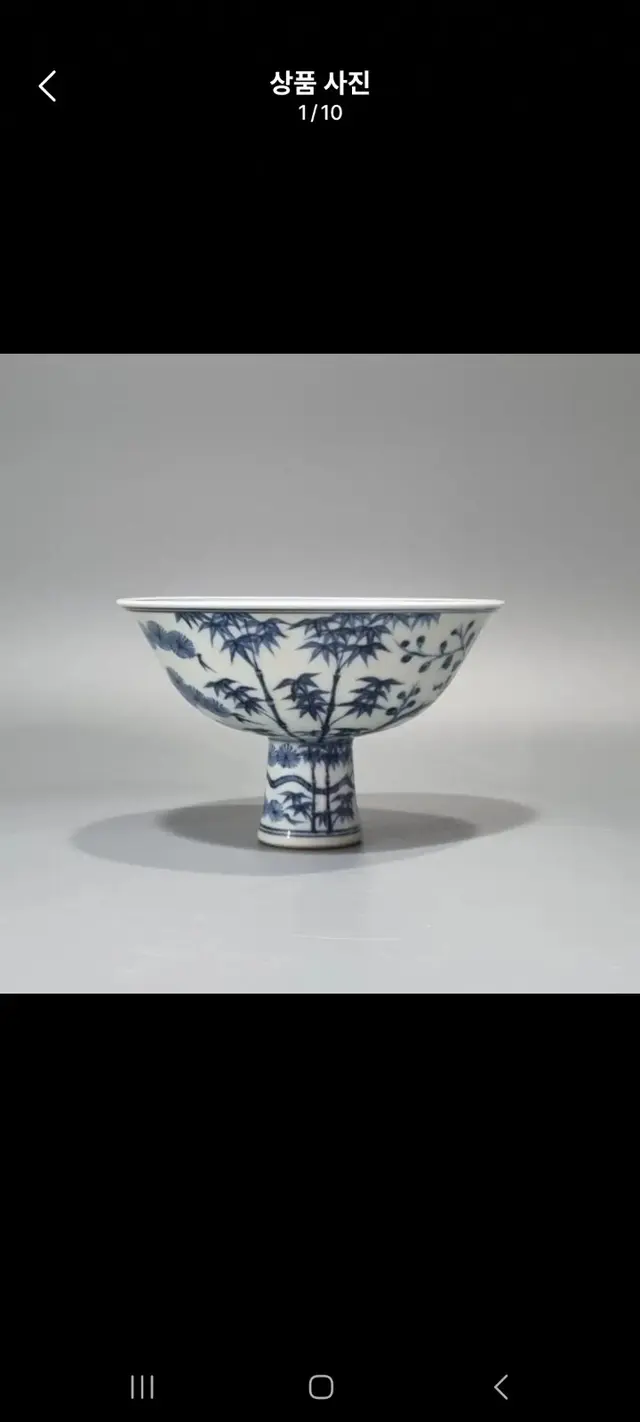
Chinese Blue and White 'Three Friends of Winter' Stem Cup, Ming Style
Same category
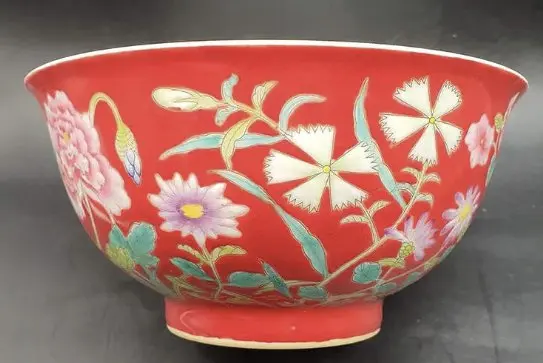
Chinese Falangcai Style Ruby-Ground Floral Bowl with Kangxi Yu Zhi Mark
Same category
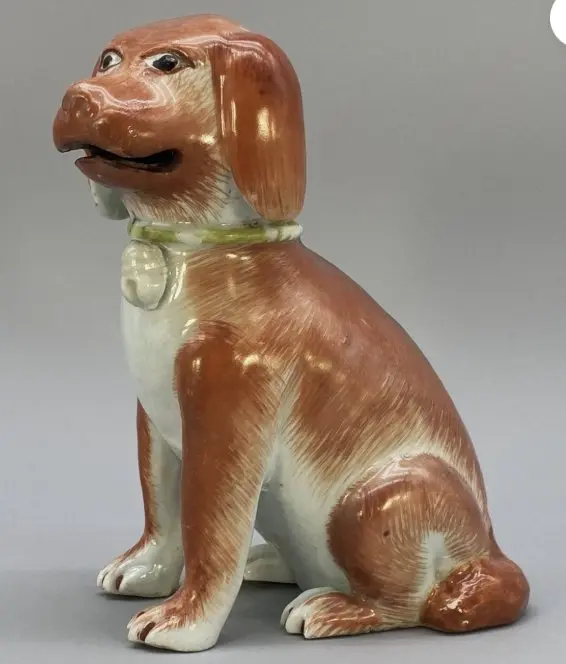
Chinese Export Porcelain Spaniel Figurine, Qing Dynasty, late 18th to mid-19th Century
Same category
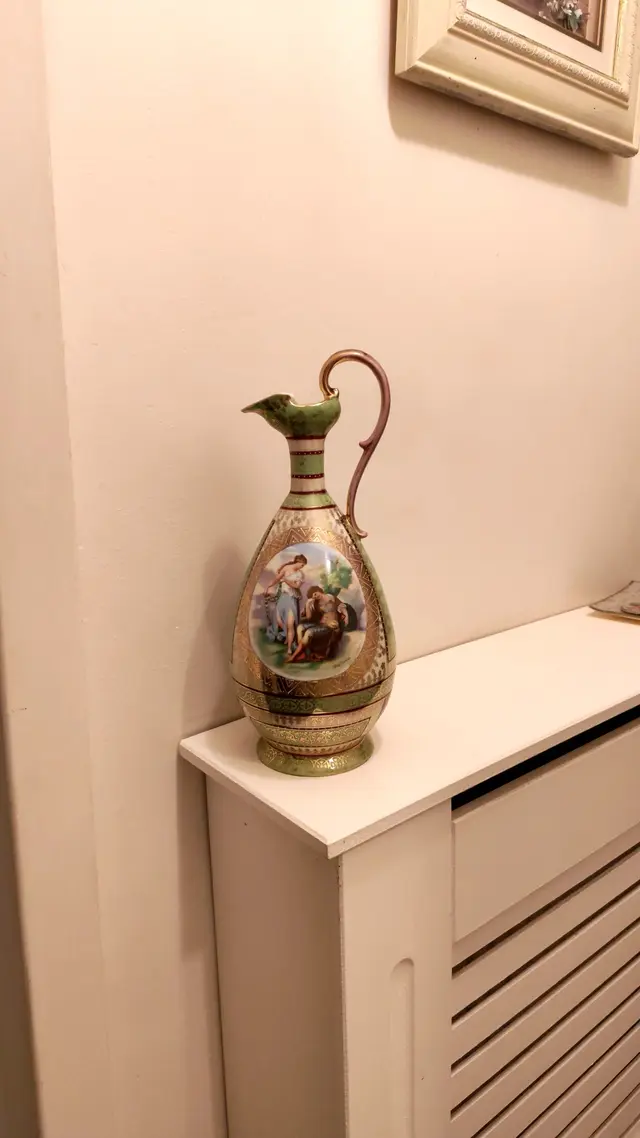
Austrian Ewer in Neo-Classical Style
Same category
Explore Ceramics & Pottery
Pottery, porcelain, stoneware, earthenware, and kiln-fired objects.
Ceramics & Pottery value and rarity guideShare this find
A place for your ceramics
Keep its photographs, maker’s marks and the story you know in one object record. Start with a photo.
Create an account for 10 free scans. No credit card needed.
Join the conversation
Recognise a detail or have a question? Add what you know and cite your source. Suggested corrections stay in the discussion for the owner or a moderator to review.
Sign in to leave a comment
Sign in