
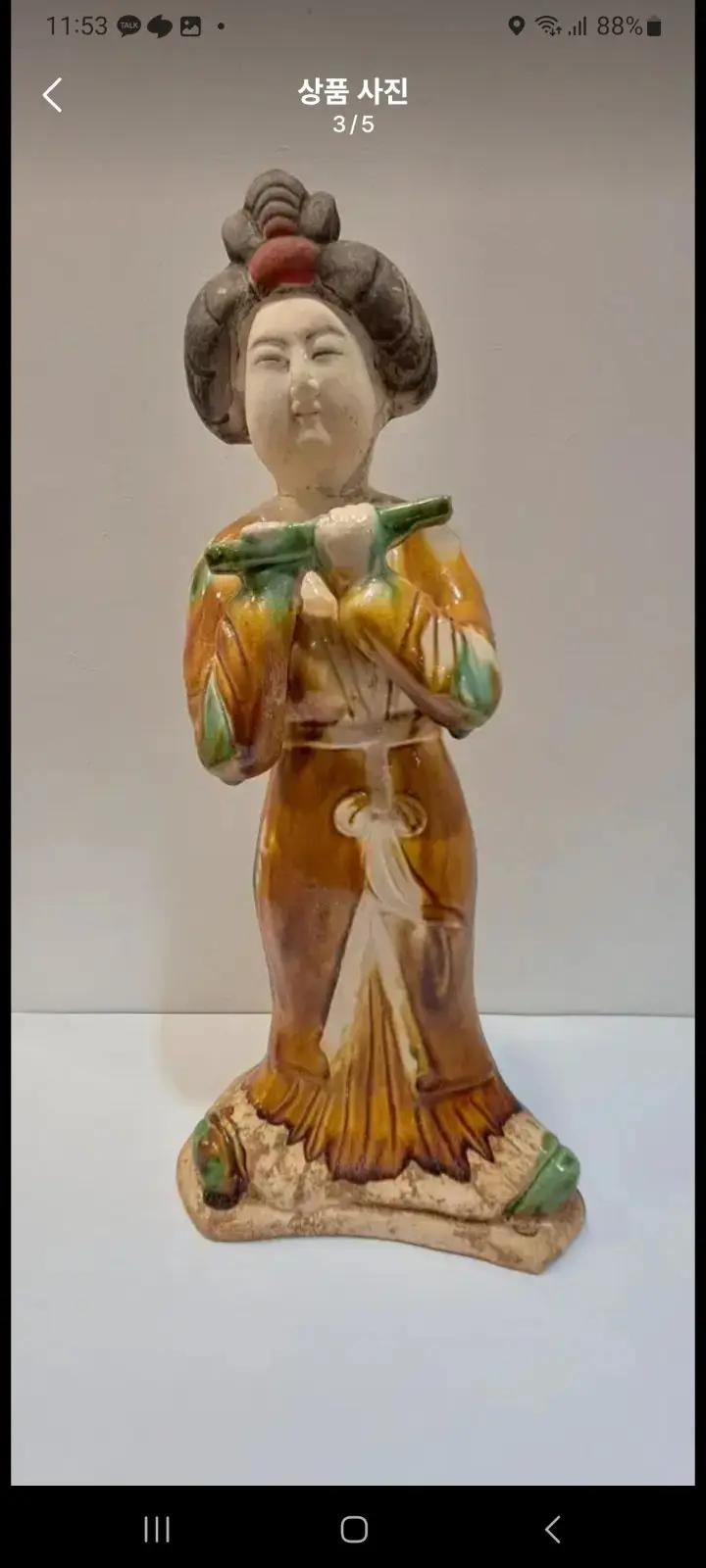
Sancai-style pottery female musician figurine
Estimated value
$80 - $250Rarity
Average(4/10)Category
Ceramics & PotteryEra
Late 20th century (in the style of 8th century Tang)Origin
ChinaVisual assessment
Photo analysis
Save to revisit in your watchlist. This does not add the object to your own collection.
Sancai-style pottery female musician figurine
A lead-glazed earthenware figurine of a standing female musician playing a transverse flute, executed in the Tang Dynasty Sancai (three-color) tradition. The figure features a slip-coated face with residual pigmented details on the eyebrows and lips, while the body is decorated with amber, green, and cream glazes. The garment follows the high-waisted fashion of the 8th century, characterized by a long skirt and narrow-sleeved sash-tied robe.
Related traditions
Tang Dynasty China
618–907 AD
Representations of the Royal Court Orchestra and the role of female musicians in high-society banquets.
Use and ceremony
8th Century
A funerary object representing status and the luxury of the afterlife.
21st Century
A decorative object or 'souvenir' representing Chinese classical heritage and aesthetic history.
Origins and context
The original Sancai (three-color) tomb figures were produced primarily during the Tang Dynasty (618–907 AD) in kilns such as Gongxian in Henan province. These mingqi (spirit goods) were intended for burial to provide entertainment for the deceased in the afterlife. Production of these low-fired lead-glazed ceramics peaked between 700 and 750 AD before declining after the An Lushan Rebellion. This specific piece displays the 'fat lady' aesthetic popularized during the reign of Emperor Xuanzong.
Further details
The green color in Sancai glazes was achieved using copper oxide, while the amber and yellow tones were derived from iron oxide minerals.
During the Tang Dynasty, the 'fat lady' style of these figurines represented a shift in beauty standards influenced by the imperial consort Yang Guifei.
Attribution and evidence
The stylistic identification is certain, but the high prevalence of 20th-century reproductions in the Sancai category requires a cautious confidence level regarding age without physical testing.
Identifying details
- 1Lead-glaze palette consisting of copper green and iron amber over a white slip coat
- 2High-waisted 'fat lady' aesthetic consistent with middle-Tang Dynasty style (circa 740 AD)
- 3Unglazed head and hair region, intended for cold-painting pigments
- 4Earthenware body visible at the footrim appears buff-colored and porous
Open questions
- •The 'dirt' or encrustation on the base looks applied and lacks the crystalline structure of genuine burial calcification
- •Lead glazes on 1,200-year-old pieces usually exhibit 'silvering' or iridescence due to chemical breakdown, which is absent here
Photographs that would help
- Conduct a thermoluminescence (TL) test to determine the date of last firing
- Examine the interior for mold lines or modern tool marks
- Check for UV fluorescence on the face to see if pigments are modern acrylics or ancient minerals
Terms in this record
- Sancai
- Literally 'three colors', a versatile lead-glaze technique using copper, iron, and manganese pigments.
- Mingqi
- Chinese pottery objects produced exclusively for burial in tombs.
- Slip
- A liquid mixture of clay and water applied to the surface of a pot to provide a smooth ground for decoration.
Wear and preservation
Traditional grading scales like PSA do not apply here; however, the glaze integrity is approximately 85% intact with moderate surface abrasions.
Minor glaze flaking on the lower garment and base; the pigment on the hair and facial features shows artificial wear intended to simulate burial degradation.
Glaze and painted decoration
Low-fired earthenware body with lead-based glazes showing modern pooling; the face is covered in a white kaolin slip without glaze, which is standard for the period style to allow for painted details.
Recorded physical details
Estimated weight of 600-900 grams; the earthenware paste appears porous and relatively lightweight compared to high-fired stoneware or porcelain.
Scarcity and surviving examples
Average · 4/10 estimated rarity
This is a qualitative collection score, not a measured survival count, market percentile or proof of authenticity.
What the photographs establish
Interpretation of the photographs and supplied context. This does not authenticate the object.
- Uniformity of surface weathering suggests chemical aging rather than century-long burial
- Glaze pooling patterns and lack of iridescence (silvering) typical of ancient lead glazes
- Sharpness of the molded features suggests modern production techniques rather than Tang-era hand-finishing
Value and its basis
Estimate recorded: May 11, 2026
How we estimate value
Estimate context (not a documented sale): Modern decorative Sancai figures frequently sell for $100-$300 at regional auctions (Sotheby's Home/Catawiki), whereas authentic Tang examples can exceed $5,000-$20,000 (Christie's 2023).
Collectors and interest
Interior decorators seeking Chinoiserie accents and entry-level collectors of Asian decorative arts.
What supports the estimate
- •Intactness of the flute accessory, which is often broken in older pieces
- •Balance and vibrancy of the three-color glaze application
What could change it
- •Saturation of the market with mid-to-late 20th century reproductions from Jingdezhen kilns
- •Visible glaze flaking on the base which detracts from display value
Comparing quality
- •Authentic 8th-century provenance verified by TL testing
- •Natural 'silvering' iridescence on lead glazes indicating centuries of soil moisture exposure
The effect of condition
Glaze integrity, clarity of facial features, and lack of professional restoration.
Market interest
For informational purposes only, not a formal appraisal.
Related objects
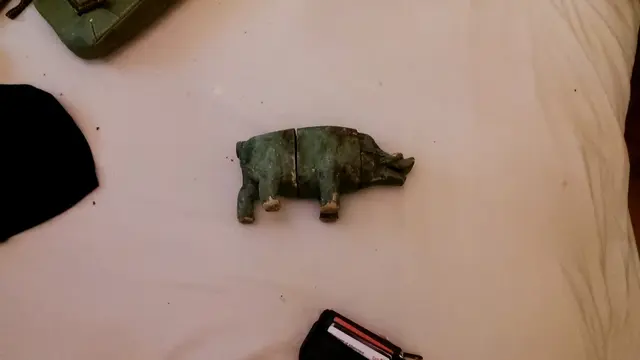
Han Dynasty Style Glazed Ceramic Boar Figurine
Shared title details
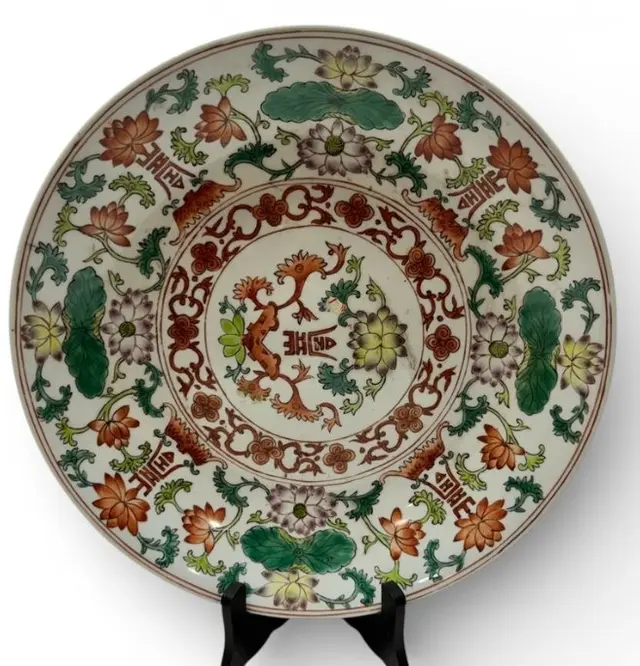
Chinese Wucai-style Famille Verte Porcelain Charger
Same category
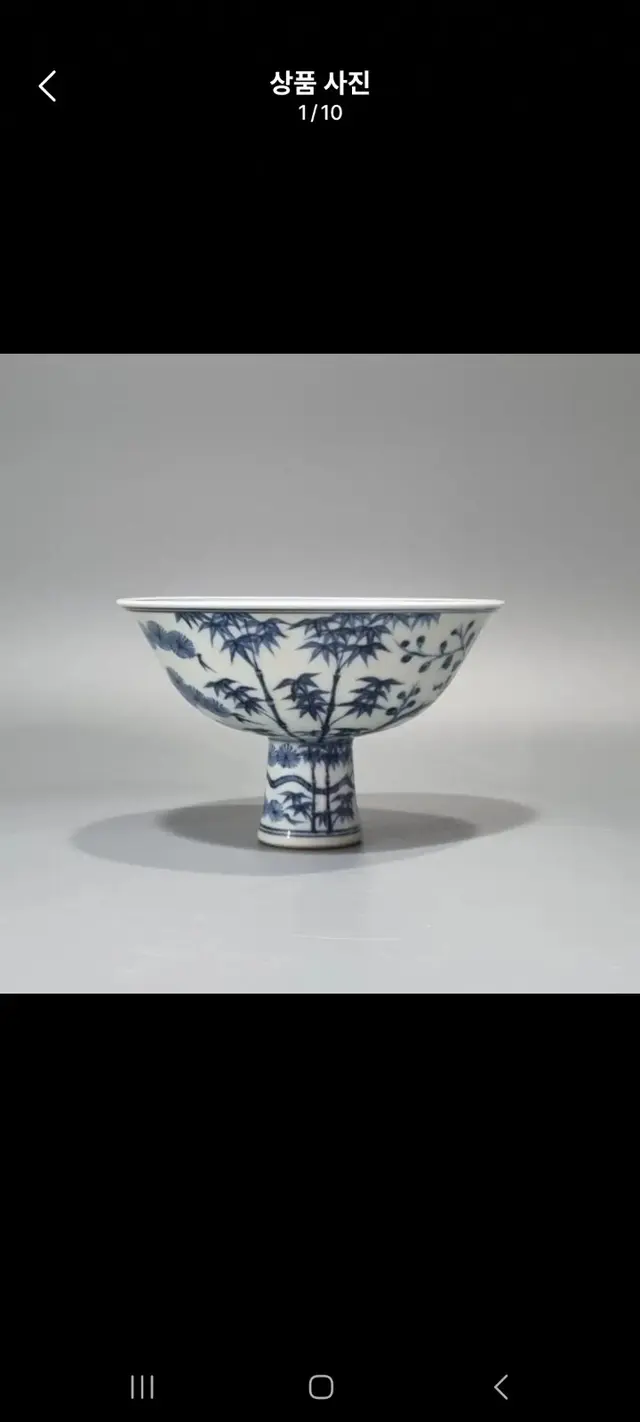
Chinese Blue and White 'Three Friends of Winter' Stem Cup, Ming Style
Same category
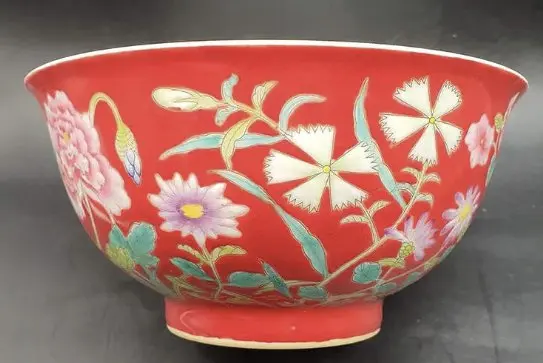
Chinese Falangcai Style Ruby-Ground Floral Bowl with Kangxi Yu Zhi Mark
Same category
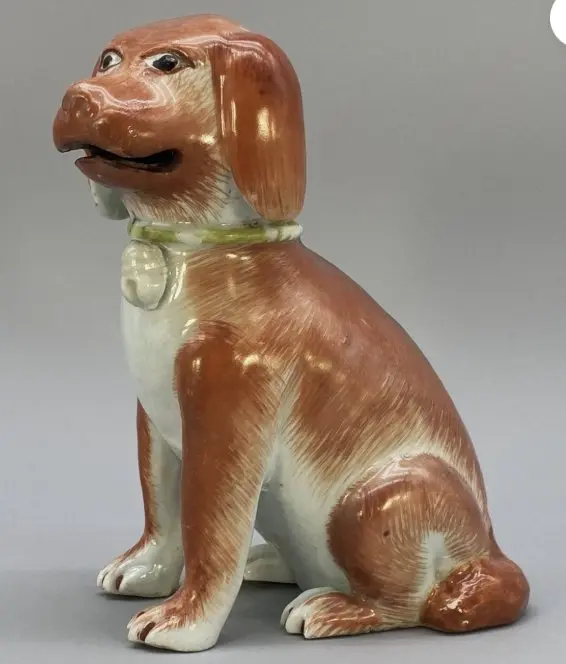
Chinese Export Porcelain Spaniel Figurine, Qing Dynasty, late 18th to mid-19th Century
Same category
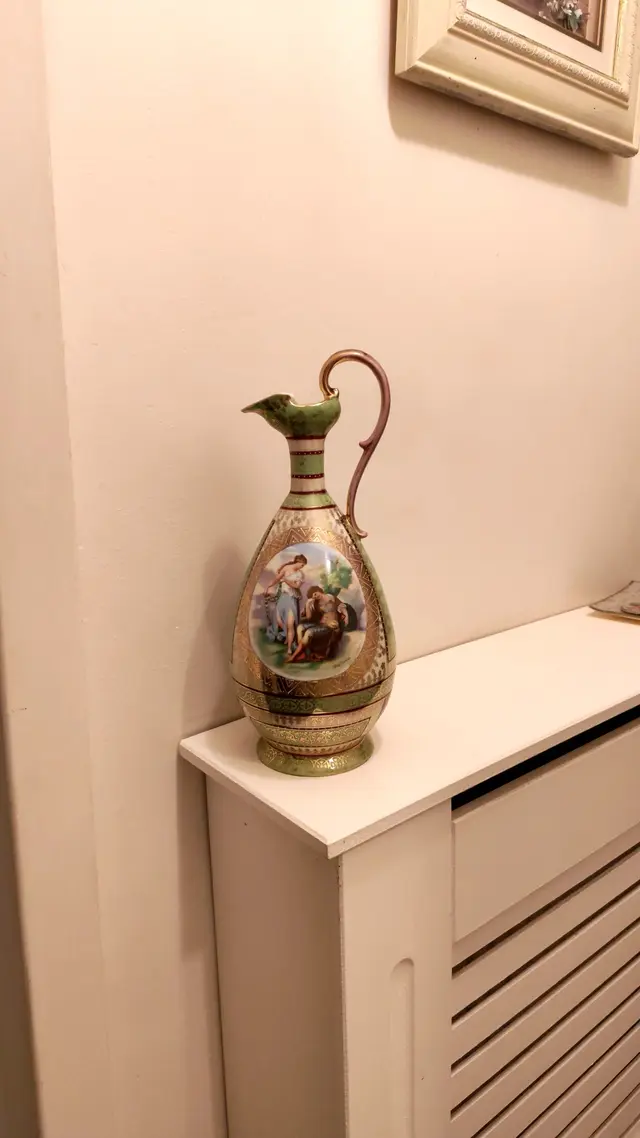
Austrian Ewer in Neo-Classical Style
Same category
Explore Ceramics & Pottery
Pottery, porcelain, stoneware, earthenware, and kiln-fired objects.
Ceramics & Pottery value and rarity guideShare this find
A place for your ceramics
Keep its photographs, maker’s marks and the story you know in one object record. Start with a photo.
Create an account for 10 free scans. No credit card needed.
Join the conversation
Recognise a detail or have a question? Add what you know and cite your source. Suggested corrections stay in the discussion for the owner or a moderator to review.
Sign in to leave a comment
Sign in