
Chinese Sansai-style Earthenware Bowl
Estimated value
$40 - $120Rarity
Ordinary(3/10)Category
Ceramics & PotteryEra
Mid to late 20th centuryOrigin
ChinaVisual assessment
Photo analysis
Save to revisit in your watchlist. This does not add the object to your own collection.
Chinese Sansai-style Earthenware Bowl
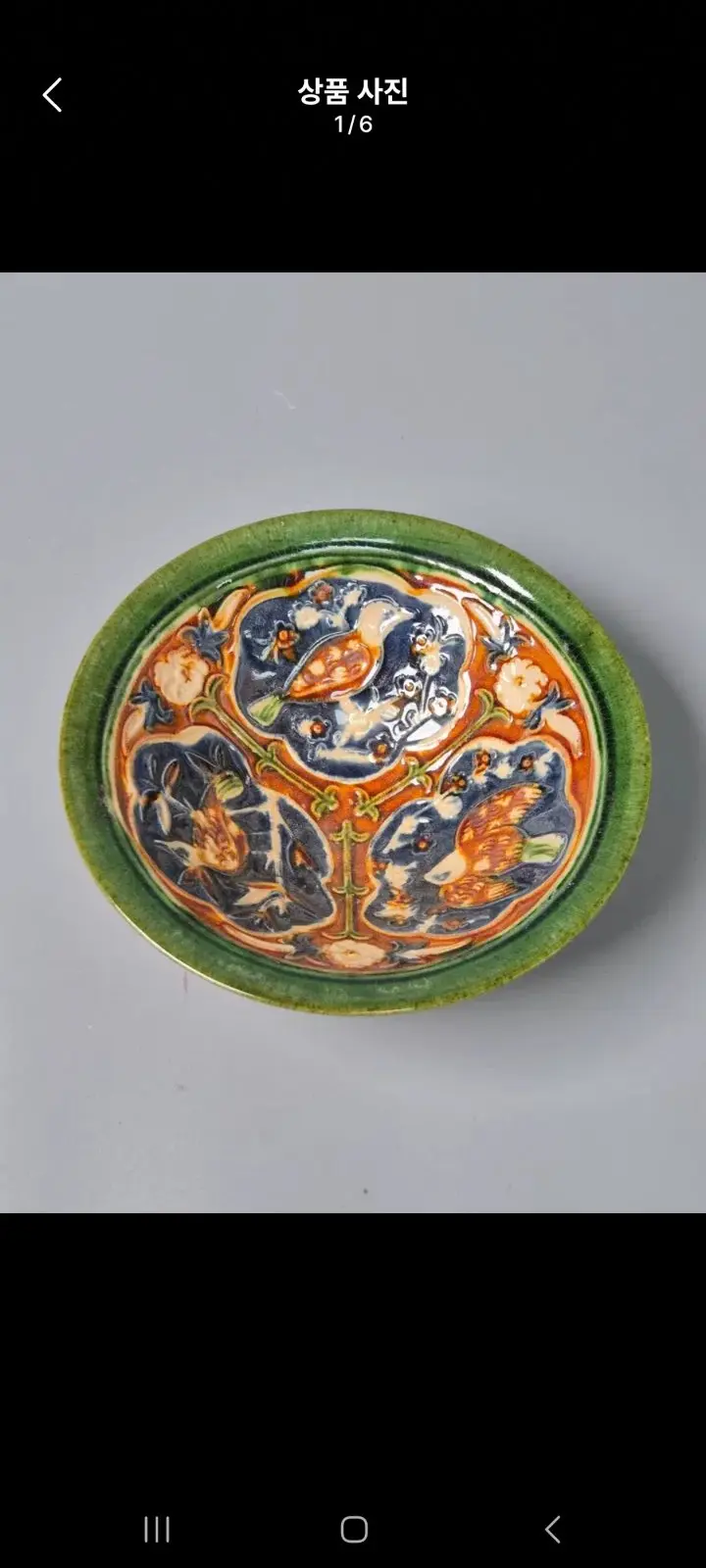
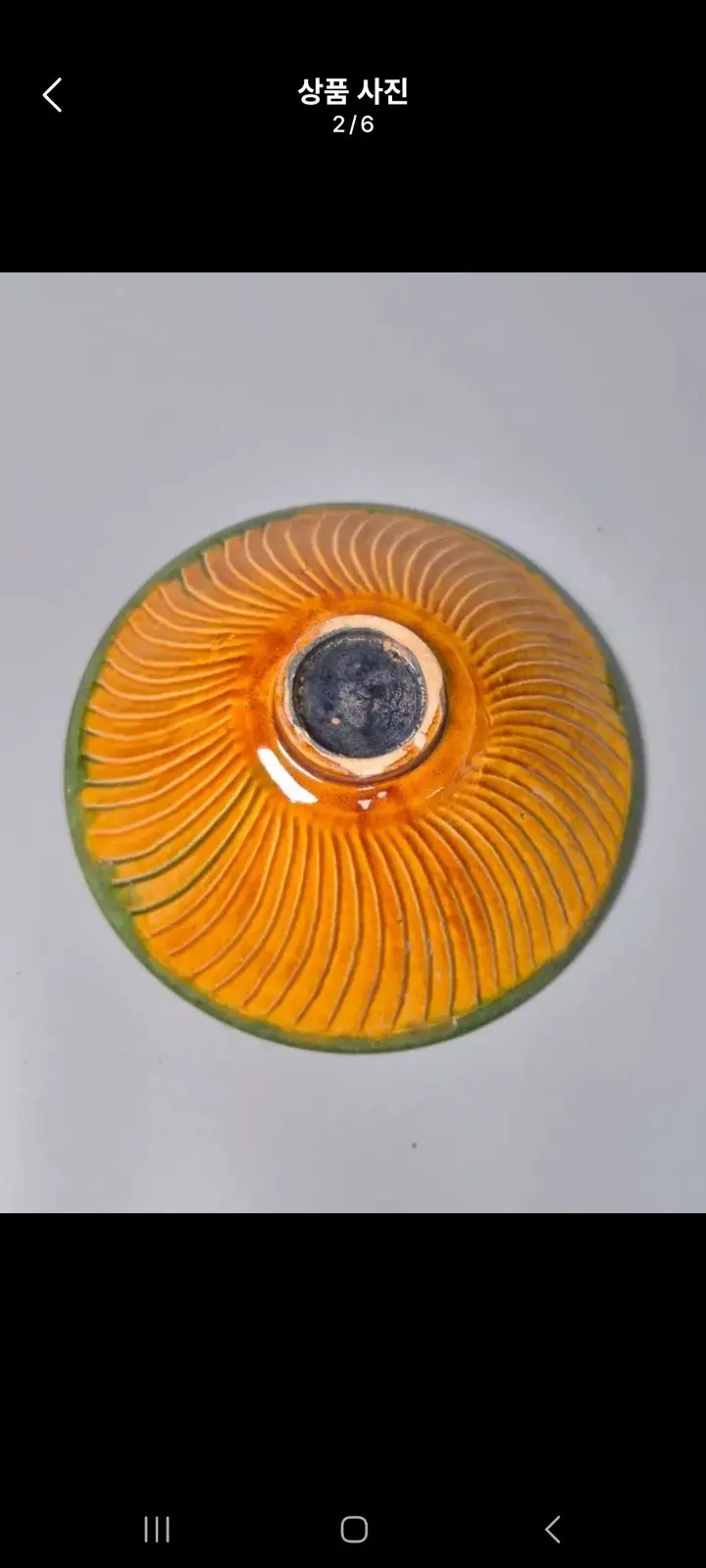
This shallow earthenware bowl features a tripartite interior design divided by raised slip-trailed borders. The central medallions contain molded bird-and-flower motifs under a lead-based amber, green, and blue glaze palette. The exterior exhibits a deep vertical fluting or gadrooning, often associated with Tang dynasty (618–907 AD) metalwork prototypes, though the crispness of the molding suggests a 20th-century homage or reproduction.
Related traditions
Persian Sassanid
3rd-7th Century
The fluted exterior and segmented interior layout are direct echoes of Sassanid silver bowls traded along the Silk Road.
Use and ceremony
8th Century
Symbol of high status and wealth due to the cost of cobalt and tea-trade prosperity.
20th Century
Highly decorative objects valued for their vibrant, multi-colored 'drip glaze' aesthetic in Western interior design.
Origins and context
The 'Sancai' (three-color) glazing technique reached its peak during the Tang dynasty in China, primarily for funerary wares. This specific vessel references eighth-century forms and the lead-fluxed glazes that typically pooled in the recesses of molded designs. Modern reproductions of these wares have been produced extensively in Henan province since the 1920s to meet global aesthetic demand for the Tang aesthetic.
Further details
Sancai glazes are lead-based, meaning they were originally intended for burial use rather than domestic dining, as the lead could leach into food.
The distinctive cobalt blue glaze seen in these palettes was the most expensive color in the 8th century, with the ore imported from central Asia.
Attribution and evidence
Identification of the style (Sancai) and form (Tang metalwork prototype) is high, but image quality prevents definitive ruling out of a high-quality 1950s export piece versus a newer decorative item.
Identifying details
- 1Tripartite molded interior with bird-and-flower motifs
- 2Sancai (three-color) lead glaze palette (amber, green, blue)
- 3Gadrooned/fluted exterior wall mimicking metalwork
- 4Unglazed, buff-colored earthenware footrim
- 5High-gloss glaze finish without significant age-related degradation
Open questions
- •Extremely clean footrim suggests modern production rather than archaeological recovery
- •Lack of 'softening' in the molded details usually caused by mold wear in period production
- •Glaze color saturation is very uniform, lacking the kiln variations observed in Tang-era Lo-yang kilns
Photographs that would help
- Perform a 'tap test' with a wooden dowel to check the ring; high fire vs low fire earthenware distinction
- Examine the glaze under a 10x loupe to look for 'devitrification' or microscopic bubbles
- Photograph the base directly from above to inspect for kiln support marks
Terms in this record
- Sancai
- Literally 'three colors'; a glazing technique using lead as a flux, colored with copper (green), iron (amber), and cobalt (blue).
- Gadrooning
- A decorative motif consisting of a series of convex ridges or flutes.
- Paste
- The clay body of a ceramic piece before it is glazed or fired.
Wear and preservation
Small chips are visible on the footrim revealing a pale, buff-colored earthenware paste. The interior surface shows minimal wear or stacking marks, which is unusual for genuine period wares.
Glaze and painted decoration
The glaze shows significant pooling at the base of the molded birds and exhibits a high-gloss, glassy finish. There is a lack of the fine, microscopic crazing (crackle) usually expected on excavated 1,200-year-old lead glazes.
Recorded physical details
Estimated at 350-450 grams; the earthenware body appears porous but thick-walled, suggesting a sturdy, utilitarian feel in the hand.
Scarcity and surviving examples
Ordinary · 3/10 estimated rarity
This is a qualitative collection score, not a measured survival count, market percentile or proof of authenticity.
What the photographs establish
Interpretation of the photographs and supplied context. This does not authenticate the object.
- Lacks the characteristic 'silvery' iridescence found on genuine Tang sancai from mineral degradation
- Molded details on birds are overly sharp and consistent with modern slip-casting
- The buff clay body at the footrim appears too clean and lacks the encrustation of burial
Value and its basis
Estimate recorded: May 11, 2026
How we estimate value
Estimate context (not a documented sale): Modern sancai bowls of this size regularly sell on eBay and at regional estate auctions for $40-$100 (2024–2025).
Collectors and interest
General Asian art decorators and collectors of 'scholar's desk' style objects who appreciate the Tang aesthetic without the cost of museum-grade antiquities.
What supports the estimate
- •Presence of cobalt blue glaze
- •Complexity of the molded bird motifs
- •Condition of the fluted exterior
What could change it
- •Commonality of modern reproductions in this specific size and pattern
- •Significant chips or cracks to the rim
Comparing quality
- •Genuine silvery iridescence from burial (oxidation of lead glazes)
- •Documented provenance from a mid-century collection
The effect of condition
Presence of chips, glaze crawl (areas where glaze pulled away), and clarity of the molded scene.
Market interest
For informational purposes only, not a formal appraisal.
Related objects
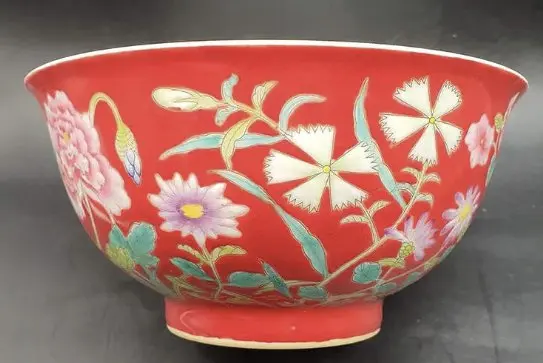
Chinese Falangcai Style Ruby-Ground Floral Bowl with Kangxi Yu Zhi Mark
Shared title details
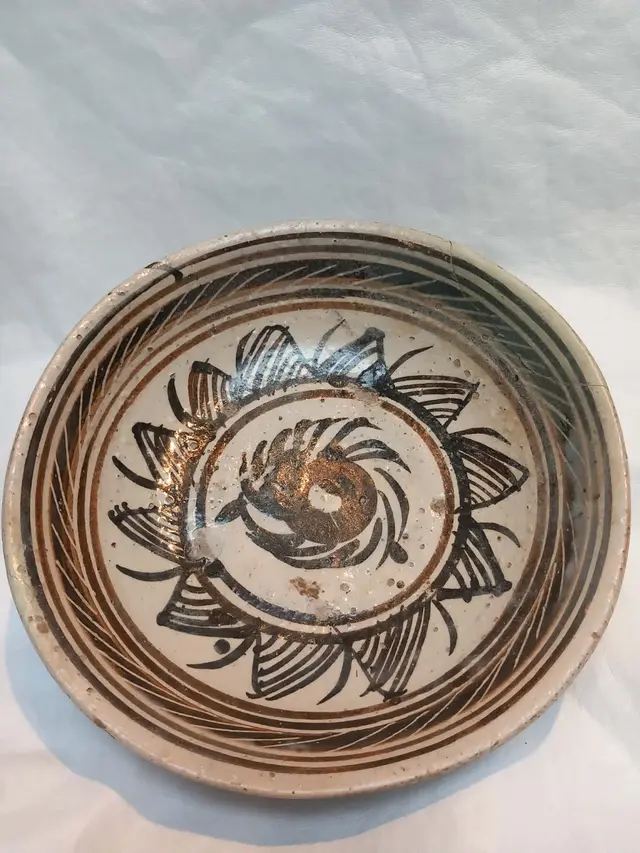
Chinese Cizhou-style Painted Stoneware Bowl, Song to Yuan Dynasty type
Shared title details
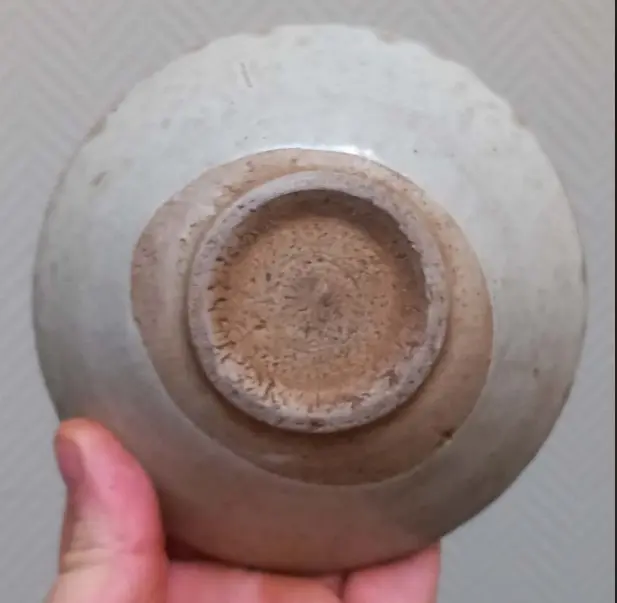
Chinese Ding-type Yaozhou Celadon or Shufu-style Bowl, Southern Song to Yuan Dynasty (1127-1368)
Shared title details
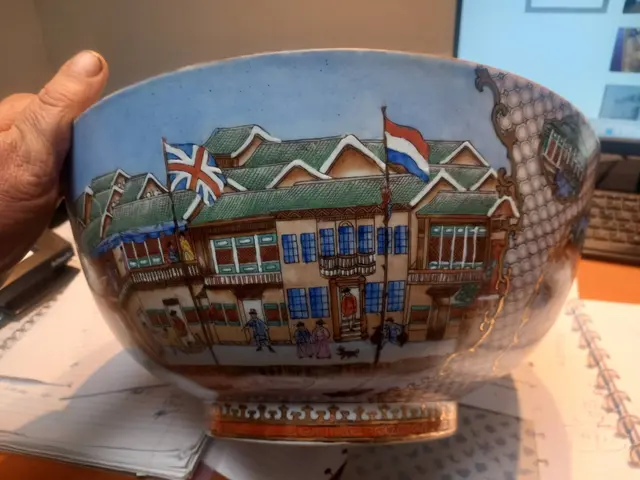
Chinese export-style 'hong' bowl with Canton trading-house scenes
Shared title details
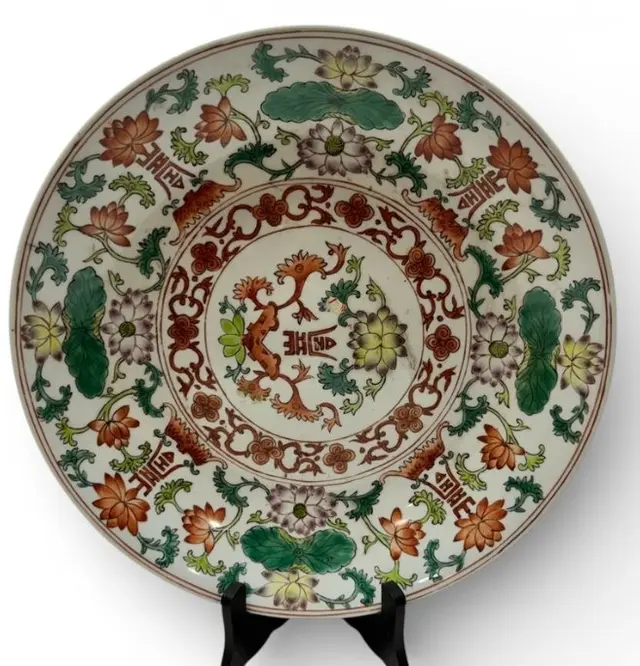
Chinese Wucai-style Famille Verte Porcelain Charger
Shared title details
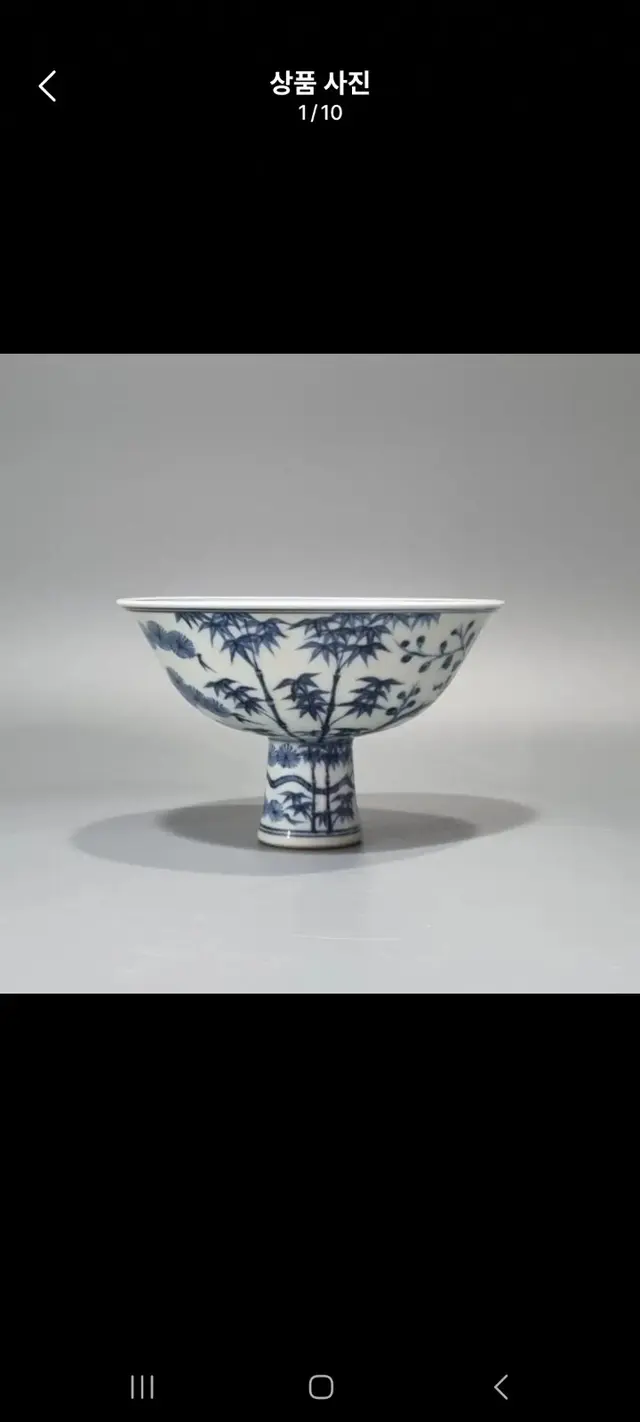
Chinese Blue and White 'Three Friends of Winter' Stem Cup, Ming Style
Shared title details
Explore Ceramics & Pottery
Pottery, porcelain, stoneware, earthenware, and kiln-fired objects.
Ceramics & Pottery value and rarity guideShare this find
A place for your ceramics
Keep its photographs, maker’s marks and the story you know in one object record. Start with a photo.
Create an account for 10 free scans. No credit card needed.
Join the conversation
Recognise a detail or have a question? Add what you know and cite your source. Suggested corrections stay in the discussion for the owner or a moderator to review.
Sign in to leave a comment
Sign in